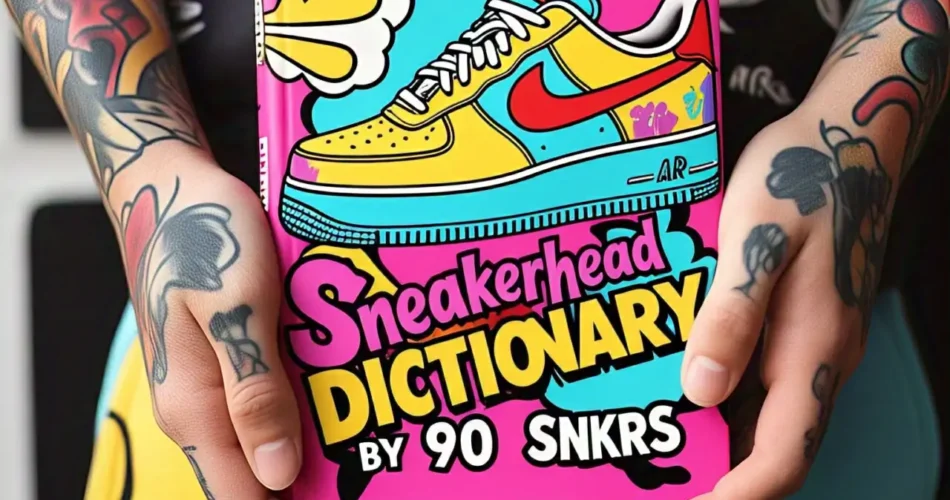
This sneaker dictionary brings together the most common slang, acronyms, abbreviations, and terms used around sneaker releases, shoe boxes, listings, collections, skateboarding, resale, and everyday sneaker conversations. Some terms come directly from brands; others were created by the community; and some change meaning depending on the era, region, seller, or marketplace.
The goal is to give you quick, clear answers. When 90Sneakers has a dedicated guide, you’ll find a short definition here plus a link to go deeper—without turning every entry in this sneaker glossary into a full article.
How to Use This Sneaker Dictionary
By category: condition and packaging · releases and buying · resale and authentication · sneaker culture · OG, retro, and vintage · sizing · Nike · Nike SB · Jordan.
Alphabetical index: B | C | D | E | F | G | H | I | J | L | N | O | P | Q | R | S | T | U | V | W.
Sneaker Condition, Wear, and Packaging Terms
DS — Deadstock
Type: community and resale term. DS usually describes an unworn sneaker. In practice, however, the exact meaning can vary among communities, sellers, and marketplaces: a perfect box, accessories, or tags are not part of one universal definition. DS also does not prove authenticity. Read the full guide to DS and Deadstock.
DSWT — Deadstock With Tags
Type: resale condition term. DSWT means Deadstock With Tags and adds the presence of relevant tags to the idea of an unworn pair. Tags are not the same thing as a box, and tags alone are not proof of authenticity. See our complete guide to DSWT.
VNDS — Very Near Deadstock
Type: condition and resale slang. VNDS describes a pair perceived as very close to deadstock, but it should not automatically be treated as DS. It is subjective: there is no universal percentage or official number of times a sneaker may have been worn and still qualify as VNDS. Learn what VNDS means in detail.
NIB — New In Box
Type: commercial condition term. NIB means New In Box: a new item accompanied by its box. The acronym does not guarantee authenticity, age, proper storage, or the structural integrity of an older sneaker.
NWT — New With Tags
Type: commercial condition term. NWT means New With Tags. The presence of tags does not automatically mean the original box is included, so NWT and NIB are not synonyms. NWT is also not an authenticity certificate. Read the guide to NWT sneakers.
B-Grade
Type: condition and quality-control terminology. B-Grade can identify a genuine product that did not meet the expected standard for regular retail sale because of a production or finishing issue. B-Grade does not mean fake, and discovering a small defect later does not automatically make a sneaker B-Grade.
Fake / Counterfeit
Type: authenticity term. A fake is a counterfeit: a product made or presented as if it were a legitimate branded item without authorization from the brand. Fake is not a synonym for B-Grade, custom, or a simple factory defect. Condition labels such as DS, NIB, and NWT also do not prove authenticity.
Flaking
Type: material and condition term. Flaking describes surface peeling or material, paint, or coating breaking away. The cause depends on the shoe’s construction and should not automatically be treated as another word for hydrolysis.
Unworn
Type: condition term. Unworn means the pair has not been worn. In listings and marketplaces, it can be a more direct description than DS, but rules or expectations about the box, accessories, and storage marks still depend on the seller or platform.
No Box / Replacement Box
Type: packaging terminology. No Box means the original box is absent. Replacement Box means the pair comes with a different box, not necessarily the factory box originally assigned to that pair. Neither condition determines authenticity by itself.
Sneaker Releases, Drops, and Buying Terms
Drop
Type: release terminology. As a noun, a drop is a product release or the moment a product becomes available. In Cop or Drop, however, “drop” means to pass or not buy. These are different uses of the same word. See how sneaker drops work.
Restock
Type: retail and release term. A restock is the replenishment of inventory for a product that was already made available before. It is not automatically a new release and is not the same thing as a retro. Learn more about sneaker restocks.
LPU — Last Pick Up
Type: community slang. LPU means Last Pick Up and is used to show someone’s most recent sneaker purchase or acquisition. It does not mean “the last sneaker this person will ever buy.” Read the full guide to LPU.
Cop or Drop
Type: community slang. Cop means buy or approve; drop means pass. The phrase is used to give an opinion on a release or say whether you would buy it. It is not an official SNKRS feature. See the full meaning of Cop or Drop.
W / L — Win and Loss
Type: release slang. W means Win and L means Loss. In drops and raffles, a W usually means someone got the opportunity to buy or successfully secured the pair; an L means they did not. Unlike Cop or Drop, W/L describes an outcome. See the guide to W and L in sneaker drops.
Raffle
Type: release mechanism. A raffle is a drawing or buyer-selection process used when demand exceeds available inventory. Rules vary: entering does not guarantee a purchase, and each retailer or brand can set its own requirements.
Shock Drop
Type: release terminology. A shock drop is a product release with little or no advance notice. The term is used across different communities and retailers and does not imply any fixed number of pairs.
Exclusive Access
Type: access mechanism. Exclusive Access describes situations in which selected users receive early or targeted access to a product. Eligibility, timing, and availability depend on the platform or brand and do not guarantee a purchase.
GR — General Release
Type: release terminology. GR means General Release and is commonly used for products with relatively broad distribution. It does not imply a universal production quantity, and GR should not be used as the foundation for a supposed official rarity pyramid such as GR < QS < HS.
Sneaker Resale and Authentication Terms
Resell
Type: secondary-market term. Resell means selling a product again. It can involve new or used sneakers and does not require that the original purchase was made solely for profit. Reselling also does not guarantee appreciation in value. See the complete guide to sneaker reselling.
Reseller
Type: secondary-market term. A reseller is a person or business that resells products. It can be an occasional seller, a professional operation, or a store. The word does not automatically imply scalping, profit, or improper behavior.
Price Check
Type: resale term. A Price Check is a request for or estimate of a pair’s current market value. Size, condition, location, timing, supply, and demand can all change the reference point; there is no single “official universal” resale price. See how to do a sneaker Price Check.
LC — Legit Check
Type: authentication term. A Legit Check is an evaluation intended to determine whether a sneaker appears authentic. It is not a universal certificate or an infallible method; its quality depends on the evidence available and the person or service performing the evaluation. Read the sneaker Legit Check guide.
Retail / Retail Price
Type: retail term. Retail can refer to the original retail sales channel, while “retail price” in sneaker conversations means the original selling price charged at release. Retail and resale are not the same thing.
Brick
Type: resale slang. Brick is used informally for a product perceived as commercially weak, slow-selling, or offering little resale upside. It is subjective community language, not an official classification.
Sample / Prototype
Type: product-development terminology. A sample is an item produced during development, presentation, or evaluation. A prototype can represent an even more experimental stage. Not every sample is a valuable rarity, and not every sample matches the final production product.
F&F — Friends & Family
Type: distribution term. Friends & Family is used for products intended for people connected to a project, brand, athlete, or collaborator. That does not mean every HS release is necessarily F&F, or that every F&F pair carries an HS designation.
Sneaker Culture and Community Terms
Sneakerhead
Type: cultural identity term. A sneakerhead is someone with a meaningful interest in sneakers and the culture around them. You do not need a huge collection, a large budget, a resale business, or encyclopedic knowledge of every brand to be a sneakerhead. See our guide to what sneakerhead means.
Sneakerhead Community
Type: cultural expression. The sneakerhead community broadly describes the people, groups, events, stores, creators, and online spaces connected by an interest in sneakers. It is not one formal organization. Learn more about the sneakerhead community.
Heat
Type: community slang. Heat describes a sneaker perceived as especially desirable, notable, or relevant in a particular context. It is subjective: there is no minimum price, required level of rarity, or official list that automatically turns a pair into heat. Read more about what “heat” means in sneakers.
Grail
Type: collecting slang. A grail is a sneaker that a particular person wants especially badly. It can be rare or expensive, but it does not have to be: personal meaning matters more than price, hype, or production numbers.
GOAT
Type: cultural acronym and slang. GOAT means Greatest Of All Time. It can describe athletes, sneaker models, and other cultural references. Do not confuse the slang term with the commercial sneaker marketplace GOAT. See what GOAT means in sneaker culture.
Drip
Type: style slang. Drip refers to someone’s visual presentation, clothing, and personal style. It is not exclusive to sneakers and does not mean an outfit has to be expensive, luxury, or hyped.
Collab
Type: cultural and commercial abbreviation. Collab is short for collaboration between brands, artists, athletes, stores, or other partners. A collab is not automatically limited, rare, expensive, or a grail. See how sneaker collaborations work.
Colorway
Type: product terminology. A colorway is the specific combination of colors applied to a sneaker model. The same silhouette can appear in dozens or even hundreds of colorways over time.
Silhouette
Type: design and product terminology. Silhouette identifies the underlying sneaker model or shape—for example, the Air Jordan 1, Air Max 1, or adidas Samba—regardless of a specific colorway.
Beater
Type: community slang. A beater is a pair worn without much concern about dirt, wear, or keeping it pristine. It does not have to be cheap or low quality; the term mainly describes how the pair is used.
Kicks
Type: slang. Kicks is an informal English word for footwear, especially sneakers. The term does not imply exclusivity, rarity, or value.
OG, Retro, and Vintage Sneakers
OG
Type: cultural slang and terminology. OG historically derives from Original Gangster/Original Gangsta and developed several meanings in sneaker culture. It can refer to an original release, a historically original configuration, or a commercial designation. OG does not automatically mean “authentic.” See the different meanings of OG in sneakers.
OG Colorway
Type: historical product terminology. An OG colorway is a color scheme that belongs to the original launch era of a silhouette. A model can have several OG colorways; there is not necessarily one single “first color.” Learn what an OG colorway means.
Retro
Type: historical and commercial terminology. A retro is a later production run or reissue of an earlier design. A retro is not the original physical pair from the earlier era, although an older retro can itself become vintage as the years pass. Read the guide to retro sneakers.
Vintage
Type: age and historical condition term. Vintage primarily describes the age and period of the physical item. A sneaker does not have to be worn, rare, expensive, a first release, or historically important to be called vintage. See the guide to vintage sneakers.
For a direct comparison of all three concepts, see OG vs. retro vs. vintage sneakers: what’s the difference?
Sneaker Sizing, Fit, and Size-Range Terms
TTS — True To Size
Type: sizing slang. TTS means True To Size and indicates that, for the person giving the assessment, a model fits close to the size they normally expect. It does not mean everyone should automatically buy the same numerical size: foot width, foot shape, and fit preference all matter. See the guide to TTS sneaker sizing.
GS — Grade School
Type: size-range term. GS means Grade School in the U.S. sizing system and appears on products aimed at that youth size range. By definition, GS does not mean fake, women’s sizing, or lower-quality materials. Learn about Nike GS and Y sizing.
SZ — Size
Type: informal abbreviation. SZ is simply shorthand for size and is common in sneaker listings and resale conversations.
Nike Sneaker Acronyms and Terminology
HS — Hyperstrike
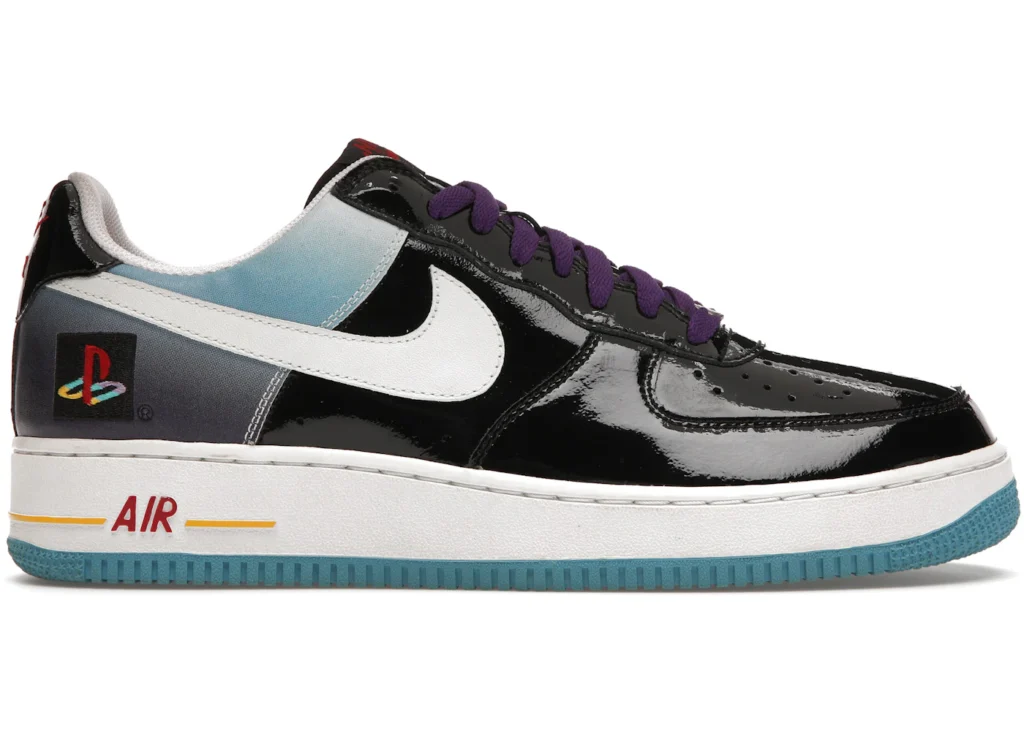
Type: historical Nike and sneaker-culture terminology. HS is widely documented as Hyperstrike and has historically been associated with certain highly restricted Nike releases. There is no universal public Nike rule, however, that defines an exact pair count, a required audience, or a fixed rarity pyramid. See the history and meaning of Nike Hyperstrike.
QS — Quickstrike
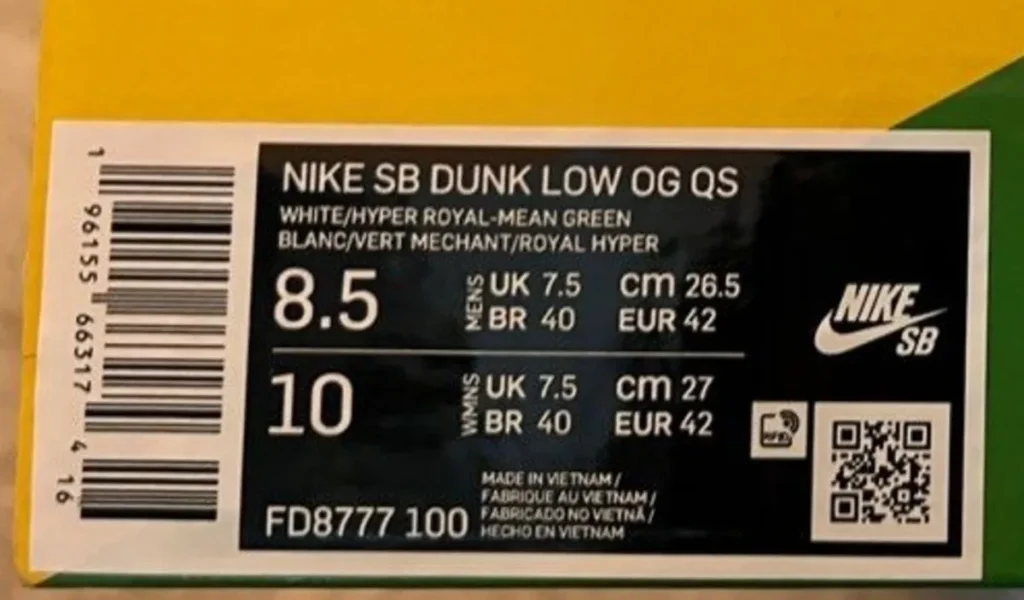
Type: Nike terminology. QS means Quickstrike and has historically been used in connection with certain releases and distribution channels. The acronym does not define a fixed production quantity and should not be forced into a universal rarity hierarchy. Read the guide to Nike Quickstrike.
SP — Special Project
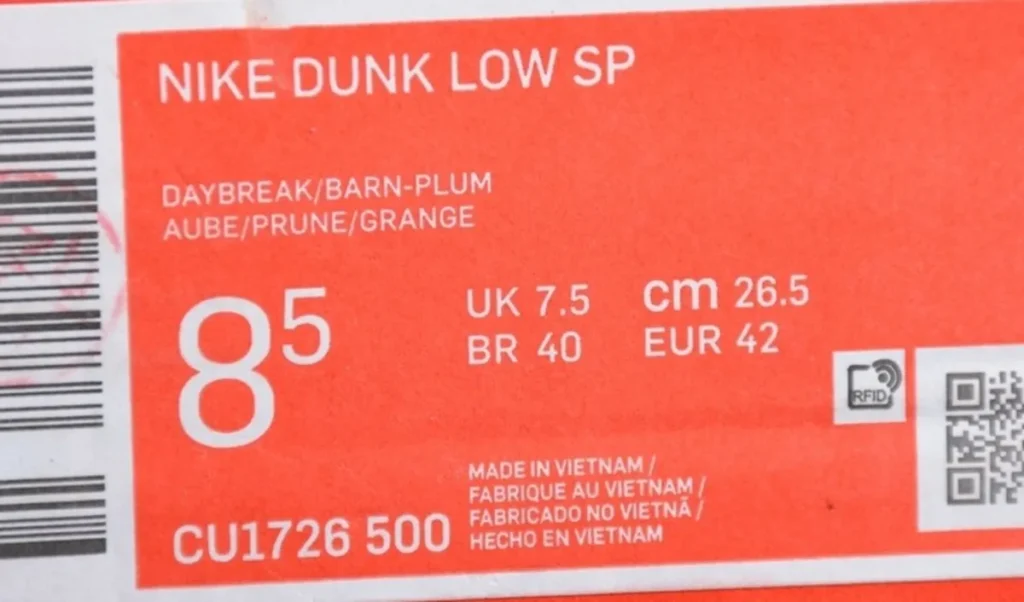
Type: Nike terminology. SP is associated with Special Project and appears on certain special products or projects. The SP designation does not automatically guarantee a collaboration, extreme rarity, premium materials, or high resale value. See the guide to Nike SP.
SE — Special Edition
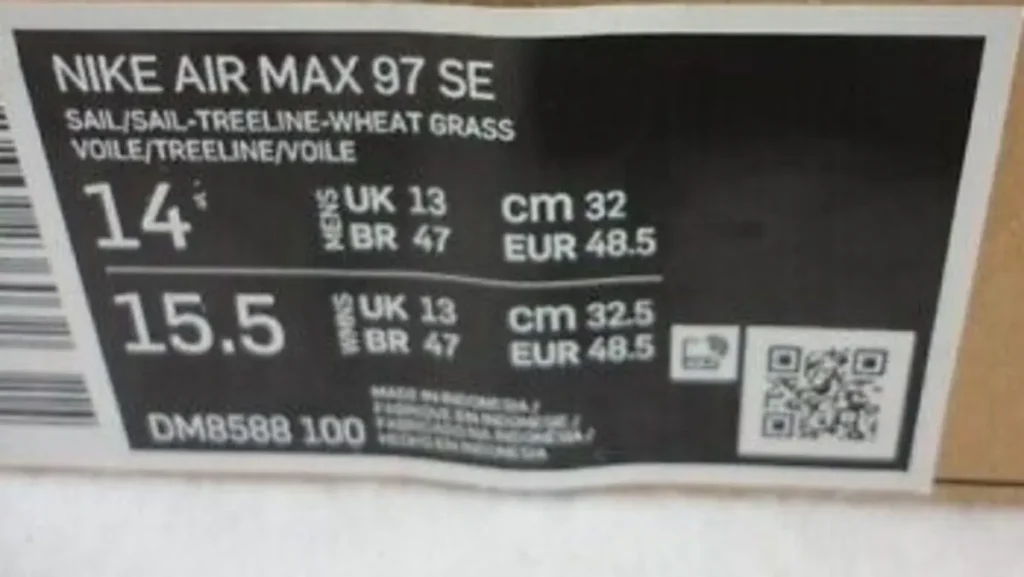
Type: commercial terminology. SE means Special Edition. It distinguishes a particular edition or execution, but it does not guarantee limited production, greater rarity, better materials, or a high resale price. Learn what Nike SE means.
PE — Player Exclusive
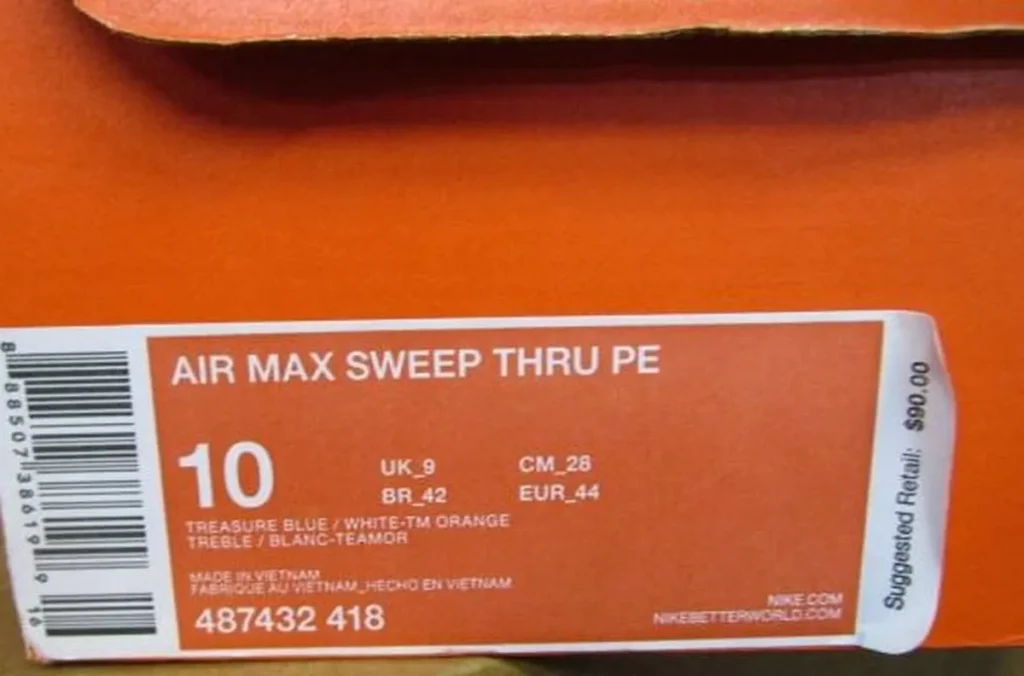
Type: athlete-footwear terminology. PE usually means Player Exclusive: a version developed or produced for a specific athlete. Not every athlete-related sneaker is a PE, and PE is not a synonym for signature shoe. Read the guide to Player Exclusives.
HTM
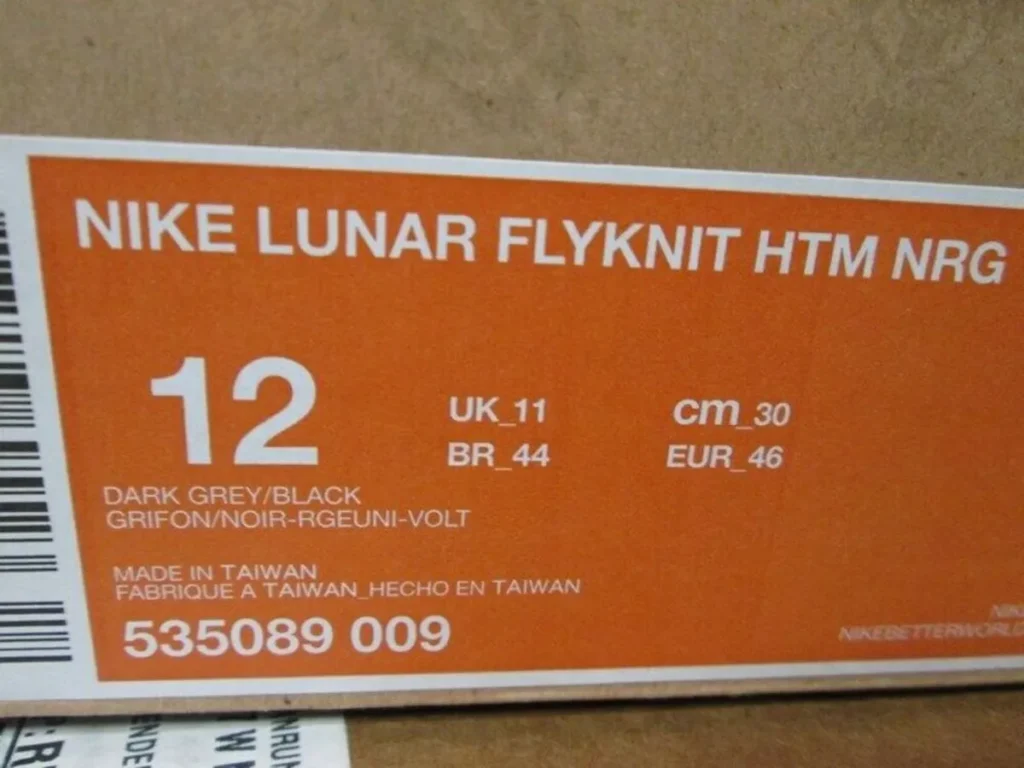
Type: historical Nike project. HTM refers to Hiroshi Fujiwara, Tinker Hatfield, and Mark Parker. The name identifies the project and concept associated with the trio, not a universal official rarity tier or permanent product line. Learn the history of Nike HTM.
LS
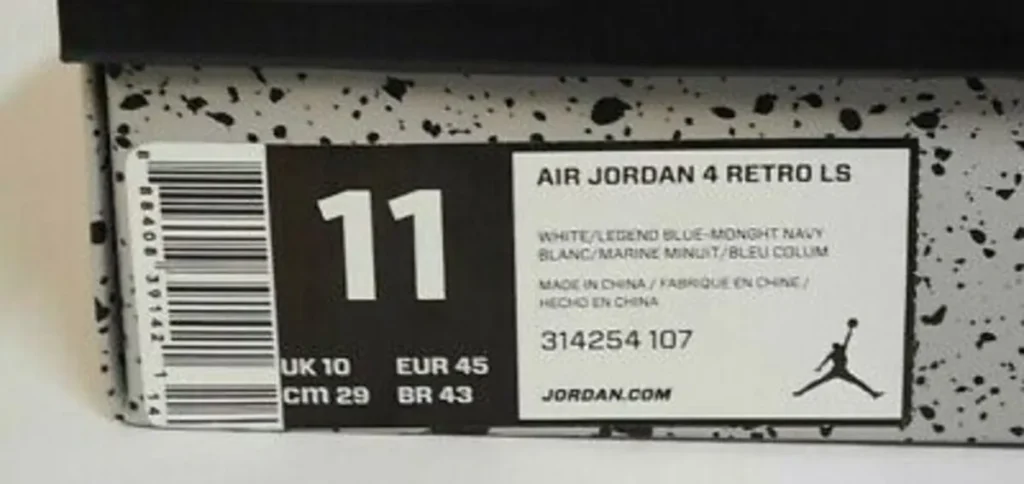
Type: Nike/Jordan terminology. LS has historically appeared in certain product names, but it should not automatically be expanded to “Lifestyle” in every context without checking the specific release. See the complete analysis of Nike LS.
NRG
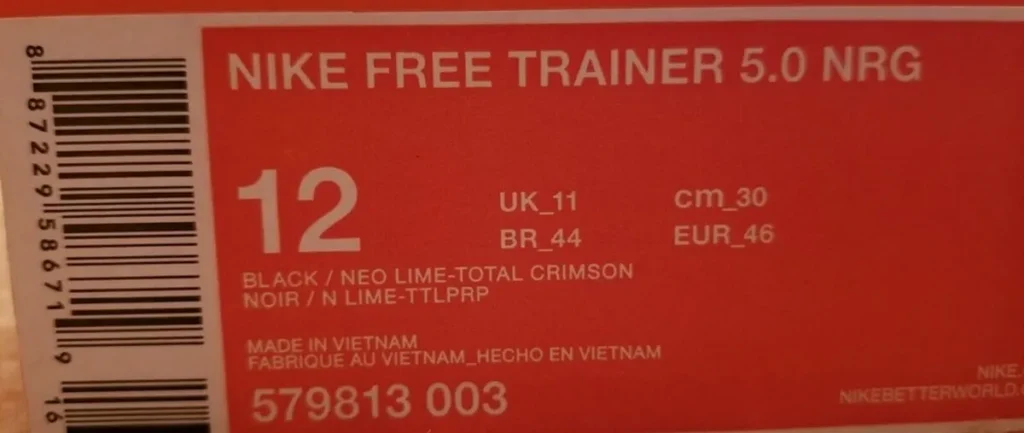
Type: Nike terminology. NRG appears in the names and codes of certain Nike products and projects, but its literal expansion is not publicly documented in a consistent way. For that reason, it is not accurate to publish “NRG = Energy” as an established fact or treat NRG as a guarantee of rarity. Read the analysis of Nike NRG.
PRM — Premium
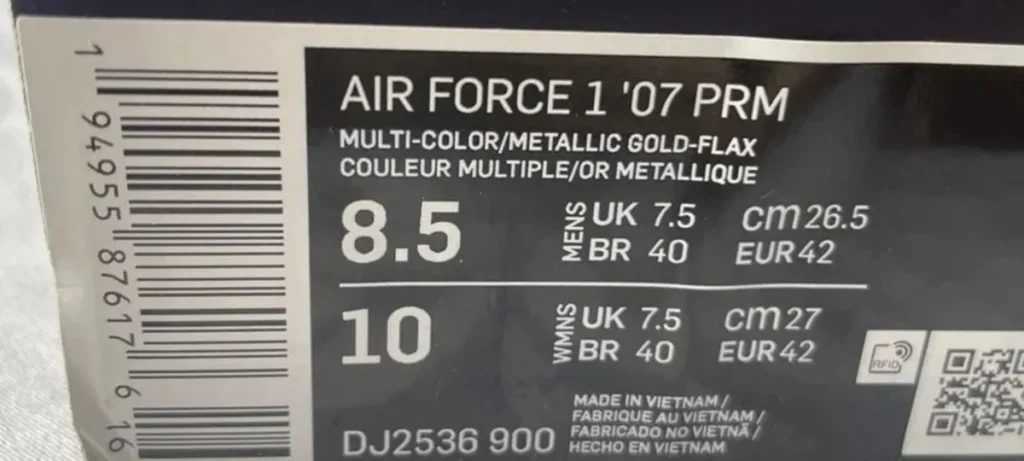
Type: Nike commercial terminology. PRM is associated with Premium. It can indicate a differentiated execution or positioning, but it is not a universal guarantee of superior leather, specific materials, rarity, or future value. Learn what Nike PRM means.
NSW — Nike Sportswear
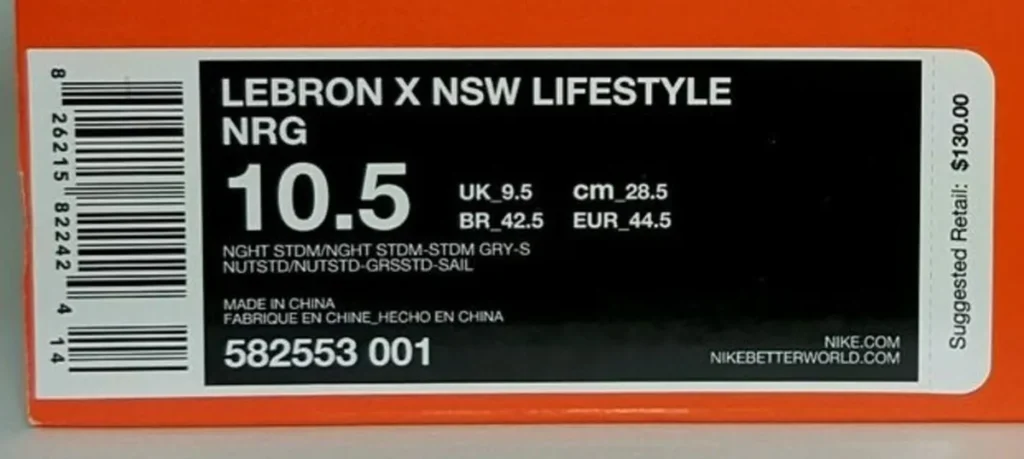
Type: Nike terminology. NSW means Nike Sportswear. It identifies a part of the brand’s sportswear/lifestyle portfolio, not a technology, premium certification, or rarity level. See the guide to Nike Sportswear and NSW.
ISO — In Store Only
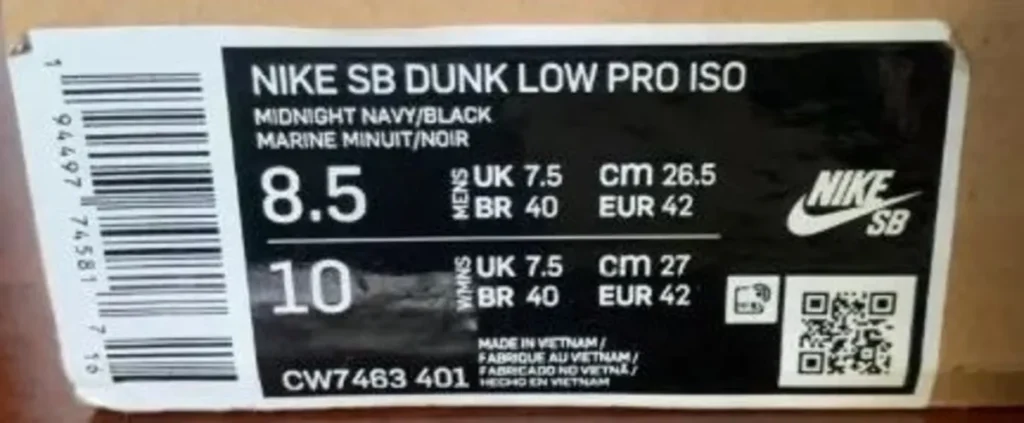
Type: Nike SB and distribution terminology. “In Store Only” is the most widely used expansion of ISO and has historically been associated with products distributed through selected skate shops, especially in the Orange Label context. It does not mean online sales have been impossible in every era or market. See the full context behind Nike ISO.
TN — Tuned Air
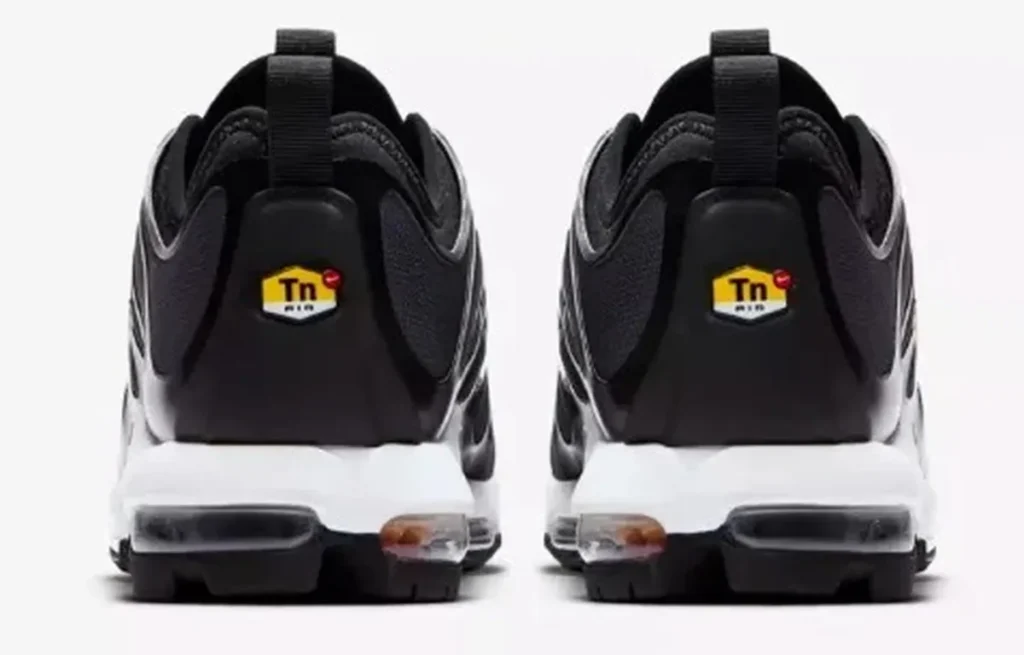
Type: Nike technology terminology. TN refers to Tuned Air, a technology historically associated with the Air Max Plus. It is not simply a visual nickname for the sneaker. Learn about Nike TN and Tuned Air.
ACG — All Conditions Gear
Type: Nike line. ACG means All Conditions Gear and identifies Nike’s outdoor-focused line for use across different conditions. It appears here because the acronym is common in sneaker conversations, although its broader story belongs to Nike history. Explore the history of Nike ACG.
Nike Air
Type: Nike technology platform. Nike Air is a cushioning platform based on pressurized Air units, not an acronym for rarity or sneaker condition. The term frequently appears in product names and on packaging, but it should be understood separately from commercial acronyms and release terminology.
Nike SB and Skateboarding Terms
Nike SB — Skateboarding
Type: Nike division and product line. SB means Skateboarding. Nike SB is Nike’s skateboarding line and ecosystem; it is not a technology and does not simply mean “a Dunk with a padded tongue.” The SB Dunk is only one of the best-known families in the broader Nike SB story. Read the updated guide to Nike SB.
Jordan Brand Terms
Jumpman
Type: Jordan Brand visual identity. Jumpman is the name of the Michael Jordan silhouette used as a central symbol of Jordan Brand. It is not a sneaker silhouette and it is not a cushioning technology. Learn the origin of the Jumpman logo.
CO.JP
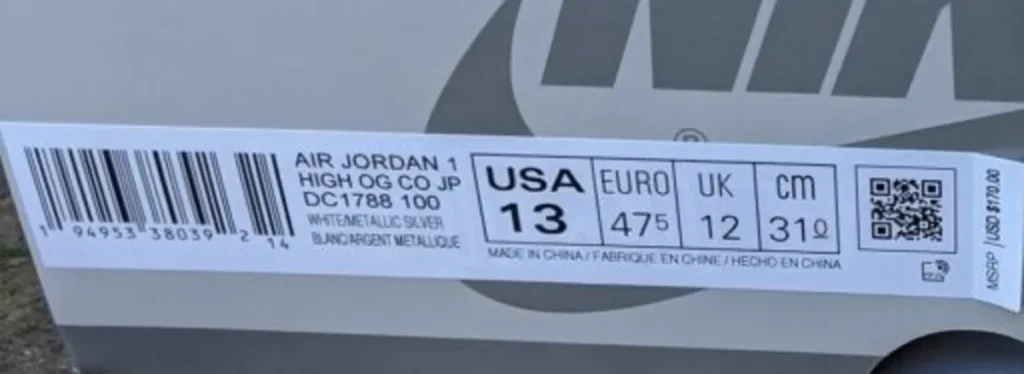
Type: historical Nike/Jordan terminology. CO.JP is connected to the history of the Concept Japan program and releases intended for the Japanese market. It should not simply be reduced to “Japan Collaboration.” See the history and meaning of Jordan CO.JP.
Sneaker Style, Construction, and Product Terms
High
Type: silhouette terminology. High identifies a higher-cut version within a product family. It does not automatically mean more support, comfort, or value.
Mid
Type: silhouette terminology. Mid describes an intermediate collar-height configuration. The actual construction varies from one model to another.
Low
Type: silhouette terminology. Low identifies a lower-cut version. It is not a synonym for lifestyle footwear: low-cut shoes also exist in skateboarding, basketball, running, and other categories.
Deubré
Type: component/accessory term. A deubré is the small decorative or functional piece positioned over the laces on certain sneakers, most famously the Air Force 1. “Lace tag” is a close generic description, but deubré became the recognized term for this component.
Tonal
Type: design terminology. Tonal describes a composition dominated by one color or closely related shades. It does not determine the material, rarity, or product category.
Custom
Type: customization term. A custom is a product that has been modified or created through personalized work. Custom does not automatically mean fake: the key distinction is not presenting an unofficial customization as an official brand release.
SKU / Style Code
Type: product-identification terminology. SKU and style code are codes used to identify products or variants. In sneakers, the style code is particularly useful for distinguishing a model and colorway and for reducing confusion in searches and listings.
Gum Sole
Type: outsole construction and appearance term. Gum sole describes the look and rubber compound commonly associated with the natural “gum” color. By itself, a gum sole does not mean the shoe is designed for skateboarding or basketball, or that it is necessarily more durable.
Sneaker Terms That Sound Similar but Are Not the Same
DS vs. VNDS
DS usually means unworn; VNDS is a subjective assessment for a condition perceived as very close to deadstock. VNDS is not an official percentage of “how new” a pair is.
NIB vs. NWT
NIB refers to the box; NWT refers to tags. A product can be NWT without its original box, and neither acronym proves authenticity.
OG vs. Retro vs. Vintage
OG is tied to an original release or historical configuration; retro is a later production of an earlier design; vintage primarily refers to the age and era of the physical item.
Heat vs. Grail
Heat is a cultural judgment about desirability or relevance. Grail is personal: it is a pair someone especially wants. Neither term requires a minimum price.
Cop or Drop vs. W/L
Cop or Drop expresses intent or opinion. W/L describes the outcome of a purchase attempt, raffle, or drop.
Fake vs. B-Grade
A fake is counterfeit. A B-Grade can be a genuine product classified outside the regular retail standard because of production or quality-control issues.
QS vs. HS vs. SP
These are different terms used in Nike contexts, but there is no public, universal, permanent pyramid that can rank every release in Nike history as GR < QS < SP < HS.
TTS vs. GS
TTS is a fit assessment; GS is a size range. One describes how a sneaker fits, while the other identifies sizing.
Sneaker Dictionary FAQ
What does DS mean in sneakers?
DS means Deadstock and usually describes an unworn sneaker. The exact expectations for the box, tags, and accessories can vary by community, seller, or marketplace.
What’s the difference between DS and VNDS?
DS generally indicates an unworn pair; VNDS is a subjective condition label for a sneaker considered very close to deadstock, often involving some level of wear or change.
Are OG and retro sneakers the same thing?
No. OG refers to an original release or historical configuration, while a retro is a later production that revisits an earlier design.
What does TTS mean in sneakers?
TTS means True To Size and indicates that a model fits close to the expected size according to that particular fit assessment. It is not a universal guarantee for every foot shape or fit preference.
Do HS, QS, and SP form an official Nike rarity hierarchy?
No public, permanent Nike chart establishes those acronyms as a universal rarity pyramid across every era and product.
What do W and L mean in a sneaker drop?
W means Win, when the attempt succeeds; L means Loss, when the person does not get the product or access they were trying for.
What’s the difference between retail and resale?
Retail is the original retail sales channel and price context. Resale is a later sale on the secondary market, where the price can be higher or lower than retail.
How can you tell whether a Nike acronym is official?
Do not rely only on forums or old acronym lists. Look for Nike documentation, official product names, verifiable boxes or labels, and historical archives. When an expansion is not consistently documented, it is better to acknowledge the uncertainty than invent a definition.
Keep Exploring Sneaker Culture
Sneaker terminology mixes official brand language, retail abbreviations, condition terminology, and slang created by the community. Meanings also change over time: a rule used by one marketplace should not automatically be treated as a universal definition for the entire sneaker world.
Use this sneaker dictionary as a quick reference and the individual guides to explore each concept in more depth. To learn more about the history, people, and movements behind this language, continue with History & Culture.