What is GOAT in the sneaker world?
GOAT stands for “Greatest Of All Time.” In sneaker conversations, it is a way of arguing that an athlete, model, or designer belongs at the very top. It is a judgment, not an official award or product grade. The same name is used by the GOAT shopping platform; this article is about the expression and the legacy behind it.
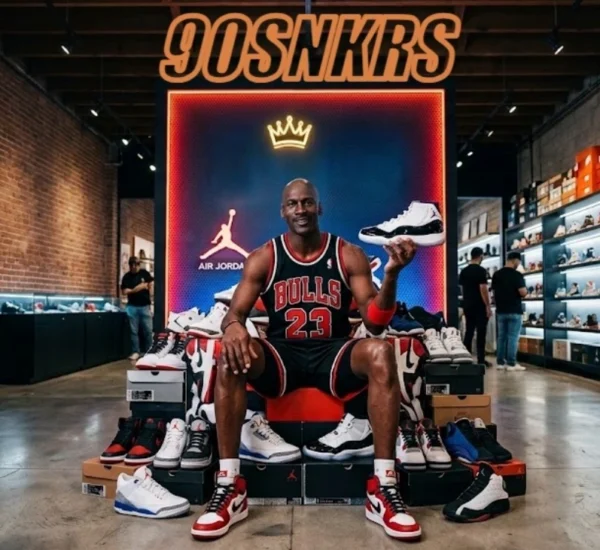
In the sneakerhead context, the term is often associated with Michael Jordan, both because of his legacy in basketball and the massive influence his sneaker line has had (and still has) on the global market. But the concept goes beyond a person: it can also be applied to models, collaborations, and even historical moments within the culture.
The Sneakerhead Dictionary was one of the first pieces I wrote, and it remains a useful place to explore the language around collecting. For the physical parts of a shoe, the sneaker anatomy guide covers the upper, midsole, outsole, and other components.
Why do so many fans call Michael Jordan the GOAT?
Jordan’s case starts on the court: six NBA championships, six Finals MVP awards, and five regular-season MVP awards. Those achievements help explain his place in the debate, but “greatest” remains a matter of criteria and opinion, especially when comparing players across eras. The NBA’s career profile documents his record.
The sneaker connection adds another dimension. The Air Jordan 1 launched in 1985, linking his identity to a footwear line that became important far beyond basketball. Jordan helped expand that relationship between athlete, product, and style. He did not create off-court sneaker culture from nothing: shoes such as the Converse Chuck Taylor already had lives beyond sport.
The continuing retros and reinterpretations show how an old design can matter to new generations. That is part of the argument for Jordan’s sneaker legacy, rather than proof that every Jordan release is better than every other shoe.
GOAT goes beyond people: models can be GOAT too
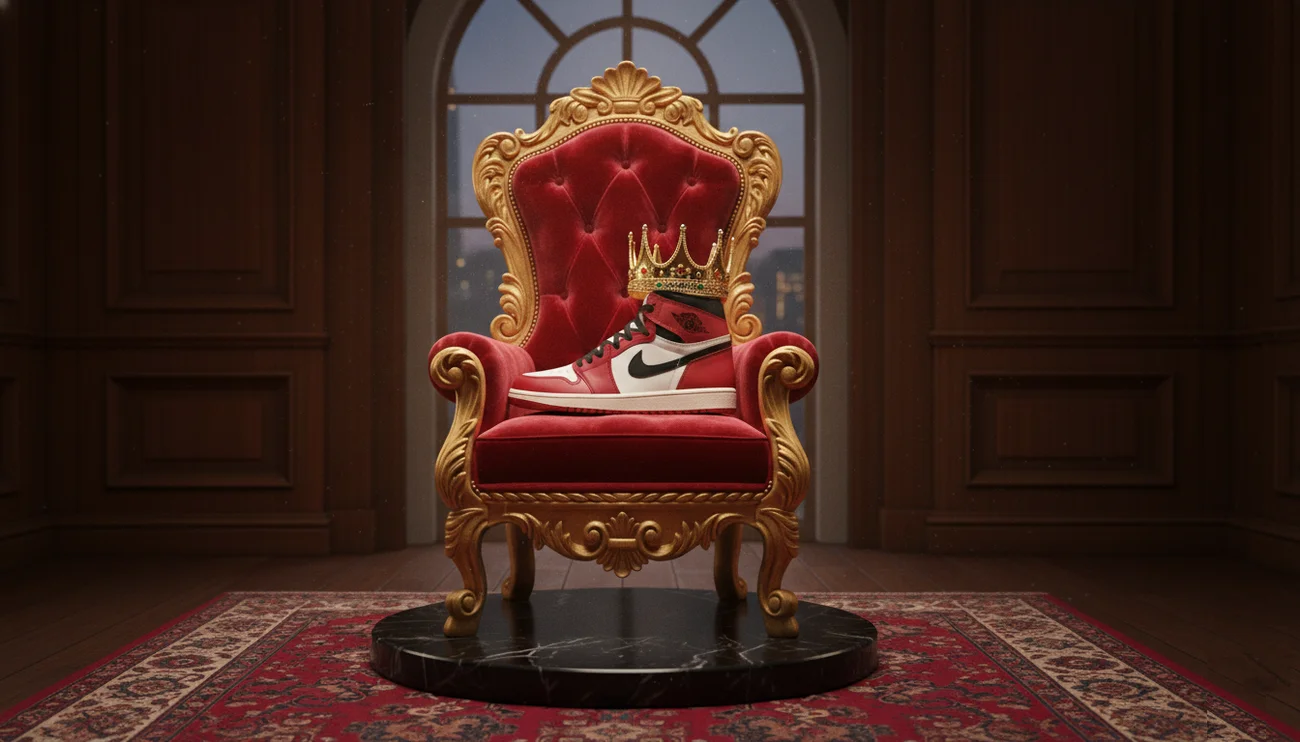
Although the term is strongly linked to Michael Jordan, it is also used to define sneaker models that made history. Some sneakers are so influential that they end up being considered GOAT within their categories.
Classic Nike models such as the Air Force 1 and Nike Dunk are useful examples. These sneakers haven’t just stood the test of time; they remain relevant across different generations and styles.
If you want to explore some of the most important models ever released, it’s worth checking out this content about the most iconic Nike sneakers, which clearly shows how certain pairs achieved this almost legendary status.
My personal experience with the GOAT concept
Since getting into sneaker culture in 2007, I’ve come to see that the concept of GOAT goes far beyond hype or price. I’ve seen many extremely hyped releases lose relevance within months, while classic models continue to be desired year after year.
For me, a GOAT isn’t just the most expensive or hardest sneaker to get. It’s one that has history, cultural impact, and represents something bigger. It’s the kind of pair that still makes sense to have in your collection even years later.
My own preference is to buy an authentic pair I genuinely like rather than a counterfeit version of a rare colorway. That is about what I want my collection to represent, not a promise of financial return. An authentic shoe can lose value, and a personal grail does not have to be rare or expensive.
GOAT vs hype: is there a difference?
Yes. Hype describes attention and excitement around a release; GOAT is a claim about comparative greatness. Hype may fade quickly or last for years. A heavily discussed shoe has not automatically earned a place among the most influential designs.
A useful question is what remains once the release-week noise settles: a design people keep wearing, a new direction other shoes follow, or a story that continues to matter. Those are reasons for a GOAT argument, not a universal checklist.
Collectors weigh those reasons differently. One person may care most about basketball history, another about skateboarding, and another about a design’s everyday appeal. You can disagree about the greatest shoe without either person misunderstanding sneaker culture.
How does the GOAT term influence the sneaker market?
Calling a sneaker the GOAT does not automatically increase its price. The label can draw attention, but it does not set the supply, create buyers, or establish what a particular size and condition will sell for.
Resale value depends on the exact release, size, condition, supply, demand, and timing. Even a respected classic can trade below retail. Compare actual sales rather than treating a nickname, asking price, or all-time ranking as evidence of future appreciation.
If the market side interests you, our guide to sneaker resale explains the difference between retail, resale, and seller proceeds. Cultural importance and transaction price answer different questions.
Where does the expression come from?
GOAT belongs to a broader language of greatness in sports and popular culture. Merriam-Webster records the acronym, while Dictionary.com notes LL Cool J’s 2000 album G.O.A.T. as a prominent example of its use. An album title helps document circulation; it does not, by itself, establish who first coined the phrase.
In sneaker conversations, that language can extend beyond players to shoes, designers, or collaborations. Someone might call the Air Force 1 their greatest everyday sneaker while choosing a different model for basketball history. Stating the category makes the argument more useful.
That is the fun of the discussion: explain what a shoe changed, why its details matter, or what it means to you. A considered opinion tells readers more than a claim that a pair must be great because it costs a lot.
FAQ about GOAT in the sneaker world
What does GOAT mean in sneakers?
GOAT means “Greatest Of All Time.” In sneaker culture, it can praise an athlete, designer, or shoe considered the greatest within a particular discussion. It is not a formal certification.
Why is Michael Jordan considered GOAT?
Many fans point to his basketball achievements and the Air Jordan line’s lasting cultural influence. That is a strong case for his importance, not an objective verdict that ends every greatest-player debate.
Can a sneaker be considered GOAT?
Yes. Fans can use GOAT for a model they consider exceptionally influential or successful. The criteria and category should be clear.
Is GOAT the same as hype?
No. Hype describes attention and excitement; GOAT expresses a judgment about greatness. The two can overlap, and neither predicts resale profit.
How do you know if a sneaker is GOAT?
There is no official test. Explain your criteria, such as design influence, sporting history, cultural reach, or lasting personal appeal. A high price alone is not enough.
My experience with sneaker culture goes back to 2007. At 90 Sneakers, I share collecting stories, care advice, and the details that make these shoes worth understanding.
For related terms, compare grail, hype, and heat in the Sneakerhead Dictionary.
For the wider context, explore Sneaker History and Culture: From Rubber Soles to a Global Movement.