
 Sneaker Culture
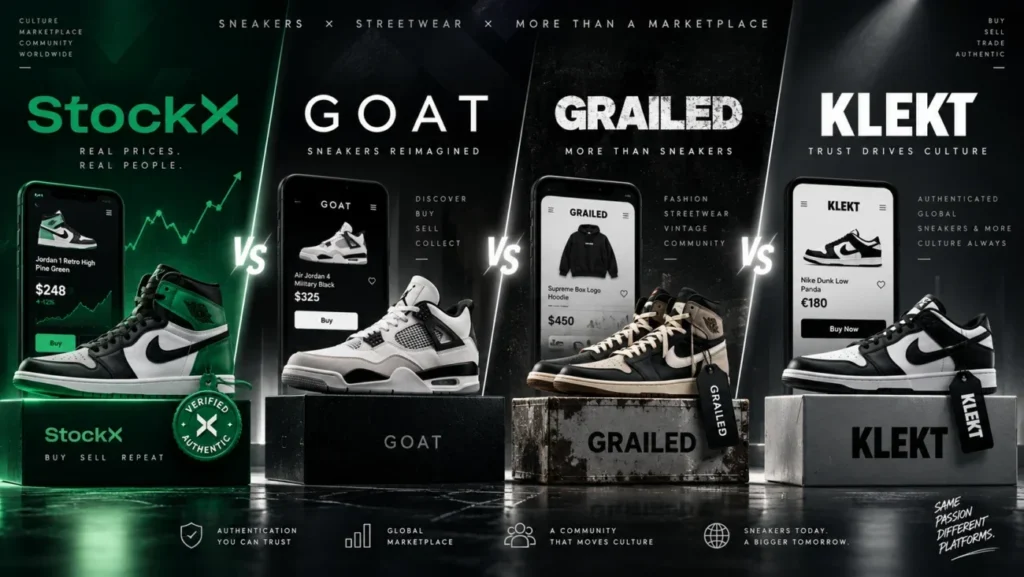
Explore sneaker resale from direct sales to consignment, with practical guidance on fees, pricing, condition, verification, and seller risks.
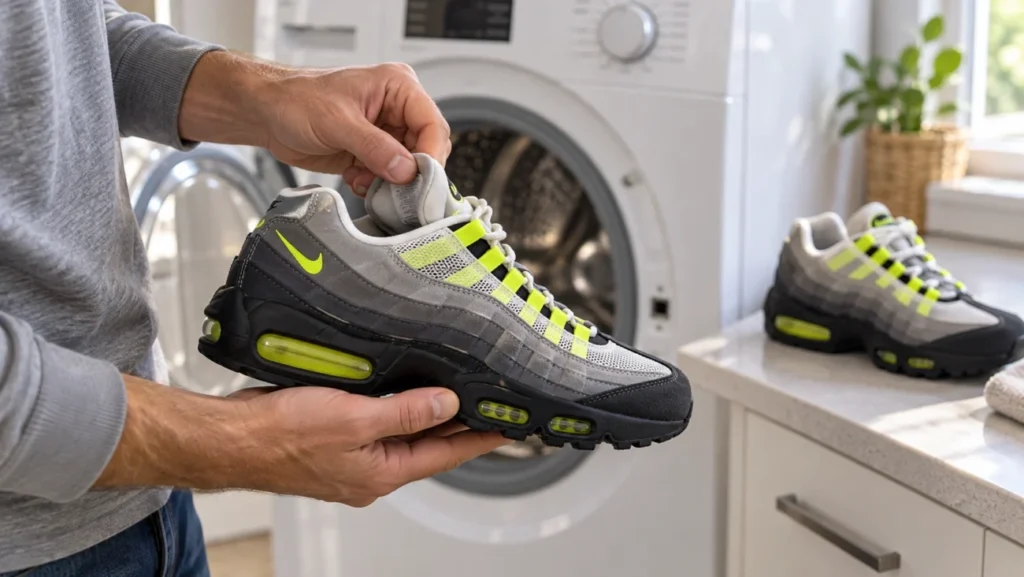
Compare sneaker upper materials, from leather and suede to knit, GORE-TEX, and corduroy. Learn their tradeoffs, care needs, and familiar examples.
Discover what the Sneakerhead Community is, how it works, its cultural importance, events, information sharing, and its impact on the sneaker market.
Understand GOAT as “Greatest Of All Time,” why Michael Jordan is central to the debate, and why sneaker legacy does not guarantee resale value.
Nike’s company history connects running innovation, athlete partnerships, global production and sneaker culture, from Blue Ribbon Sports in 1964 to the business of 2026.
Understand counterfeit sneaker terminology, release-specific authenticity checks, marketplace limits, and steps after a pair was sold as genuine.
Rei Kawakubo and Adrian Joffe built a retail world in which the relationships between creative languages matter as much as individual products.
From its beginnings inside the Tannery to the theatrical spaces of Newbury Street, Concepts made the shop part of the story.
Architecture, cereal and New York institutions give Kith’s store history a character of its own, with the Manhattan flagship at the center of the story.
Founded in San Jose in 1993, Shoe Palace developed a retail identity that extends from athletic footwear to licensed film imagery, music and regional sports culture.
Page 1 of 30
Next