
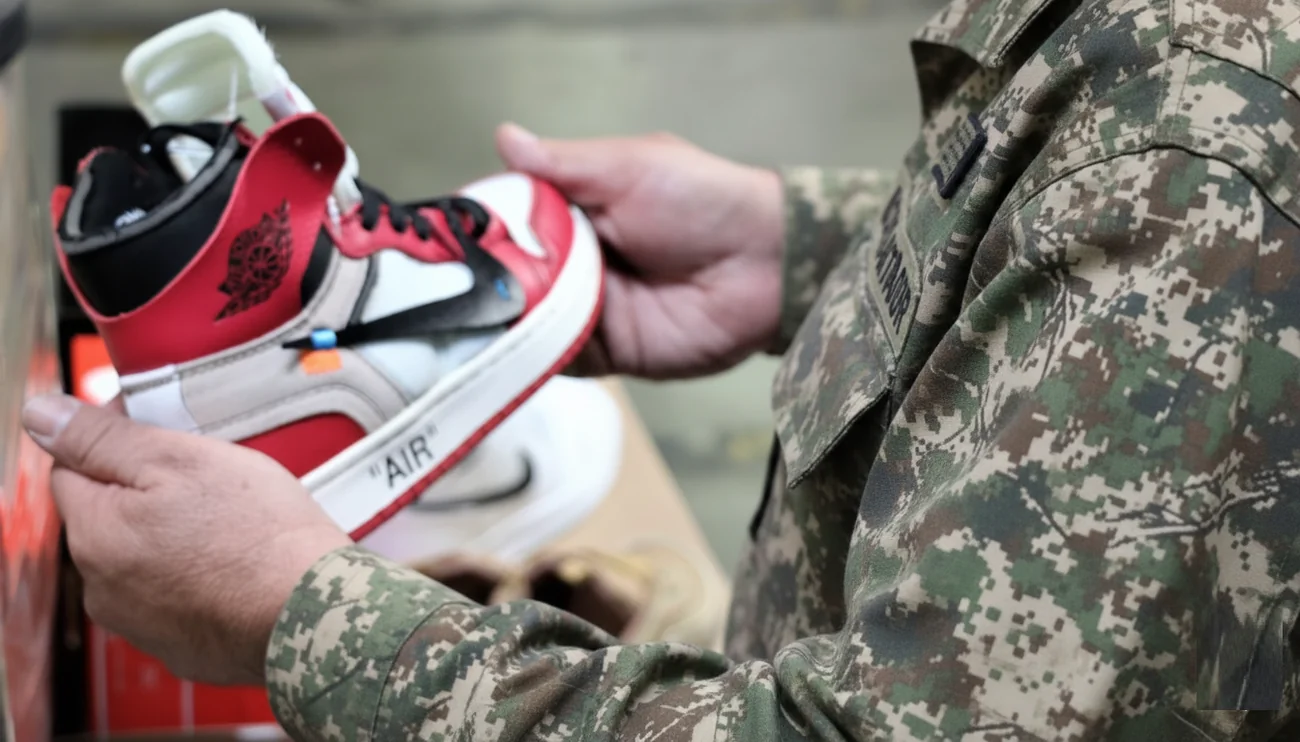
If you’re just getting into the world of sneakers, it’s natural to come across many terms, slang, and expressions that are part of this culture. One of the most important—and controversial—is the term fake.
In fact, this is just one of the many terms explained in the complete sneakerhead dictionary, where we’ve gathered the main expressions used daily in the community. This content, by the way, was one of the first articles I wrote, and to this day, I consider it extremely useful for beginners. When combined with reading about the anatomy of a sneaker, your understanding of sneakers evolves much faster.
In this article, we’ll explore in depth what fake sneakers are, how to identify them, the risks involved, and, most importantly, their impact on sneaker culture.
What Are Fake Sneakers?
Fake sneakers are counterfeit shoes—meaning products that imitate original models from well-known brands like Nike, Adidas, and Jordan without official authorization. They are produced to look authentic, often copying designs, colorways, and even technical details.
These products can vary widely in quality: from extremely simple copies to more elaborate versions known as “premium replicas,” which attempt to deceive even experienced eyes.
But regardless of quality, the main point is: they are not original.
My Opinion as a Collector
To be direct: I am completely against fake sneakers.
Over the years of collecting, studying, and living this culture, it has become very clear that the value of a sneaker goes far beyond its appearance. There’s history, technology, design, innovation, and an entire cultural construction behind each model.
That said, it’s also important to separate things: one thing is a person buying a fake sneaker without knowing. This happens, especially with beginners. Lack of information, overly attractive prices, and dishonest sellers end up tricking many people.
A completely different situation—and one I personally disagree with—is when someone knows the product is fake and still tries to “show off,” bragging about paying cheaply for something that imitates an original.
This goes against everything sneaker culture represents.
Simple Original or Fake “Grails”? My Personal View
If there’s one thing I’ve learned over the years of collecting, it’s that it’s much better to own a simple, yet original sneaker than a rare, counterfeit colorway. It might seem tempting to “have” that hyped model, a famous collab, or a highly sought-after grail—but when it’s fake, it’s nothing more than an illusion.
The true value of a sneaker isn’t just in its aesthetics but in its authenticity, the history behind the model, and the meaning it carries. When you acquire an original pair—whether it’s basic or not—there’s a real sense of belonging to the culture. A fake, no matter how similar it looks, doesn’t deliver that.
A grail represents achievement, research, dedication, and often, patience. It symbolizes something legitimate within sneaker culture. That’s why replacing it with a counterfeit only creates a false sense of status, with no real value.
At the end of the day, it’s much more authentic—and even more respected within the community—to wear a simpler original model than to try to “appear” as something you’re not with a fake.
Why Are Fake Sneakers a Problem?
The problem with fakes goes far beyond aesthetics. There are several negative impacts associated with these products.
First, there’s the issue of devaluing the culture. Iconic models, like those explored in the history of the Air Jordan 1, carry decades of legacy. When counterfeits enter the scene, this symbolic value ends up being diluted.
Another important point is the economic impact. Counterfeiting harms brands, designers, and the entire ecosystem involved in developing original products.
Additionally, there are risks for the consumer: inferior materials, lack of quality control, and compromised durability are common in counterfeit products.
How to Identify a Fake Sneaker?
Identifying a fake can be difficult, especially with the evolution of replicas. Still, there are some points that help a lot:
Price way below market value: if it seems too good to be true, it probably is.
Material quality: stitching, finishing, and texture can reveal counterfeits.
Box and labels: inconsistencies in codes and labels are common.
Design details: small differences in shape or proportions can indicate a fake.
For a more in-depth analysis, it’s worth understanding the concept of legit check (LC), which is the process of verifying a sneaker’s authenticity.
Where to Buy Original Sneakers Safely?
One of the best ways to avoid fakes is to buy from trusted stores. There are several safe options on the market, both in Brazil and abroad.
If you want to start safely, I recommend this guide on trusted sites to buy original sneakers.
Additionally, marketplaces like GOAT and platforms analyzed in GOAT vs. StockX have authentication systems that help reduce the risk of counterfeits.
Physical stores and boutiques are also safe options, especially the most established ones in the market.
Fakes vs. Originals: Is It Worth It?
This is a very common question, especially for beginners. And the answer, in my view, is simple: it’s not worth it.
When you buy an original sneaker, you’re acquiring quality, durability, and, most importantly, being part of a culture that values authenticity.
Additionally, many original models feature real technologies, as explained in content about Nike Air technology, which simply don’t exist in counterfeit versions.
Not to mention that an original sneaker can even maintain or increase its value over time—something that never happens with fakes.
The Impact of Fakes on the Sneaker Community
The sneakerhead community has always valued authenticity, history, and individual expression.
Fakes, in this context, end up creating distrust and harming relationships within the community itself. Transactions become more complicated, and the level of attention required increases significantly.
Additionally, the presence of counterfeits reinforces the need for knowledge—something that differentiates those who truly live the culture from those who only follow it superficially.
FAQ About Fake Sneakers
What Does “Fake” Mean in Sneakers?
Fake refers to a counterfeit sneaker that imitates an original model without the brand’s authorization.
Is Selling Fake Sneakers a Crime?
Yes. The sale of counterfeit products is illegal and can result in legal penalties.
How Can You Tell If a Sneaker Is Original?
By checking details such as quality, labels, product codes, and comparing them with trusted sources, as well as using legit check services.
Do Fake Sneakers Have Good Quality?
In most cases, no. Even the best replicas don’t meet the quality standards of original products.
Is It Worth Buying Fake Sneakers?
No. Besides the risks, you won’t get the same experience, quality, or cultural value as with an original sneaker.
If you also love the world of sneakers, check out other content from 90 Sneakers. Since 2007, we’ve gathered real experiences with sneakers, including collections, tests, cleaning tips, care guides, and stories that are part of sneaker culture.
Continue one level up in this topic through Sneakerhead Dictionary.