A sneakerhead is someone with a genuine, often deep interest in sneakers and the culture around them. They might collect shoes, wear every pair they own, research history, follow technology, discuss design, or simply become curious about why a silhouette moved from the court to the street.
There is no minimum number of pairs, price bracket, or obligation to follow releases. The interest can come from sports, music, fashion, memories of a particular model, or conversations with other collectors.
I am a sneakerhead and have been part of this culture since 2007. Over that time, one thing has become increasingly clear: the pair matters, of course, but the desire to understand what lies behind it is often even more interesting.
What Does Sneakerhead Mean?
The word combines sneaker with head, an informal way of describing someone deeply interested in a subject. It means “sneaker enthusiast.”
That involvement can take many forms:
- wearing and trying different types of sneakers;
- collecting particular models, versions, decades, or brands;
- researching the history of silhouettes, athletes, and designers;
- examining materials, construction, shape, and technology;
- following releases, reissues, and collaborations;
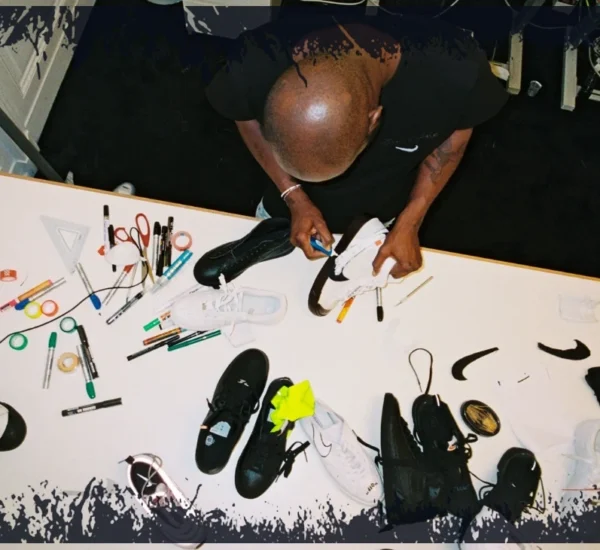
- sharing information, photographing, customizing, or creating content;
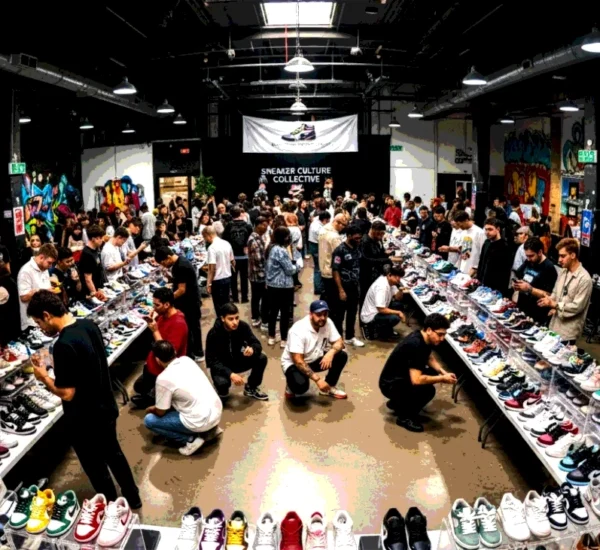
- joining conversations and communities, online or in person.
These are possibilities, not requirements. Someone might love running shoes and performance technology; someone else might immerse themselves in Air Jordans, 1980s adidas, Vans skate shoes, 2000s runners, or vintage pairs. Those interests can coexist within the same community.
The Sneakerhead Dictionary helps decode the community’s language, but no one needs to memorize every abbreviation to belong.
Do You Need to Collect Lots of Sneakers to Be a Sneakerhead?
No. Collecting is one way to participate, but it is not a requirement. Someone can own a few pairs, wear all of them, and know their designs well; another person might maintain an extensive collection.
There is no requirement to keep everything unworn, either. Some people preserve pairs, some follow the informal wear your kicks philosophy, and others do both. A collection does not have to look like inventory, and wearing shoes does not erase an interest in their history.
How Did Modern Sneaker Culture Begin?
There is no official day when someone opened a box and declared sneaker culture born. It developed over decades at the intersection of athletic footwear, athletes, communities, music, style, retail, and technology.
The museum exhibition Out of the Box: The Rise of Sneaker Culture, organized by the American Federation of Arts and the Bata Shoe Museum, traced that journey through around 150 pairs, from 19th-century athletic shoes to icons of performance, fashion, and collecting. It is a useful reminder that the history began long before the first drop app.
Before the 1980s: Sports Laid the Groundwork
Basketball, running, tennis, and other sports drove the development of materials, soles, and constructions designed for movement. Models such as the Converse Chuck Taylor All Star show how a shoe can begin on the court and gradually take on a life of its own in music, fashion, and different subcultures.
Basketball, Michael Jordan, and the Air Jordan 1
In the 1980s, basketball accelerated that transformation. Athletes with enormous cultural influence, signature shoes, television, and design combined to make people want more than a tool for playing a sport: they wanted an object associated with personality and aspiration.
The official Nike/Jordan archive records the Air Jordan 1’s original release in 1985 and identifies Peter Moore as its designer. The line connected athlete, product, and identity in a way that was decisive for modern sneaker culture. Michael Jordan did not invent it all by himself, but it is impossible to tell this story without recognizing the significance of that chapter.
A study reported by North Carolina State University, based on interviews with 12 men who identified as sneakerheads, connected basketball, hip-hop, memory, and identity. Many participants were African American. This sample helps illuminate the role of Black communities in sneaker culture without representing the entire community on its own.
For a closer look at the silhouette without repeating its full timeline here, see the history of the Air Jordan 1.
Run-D.M.C., the adidas Superstar, and Hip-Hop
If basketball demonstrated the athlete’s influence, hip-hop made it clear that the streets could choose their own icons, too. The adidas Superstar began as a basketball shoe but took on a new meaning when Run-D.M.C. made it part of their look.
According to adidas’ official history, Run-D.M.C. released “My Adidas” in 1986, and the group’s connection with the Superstar led to a partnership with the brand. The group and its audience adopted the shoe before the commercial partnership.
The episode is a milestone in the connection between hip-hop and sportswear, within a history also shaped by athletes, skateboarders, stores, and different communities.
Nike Dunk, Skateboarding, and Nike SB
Skateboarding tells another essential part of the story. The Dunk emerged in the context of the 1985–86 college basketball season, tied to a program of school colors. Nike’s official Dunk history traces the silhouette’s move from basketball courts to adoption by skateboarders.
Sandy Bodecker began developing Nike’s skateboarding project in 2001; the SB Dunk launched in 2002. Nike SB’s official 20-year archive describes how its first team riders helped choose colors and materials for the Dunk Pro Low versions.
Skateboarders, independent skate shops, and artists contributed to that development. The shoes attracted both skaters and collectors, with uses that can coexist in the same collection.
Our Nike Dunk history article explores its move between basketball, skateboarding, and lifestyle wear.
When Sneakers Became More Than Athletic Equipment
Sneakers never entirely left sports. Their meaning expanded. Technologies, materials, and shapes created for courts, tracks, and streets became part of everyday clothing. A single model could carry athletic memories, musical references, and an aesthetic choice.

Streetwear and sneaker culture developed in conversation with each other, but they are not synonymous. Streetwear encompasses a broader world of clothing, brands, scenes, and codes; a sneaker can be central to it without defining the whole thing. Likewise, someone interested in performance footwear can be a sneakerhead without putting together a single streetwear-focused outfit.
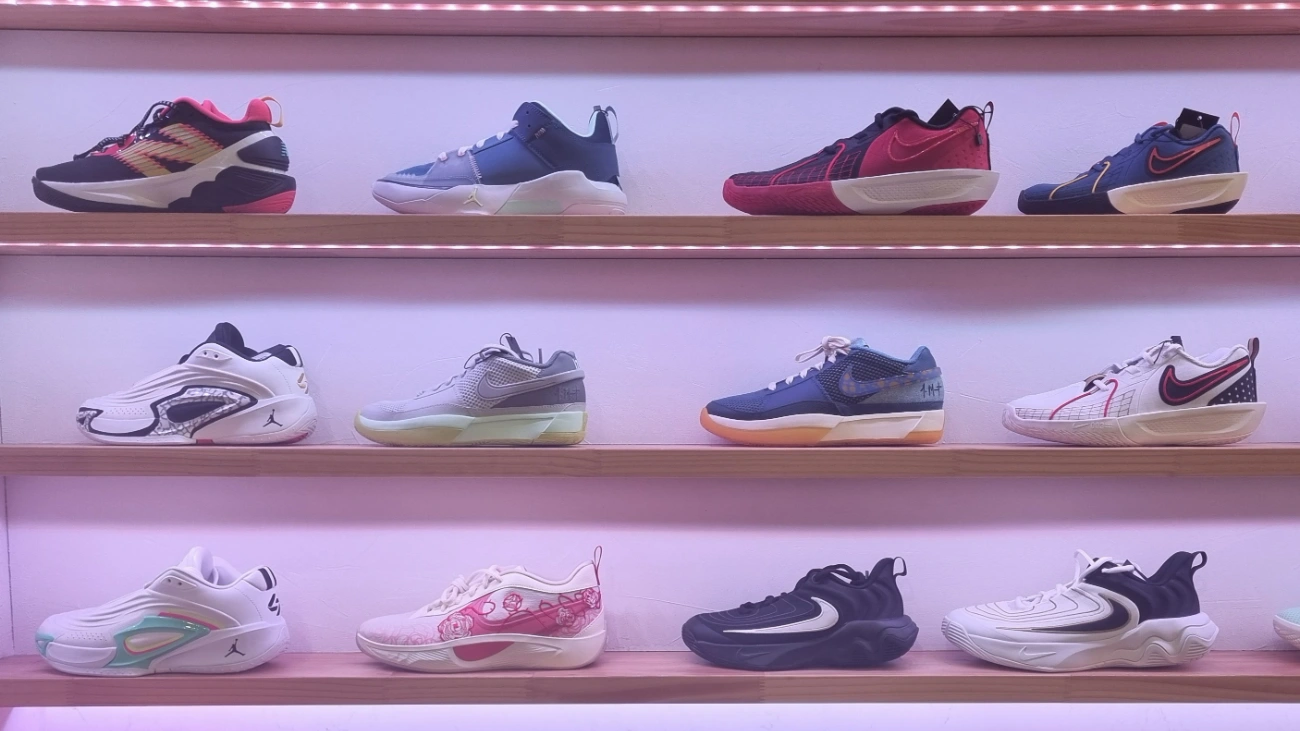
Sneaker collaborations extended those connections, linking brands with athletes, artists, designers, musicians, stores, characters, and communities. A good collaboration matters for more than having two logos; it can reinterpret a familiar story from a different perspective.
The Internet Transformed Sneaker Culture
For a long time, sneaker knowledge circulated through stores, conversations, magazines, catalogs, phone calls, meetups, and local scenes. The internet did not create the interest, but it changed its speed and reach. Forums and blogs made it possible to compare photos and stories; social media turned every release into a visual conversation; e-commerce, apps, and marketplaces brought previously distant markets closer together.
This also changed the public’s role. Sneakerheads do more than receive campaigns: they publish reviews, photograph pairs, document collections, discuss authenticity, recover forgotten stories, and offer new interpretations. A study of sneaker fandom as participatory culture describes precisely this creative community, where knowledge and expression circulate among participants themselves.
The change brought benefits and tensions. Information became easier to find, but noise, urgency, FOMO, and the focus on prices also increased. The secondary market grew without turning every sneakerhead into a dealer. Reselling is one part of the ecosystem, not the definition of the culture.
What Has Changed Since I Started in 2007?
When I began participating in sneaker culture in 2007, following this world was a very different experience. The information existed, but it was more scattered. Today, a release photo, a material comparison, or restock news can travel around the world and reach your phone almost instantly.
Apps reorganized releases; raffles replaced some physical lines with digital waiting; marketplaces made prices and availability visible; social media brought collectors, stores, and creators closer. It did not all become better or worse. It became faster, broader, and sometimes louder.
Sneaker Culture in Brazil
Brazil’s history cannot be reduced to a direct copy of what happened in the United States. In Brazil, basketball, hip-hop, skateboarding, fashion, retail, travel, imports, blogs, events, stores, and social media all contributed to a gradual development. Access has always varied by city, price, distribution, and connections with local communities.
There is no solid basis for naming “the first Brazilian sneakerhead” or assigning the scene a single birth date. It is more accurate to see layers: people connected with sneakers through music, sports, and style before the English word became popular; later, the vocabulary, releases, and digital communities made that sense of belonging more visible.
Maurício Gomes de Faria’s thesis Mediatized Consumption Rituals in Sneaker Culture (University of São Paulo, 2025) analyzed 27 TikTok posts about Nike, New Balance, and adidas sneakers valued on the resale market. The study examines how consumers participate in brand communication through videos that display products, share information, and entertain. It is a sample of that content production, not a portrait of every Brazilian sneakerhead.
Discussing sneaker culture in Brazil also means acknowledging cost and availability. Passion does not have to be measured in imports, collaborations, or resale prices. A GR bought on sale, a runner chosen for comfort, or a classic worn until it wears out can have a story just as real as a limited release.
Are Sneakerheads, Collectors, Resellers, and Hypebeasts the Same Thing?
Sneakerhead
Someone who identifies with sneakers and aspects of the culture around them. They may wear, study, collect, customize, photograph, or follow performance and design. There is no minimum number of pairs.
Collector
Someone who gathers objects according to a particular interest or criterion. A sneaker collector can be a sneakerhead, but collecting is one practice, not the only way to participate in the culture. Collections can include worn pairs, vintage sneakers, samples, performance models, GRs, or shoes without boxes; there is no single “correct” collection.
Reseller
Someone who resells products. They may know and love sneakers or view them primarily as merchandise. A sneakerhead can resell a pair, and a reseller can be a sneakerhead, but the words are not synonymous.
Buying in the hope of appreciation does not make someone a sneakerhead or guarantee a return. Sneakers have their own costs, physical condition, trends, and liquidity; automatically treating them as traditional investments reduces the culture to too narrow a frame and can lead to poor decisions.
Hypebeast
The term is often used for someone strongly driven by hype, trends, and exclusivity. Depending on the conversation, it can be descriptive, ironic, or derogatory. The boundaries are subjective: liking a popular release does not erase knowledge, just as rejecting all hype does not confer cultural superiority.
The Role of the Sneakerhead Community
The culture thrives because people talk. Release information might start in a store; an old pair might be identified in a group; a colorway’s history might be corrected by someone who saved a catalog. These exchanges help preserve references and correct information.
Forums, blogs, social media, and events expanded that exchange. They also brought disputes, gatekeeping, and pressure to spend. Participating thoughtfully means sharing knowledge, respecting different experiences, and keeping a critical eye on rumors, prices, and marketing narratives.
Our guide to the sneakerhead community explores how these relationships work online and off-screen.
Why Do People Love Sneakers So Much?
There is no single answer. A model might remind someone of an athlete or a song; another person might appreciate its design solution. Some people love materials, some seek comfort, some associate a pair with a stage of life, and some simply think a color combination looks great, which is a perfectly valid reason.

Memory, nostalgia, identity, the pleasure of research, and the desire to complete a selection can all play a role in collecting. That does not mean diagnosing every buyer or romanticizing excessive consumption. Those motivations can differ even within one person’s collection.
How to Get Into Sneaker Culture Without Buying Everything
Start with whatever sparked your curiosity. It might be a silhouette, an athlete, a technology, a music scene, a decade, or a sport. There is no obligation to begin with an “official classic,” much less to buy something on day one.
- Research one story at a time: discovering why a model exists is often more interesting than memorizing lists.
- Look closely at the shoe: materials, panels, the outsole, and proportions show how it was designed. Our sneaker anatomy guide helps name those parts.
- Listen to different sources: brand archives are useful, but accounts from athletes, musicians, skateboarders, designers, stores, and communities fill out the story.
- Join in and ask questions: nobody was born knowing every retro, colorway, or material.
- Buy within your means: fear of missing a release should not set your budget.
- Develop your own taste: hype might introduce you to a pair, but it does not have to choose for you.
For a broader historical view, continue with our sneaker history and culture guide.