
Sneaker Buying Guide: Stores, Sizing, Resale, and Safer Shopping
How to Use This Guide
A good sneaker purchase brings together the right pair, a size that works for your feet, a trustworthy seller, and a total cost that fits your budget. Start with official stores, resale and marketplaces, or shopping on a trip, then work through the checks before and after payment.
Before comparing offers, check sizing and fit. Then add up the delivered cost, especially for cross-border orders, and read the exchange and return terms. Inventory, shipping, and protection depend on the product, destination, and order type.
Contents
- How to Use This Guide
- Official Brand Stores
- Online Stores by Shopping Goal
- Apps and Marketplaces
- Physical Stores by City
- How to Choose the Right Sneaker
- Sizing and Fit
- How to Buy Sneakers Safely Online
- Limited Sneakers, Drops, and Releases
- Buying Sneakers From Overseas
- How to Save Money on Sneakers
- Shopping for Sneakers at Outlets
- Buying Used Sneakers
- Sneaker Resale
- How to Assess Sneaker Authenticity
- Payment Methods for Sneaker Purchases
- Warranties, Exchanges, and Returns
- Precautions When Buying on Marketplaces
- Hard-to-Get Releases and Buying Decisions
- What to Read Next
Official Brand Stores
An official store is a useful starting point for authentic sneakers: you can check product specifications and buy through the brand’s own operation. That is particularly helpful when two similar-looking versions use different materials or technologies.
An official channel makes it easier to identify the company responsible and find product information, customer support, and policies. It does not guarantee the complete catalog, early access, or stock in every size: assortments change by region and release.
Nike
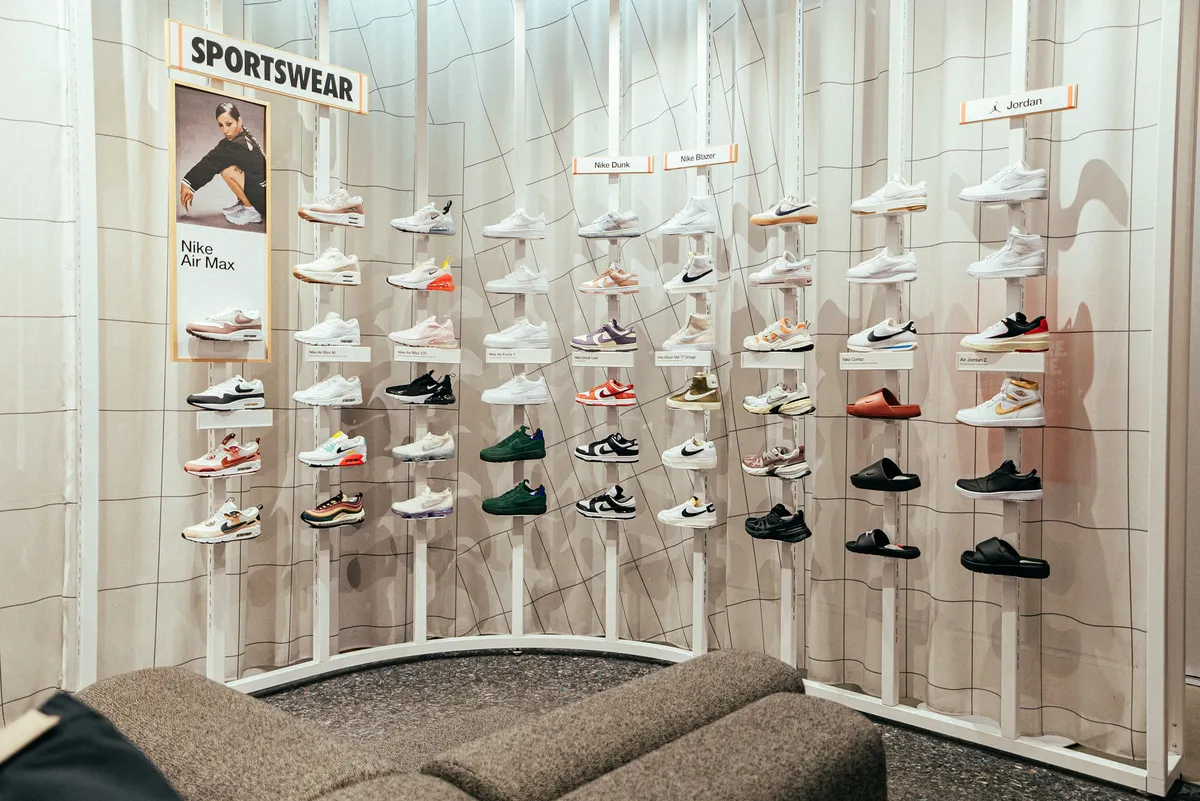
Nike sells performance models and casual families such as the Air Force 1, Air Max, and Dunk, along with Jordan products. Check the version and regional operation you are using; a release available in one country may not appear in another country’s catalog.
Nike uses SNKRS in supported markets to announce and manage selected releases. Access depends on the edition and region; using the app does not guarantee a pair.
Another important advantage is the depth of technical information. Details about Zoom Air, React, Air Max, and ZoomX are often available, making it easier to understand differences between models that appear similar.
adidas
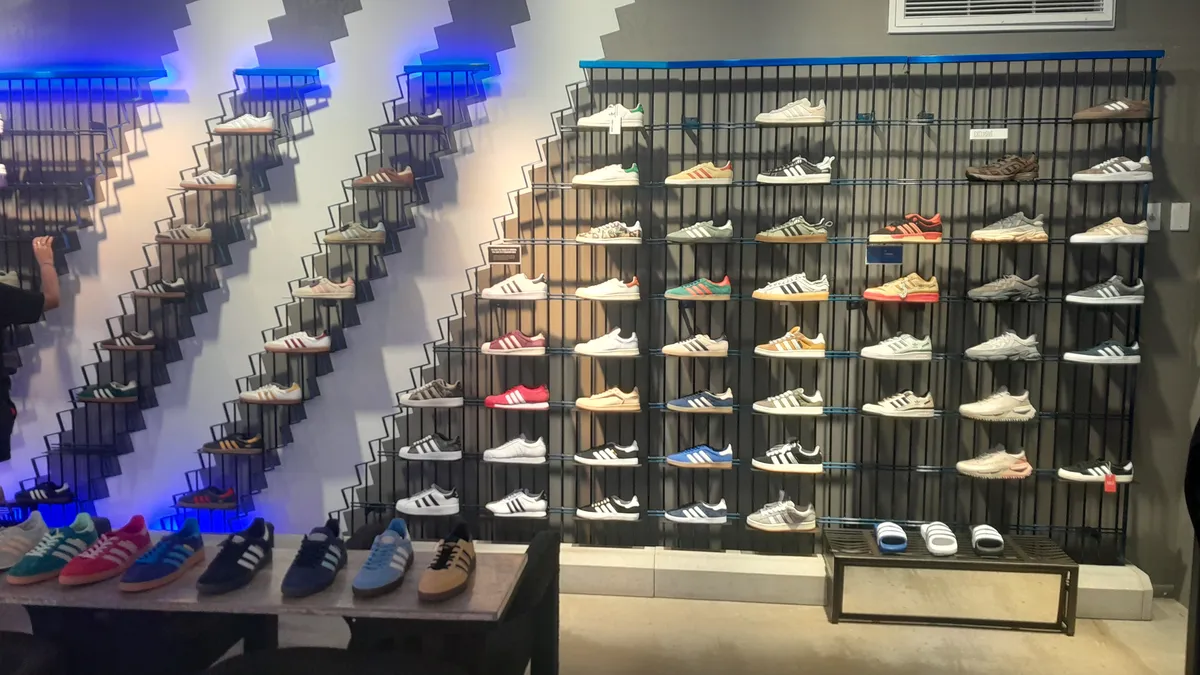
adidas brings together performance lines, casual models, and collaborations. The Superstar, Campus, Samba, Gazelle, Ultraboost, and Adizero serve different purposes; compare the specifications of the edition you want, without assuming every release appears online first.
For Boost and Light Boost models, compare the version, midsole construction, and stated purpose. Official descriptions help identify components; comfort needs to be judged through the whole shoe and how it fits your foot.
Check the available size range, too. Having an official store in your region does not mean it will offer more sizes or a better price than a multi-brand retailer.
New Balance
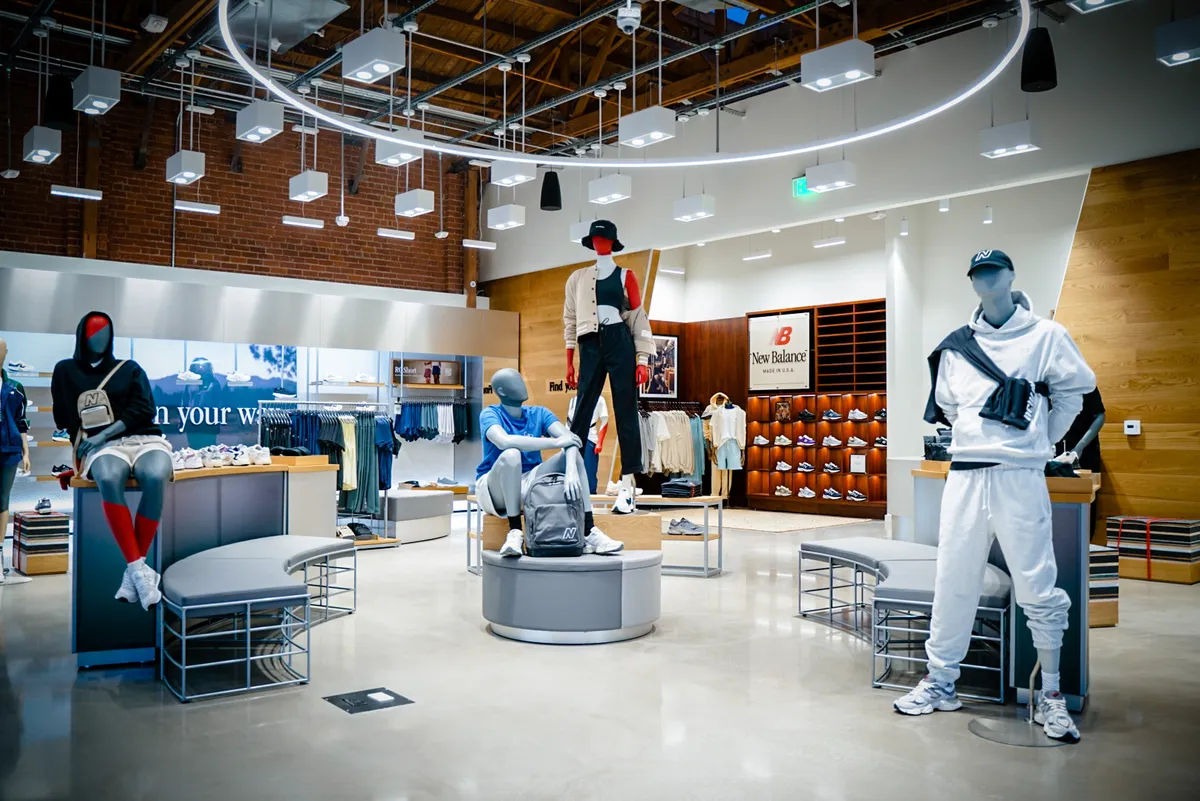
New Balance offers running lines and lifestyle families, including the 530, 9060, 990, 991, 993, and 2002R. Versions, materials, and availability need to be checked individually.
Its catalog distinguishes Made in USA and Made in UK lines and lists version-specific features. Manufacturing country does not replace examining the materials, construction, and intended use.
The catalog also lets you compare applications of Fresh Foam, FuelCell, and ABZORB. Read the complete model’s construction: a foam family alone does not determine softness, energy return, or stability.
ASICS
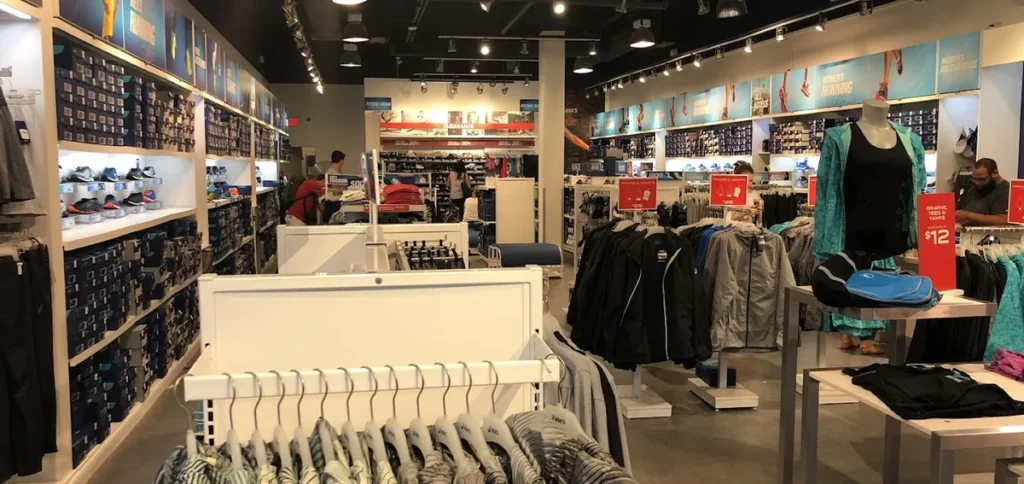
Much of ASICS’ reputation was built in performance running, but its lifestyle silhouettes have also become highly relevant to collectors.
The official catalog spans athlete-focused models and pairs such as the GEL-KAYANO 14, GEL-NYC, GEL-1130, and GT-2160, which have become prominent in the retro-runner trend. Check current stock for the edition and size you want.
Descriptions of GEL, FF BLAST, and FF BLAST PLUS help identify components and versions. Relate that information to the shoe’s purpose, fit, and complete midsole construction when choosing a pair.
PUMA, Converse, Vans, and Other Brands
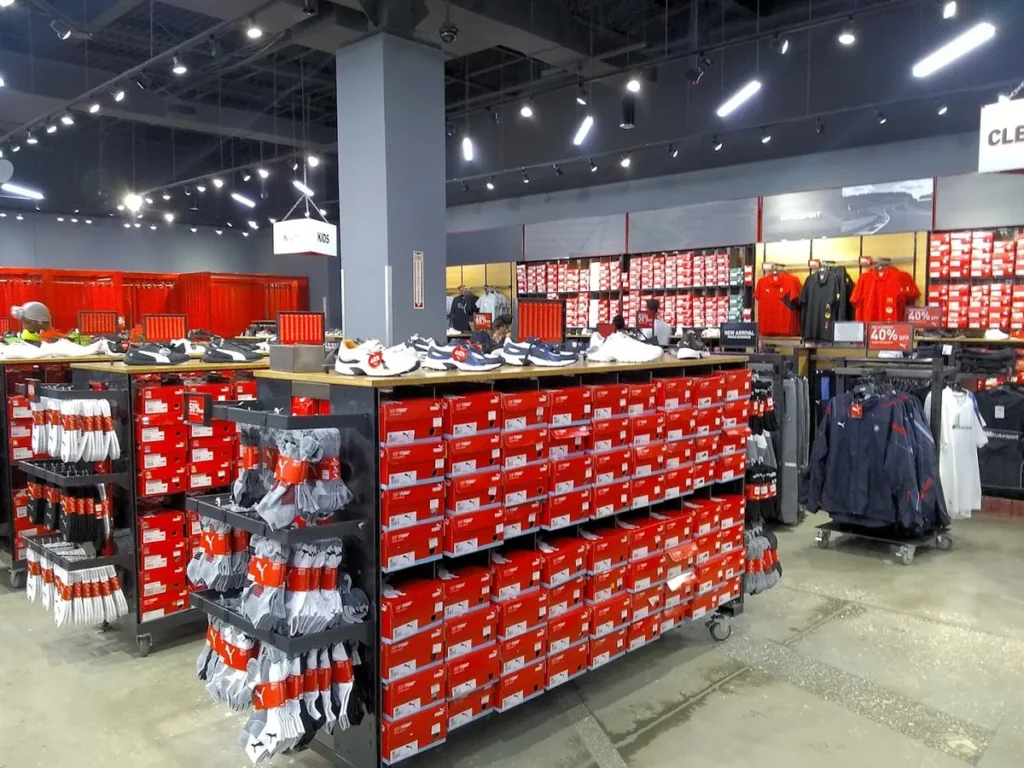
Other established brands also maintain extensive official stores.
PUMA’s range extends from historical classics such as the Suede to lines developed with contemporary athletes and designers.
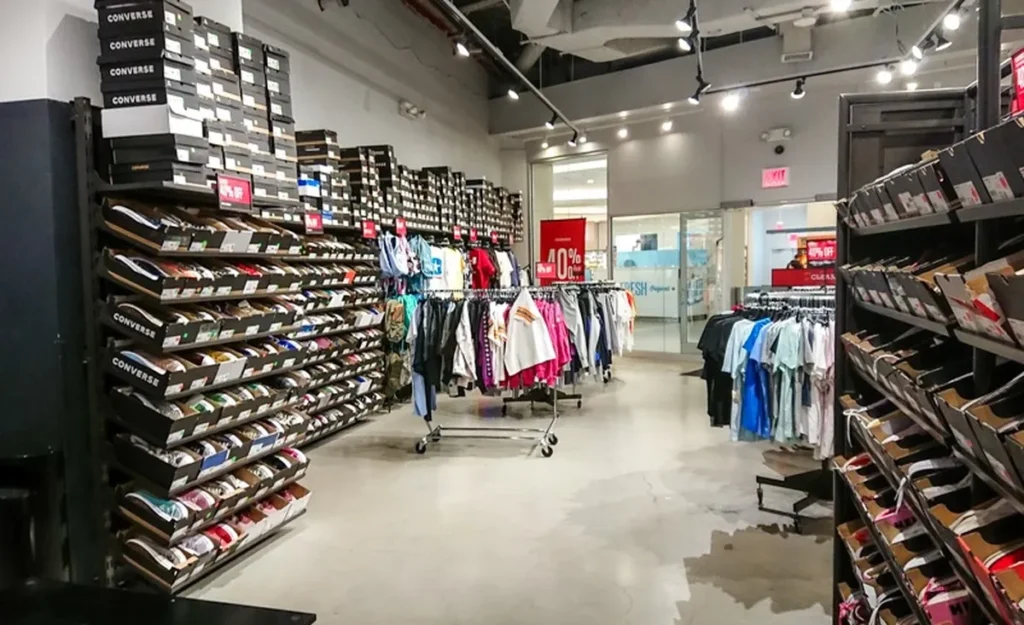
Converse offers Chuck Taylor All Star, Weapon, and collaborative products according to the regional catalog. Check sizing, construction, and release conditions rather than assuming a collaboration will be available or sell out quickly.
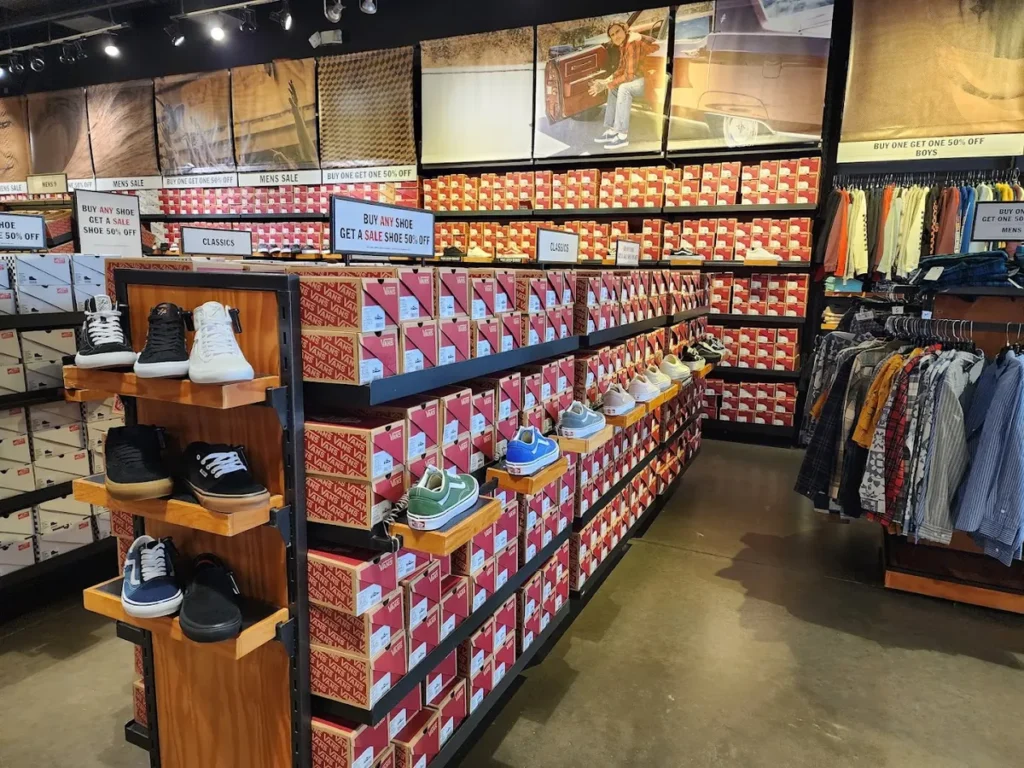
Vans remains a major option for skating and casual wear, offering different constructions of the Old Skool, Authentic, Sk8-Hi, and Knu Skool, along with versions using more recent comfort features, such as ComfyCush in markets where it remains available.
Depending on the brand, you may also find customization options, web-exclusive products, and collections that do not reach conventional retailers.
When Does Buying From the Official Store Make Sense?
In my experience, it always pays to check the official store before completing a purchase, even when I have already found the same model at another retailer. On several occasions, I found only small price differences but worthwhile advantages, such as a fuller size range, an unexpected restock, or colorways that simply did not appear elsewhere.
The official store will not necessarily be cheapest. Multi-brand retailers may run promotions, and a release may have designated sales channels. Compare the same version, final price, and return policy before deciding.
Use the official channel as a reference and compare sellers that can demonstrate where their products come from. Understanding the differences among brand-owned stores, multi-brand retailers, and marketplaces helps establish who is responsible for an offer.
Online Stores by Shopping Goal
To compare online stores, distinguish retail from resale. Retail sells products through a brand’s regular channels; resale brings together secondary-market offers, including new, used, and sold-out pairs. Prices, condition, and protection vary in both cases.
For a U.S. delivery address, start by comparing domestic stores and platforms with international options and their restrictions. Use the final delivered cost, not just the product price, and check whether the seller accepts that exact destination.
Retailers and Boutiques
JD Sports is a sportswear retailer operating in multiple markets. Its catalog, releases, and delivery policy belong to the regional operation you use. For a U.S. order, check the U.S. storefront’s product availability, address eligibility, and checkout terms rather than applying another country’s policy.
Foot Locker combines physical stores and e-commerce for sneakers and sporting goods. Catalogs and rules vary by region. Check the specific U.S. storefront when shopping through Foot Locker, Champs Sports, or Kids Foot Locker, including the available size range and delivery conditions.
Dick’s Sporting Goods has a broad sporting-goods focus, including performance and casual footwear. Confirm the particular offer and delivery destination before treating an advertised U.S. price as your final cost.
In Central Europe, Footshop has developed a following by bringing sneakers, streetwear, and performance together in one catalog. Its selection includes classics and releases from brands such as adidas, Nike, ASICS, New Balance, Salomon, and Mizuno, with shipping to various countries and a contemporary product mix. Check item-specific eligibility for your address.
Asphaltgold is a German boutique carrying sneakers and clothing. Check which brands and products can be shipped to the address on your order; an item’s presence in the catalog does not establish international shipping availability.
Footdistrict is a Spanish sneaker and fashion retailer. Compare its selection and the offer’s terms; restrictions by brand, destination, and release can change whether a purchase is possible.
BSTN combines basketball, sneakers, and streetwear. Access to a release depends on that edition’s rules; informal distribution labels such as “Tier 0” should not be treated as guarantees of access to any limited pair.
END. carries sneakers and fashion. Its launch area may use registrations and drawings; read eligibility and payment rules before entering. When comparing international retailers, distinguish physical locations from online channels and check the destination-specific terms.
Also part of the JD Sports group, size? maintains its own identity and speaks directly to sneaker enthusiasts. It became known for exclusive collaborations and special versions of classic models that rarely appear at other retailers.
Kith sells products from multiple brands, its own line, and collaborations. Certain brands and editions have international shipping restrictions. A boutique’s reputation is not proof that a particular item can be delivered to your address; check the regional storefront and offer.
Specialist Resale Platforms
Not every sneaker remains available after launch. When a model sells out at official stores, companies specializing in the secondary market offer another route.
Stadium Goods accepts products on consignment and says it verifies them before sale. Compare the model, size, condition, and return terms; an inspection process does not mean zero risk.
Flight Club works in resale and consignment. Check the product’s route and advertised condition in the listing; do not assume every online item is displayed in a physical store.
Retail does not mean identical prices in every country, and resale does not mean prices always exceed retail. Compare the same version and condition, then add the order’s charges. A price check helps distinguish asking prices from completed sales.
Apps and Marketplaces
Apps and marketplaces let you follow releases and compare offers. Your choice should consider each service’s role: selling products, connecting sellers, verifying items, and providing post-delivery protection are different functions.
StockX: Offers and Listing Types
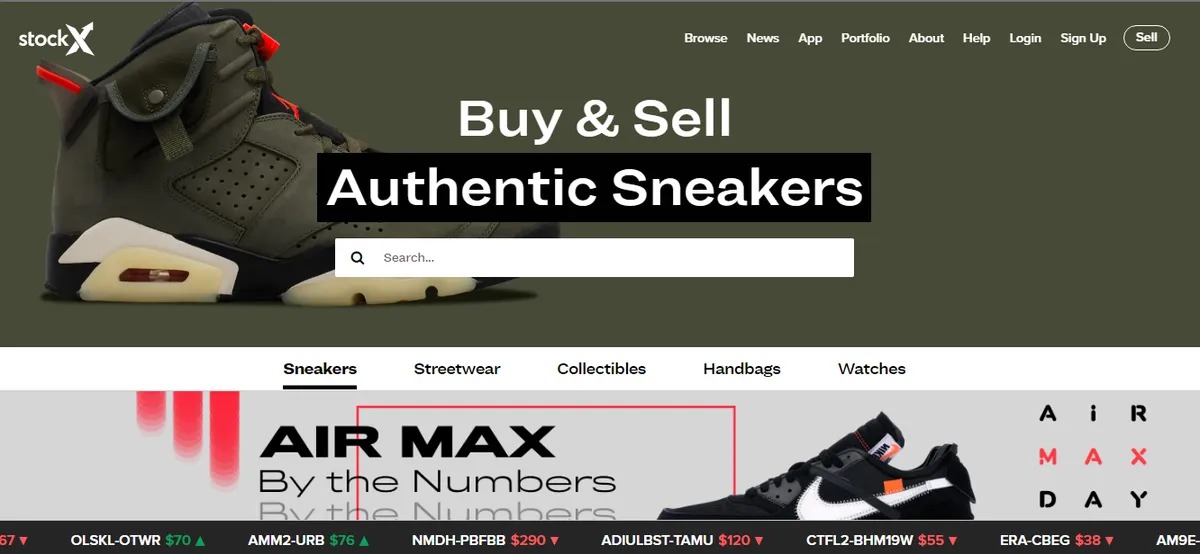
On StockX, sellers post asking prices and buyers can accept an available offer or place a bid. The process and protection depend on the listing type; a resale price should not be treated as investment advice.
The Verified Marketplace focuses on new items; the Listings Marketplace allows used and one-of-a-kind items and may involve direct shipping or optional verification. Review the differences in our StockX buying guide before comparing two offers.
GOAT
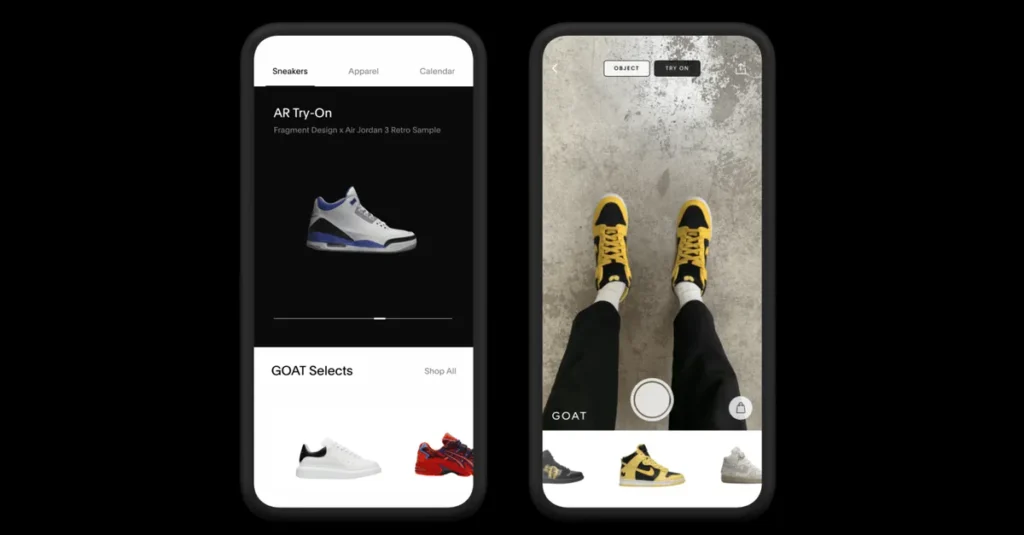
GOAT offers new, new-without-box, and used items, depending on the listing. It uses different verification methods, and some routes involve selected partners; not every product undergoes the same physical inspection. Our GOAT guide for U.S. buyers explains condition, costs, and protection.
Flight Club

Flight Club is part of GOAT Group and works with sneaker consignment. Consult the listing and applicable policies: the online catalog, stock displayed in stores, and delivery options are not equivalent.
Stadium Goods
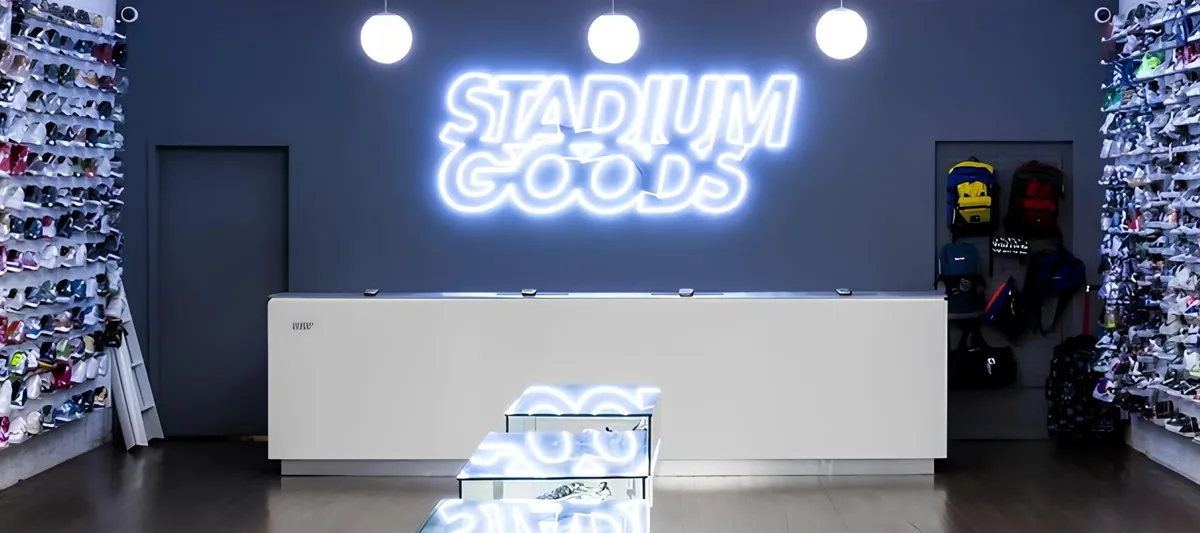
Stadium Goods works with consignment and says it verifies products. Before choosing, check the item’s condition, return-request deadline, return costs, and refund method; inspection should not be treated as infallible.
Regionally Focused Marketplaces
Although StockX and GOAT are global names, several platforms have gained particular importance in specific markets.
KLEKT is another sneaker buying and selling platform. Its current terms include a U.S.-resident addendum and U.S. sales tax at checkout, but those terms do not prove every item can ship to every U.S. address. Check the destination, route, and return conditions for the order; do not assume European withdrawal rights apply to a U.S. purchase. The comparison of StockX, GOAT, Grailed, and KLEKT separates these differences.
POIZON offers e-commerce and online authentication services. Image assessment and order verification are different processes; consult the policy for the service you use. A catalog does not establish delivery to every country.
Novelship offers sneakers, clothing, and collectibles and says it verifies products sold through the platform. Check the order terms and destination eligibility; not every offer is necessarily available for delivery to the United States.
Laced operates an online sneaker and clothing marketplace through a U.K.-based company. Before comparing an offer, read the item’s condition, delivery service, and policy applicable to your destination.
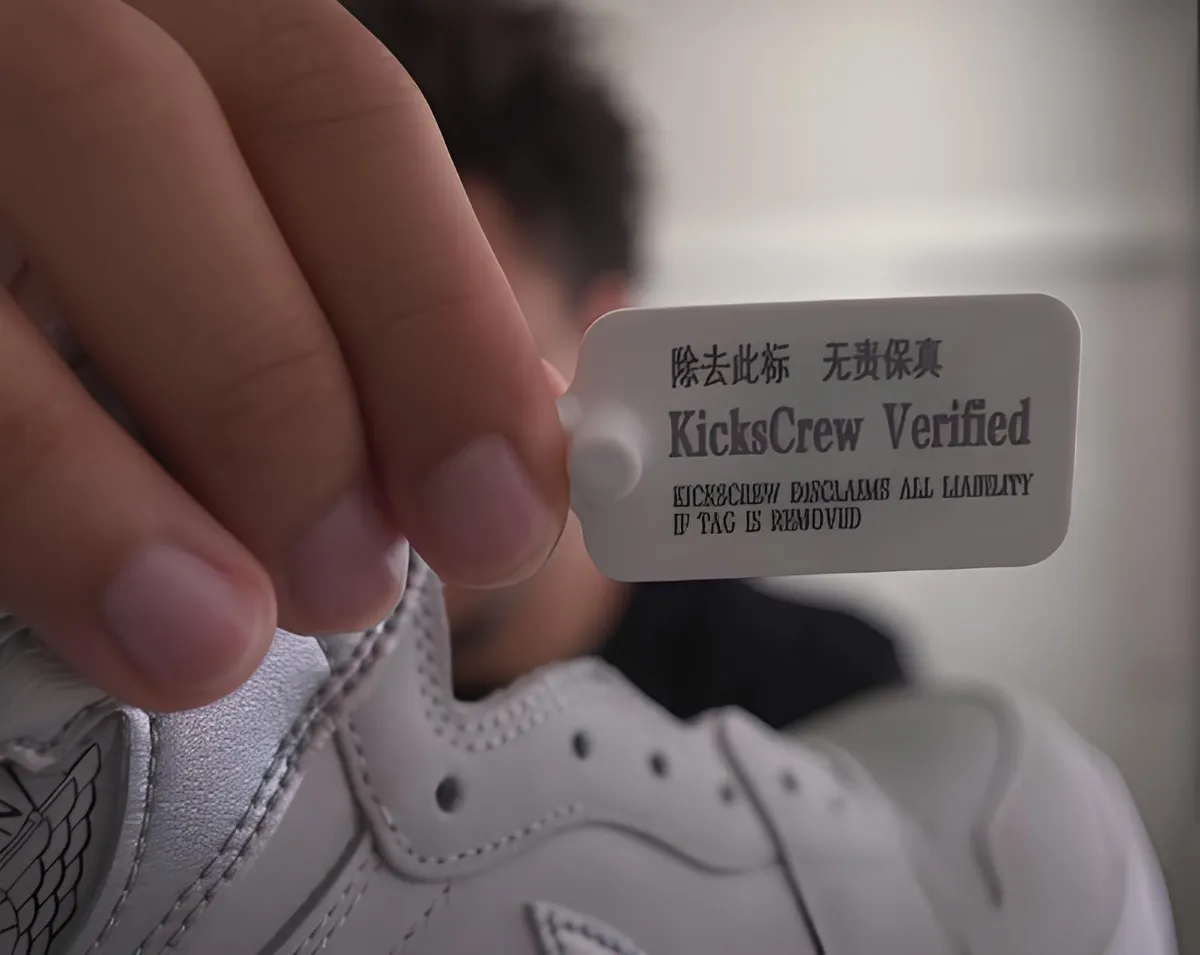
KICKS CREW works with sourcing partners and says it inspects products before shipping. Fees, cancellation, returns, and taxes require separate attention; a broad catalog does not mean every order has the same costs or protection.
eBay and Grailed
eBay purchases involve different sellers and listings. Its sneaker Authenticity Guarantee depends on eligible items and shipping routes. For U.S. purchases, look for the Authenticity Guarantee badge on the specific listing and confirm that it remains eligible for your delivery address; the program does not cover every sneaker sold on eBay.
Grailed is a fashion and sneaker marketplace with individual listings. Photos of the actual pair, its description, and the seller’s history matter; digital verification of a listing should not be confused with physical inspection of every product.
High prices and rarity do not prove authenticity or make a purchase good value. Compare condition, documentation, costs, and protection rules. The comparison between StockX and GOAT is useful when the same model appears on both platforms.
Physical Stores by City
City guides help you choose neighborhoods and store types before a trip. An official flagship, an outlet, a boutique, and a resale business serve different goals. Confirm the address, operating status, and availability with the location before traveling there.
The photos below record stores and visits at particular points in time. Use the linked guides to research current locations and status; a storefront appearing in a carousel does not establish today’s operating status, inventory, or services.
New York: Neighborhoods and Store Types
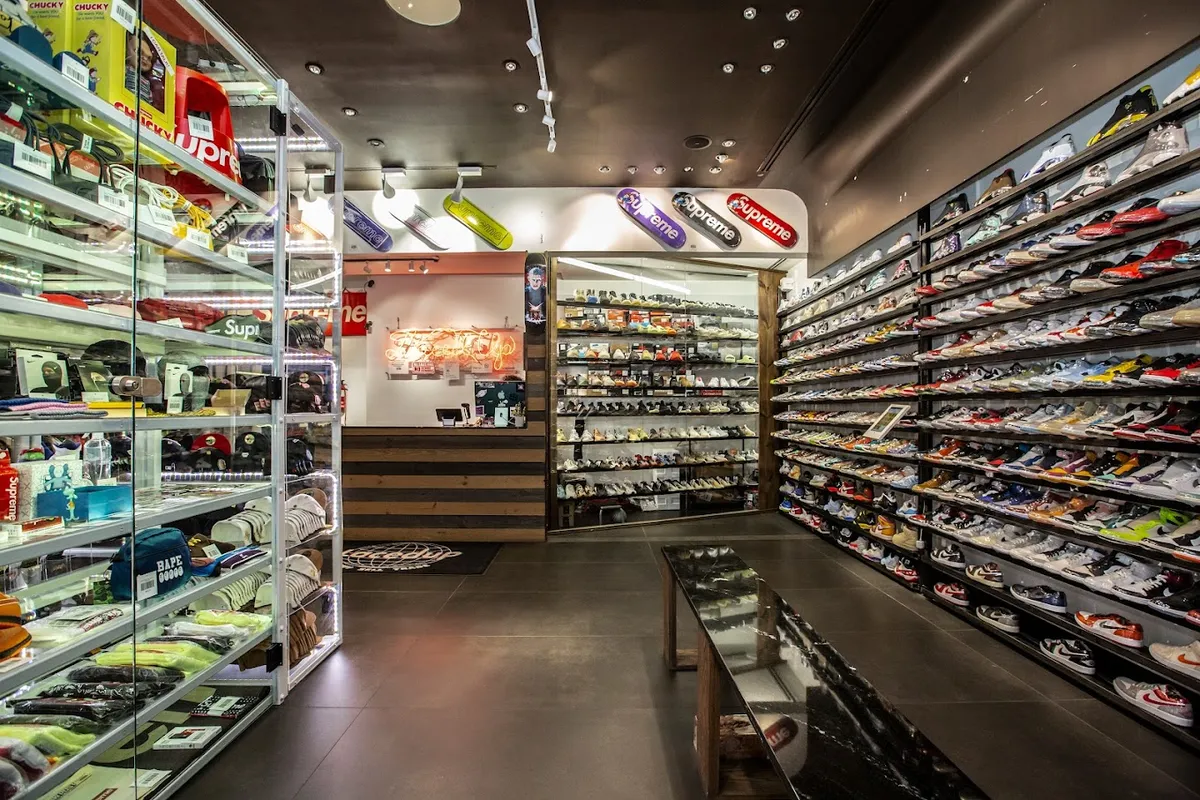
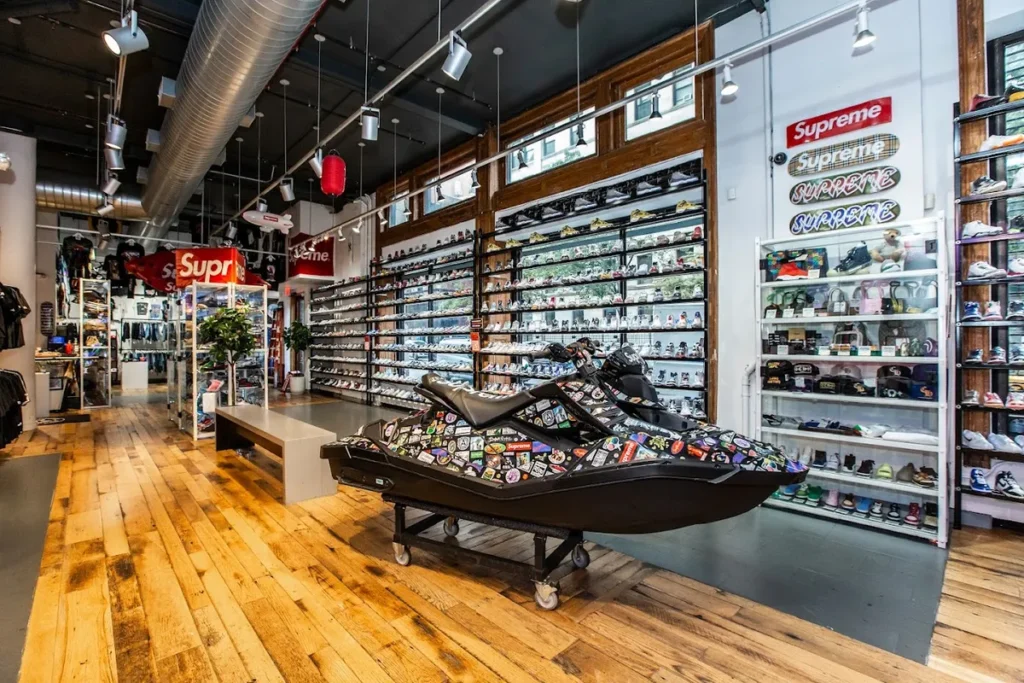
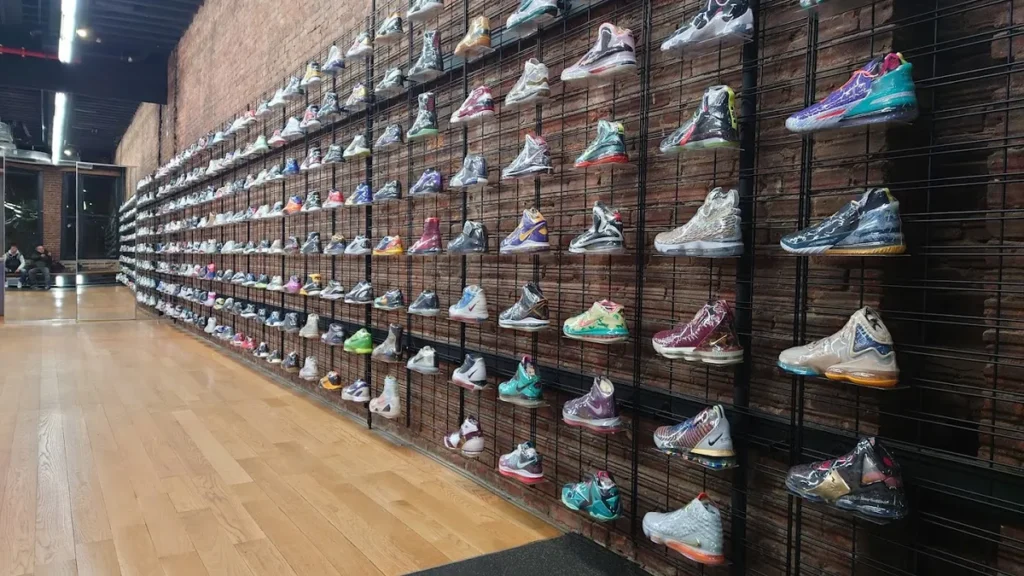
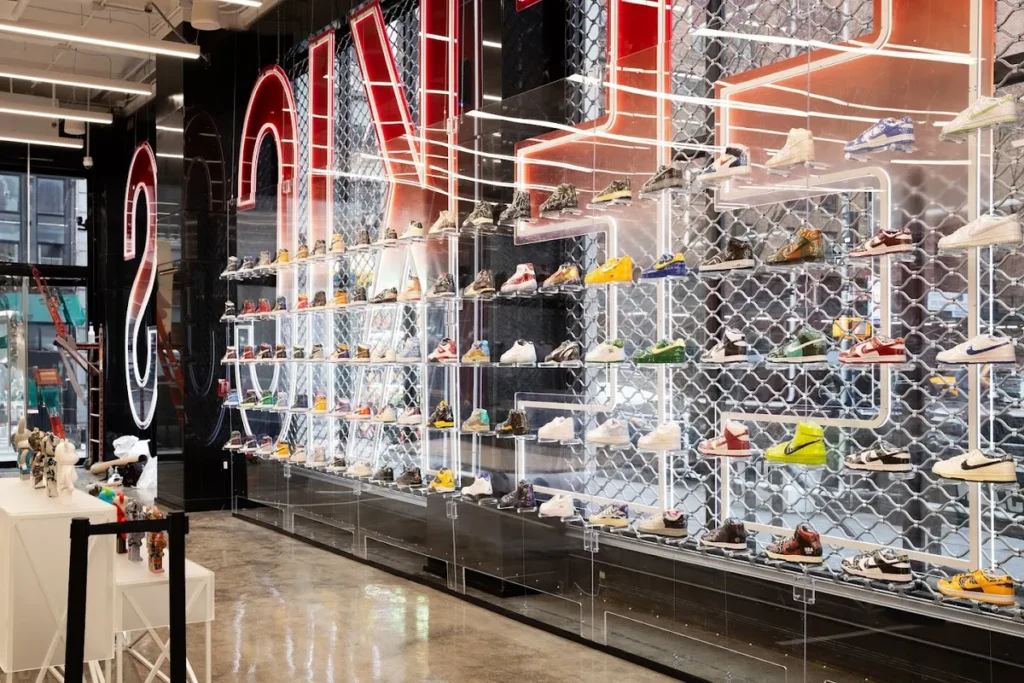
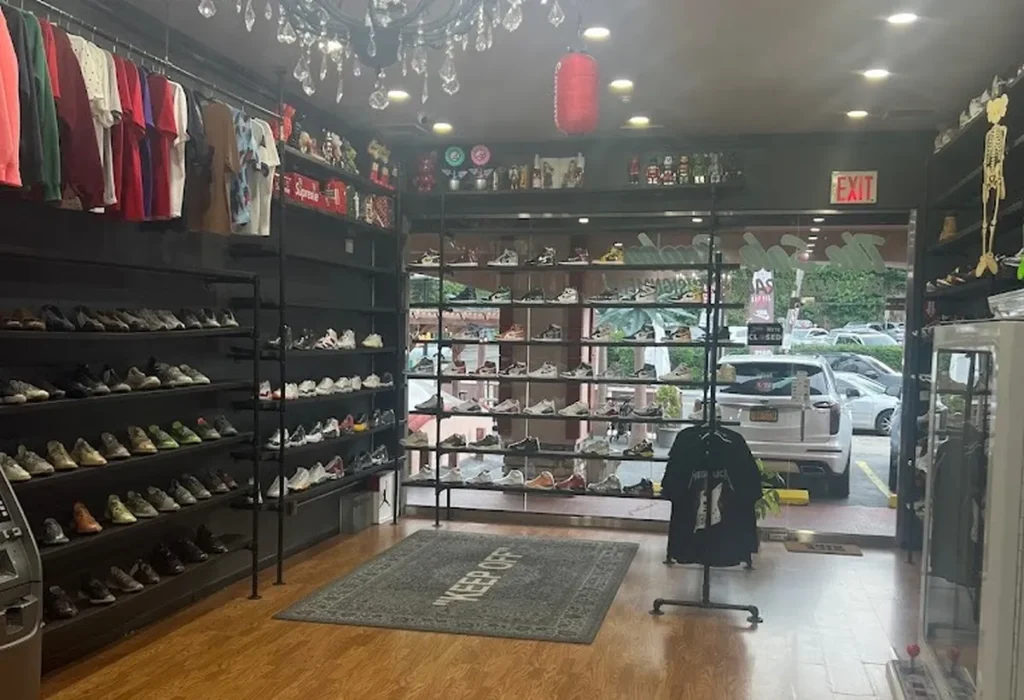
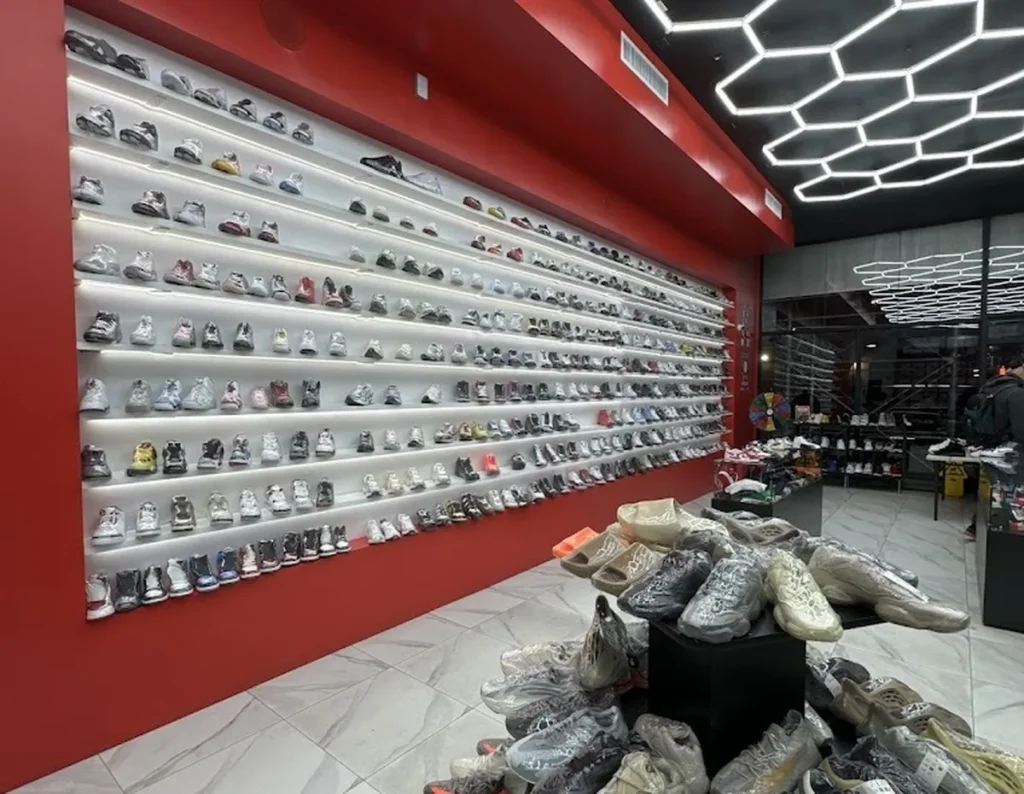
SoHo, NoHo, and other parts of Manhattan bring together brands, boutiques, and resale. Use current addresses to plan your route: appearing in the same city guide does not mean all stores are in one neighborhood.
Nike House of Innovation is an official retail option; Flight Club and YankeeKicks have a different focus, centered on resale. Check inventory and services through the location’s own channel rather than inferring them from its store type.
In Lower Manhattan, especially around SoHo and NoHo, temporary activations may also accompany major releases, fashion weeks, and events associated with urban culture.
The New York sneaker store guide provides the overview. For more focused routes, see Manhattan, Brooklyn, Queens, the Bronx, and Harlem and East Harlem. Harlem is part of Manhattan, not a separate borough.
Los Angeles: Where Fashion, Sports, and Culture Meet
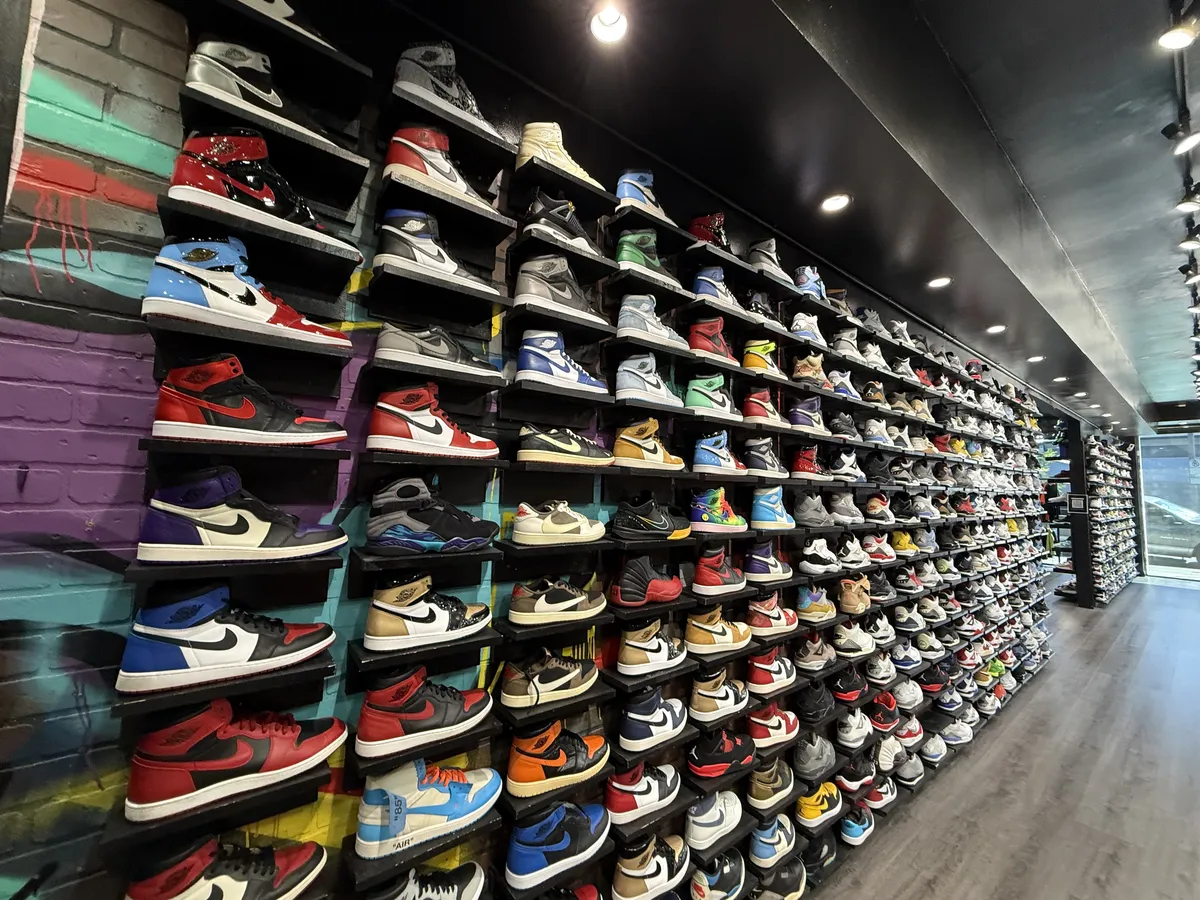
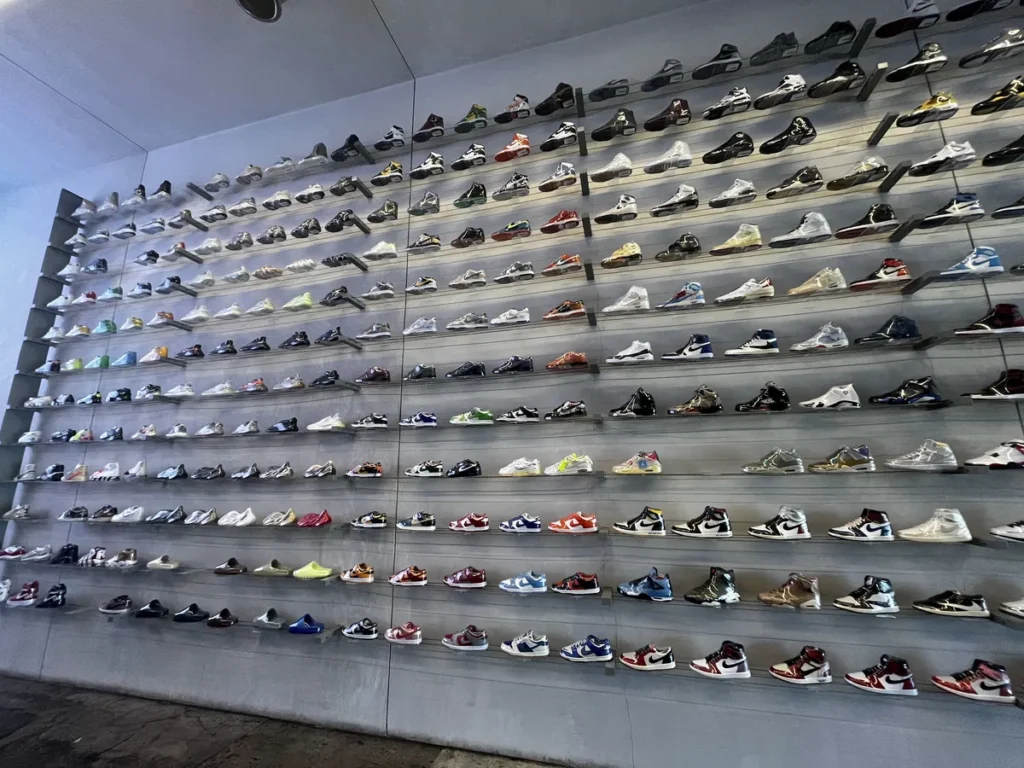
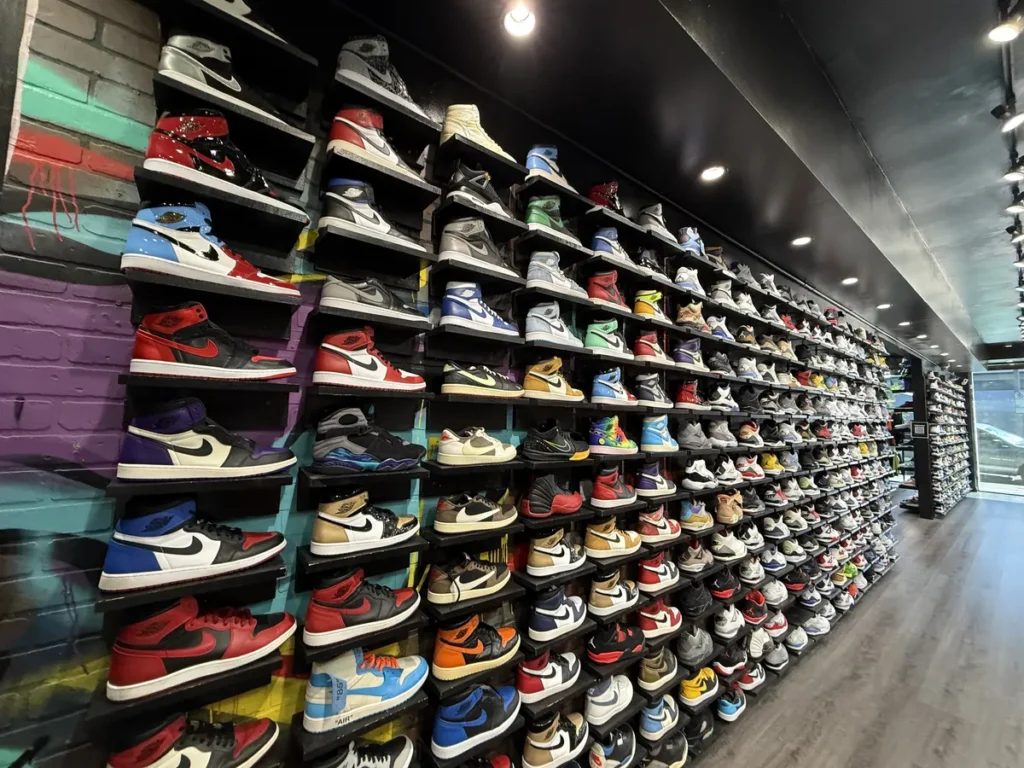
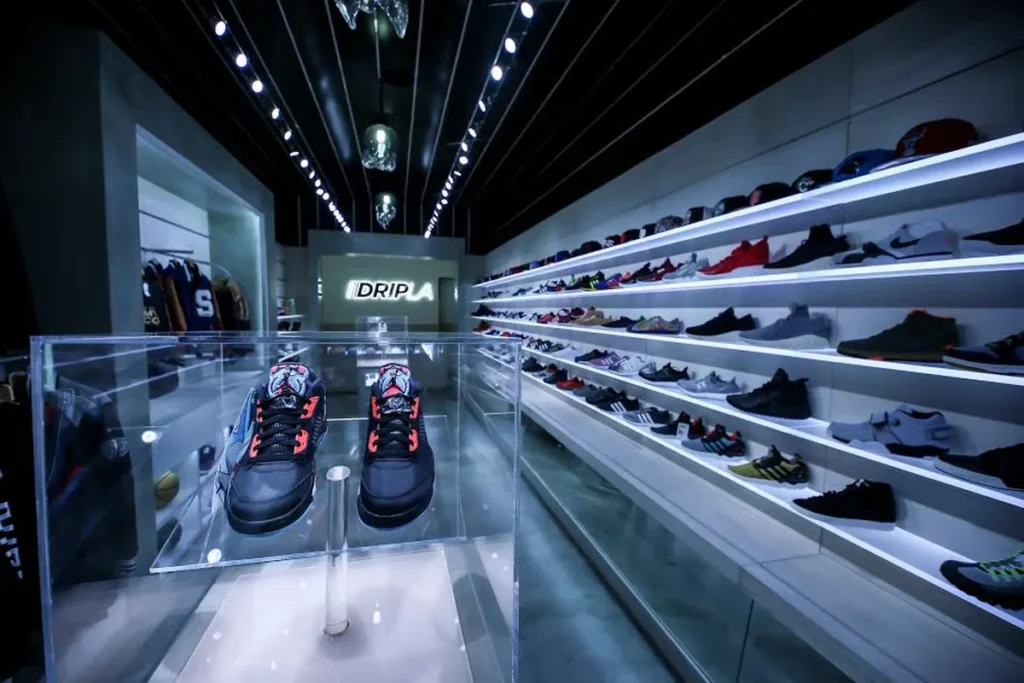
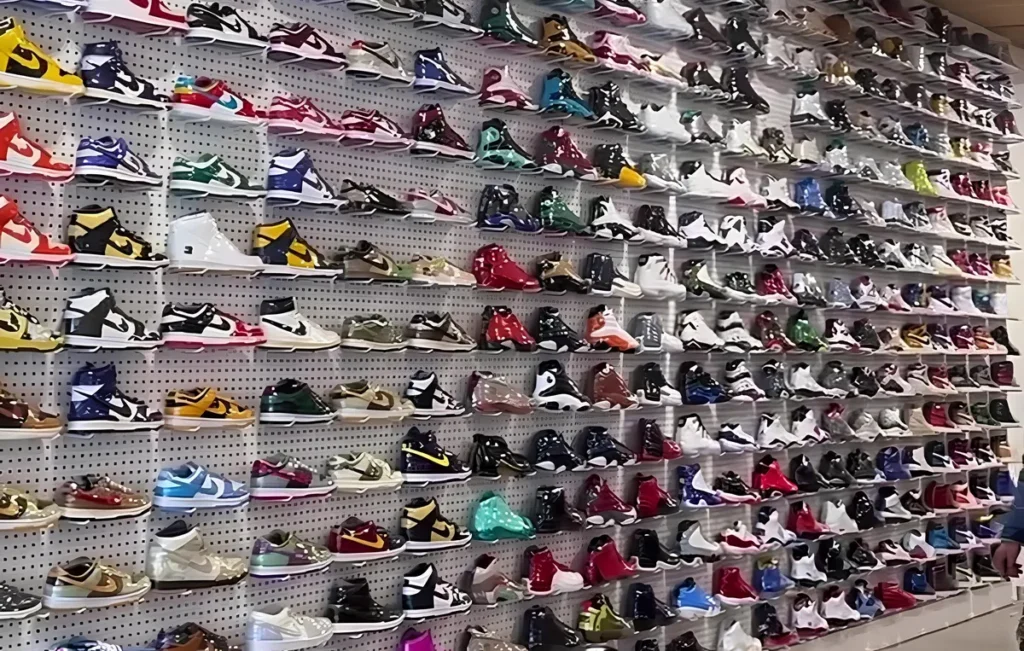
The city brings basketball, skating, surfing, and fashion together in a scene reflected directly in its stores.
Kith West Hollywood and Flight Club Los Angeles have distinct approaches: retail and branded collections in one case, resale in the other. Check current selections and services before planning the route.
Nice Kicks LA also appears in the city’s guide. Check the store’s own channel if a particular product or event is the reason for your visit.
The areas around Fairfax, Melrose Avenue, and West Hollywood offer a notable concentration of boutiques, concept stores, and pop-ups associated with sneakers and streetwear.
Consult the Los Angeles sneaker store guide to organize neighborhoods and compare available shopping channels.
Chicago: A Basketball Tradition
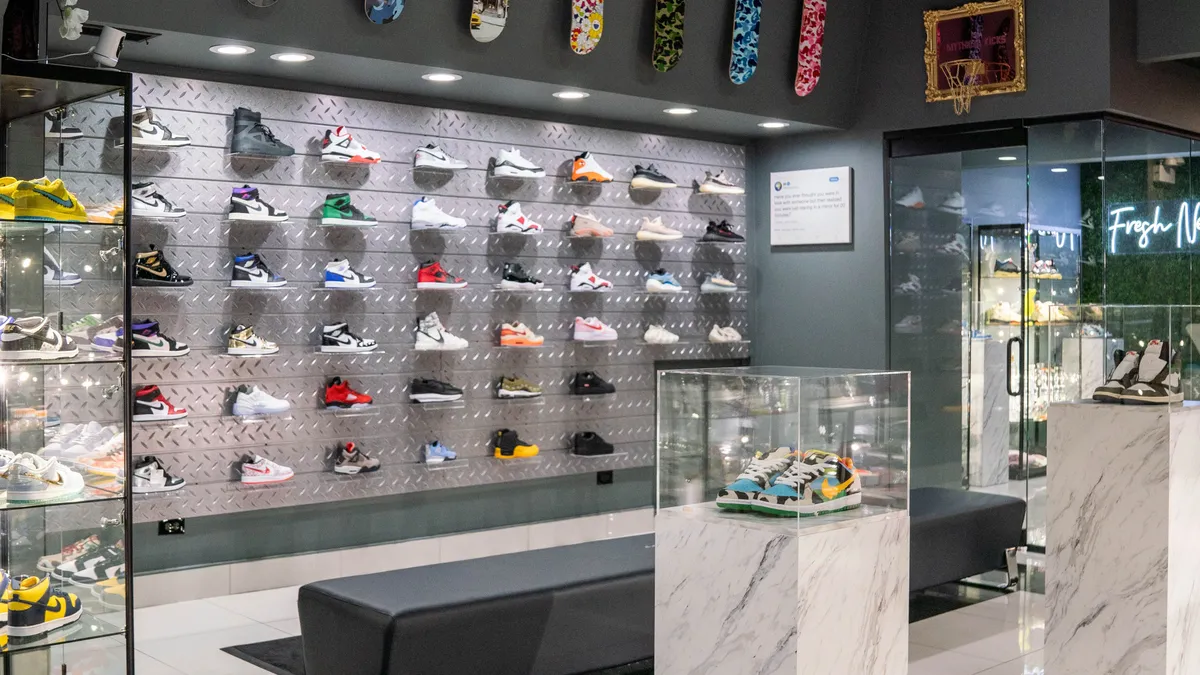
Chicago holds a special place in sneaker history through its lasting connection with Michael Jordan.
In Chicago, compare official stores, multi-brand retailers, and boutiques according to the neighborhood and your shopping goal. Do not assume Jordan inventory or special activities simply because the city is associated with basketball.
Notre is one of the boutiques included in the Chicago guide. The route distinguishes neighborhoods and helps you check addresses before visiting.
Las Vegas: Stores in Shopping Centers
The city’s major shopping centers bring together Nike, adidas, Foot Locker, JD Sports, and various boutiques, serving a large international flow of visitors.
Resale stores with varied inventory are another part of the scene, particularly near the Las Vegas Strip, where collectors from different countries look for distinctive models. Check current locations and stock before making a special trip.
Miami and Orlando: Stores and Outlets
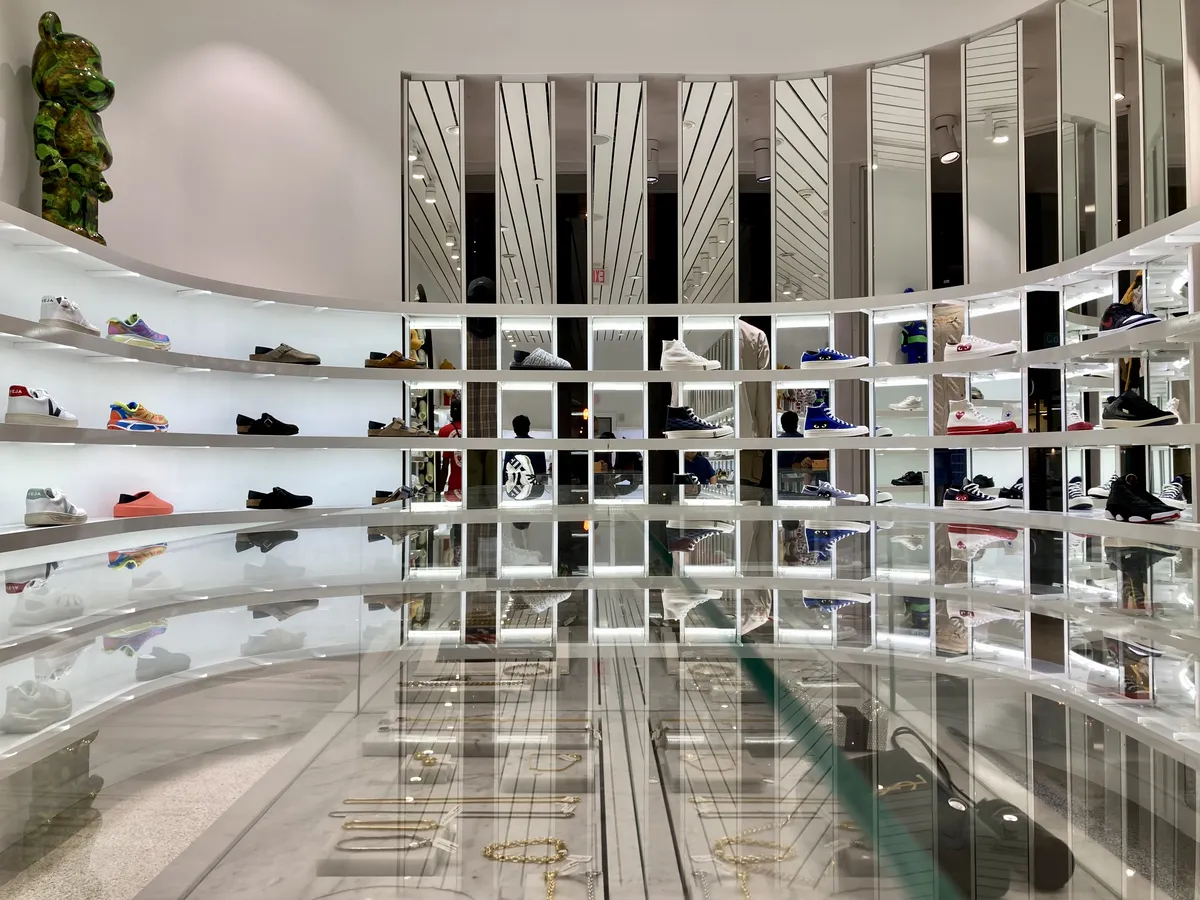
In Miami, the type of shopping and neighborhood you choose determine the route. Allow for travel between Miami, Miami Beach, and other municipalities in the metropolitan area.
Compare store types and addresses in the Miami sneaker store guide.
The area includes major sportswear flagships, Kith locations, specialist boutiques, and shopping centers with varied sneaker selections.
Another attraction is the selection of Nike, adidas, New Balance, ASICS, and Converse outlets across the metropolitan area. Models cannot be predicted in advance, but older-season pairs can appear at worthwhile discounts.
Orlando offers outlets and retailers with different specialties. Compare the version, condition, and final price; an outlet location does not guarantee a discount relative to every offer elsewhere.
Consult the Orlando store and outlet guide before choosing your route.
Toronto: Retail and Resale
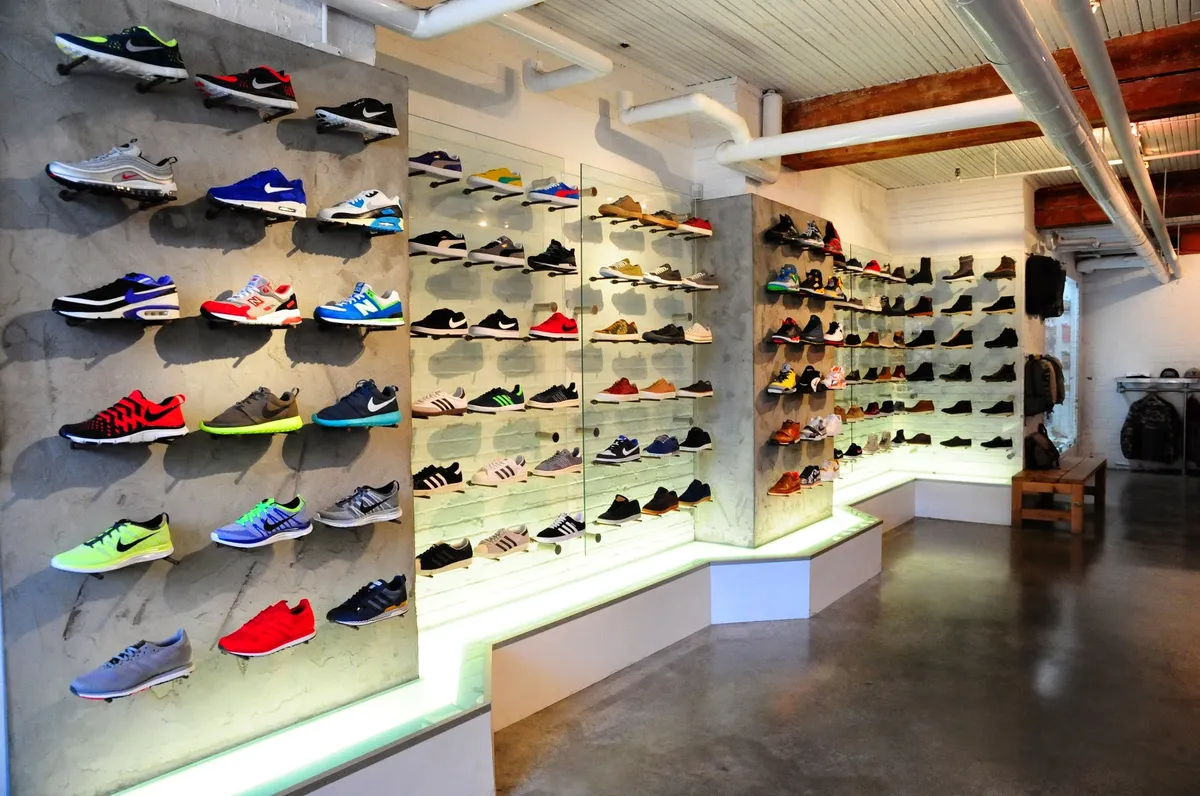
Toronto has a circuit of brand stores, multi-brand retailers, and resale businesses. The local guide lets you compare those approaches without assuming the city is cheaper or offers less competition for releases.
Livestock is part of Toronto’s sneaker-retail history. Use the city guide and the operation’s current channels to check locations, brands, and selection before visiting.
Another name in the city’s sneaker history is Capsule, internationally known for collaborations and participation in highly limited releases. Its past participation does not establish current inventory or operating status.
The city’s retail circuit has also included size?, Foot Locker, JD Sports, and major-brand flagships, offering different ways to explore the Canadian market. Verify each location’s current status as you plan.
Availability and competition for a release vary by product and date. Do not count on finding a size in Toronto simply because it sold out elsewhere.
To choose an area and store type, use the U.S. chain, boutique, and outlet guides and the Toronto shopping route. Transportation, currency conversion, taxes, and potential returns also belong in the plan.
The Toronto store guide distinguishes retail from resale and explains the limits of its address verification.
How to Choose the Right Sneaker
Choosing a sneaker involves more than finding a nice colorway or buying the model everyone is discussing. A good pair needs to suit your lifestyle, provide the comfort you expect, and make sense for its everyday use. That is why two visually similar models can feel completely different on your feet.
Start with the intended use and fit on your foot, rather than assuming the most talked-about model will be best for everyone.
Start by Defining Its Purpose
What Will You Use the Pair For?
For walking or long hours on your feet, assess fit, stability, weight, toe room, and the demands of the environment. A familiar foam does not guarantee lasting comfort or pain prevention. See the criteria for working on your feet and office wear.
For casual outfits, you might prioritize classic silhouettes such as the adidas Samba, Nike Air Force 1, New Balance 990, Converse Chuck Taylor, or Vans Old Skool. In those cases, design often carries more weight than athletic performance.
Collectors form another group. For them, history, collaboration, exclusivity, and cultural value may matter more than comfort or performance.
Understand the Materials
Upper materials directly influence comfort, breathability, durability, and even how a shoe ages.
Leather, mesh, and knitted fabrics have different properties and finishes. Durability, ventilation, and adaptability depend on material quality and model construction, rather than just the name on the specification sheet.
Mesh can promote ventilation, but thickness, lining, and reinforcement also affect warmth and fit. Compare the whole shoe.
Knitted uppers, including some Primeknit and Flyknit constructions, can provide flexibility. That does not mean every version will accommodate every foot shape or make support structures unnecessary.
Suede and nubuck can be sensitive to water, dirt, and certain products. Consult the guide to sneaker anatomy and materials and the care instructions for the version; “premium” is not a universal durability specification.
Cushioning Makes a Difference
Not every foam feels the same.
Some prioritize softness, while others emphasize energy return or stability.
Air, Boost, Fresh Foam, GEL, and other names refer to different constructions, and a family can change from version to version. To understand components and limitations, consult Sneaker Lab and the model’s specifications, rather than inferring softness, stability, or response from a name alone.
In practice, no technology is universally best. What matters is which one makes sense for how you plan to use the sneaker.
Pay Attention to Fit and Shape
One common question is: should I buy the same size in every brand?
Do not assume the fit is equivalent just because the number matches.
Manufacturers use different lasts, and even models from the same brand can fit differently. A Nike Dunk generally fits differently from an Air Max 95, just as a New Balance 990 offers a different experience from a 550.
I always check the brand’s sizing guide and, when possible, look for reviews from people who bought that exact model. That small amount of research often avoids unnecessary exchanges, especially with international purchases.
The Latest Release Is Not Always the Best Buy
The sneaker market thrives on newness, but the latest model is not automatically superior.
Many silhouettes released decades ago remain relevant because of their combination of comfort, design, and versatility. The Air Force 1, Stan Smith, 990, GEL-KAYANO, Chuck Taylor, and Superstar are examples of models that have remained part of the conversation across generations.
At the same time, newer lines incorporate lighter foams, recycled materials, and more advanced manufacturing methods. The goal is to balance innovation with what actually meets your needs.
Research Before Buying
I always compare prices across authorized retailers, check return policies, and look for any history of fit differences. I also watch video reviews and read detailed assessments, especially when considering an expensive sneaker.
If a model has already sold out at retail, resale platforms with verification services can help show how the market is pricing it. In many cases, waiting a few weeks after release can lead to more favorable prices, particularly when early demand subsides. That outcome is not guaranteed.
Sizing and Fit
Getting the size right is one of the biggest challenges when buying sneakers, especially internationally. Anyone who has received a pair that is too tight or too loose knows the same number does not always work across brands, or even across models from one manufacturer.
Stores may use US, UK, EU, or BR sizing, along with CM/JP markings. The Nike size-conversion chart applies to Nike and the size category indicated; it is not a universal chart for other brands. A label’s CM/JP marking should not automatically be equated with your foot’s physical length.
The Number Does Not Tell the Whole Story
A common mistake is assuming a Nike US 10 will fit exactly like an adidas or New Balance US 10.
Each manufacturer develops its own shoe forms, or lasts, which determine width, internal volume, instep height, and toe space. Even with the same official size, two sneakers can feel completely different in use.
That is why shoppers describe certain models as “running small,” “snug,” or “wide.” Often, that perception relates to the last’s design rather than an incorrectly assigned size.
Differences Exist Within a Brand, Too
Another detail that often surprises new buyers is that one brand can use entirely different lasts.
An Air Force 1, Dunk Low, and Air Max 95 have different constructions. Reports of a roomier or closer fit can help, but they should concern the exact version and a foot shape comparable to yours. They are not an automatic rule for going up or down half a size.
At New Balance, for example, a Made in USA 990 can fit differently from a 550 or 2002R.
The same applies to ASICS, adidas, Saucony, HOKA, and virtually every major manufacturer.
Measure Your Foot Length
Measuring your feet is one recommendation that genuinely helps reduce online sizing mistakes.
Place a sheet of paper on a flat surface, position your heel against a wall, mark the end of your longest toe, and measure the distance in centimeters.
Compare that physical measurement with the foot-length column in the appropriate official chart. Do not directly use a CM/JP number printed on the box as though it were that measurement; labels and conversion methods can differ.
Measure both feet. It is normal for one to be slightly larger than the other. When that happens, use the longer foot as your reference.
Consider the Intended Use
The ideal fit also depends on what you will use the sneaker for.
Running models generally work better with a little room between the toes and the front of the shoe, allowing for the feet’s natural expansion during exercise.
Casual sneakers may fit somewhat more closely, provided they do not create pressure along the sides or around the toes.
If you plan to wear thicker socks, account for that as well, especially in winter.
Pay Attention to Foot Width
Many people focus entirely on length and overlook width.
Some models are naturally narrow, while others accommodate wide feet more easily.
Check whether the version comes in dedicated widths and try it on when possible. A shoe family can include both narrow and wide models; increasing length does not always solve pressure at the sides.
If you regularly feel pressure along the sides of your feet, research that aspect specifically before completing a purchase.
International Purchases Need Extra Care
When buying from overseas retailers or marketplaces such as StockX, GOAT, and Flight Club, you should not assume an easy, inexpensive size exchange. Eligibility and costs depend on the specific order and policy.
That is why I always check three things before ordering: the brand’s official chart, my measurement in centimeters, and fit reviews for that exact model.
Start with the brand’s chart and check the silhouette’s fit. The TTS entry explains why “true to size” depends on a reference, while the GS sizing guide distinguishes youth sizing and construction from adult versions.
How to Buy Sneakers Safely Online
Buying sneakers online has never been easier, but it still requires close attention. The growth of sneaker culture has brought a huge range of stores, marketplaces, and independent sellers, along with increasingly sophisticated counterfeits, scams, and misleading listings.
After many years of buying shoes online, I have one rule I do not break: I prioritize official stores, authorized retailers, and marketplaces with well-established authentication processes. Even when a price looks better elsewhere, I would rather miss the discount than risk receiving a counterfeit or losing the money entirely.
Prioritize Established Stores and Marketplaces
Official brand stores and established authorized retailers remain among the safest places to buy.
When using resale, check the offer’s verification process and protection rules. StockX, GOAT, Flight Club, Stadium Goods, and other services do not necessarily follow the same process, and programs such as eBay’s have destination and eligibility limits.
An inspection may examine construction, materials, labels, and accessories; a remote assessment depends on the available images. Do not treat a platform’s name as stand-alone proof that a particular pair is authentic.
No process is infallible. Save the listing, photos, and receipts, and know how to report a problem within the applicable deadline.
Be Wary of Prices Far Below the Market
Offers that look too good to be true are one of the biggest traps.
If a newly released Air Jordan, a Travis Scott collaboration, or a highly sought-after New Balance appears far below prices on major platforms, there is usually a reason to investigate.
I like to compare prices quickly across marketplaces before committing. If sellers generally list a model within a certain range and only one offers an unusually large discount, I treat it as a strong warning sign.
Buying Directly From Other Collectors
Not every purchase happens on an established platform.
Over the years, I have bought sneakers through Facebook collector groups and specialist communities. Many of those transactions went well precisely because I took precautions before sending payment.
My first step was always to check the seller’s history. I look for references within the group, read comments from previous buyers, and ask people who have dealt with that seller for feedback.
In private transactions, an additional assessment may help identify inconsistencies, but photos cannot reveal everything. Understand the limits of a legit check, and do not treat a box, receipt, label, or single opinion as an absolute guarantee.
The time and quality of an assessment vary by model and available evidence. If essential information is missing, delay the purchase rather than accept a rushed conclusion.
Examine the Listing Carefully
I always check whether the seller clearly describes condition, size, included accessories, the original box, a purchase receipt when available, and any defects.
I am also cautious when images look overly generic or copied from the internet. Original photos showing different angles of the actual sneaker usually provide greater transparency.
Whenever I have doubts, I ask for additional images before proceeding.
Choose Payment Methods With Protection
Another important precaution is using a payment method with some form of buyer protection.
Specialist marketplaces generally have their own transaction systems. In private deals, prefer services that allow eligible fraud disputes, and avoid direct transfers when you do not have sufficient confidence in the other party.
This step is often overlooked, but can make a substantial difference if a problem arises after payment.
Reputation Matters More Than a Small Saving
After buying many sneakers over the years, I have found it is often worth paying a little more to deal with someone established in the market.
Established stores, well-reviewed sellers, and platforms that have spent years building their authentication services have a reputation to protect. That can add reassurance, although it does not replace checking the actual offer and available remedies.
When I encounter a new seller, I try to learn how long they have operated, their presence in the sneaker community, and other buyers’ experiences.
Organize your decision around the seller, the product, and the order’s protection. Keep the listing and payment records, and include all fees when comparing offers.
Limited Sneakers, Drops, and Releases
A sought-after release can sell out before everyone interested gets a pair. Inventory, demand, distribution, and store rules matter; no procedure guarantees success in every drop.
Collaborations and restricted-distribution editions can fuel resale, but not every release is limited, sells out, or increases in value.
What Is a Drop?
A drop is a release. It may have an announced date, drawing-based access, or another availability format; the word alone says nothing about production numbers, purchase difficulty, or future price.
A Nike release may use SNKRS; an adidas release may use CONFIRMED. Boutiques and retailers may participate in distribution depending on the edition. These are not interchangeable apps for buying the same product from any brand.
Read the specific release rules. Registration, a queue, or a drawing does not reserve inventory for everyone participating.
Why Do Some Sneakers Sell Out in Seconds?
Bots may compete for stock, and brands take measures against them. Without release-specific data, it is not possible to attribute a defined share of sold inventory to bots.
Although brands and retailers continue investing in protective systems, identity checks, virtual queues, and raffles, the technological contest remains part of limited-release shopping.
The Resale Market’s Impact
After a sneaker sells out at retail, it often appears almost immediately on resale platforms such as StockX, GOAT, Flight Club, and Stadium Goods.
Resale prices can fluctuate widely. Fees, condition, size, and the absence of a buyer affect the outcome; collecting should not be treated as a guaranteed financial return.
Not Every Release Is Worth Chasing
A common beginner’s mistake is believing every limited sneaker will appreciate.
Appreciation depends on factors such as production quantity, the collaboration’s relevance, the silhouette’s historical importance, international demand, and even the brand’s position at that moment. Some models remain near retail for months, while others rise sharply in the first hours after release.
Buying exclusively for resale therefore carries risk, with no guarantee of a financial return.
How to Improve Your Chances
After participating in many releases, I have found it is better not to depend on one store alone.
Check the brand’s calendar and participating stores’ rules. If a drawing automatically charges winners, understand the commitment before entering; entering several can result in multiple purchases.
Compare legitimate release channels, but stay within your budget and do not confuse registration with a guaranteed purchase.
None of these precautions guarantees success. Set a price limit and accept the possibility of not buying.
Patience Can Help
Another important lesson: buying immediately on the resale market is not always worthwhile.
For many releases, early excitement drives prices up in the first few days. As more pairs reach resale platforms and supply and demand settle, some models experience substantial price declines.
That does not happen with every sneaker, especially extremely limited pairs. Still, waiting a few weeks before paying an inflated price can lead to a more considered purchase.
Buying Sneakers From Overseas
Buying internationally can broaden your search for models, sizes, and prices, but does not guarantee savings or access to every release. Start with the guidance on payment, currency conversion, and additional costs, then check the retailer’s delivery and return terms for your U.S. address.
Compare the same model, size, condition, and accessories with a domestic offer, adding every charge and the potential cost of a return.
Local Resale Does Not Always Have the Best Price
International retailers or reputable marketplaces can sometimes offer the same sneaker at significantly lower prices than local sellers. Even after additional costs, the difference may remain favorable.
A Broader Range to Explore
Another major benefit of cross-border shopping is access to a global market.
Inventory and size ranges differ across markets. That can justify looking abroad, but an overseas store does not necessarily have more stock and may restrict a brand’s delivery to its home country.
Some models are not officially released in certain countries at all.
Various editions from New Balance, ASICS, Saucony, Salomon, HOKA, Nike, and adidas remain tied to specific markets, sometimes leaving a cross-border purchase as the only practical way to obtain them.
The account of my Nike Vapor Street x Off-White purchase appears in the savings section below. It describes a past experience, not the shipping cost, delivery time, or price another buyer will find today.
More Sizing Possibilities
People who wear very small or very large sizes know this problem well.
In many local markets, certain sizes disappear quickly or are never offered.
Before comparing overseas prices, check whether the regional operation accepts your destination. Brand restrictions, release rules, and delivery limits can prevent checkout even when a size appears in stock. The overview of retailers and international shopping channels helps distinguish these options; verify eligibility for the exact U.S. address rather than assuming worldwide shipping.
International Marketplaces Can Also Be Worth Comparing
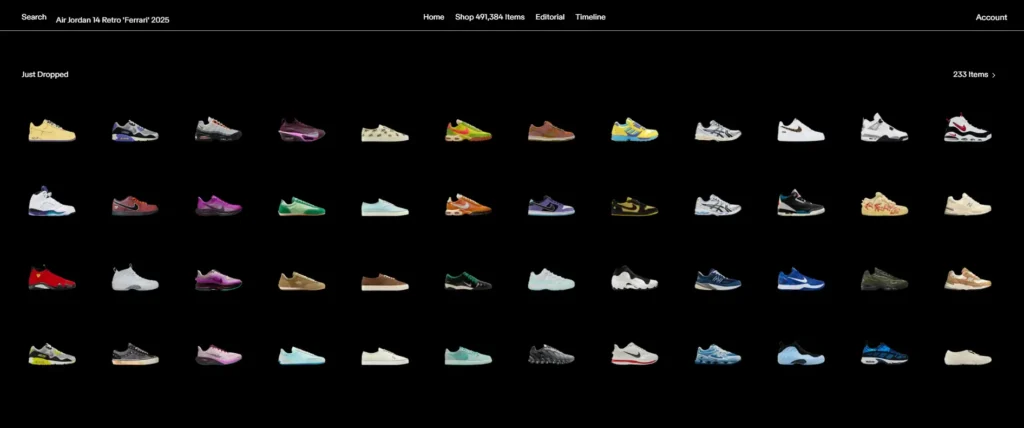
When retail stock has genuinely sold out, platforms such as GOAT, StockX, Flight Club, Stadium Goods, KLEKT, Novelship, and eBay can bring together sellers from different countries.
That competition creates a market broader than a purely local one. Depending on the model and size, price differences between regions can be substantial.
Watch the Additional Costs
Add the product price, shipping, insurance if applicable, state or local sales tax, any import duties, currency-conversion charges, and carrier or intermediary fees. Check who collects each charge and whether the checkout total includes duties; do not assume a universal duty-free allowance or estimate the whole order by adding one fixed percentage to the shoe price. A freight forwarder can also change eligibility for returns or buyer protection, so check that route before using it.
Check the store’s return policy as well. International size exchanges can be slower and sometimes uneconomical.
That is why I carefully check the sizing chart and model-specific fit reviews before ordering.
Buy Only From Sellers You Can Trust
My rule remains the same regardless of country: buy from official stores, authorized retailers, or marketplaces known for their authentication procedures.
I would rather pay a little more on an established platform than take a risk on an unfamiliar site to save a few dollars.
An international purchase is an option to compare with buying domestically. It only makes sense for the budget once the destination, tax collection, size, condition, and return costs are clear.
How to Save Money on Sneakers
Following the sneaker market makes one thing clear: paying full price is not always the best strategy. Even in a market shaped by limited releases, there are thoughtful ways to save while keeping authenticity and purchase safety in view.
Over the years, I have found that good opportunities depend more on patience, research, and flexibility than luck.
Buying at Release Is Not Always Worthwhile
When an anticipated sneaker arrives, competition can be intense. Buying at retail is one thing; the problem starts when it sells out in seconds and immediately appears on resale platforms at two, three, or even five times the price.
In those situations, anxiety can be the buyer’s biggest obstacle.
Waiting a few weeks or broadening the search to international markets can sometimes produce substantial savings. Not every release keeps appreciating indefinitely, and some prices stabilize as initial demand falls.
Consider Used Sneakers in Excellent Condition
The stigma around buying used sneakers often makes little practical sense.
Platforms such as GOAT allow purchases across different condition categories, from nearly new pairs to models with obvious wear. With a reliable seller and an applicable platform authentication process, buying used can be a good way to save.
That is exactly what happened to me.
I really wanted the Nike Vapor Street x Off-White, but faced two problems. First, my size, men’s US 12, was barely available in Brazil, because the local release concentrated on women’s sizing. Second, the few pairs on the resale market were priced well above the original retail price.
After extensive searching, I found a GOAT listing in women’s US 13.5, equivalent to men’s US 12 for that Nike size conversion. It was listed as used, but the only visible wear was a slightly dirty outsole. The upper, midsole, and other details were in excellent condition.
For that purchase, the retail price I used as a reference was $190; I paid $70 for the pair and $20 for shipping, totaling $90 for those two items. It arrived in approximately 20 days for that particular transaction. These are historical prices and timing from one purchase delivered to Brazil, not a current U.S. shipping quote or cross-border budget. A new comparison must include applicable taxes, currency conversion, and other charges.
That experience changed how I assess secondary-market purchases. A used sneaker in genuinely good condition can be excellent value.
Compare Different Countries
Another common mistake is limiting the search to the local market.
Major retailers in Europe, the United States, and Asia often have different inventories, their own promotions, and restocks that do not occur in other countries.
It is also worth comparing international marketplaces. Sometimes the difference between two sellers can offset much of the shipping charge or even some import costs.
Use Sales and Seasonal Changes
A desirable sneaker does not have to be a new release.
Performance models, casual lines, and less popular colorways often go on sale as new collections arrive. Major international retailers run periodic sales that can offer worthwhile discounts on Nike, adidas, New Balance, ASICS, Saucony, HOKA, and other brands.
If you do not need the newest colorway, these opportunities can offer strong value.
Research Before Completing Any Purchase
I always check the same model at different retailers and marketplaces before buying. I also consider shipping, potential taxes, delivery timing, and the platform’s reputation.
Sometimes a sneaker with a lower advertised price becomes more expensive after all the fees are added.
Set the budget before buying and compare delivered costs. Waiting, accepting another colorway, or choosing a used pair can expand your options, but none guarantees a discount or preserved resale value.
Shopping for Sneakers at Outlets
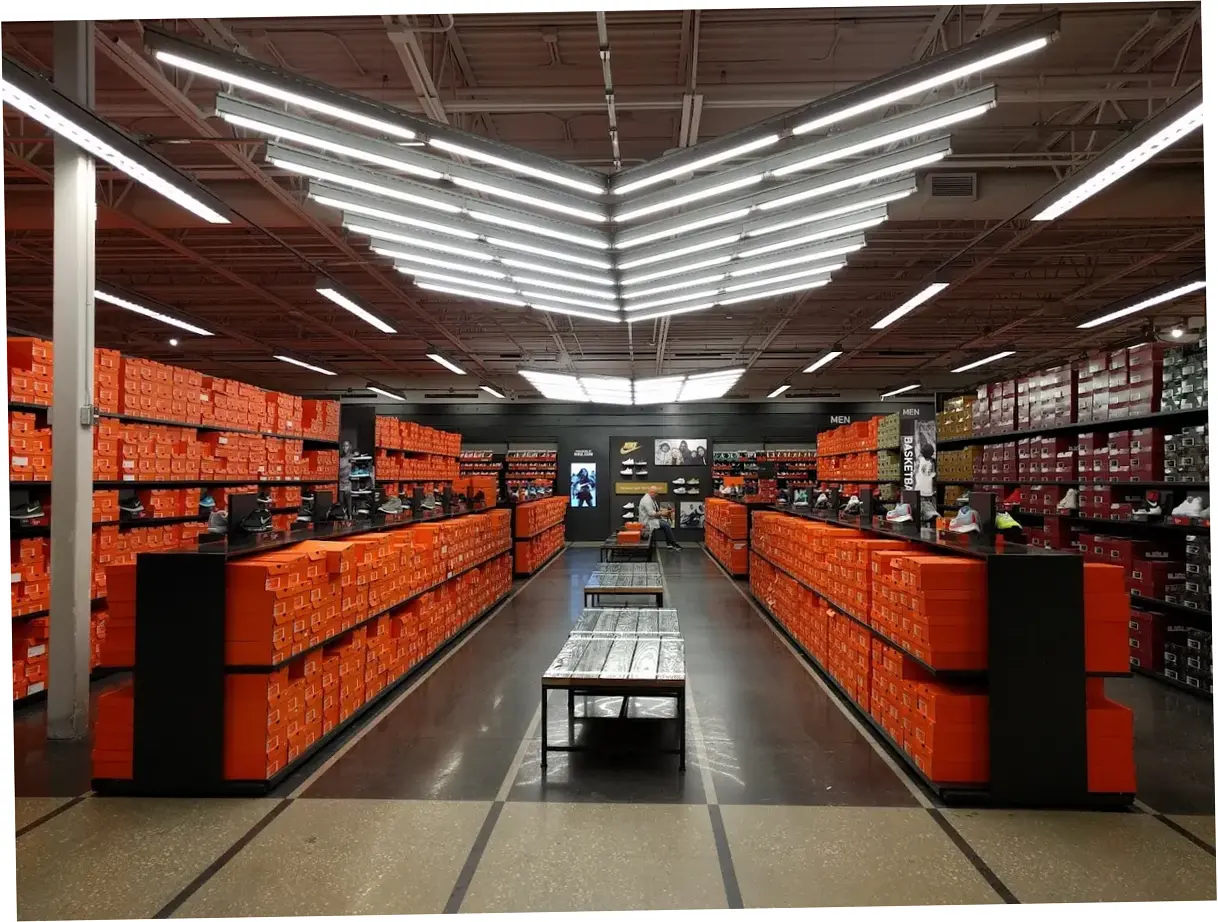
When people think about saving on sneakers, they often focus on waiting for an online sale. Outlets remain interesting places to look for value, especially if you are happy with an older-season model or a discontinued colorway.
An outlet does not sell only old products. Its stock may include size-exchange returns, remaining inventory, damaged boxes, and models that did not sell as expected in a particular region.
For people who enjoy the hunt, that is part of the fun.
Understand How Outlets Work
Outlet inventory comes from different sources. Some products come from past collections, some are excess production, and others have returned to stock after customer returns.
That explains why availability changes constantly. A model absent today might appear next week, while a sought-after pair may disappear hours after reaching the shelves.
The Best Finds Can Be Easy to Miss
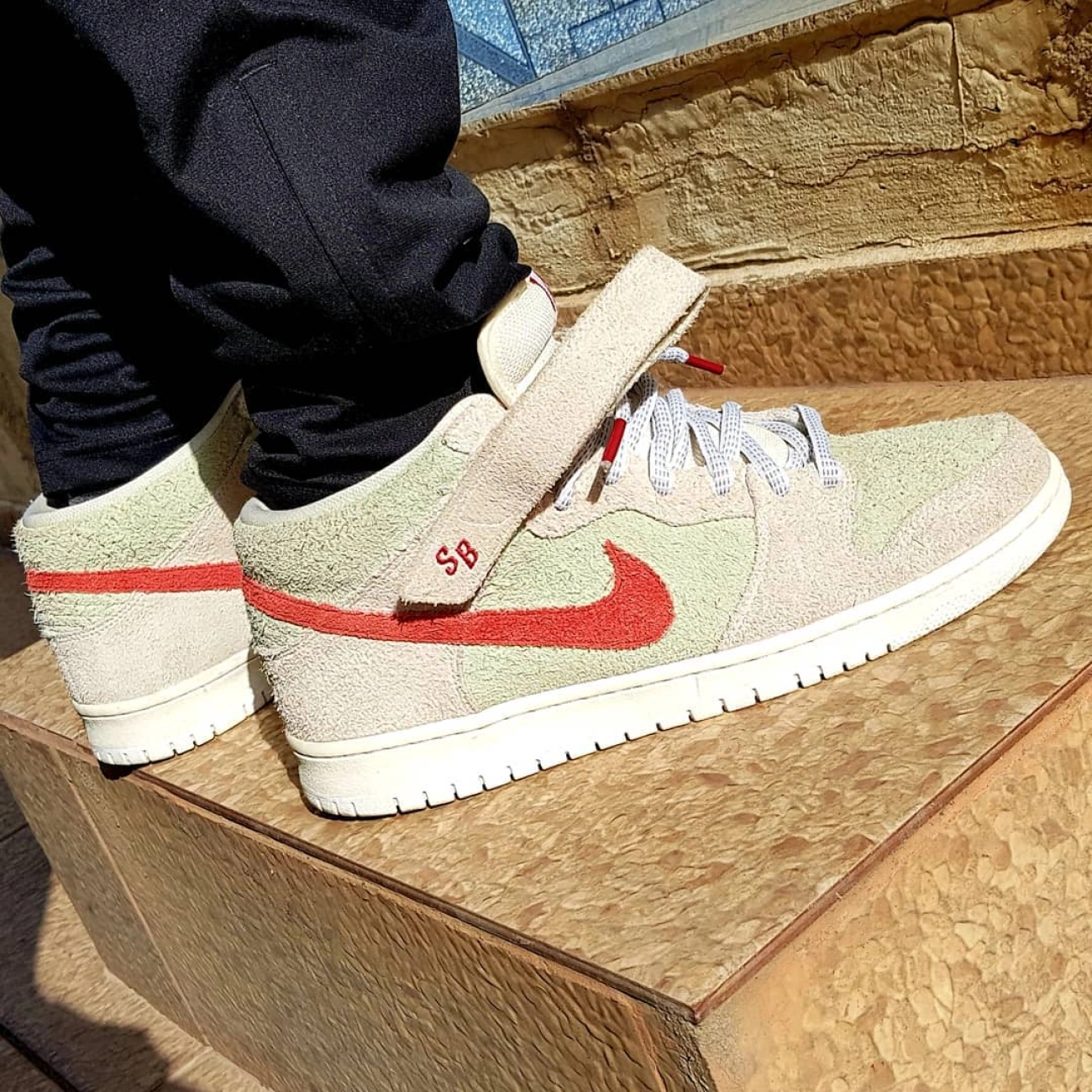
One of the biggest lessons I have learned is not to look only at the tidiest shelves.
At outlets, check stacked boxes, quieter aisles, and pairs that seem out of place. Employees reorganize inventory throughout the day, and some models end up tucked among other products.
That is exactly how my best find happened.
I had been looking for a Nike Dunk Mid White Window for a long time, a model I had always wanted in my collection. During a visit to a Nike Factory Store in São Paulo, Brazil, I found a box behind several Air Force 1 boxes. It was the last pair available and, to my surprise, exactly my size.
The box was missing its lid. The pair I found had no visible outsole wear, and its tag and extra laces were present. The store applied an additional 30% discount to the outlet price for that particular purchase. Incomplete packaging and wear condition are separate facts; I would not call a shoe VNDS simply because the box is incomplete.
I still consider it my best outlet find. It was not just about the saving, but about finding a sneaker I had wanted for a long time and was unlikely to see again through ordinary retail.
The Latest Release Is Not Always the Best Deal
There is a perception that only the newest releases deserve attention. Outlet shoppers know that is not always the case.
Some models gain recognition years after leaving stores. Others return to fashion as trends change or become more appealing to collectors precisely because they are hard to find.
Buying at those moments can offer excellent value, especially when the goal is a varied collection without inflated resale prices.
Check Outlets Again When It Makes Sense
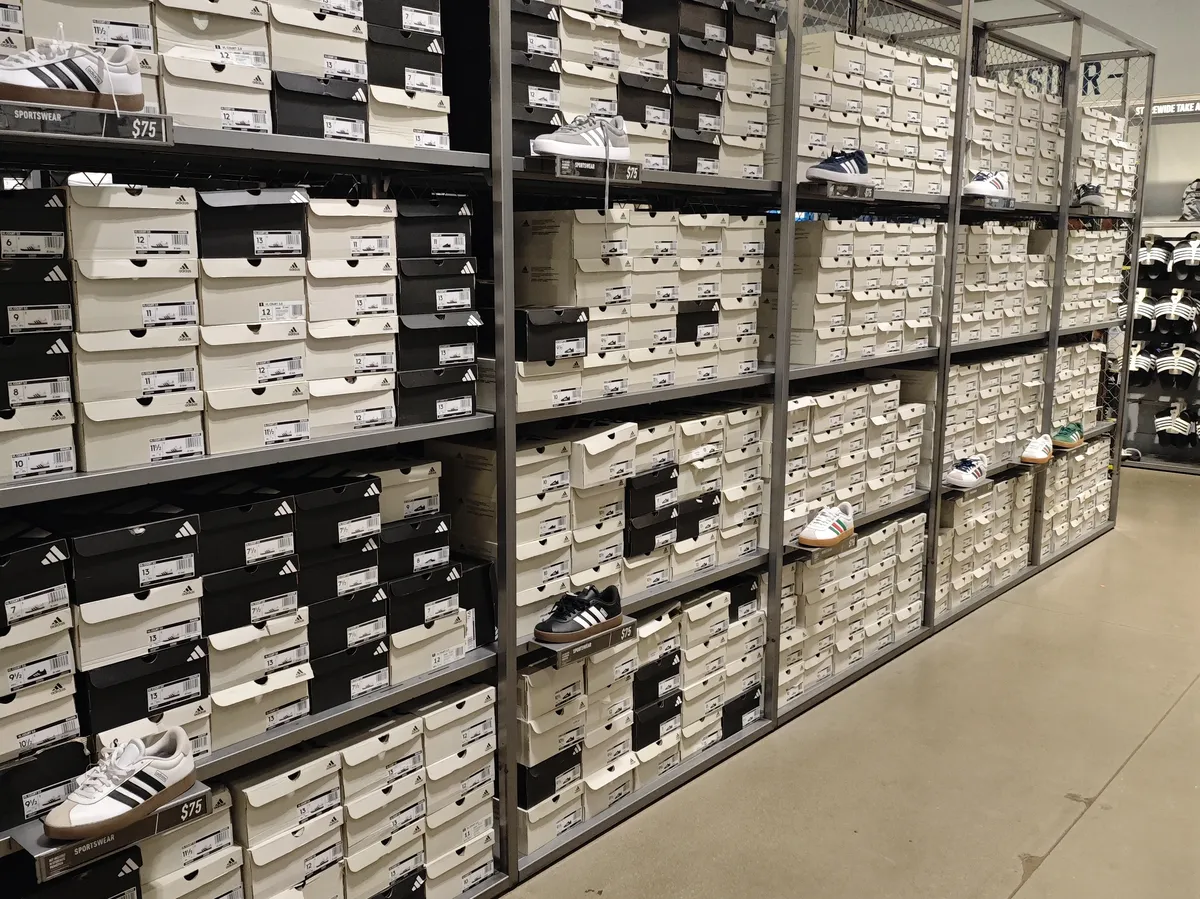
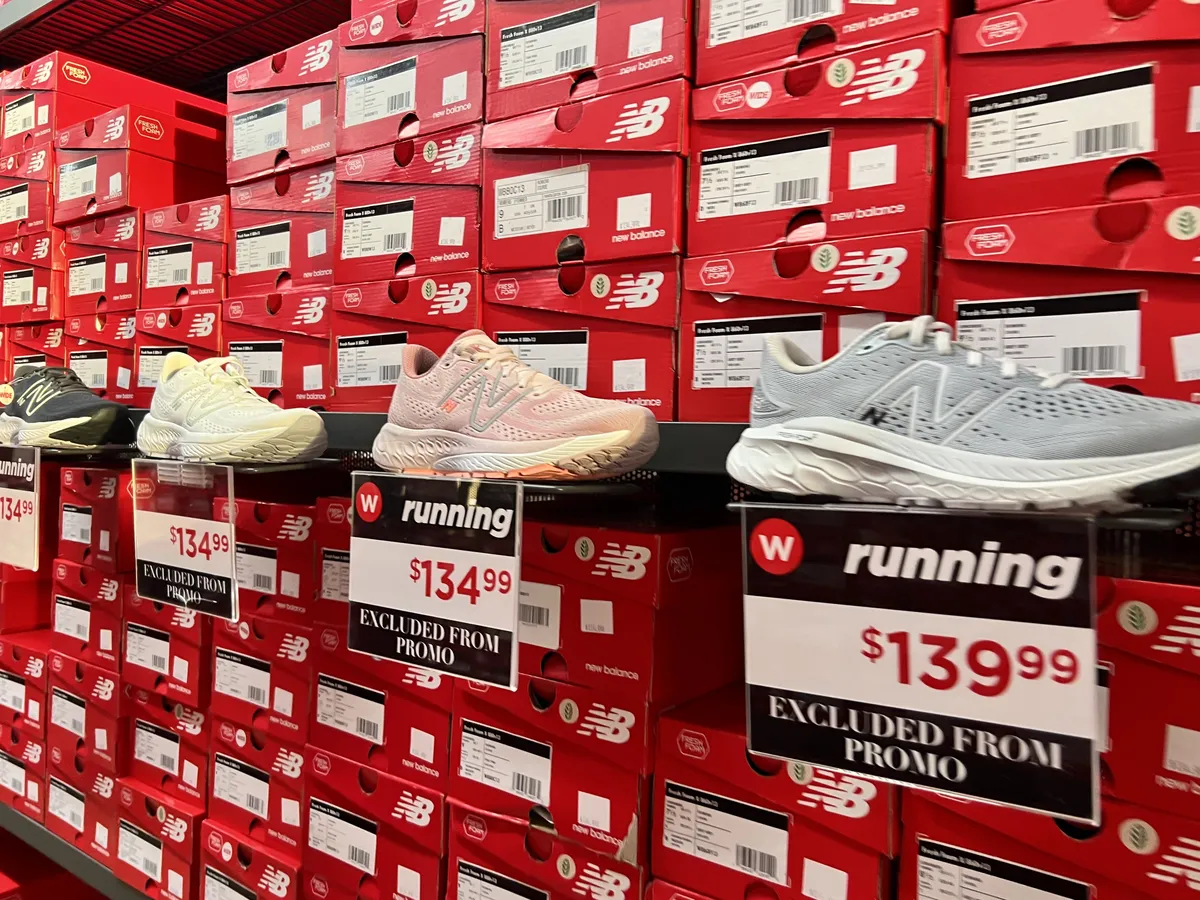
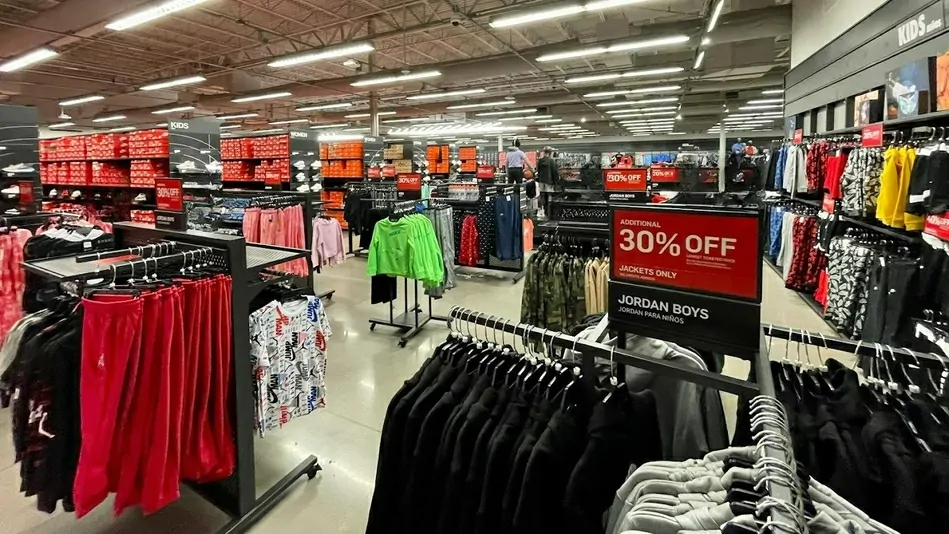
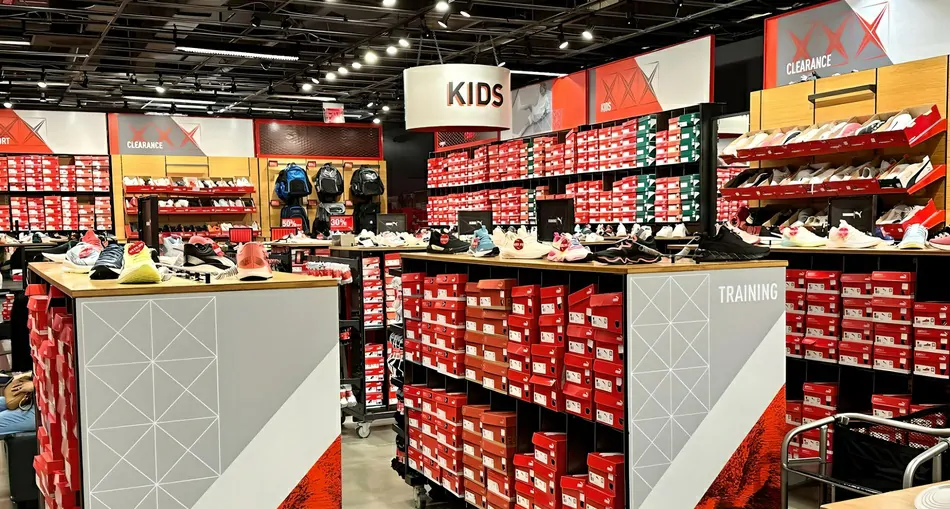
Treat a return visit as a fresh search: inventory may change, without any guarantee of a restock or discount.
Always Check the Shoe’s Condition
Although most outlet products are new, a quick inspection before buying is worthwhile.
Check the upper, midsole, outsole, laces, and box. Small details such as damaged packaging or a slight display mark may be the reason for a discount.
A cosmetic mark may not affect wear, but a quick inspection does not certify structural integrity. For older pairs, consider material aging and the exchange rules before buying.
Buying Used Sneakers
For a long time, buying used sneakers carried a stigma. That perception has changed considerably. As sneaker culture has grown and prices of releases and collaborations have risen, secondhand buying has become an appealing alternative for saving money or finding models that have disappeared from retail.
In my experience, buying used sneakers has usually been positive. I have bought several pairs this way, and their condition often exceeded my expectations. The key was never finding the lowest price; it was finding reliable sellers and carefully assessing the product’s actual condition.
Secondhand Does Not Define the Amount of Wear
One of the biggest misconceptions is that every secondhand shoe is heavily worn.
Many collectors wear certain pairs only once or twice, while others buy impulsively and leave their sneakers stored for years.
Listings often use VNDS, or Very Near Deadstock, a familiar sneakerhead term for a nearly new shoe with very few signs of wear. In many cases, the only sign is light outsole dirt, while the upper, midsole, lining, and insoles remain in excellent condition.
For someone buying a sneaker to wear day to day, that can offer some of the market’s strongest value.
Rare Models Remain in Circulation
Another major appeal of the used market is access to sneakers no longer available at retail.
Older editions and particular collaborations may have left stores. Check the exact release: it is inaccurate to treat every collaboration from a brand or artist as sold out.
The same applies to discontinued silhouettes, limited colorways, and country-specific editions.
For collectors, that makes the used market a natural extension of sneaker culture.
Know Exactly What to Examine
Before buying, I look at several details that can make a significant difference.
Photos should clearly show the upper, midsole, outsole, interior, manufacturing label, laces, box, and original accessories when included.
I also check heel wear, the condition of internal cushioning, and possible midsole cracks, especially on older models. Sneakers stored for years can suffer material deterioration despite minimal wear.
Good cleaning addresses dirt. It generally does not address structural problems.
The Seller’s Reputation Still Matters
Regardless of the platform, I always check a seller’s history before negotiating.
When buying directly from collectors, I ask for references, check previous reviews, and request current photos taken during the conversation. If authenticity is uncertain, I also request a legit check from experienced people or a specialist service.
VNDS is an informal, subjective description. Ask for details of the actual pair and consider the limitations of a photo-based assessment. For a step-by-step inspection and questions to send the seller, use the VNDS buying checklist.
The Price Needs to Make Sense
Not every used sneaker is a good opportunity.
Some listings are so close to a new pair’s price that the difference does not justify giving up applicable retail support or the experience of buying an unworn product.
On the other hand, when condition is excellent and the discount is substantial, the used market can offer deals difficult to find elsewhere.
I have bought models I had wanted for years at far below their original retail prices while receiving exceptionally well-preserved pairs.
Buying Used Is Part of Sneaker Culture
After so many positive experiences, I came to see the used market differently. It is not just a way to save money. It also helps preserve historical models, keep rare sneakers circulating, and give another life to pairs still in excellent condition.
Sneaker Resale
The resale market is no longer just an alternative for people who missed a release. It is part of sneaker culture itself. For many models, resale is the only available route once official stock has sold out.
Collaborations and restricted-distribution editions can sell out at retail and keep appearing on resale platforms. That does not mean every collaboration is scarce or its price will rise.
How the Resale Market Works
A buyer obtains a sneaker at release for its retail price. After it sells out, the buyer may resell it through specialist platforms or directly to other collectors.
Supply and demand influence price, alongside size, condition, documentation, fees, and the circumstances of the transaction.
If thousands of people want a model and few pairs are available, its price may rise. Conversely, sneakers with less demand often stay near the original price or lose value.
That behavior helps explain why some Air Jordans, Nike SB Dunks, Yeezys, New Balance Made in USA models, and Off-White, Travis Scott, or Aimé Leon Dore collaborations reach prices far above retail.
Not Every Price Increase Lasts
Beginners often expect any limited release to appreciate. Scarcity does not make a sneaker a guaranteed investment.
Appreciation depends on production quantity, the collaboration’s importance, the silhouette’s historical relevance, global demand, availability by size, and the brand’s current position.
I have seen highly anticipated sneakers lose value within months, while others nearly doubled in the first week.
Buying purely for profit therefore carries risks and requires substantial market knowledge.
Specialist Platforms Added Safeguards
One of the resale market’s biggest developments was the growth of platforms offering authentication.
Resale services use different processes: physical inspection, digital assessment, selected sellers, or direct shipping may be involved. Check the service actually included and the eligible destination, rather than assuming every listing follows the same process.
The resell entry explains the secondary market; price checks help assess comparable prices without confusing a listing with a completed sale.
No verification system should be presented as an absolute guarantee. The protection policy and complaint procedure are part of assessing an offer.
Resale Does Not Always Mean Expensive
While some collaborations do reach high prices, many sneakers trade near retail. In some cases, less sought-after colorways or particular sizes can appear below the original price.
That is why I compare platforms before buying. With sellers from different countries competing, substantial price differences for the same model are not unusual.
Patience Can Pay Off
After following countless releases, I have learned to separate wanting a pair from rushing the purchase. Before accepting an offer, I compare the same product code, size, condition, and accessories; a difference in any of those can explain part of the price gap.
Demand can be extremely high in the first few days, and buyers may pay impulsive prices because they fear missing out.
As more pairs enter the secondary market and demand stabilizes, some prices ease. This does not happen with every model, especially very rare ones, but it is worth observing the market before committing.
Make Authenticity Part of the Purchase
When I use the resale market, my priority is never simply the lowest price. I prefer established platforms or sellers with a good reputation in the sneaker community.
I also examine photos and seller history carefully. When a transaction is directly between collectors, I usually request a legit check before buying.
Experience makes it clear that saving a few dollars is not worth the risk of receiving a counterfeit.
How to Assess Sneaker Authenticity
As sneaker culture has grown, counterfeit quality has improved too. Years ago, some replicas were relatively easy to identify; today, sophisticated copies can fool experienced buyers when an assessment relies on only one or two photos.
After buying from official stores, international marketplaces, resale platforms, and other collectors, I have learned that no single detail can confirm a pair’s authenticity. The key is examining the combination of characteristics.
Start With the Context of the Sale
Before examining the shoe, I assess the transaction itself.
If a rare model that normally costs hundreds of dollars is offered at a fraction of that amount, the risk of fraud deserves close attention. Sales do exist, but opportunities that look too good to be true often conceal a problem.
I also examine seller history, previous reviews, how long the seller has operated, and the quality of listing photos. Generic images or pictures copied from the internet deserve extra caution.
Materials Can Reveal Inconsistencies
Compare references for the same version and production, but do not conclude authenticity from photos alone. Lighting, wear, and legitimate variations can change appearances; counterfeits can reproduce visual details accurately too.
Stitching and Finishing Should Be Consistent
Crooked stitching, visible excess glue, uneven cuts, and misaligned panels may raise suspicion. That does not mean an authentic sneaker is absolutely perfect. Small variations can occur in mass production.
Irregular finishing may warrant investigation, but is not a conclusive test. A legitimate product can have defects, and a counterfeit can appear carefully finished.
The Interior Label Is Only One Part of the Assessment
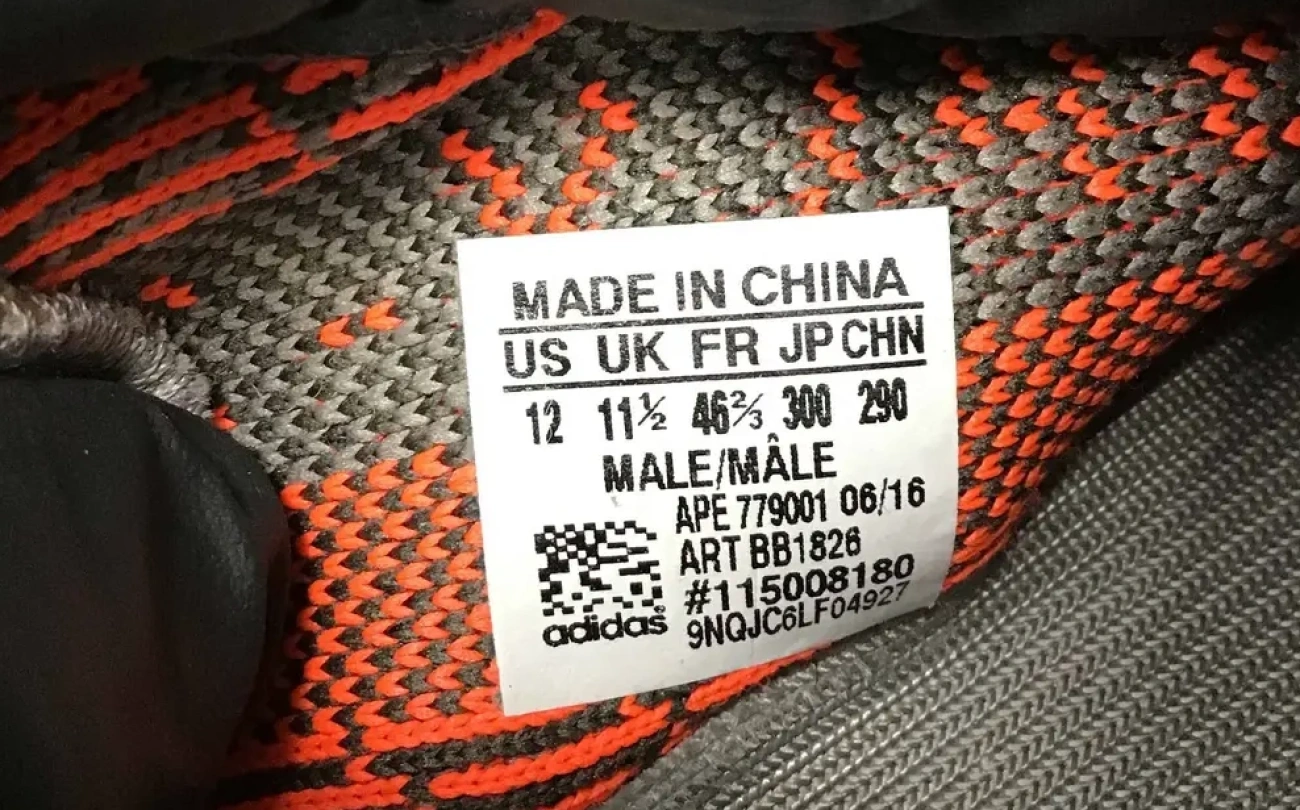
The model, SKU, size, production dates, and label information need to make sense and match the release. The difficulty is that modern replicas can reproduce those labels with considerable accuracy.
That is why I never use the label alone to confirm authenticity.
Boxes and Accessories Help, but Do Not Prove Authenticity
Boxes, tissue paper, extra tags, seals, and spare laces also deserve attention.
They cannot, however, be treated as definitive proof of authenticity.
Counterfeits can come with highly convincing packaging. Conversely, an authentic sneaker may have lost its original box or an accessory over the years, especially if it is used.
Compare With Reliable References
When buying a rarer model, I compare detailed photos with images of authenticated pairs.
Silhouette shape, collar height, Swoosh placement, embroidered logos, tongue thickness, outsole patterns, and even small print variations can reveal important differences.
That comparison becomes particularly relevant for sought-after collaborations and limited releases associated with Off-White, Travis Scott, Nike SB Dunk, and Air Jordan, which are frequent targets for counterfeiters.
When in Doubt, Request a Legit Check
Even after many years following the sneaker market, I still turn to a legit check when considering an expensive or particularly rare model.
Communities and specialist services can offer assessments with different methods and limitations. Read the legit check guide and retain evidence from the listing; do not turn a photo-based opinion into certainty about every aspect of a pair.
Comparison helps reveal inconsistencies, but a meaningful doubt should remain a doubt until better evidence is available. If the seller cannot provide photos of the pair, documentation, or consistent answers, you do not need to complete the purchase. For an expensive item, include the cost of an additional assessment in your budget.
Payment Methods for Sneaker Purchases
Choosing a payment method is often an afterthought, but it can affect both purchase safety and the sneaker’s final cost. Options vary across official stores, overseas boutiques, and resale marketplaces. Understanding how they work helps avoid problems.
Credit Cards: Acceptance and Disputes
Many stores accept major credit cards, but confirm the card network, issuing country, and billing-address requirements at checkout.
Stores such as Nike, adidas, JD Sports, END. Clothing, Kith, BSTN, and Footdistrict, and marketplaces such as GOAT and StockX, generally work with major international card networks.
A card may offer a charge-dispute process under the issuer’s and transaction’s rules. That does not guarantee automatic recovery of every payment or replace checking the seller.
Before an international purchase, check the issuer’s exchange rate, any foreign-transaction or conversion fees, and whether the card can be used for the currency and merchant. Small differences can become significant on an expensive purchase.
PayPal Can Add Another Layer of Protection
When a store offers PayPal, I consider it an advantage.
It acts as an intermediary between buyer and seller, reducing the need to share card details directly with multiple sites.
PayPal’s U.S. Purchase Protection program may cover eligible transactions subject to its requirements and deadlines. Exclusions include items purchased with the intention of reselling them, and return shipping may be the buyer’s responsibility. Check the payment type before paying; not every payment has the same coverage.
That does not remove the importance of a trustworthy store, but can add a layer of protection to an eligible transaction.
Digital Wallets Are Increasingly Common
Apple Pay, Google Pay, and other digital wallets also have a place in sneaker shopping.
Along with speeding up checkout, these services use tokenization mechanisms that help protect a buyer’s financial details.
Digital wallets can simplify payment, but do not guarantee success in a release or replace the service’s or card issuer’s protection rules.
Marketplaces Have Their Own Systems
Payment release, verification, and shipping follow each platform’s process. There is no universal rule that money remains held until a physical inspection; read the conditions of the transaction type you use.
Plan International Payments Carefully
When paying in a foreign currency, the amount displayed in the cart may not be the final cost.
Account for exchange rates, foreign-transaction or bank fees, international shipping, applicable sales tax, and any import duties or carrier handling charges. Confirm which are collected at checkout and which may be due separately.
I always do that calculation before buying. A seemingly inexpensive sneaker can stop being good value once every expense is added.
Conversely, I have also found pairs whose final price, even with shipping and taxes, remained below domestic retail or resale offers. Those past outcomes do not establish today’s savings.
Avoid Payments Without Purchase Protection
When buying directly from collectors, I prefer methods offering some level of buyer protection.
Direct bank transfers, cash deposits, and payments sent as “friends and family” generally make recovering money more difficult if something goes wrong. Personal-payment options should not be treated as protected goods purchases.
Even with a well-regarded seller, I find it safer to use a platform or payment method that records the transaction and offers an applicable dispute process.
Warranties, Exchanges, and Returns
Warranties, exchanges, and returns often receive little attention during a sneaker purchase. Shoppers focus on the release, size, or price and discover how a store’s policy works only after a problem appears.
After buying from official stores, international retailers, and resale platforms, I have learned that understanding the rules beforehand prevents many headaches. In some cases, a flexible return policy matters more than the lowest price.
For U.S. purchases, the FTC’s three-day Cooling-Off Rule does not cover transactions made entirely online. Do not assume every sneaker order comes with a federal change-of-mind window. Check the seller’s policy and applicable state protections; returning an unwanted but accurately described pair is a different issue from reporting a defect or an item that was not as described.
Stores Do Not All Work the Same Way
Buying from an official store, a major retailer, and a resale marketplace involves important differences.
Official stores and authorized retailers generally publish policies for size exchanges, returns within specified windows, and support for manufacturing defects. Read the policy for the particular product rather than assuming every purchase qualifies.
Resale platforms may accept returns on eligible items, with different deadlines, exclusions, and refund methods. Used items, final-sale listings, freight-forwarder deliveries, and certain categories need particular attention. Under the policies checked on October 5, 2026, eligible GOAT returns must be requested within 30 days of receipt and generally refund GOAT Credit, less specified costs. Stadium Goods gives U.S. buyers three days to request a return and refunds the original payment method after approval, with stated deductions. Check the current policy before buying and distinguish the request deadline from the deadline for shipping the item back.
For that reason, I always read the platform’s specific rules before completing a purchase.
The Right Size Prevents Many Problems
For Nike models, consult the Nike measurement and conversion chart. For other brands, use the corresponding brand-specific chart.
I always check the brand’s chart, compare foot length in centimeters, and consider the model’s shape. Some sneakers are narrower, while others provide more toe room.
That small precaution reduces the chance of having to begin a return, especially for a purchase from another country.
A Manufacturing Defect Is Different From Normal Wear
The existence and handling of a possible defect depend on the product, use, applicable law, and warranty terms. Document the problem and contact the seller or manufacturer; do not assume coverage based only on the name of the damage.
Sportswear brands design their products to tolerate a certain level of use, but no sneaker is intended to stay untouched by years of heavy wear.
Foam, adhesive, and rubber also age naturally. In older or collectible models, deterioration does not necessarily indicate a manufacturing defect.
Keep Packaging and Documents
I keep the original box, labels, purchase receipt, and payment records throughout any applicable exchange or warranty period.
Keep packaging and documents when available, and check return instructions. A retailer’s commercial requirement should not automatically be equated with every right under applicable law.
For international purchases, I also keep confirmation emails, payment records, and tracking information. These documents make contacting support easier if necessary.
International Orders Need Extra Attention
Returning a purchase to a store in another country can involve substantial international shipping costs.
In some cases, sending the sneakers back may cost a significant share of the original price.
Before buying internationally, I therefore check who pays return shipping and what conditions the store sets.
Read the Policy Before Clicking “Buy”
Over time, I have found the most reassuring stores are those that make their rules clear before purchase.
Return windows, warranty terms, exchange procedures, and each party’s responsibilities should be described transparently.
I prefer businesses that provide this information clearly. It builds confidence and shows attention to the customer’s experience.
Precautions When Buying on Marketplaces
Marketplaces have transformed sneaker shopping. You can find a release that just sold out or a model made 20 years ago, often without leaving home. That variety also requires care. Unlike an official store, many marketplaces connect you with independent sellers, making product assessment as important as price.
Assess the Seller Before the Sneaker
The first thing I examine is who is selling, rather than the shoe itself.
Reviews, sales history, and comments help you investigate a seller, but do not guarantee the outcome. Check whether the offer includes physical inspection, digital assessment, or direct shipping, and which rules apply if a problem arises.
For direct collector-to-collector purchases, I ask for references and a legit check by experienced people, particularly for more valuable models.
Detailed Photos Make a Difference
I never rely solely on promotional images, such as banners or white-background stock photos, or on low-quality pictures.
A good listing should show every angle, including the upper, midsole, outsole, interior label, box, and accessories. I also look for high-resolution images that reveal stitching, materials, and actual signs of wear.
If a seller avoids providing fresh photos or answering specific questions, I consider it a warning sign.
Understand the Product’s Actual Condition
Terms such as DS, or Deadstock, VNDS, or Very Near Deadstock, and “used” are common in sneakers, but sellers do not always apply them consistently.
That is why I would rather assess the photos than rely on a condition label alone.
One sneaker listed as VNDS may genuinely be nearly new, while another with the same label may show significant wear. The more information you gather before buying, the lower the risk of disappointment.
Watch for Materials Vulnerable to Hydrolysis
Certain polyurethane components can undergo hydrolysis, a reaction involving water and material aging. Not every foam, rubber, or sole-separation problem has the same cause. The article on hydrolysis and crumbling soles explains the distinctions.
Storing a pair unworn does not prevent every form of deterioration. Wearing it does not stop hydrolysis either: material, age, and storage conditions must be considered together.
If you intend to wear an older model, ask about its condition and storage history. No single age certifies safety or failure, and a sound-looking exterior does not prove internal integrity.
An Unusually Low Price Deserves Investigation
Every collector enjoys a good opportunity, but prices far below the usual range warrant attention.
The item could be counterfeit, the listing could omit important information, or the model could have an undisclosed structural problem.
I always compare the price with similar listings before deciding.
Read the Marketplace Rules
Each platform has its own policies for authentication, returns, dispute handling, and buyer protection.
Some provide professional inspection before shipment; others primarily connect buyers and sellers. Understanding the differences is essential to knowing what support or remedies may be available if something goes wrong.
Hard-to-Get Releases and Buying Decisions
The hardest sneakers to buy are not always the most expensive. Often, the challenge is simply completing a purchase at retail. When limited production, strong cultural appeal, and worldwide demand come together, the odds of obtaining a pair through the official drop can fall sharply.
Production, distribution, and demand vary between releases. A historical list of competitive models does not predict the chance of buying a future edition.
Highly Contested Releases
Some silhouettes have become closely associated with competition for stock.
Certain Air Jordan 1 x Travis Scott, Nike SB Dunk, and other collaborative editions have attracted strong demand. Use that history as context, not as a forecast of inventory, price, or how quickly a future edition will sell out.
Bots Changed the Release Market
Bots are one of the significant difficulties shoppers face.
Bots automate steps in a purchase attempt. Their impact depends on the release and the channel’s safeguards; without transaction data, do not assign them a specific share of sales.
Some pairs reach resale quickly, with prices that can sit above or below retail. Do not apply a fixed price multiplier to every model.
Brands may use queues, drawings, and additional checks. Each channel sets its rules, and those controls do not guarantee every irregular attempt will be blocked.
Counterfeits Require Additional Care
Another challenge accompanies popular sneakers: the large number of replicas on the market.
This is not limited to exceptionally expensive collaborations.
Popular models such as the Nike Dunk Low Panda can also be counterfeited. That does not justify ranking them among the “world’s most counterfeited” without comparable data and a source supporting the claim.
The Challenge Does Not End After Release
Many people assume they can simply turn to resale after missing a drop.
You need to find a reliable seller, compare prices across platforms, assess authenticity, and decide whether the price makes sense at that moment.
In some cases, waiting a few weeks may lower the price. In others, especially very limited collaborations, the opposite happens and prices rise as pairs disappear from the market.
A Safe Purchase Matters More Than a Fast One
After following countless releases and international purchases, I have found that anxiety can be a shopper’s biggest obstacle.
Fear of missing an opportunity leads some people to buy without researching the seller or checking authenticity. That increases the risk of scams or counterfeit products.
I would always rather miss a release than make an unsafe purchase.
What to Read Next
Choose Your Next Topic
- What to Compare in adidas Shoes for Working on Your Feet
- U.S. Sneaker Chains, Boutiques, and Outlets
- Sneaker Store Routes in Toronto
- Comparing Official Stores, Retailers, and Marketplaces
- Nike’s Official Size Charts
- Work Sneakers: 10 Casual Models for the Office
Choosing a pair continues after checkout. Sneaker Lab covers cleaning, storage, and materials. To explore a silhouette’s story before adding it to your collection, start with sneaker history and culture.