
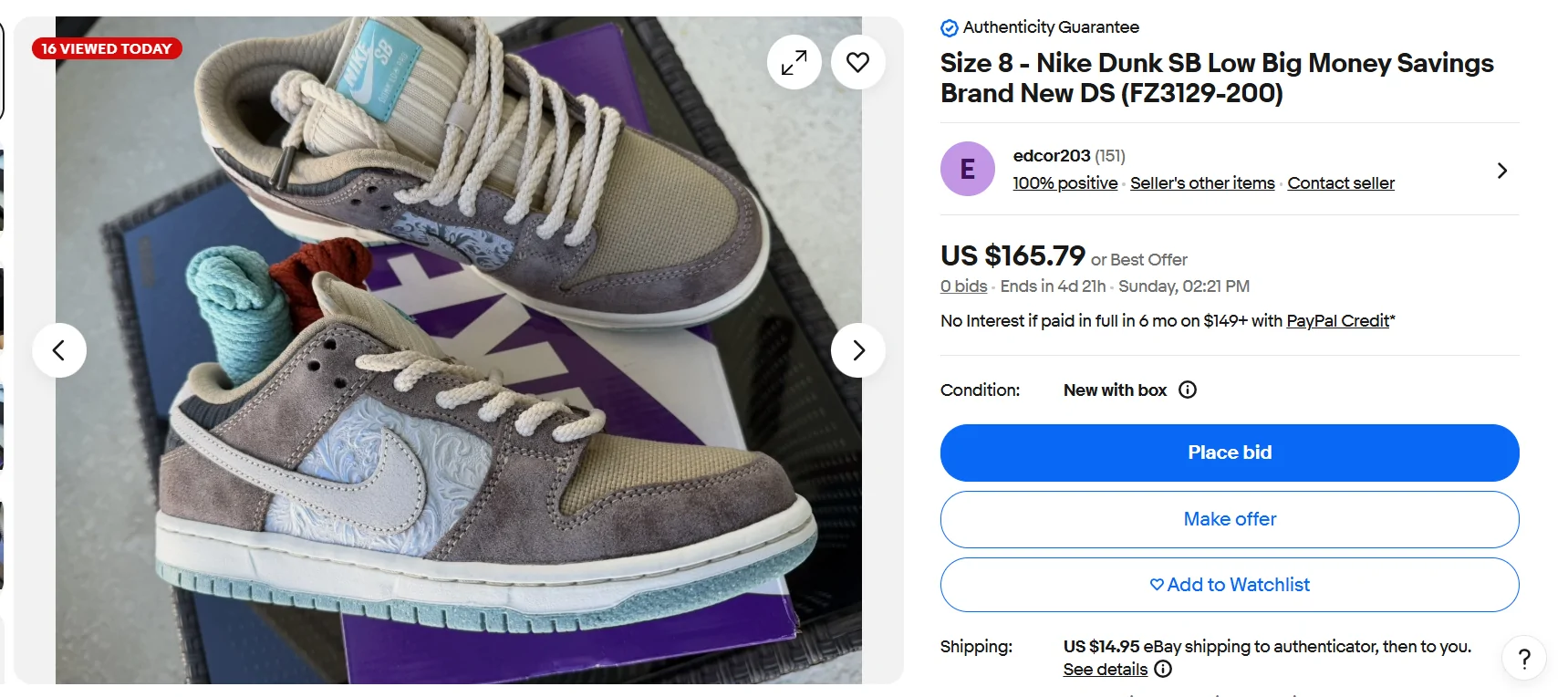
DS stands for deadstock. In modern sneaker listings, it usually means a new, unworn pair. It does not, by itself, promise perfect materials, an original box, authenticity, rarity, or a high resale price.
The distinction matters most with older pairs: a sneaker can be unworn and still have aged foam, brittle components, or failing glue. Wear history, completeness, and material condition are separate things to check before buying.
What Does DS (Deadstock) Mean?
The word has shifted in use. In retail, dead stock describes inventory that remains unsold; in sneaker culture, DS commonly describes condition. A brand-new release can be DS even if it was never sitting unsold in a warehouse.
Buyers may expect an original box and accessories, but those expectations are not a universal definition. State what is included, whether the pair was tried on or relaced, and any flaws. A platform’s published condition rules take precedence when selling there.
Difference Between DS, VNDS, and Used Sneakers
DS generally means unworn. VNDS, or very near deadstock, is a subjective near-new description, commonly used for a lightly worn pair. There is no universal wear count or percentage grade; a pair can be used without showing obvious damage.
Condition can influence a buyer’s interest, but DS is not always worth more than VNDS. Compare the same release, size, completeness, and market period. A worn rare edition and an unworn widely available release are not equivalent price comparisons.
Why Do Collectors Seek Unworn Sneakers?
Some collectors want an unworn example to preserve a release’s presentation or because they prefer to be the first to wear it. That interest does not make every DS pair scarce: a widely stocked everyday sneaker can also be deadstock.
For an older collectible, condition is one part of its appeal alongside design, history, and provenance. For a resale listing, “DS” should describe the pair accurately rather than serve as a reason to promise a premium.
Characteristics of a DS Sneaker
Look at the outsole, upper, heel, lining, and insoles together. Clear outdoor wear conflicts with an unworn description, but an individual crease, storage mark, visible glue line, or fading print does not settle the entire question.
Confirm the box and accessories separately. A missing box does not mean the shoe was worn, but it may affect a collector’s preference or platform eligibility. For example, StockX’s Verified Marketplace requires the original box under its own rules.
What Can Cause a Sneaker to Lose DS Status?
Outdoor wear is incompatible with an unworn description. Try-ons and relacing are debated: some collectors use a strict definition, while StockX’s Verified Marketplace rules allow certain tried-on or unlaced pairs. Disclose what happened rather than hiding it behind DS.
Another key factor is natural aging. Even unused, some materials may yellow or dry out over the years, directly impacting value, though the sneaker may still be considered DS.
Market Value of a DS Sneaker
There is no universal DS premium and no guarantee of future appreciation. Supply, demand, size, release, physical condition, original packaging, and the time of sale all matter. Recent equivalent completed sales are more useful than ambitious asking prices.
An original-era Jordan, an SB Dunk, and a collaboration can attract different collectors for different reasons. Identify the exact edition before comparing values; a familiar name and an unworn label are not a price estimate.
How to Properly Preserve a DS Sneaker
Keep the pair away from prolonged direct sun, excessive heat, and damp conditions. Inspect it periodically and learn which materials the model uses. The aim is to reduce avoidable deterioration, not to stop aging forever.
Do not apply cleaners or conditioners merely because the pair is in storage. Check cleaning-product compatibility with its materials first. The Canadian Conservation Institute explains why plastics and rubbers respond differently to light, heat, moisture, and oxygen; no single storage recipe fits every sneaker.
How to Assess a DS Sneaker Transaction
When buying online, check the actual listing’s authentication route, eligibility, buyer protection, and return terms. Marketplace services vary. On StockX, the Verified Marketplace and Listings Marketplace have different condition and verification arrangements; the platform name alone does not describe the transaction. For marketplace-specific context, see our guides to GOAT, Flight Club, and Stadium Goods, or compare StockX and GOAT.
In a collector group or private sale, request current photos and a written description of condition, included items, and repairs. A seller’s reputation can be useful context, but DS itself never proves that a pair is genuine.
What Older DS Pairs Can Preserve
An unworn older Jordan or SB Dunk can preserve details that interest collectors: original color, branding, packaging, and a particular generation’s construction. Those details are worth documenting even when no dramatic auction price is attached.
The practical limit is wearability. Older foams, rubber, coatings, and adhesives may deteriorate without use. Inspect a vintage pair before wearing it, and avoid assuming that unworn means structurally intact.
Conclusion
DS is most useful as a condition description: new and unworn, with the seller explaining the remaining details. It does not automatically mean mint, authentic, complete, rare, or safe to wear.
A good purchase starts with the exact pair: its release, present condition, included items, and whether it suits your plans. That tells you more than two letters in a listing title.
FAQ: Frequently Asked Questions About DS Sneakers
Can You Try On DS Sneakers?
Try-on conventions vary. Tell buyers if a pair was tried on, and follow the marketplace’s current condition rules; outdoor wear is different from a brief sizing check.
Does a DS Sneaker Need Its Original Box?
Not as a universal language rule, but some platforms require it. Describe an original, missing, damaged, or replacement box explicitly.
Is DS Worth More Than VNDS?
No universal rule says so. Condition matters alongside the exact release, size, completeness, demand, and time of sale.
Is It Safe to Buy DS Sneakers Online?
The label is not a safety guarantee. Check the pair, seller, authentication eligibility, payment protections, and return terms.
Explore related condition terms in the Sneakerhead Dictionary.