An amber-colored digital watch might seem like an unexpected introduction to a sneaker boutique. For Oneness, it is a revealing one. Its G-SHOCK collaboration drew on Kentucky bourbon, translating a regional reference into color, transparency and packaging. The retailer’s location became something that could shape a product rather than simply appear beneath its name.
That relationship with Kentucky takes several forms across the business’s history. Oneness began in Lexington, moved closer to the University of Kentucky and later expanded to Louisville. Along the way, its references have included basketball, locally produced shop fixtures and the visual possibilities of a familiar regional drink.
From a shopping center to The Stoop
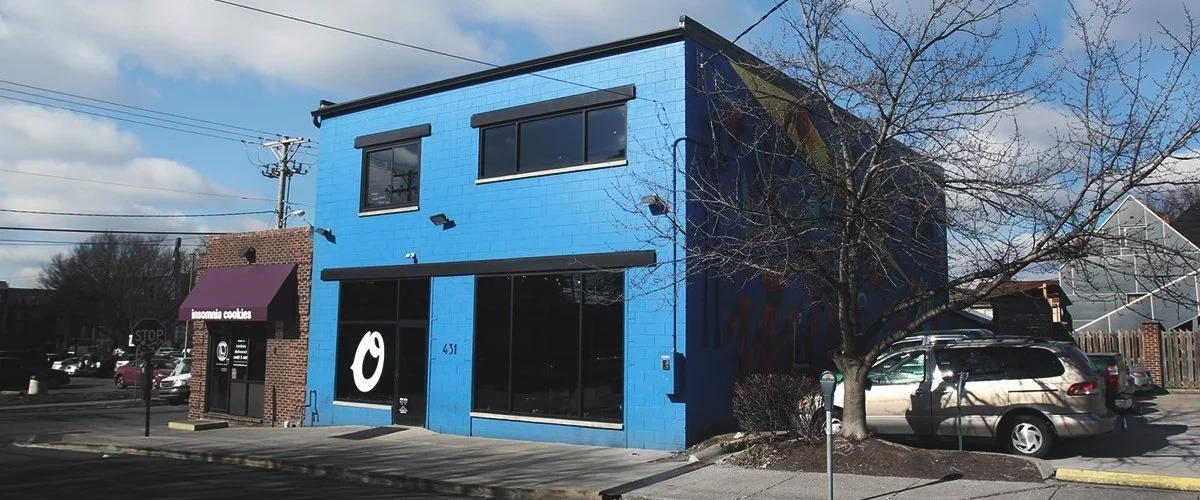
Oneness began in Lexington in October 2007. In 2009, it moved to South Limestone by the university, at the address known as #TheStoop.
A nickname preserves something that an address alone cannot. It turns a commercial location into a shared point of reference. There is no need to invent individual customers’ experiences to notice the significance of the retailer remembering this period through the name attached to the place.
Jersey Street followed in 2013; Louisville in 2018. The sequence distinguishes origins from expansion.
Basketball translated into color and material
A Fila collaboration provides a particularly direct example of that identity. In 2015, Oneness presented a Kentucky edition of the MB, a model associated with Jamal Mashburn. Blue suede, white sections and boutique branding on the tongue and insole formed the shoe’s visual vocabulary.
The choice of silhouette matters alongside its treatment. A model connected to a player receives a new interpretation tied to the place represented by the retailer. For someone interested in basketball shoes, that offers several ways into the project: the athlete, the design, the materials or the Kentucky reference.
It also illustrates a boutique’s potential role in a manufacturer’s archive. A retailer can select and reorganize existing references, contributing a point of view instead of functioning only as the final stage in a distribution chain.
A shop is designed from the inside, too
A Louisville.com profile of artist and designer Jeremy Semones recorded another side of Oneness. The retailer commissioned him to create oversized metal clothing racks and other elements for its Louisville shop. The account described a brightly colored Michael Jordan silhouette suspended above one of the racks.
Bringing a local maker into the interior gives the idea of curation a physical dimension. Choosing merchandise is only one part of presenting it. Scale, structure and visual references help establish relationships between clothing, footwear and the space around them.
This documented commission makes it possible to discuss the interior as an authored project without pretending to have visited or assuming every fixture remains unchanged. It is a specific episode in how the retailer developed its physical identity.
Kentucky bourbon meets G-SHOCK
For a collaboration included in G-SHOCK’s fortieth-anniversary celebrations in 2023, Oneness brought another Kentucky reference to the DW5600. Casio’s presentation describes a gradient running from amber to reddish brown, transparent components and gold-tone details. The packaging also drew on the presentation of bourbon.
The watch opens the retailer’s story beyond a single product category. Basketball and bourbon do not need to carry identical meanings to belong to the reference library of a Kentucky business. One brings sporting associations; the other supplies colors, materials and a different kind of regional recognition.
Seen together, these decisions give Oneness a recognizable progression. The business changed addresses, expanded and worked with internationally known companies while continuing to draw on its surroundings. Its most interesting contributions appear when that regional knowledge becomes a concrete choice about a product or the space in which products are encountered.
Sources and further reading
Jeremy Semones and the Louisville shop
Related store histories
Corporate
Sneaker Politics