A new chapter with an old point of reference
The Air Jordan XXXI made the beginning of the franchise part of a contemporary game shoe. It is easy to describe that as nostalgia, but the more interesting question is how the connection was built. The model had to read as part of the Jordan family while functioning as a current basketball product. Its history is a conversation between inherited symbols and new construction.
Tate Kuerbis is the credited designer, as documented in Architectural Digest’s 2016 interview. The XXXI reached retail in 2016, the same year as the XXX. That short interval matters when following the sequence: model numbers are consecutive, while calendar years can repeat.
What the design brought together
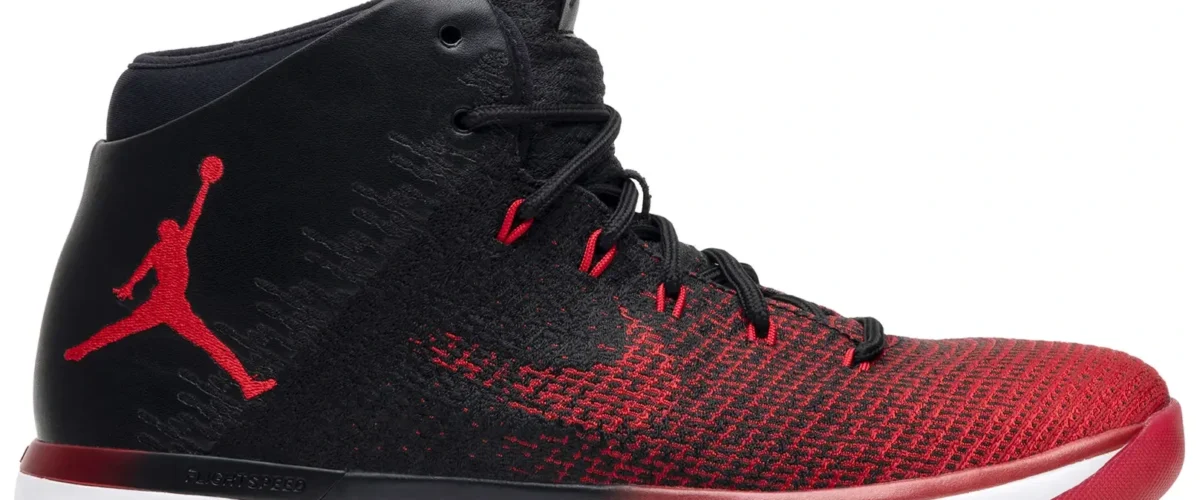
The XXXI combined a Flyweave forefoot with a leather-based heel construction, Flywire support and full-length Zoom Air. The Air Jordan I supplied its central historical reference. The republished Nike unveiling documents the product direction and the September 3 Banned launch.
The transition between textile and heel material is a useful place to start looking. Rather than treating the upper as a single uniform surface, the design makes a change in material part of its identity. The viewer can read softness, structure and graphic fading across the same side profile.
The branding is equally important. Familiar signs do more than decorate the model: they explain which chapter of Jordan history is being revisited. Yet resemblance does not make it an Air Jordan I retro. It is a separate mainline shoe whose story depends on the relationship between reference and reinterpretation.
That distinction helps answer a common search question about the XXXI. Someone looking for the original 1985 model may recognize a familiar visual language, but should not expect the same construction, shape or release history. The XXXI belongs to the 2016 performance era.
The retail chronology began before Banned
Rio reached US retail on August 12, 2016, with a different date documented for China. Contemporary regional release reporting supplies that distinction. USA: August 13, 2016. The weekend release guide records the latter date.
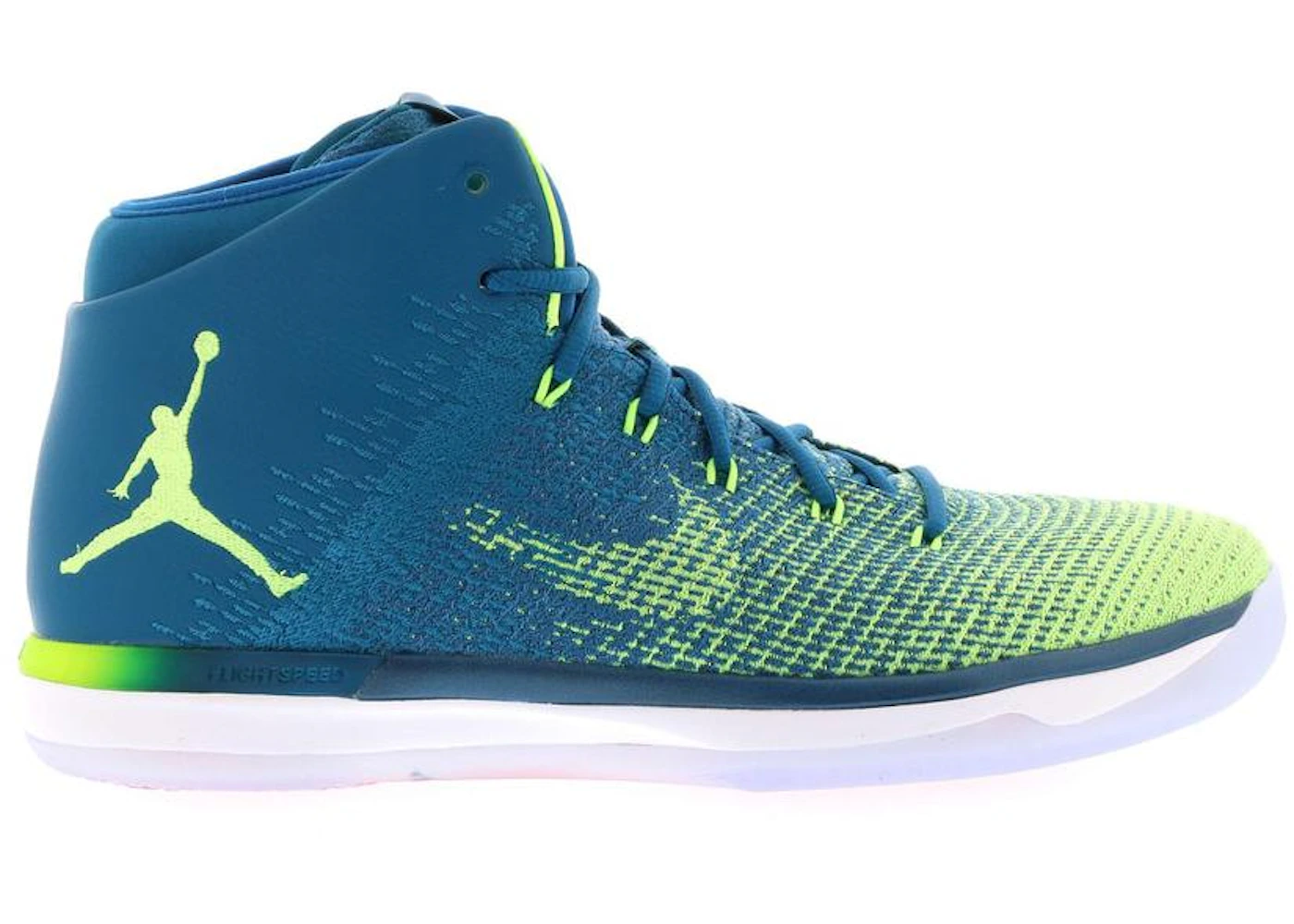
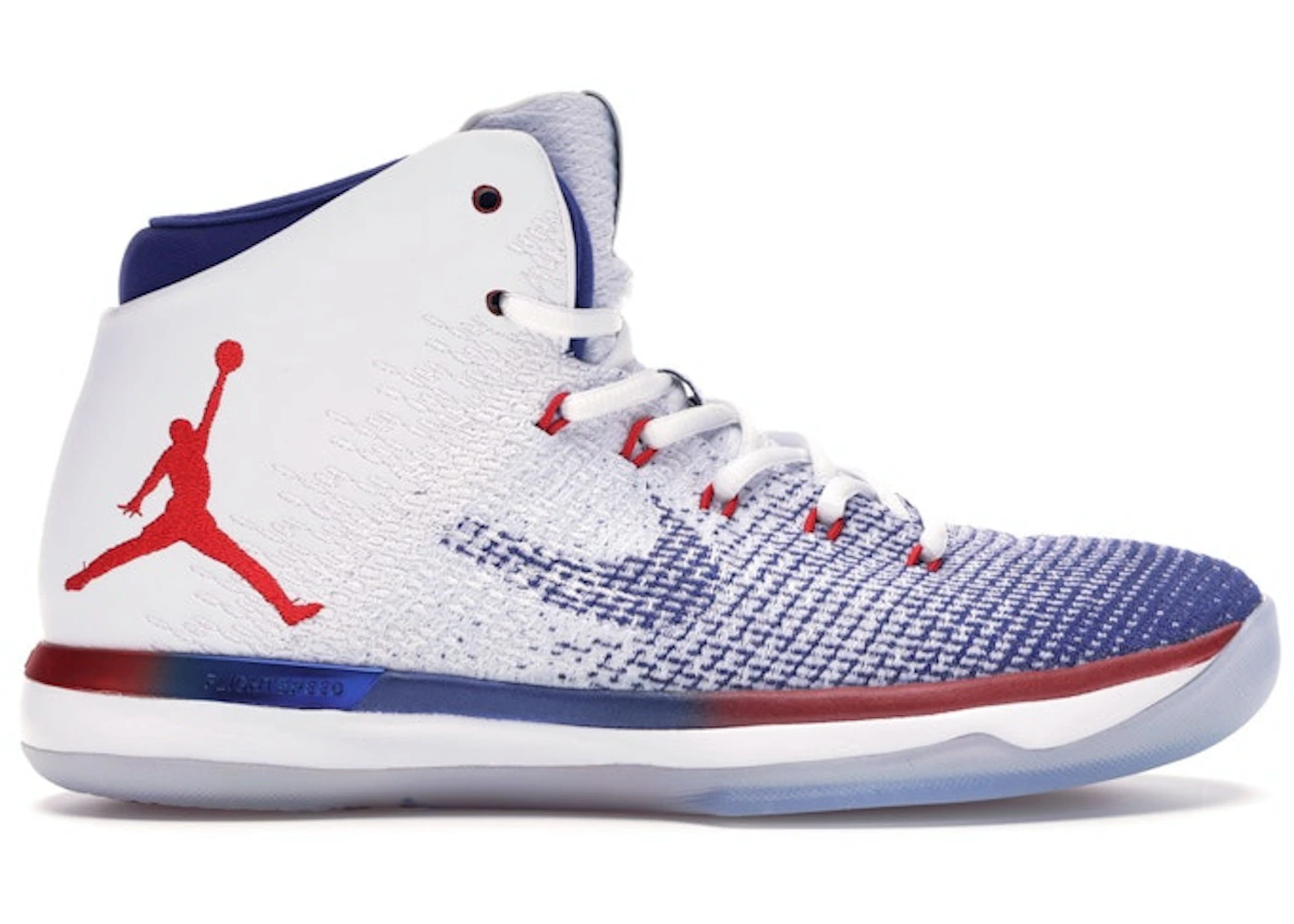
Banned followed as the central September campaign release. It is therefore inaccurate to treat September 3 as the first retail availability of any XXXI anywhere. A broad campaign launch and an earlier themed release can both be real milestones; they answer different questions.
This is why the three original-period selections here are Rio, USA and Banned. Together, they explain the sequence better than three later colors would. It preserves the Olympic-period opening and the heritage-led release that followed.
What Banned means in this context
The Banned name refers back to the franchise’s origin story. It does not mean the NBA banned the XXXI. Nike’s own historical explanation identifies the Air Ship as the shoe behind the original uniform controversy. Nike’s retrospective provides that important correction.
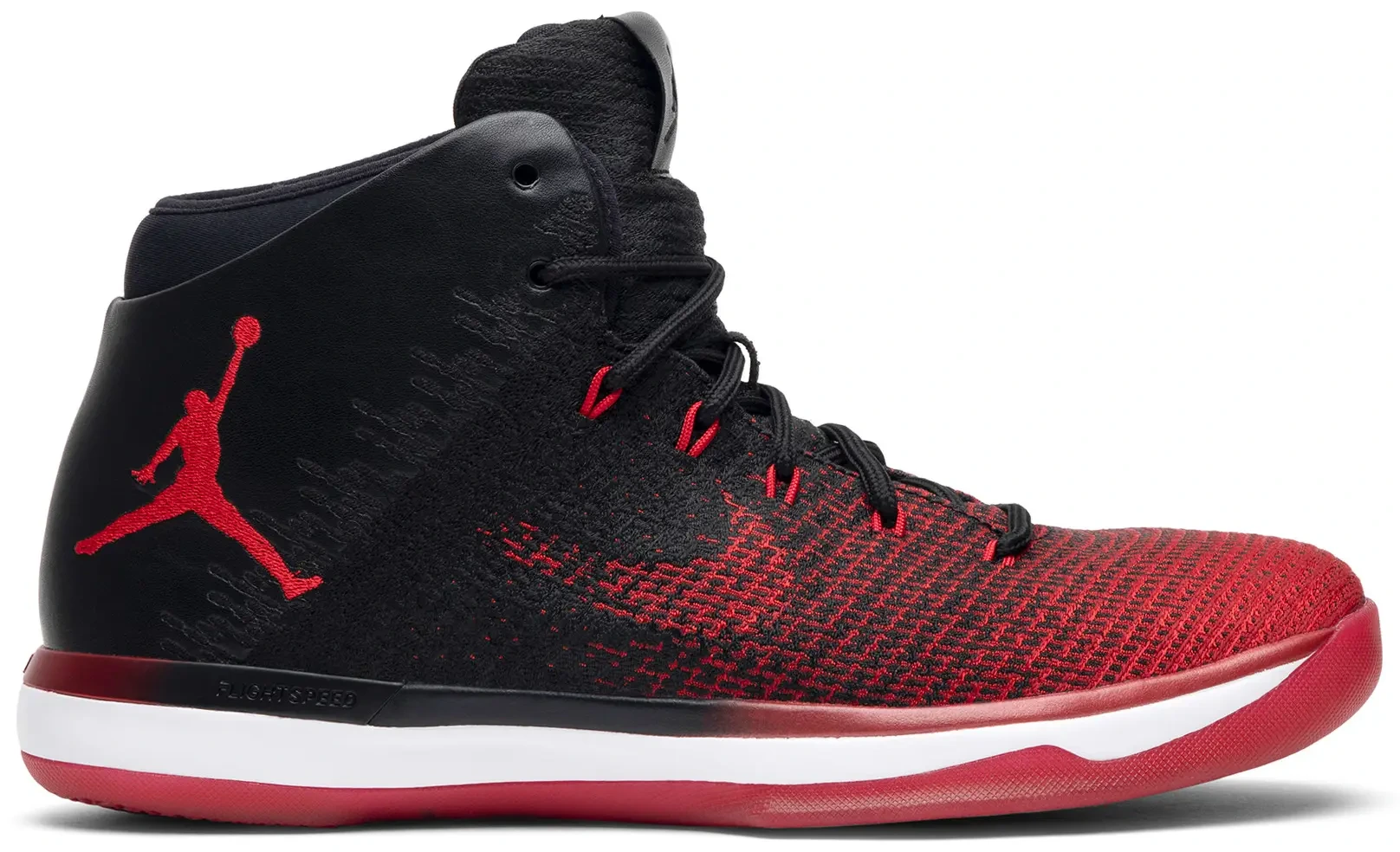
A modern colorway can retell a historical story without repeating every literal detail of the event. That is precisely why a model guide should distinguish the marketing reference from the original incident. The black-and-red association is part of the XXXI’s narrative, but a claim that the 2016 shoe was prohibited would describe a different event and would need its own evidence.
The original run continued
Fine Print arrived September 17, 2016 and referenced Michael Jordan’s original Nike contract through its black-and-white treatment. Contemporary release coverage explains that theme. Space Jam followed on December 3, 2016, linking the new game shoe to another established Jordan story. Its release report places it later in the year.
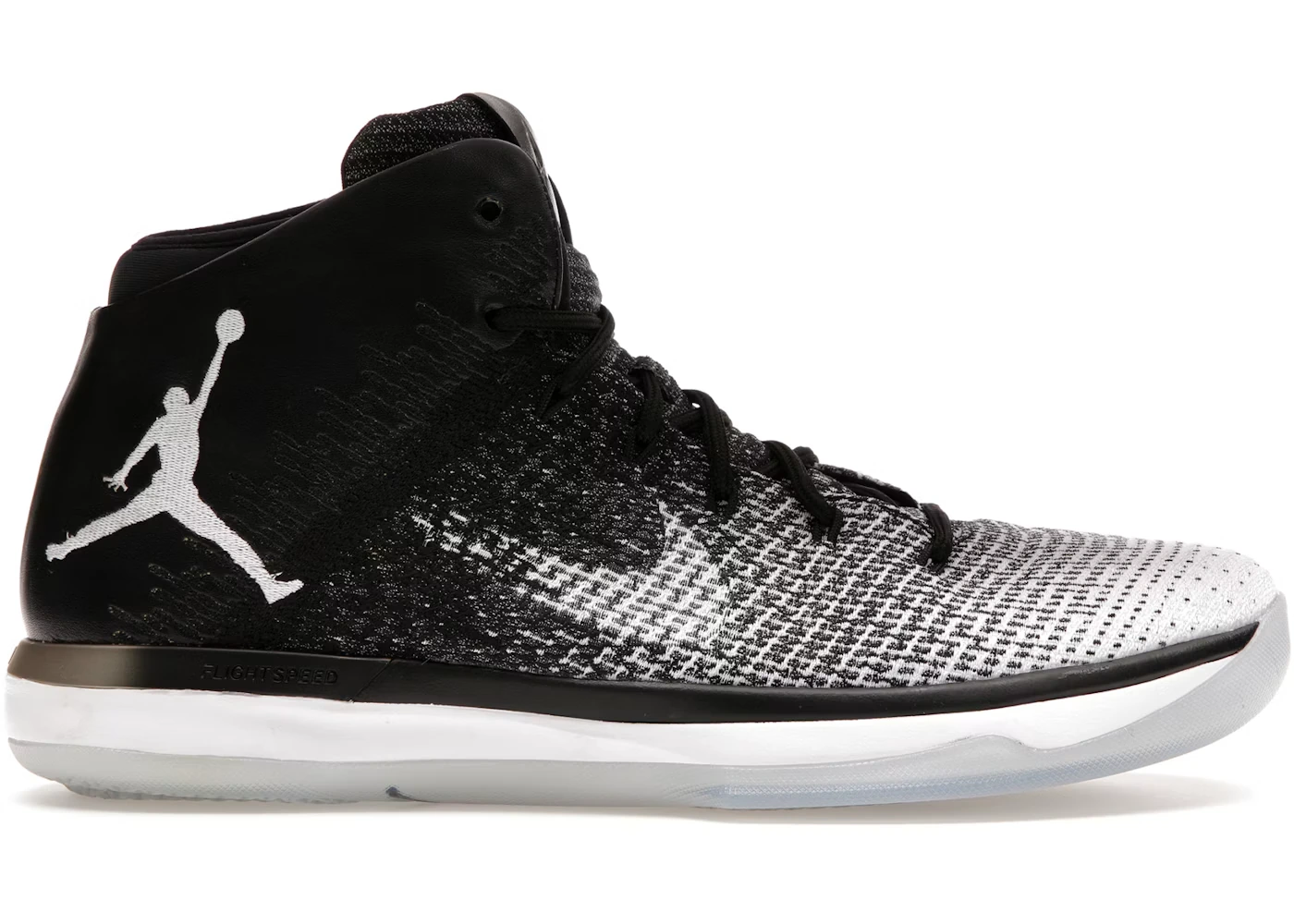
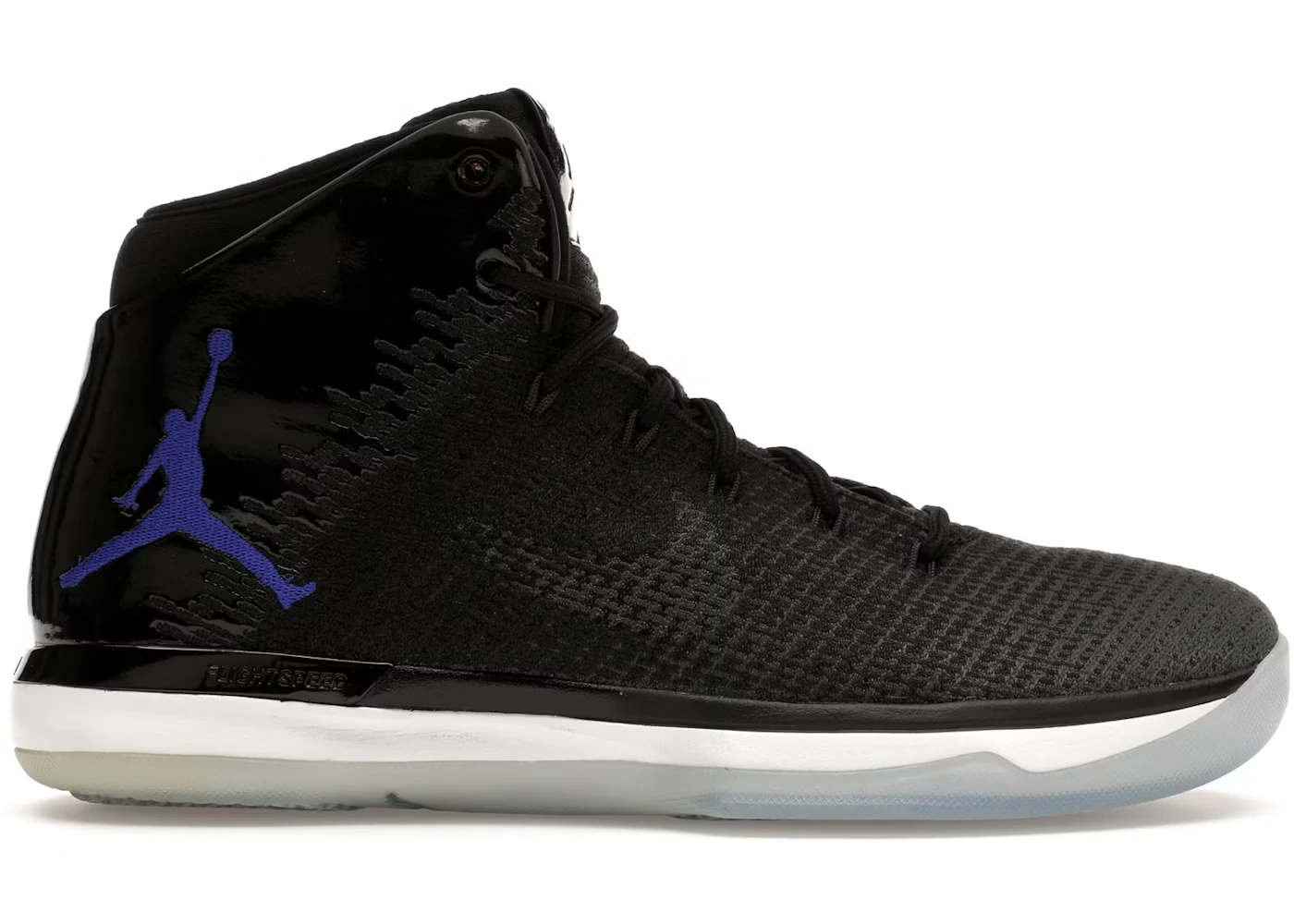
Those releases show that the XXXI’s use of history extended beyond one opening color. The model became a platform for interpreting several parts of the franchise’s past. In a chronological collection, they belong to the original XXXI run, even though their themes draw on earlier shoes and moments.
Its place in the lineage is clearer beside the XXXII, which moved the reference point forward to the Air Jordan II. The XXXI began a recognizable pattern of returning to an early model without issuing a retro of that model. The result is best read as a performance design with a historical vocabulary, rather than as a substitute for the original shoe it references.
The XXXI Low debuted with a college collection in 2017
The XXXI Low arrived March 7, 2017 with five college colorways. Georgetown, in Wolf Grey/College Navy-White, was one of the simultaneous first releases. Its contemporary release notice makes that shared debut explicit.
The group also comprised California, Michigan, Marquette and UNC. The release archive records those editions. The Low therefore has a 2017 opening collection of its own, following the original-height shoe’s 2016 rollout.
Frequently asked questions
Who designed the Air Jordan XXXI?
Tate Kuerbis is the credited designer.
Was Banned the first XXXI sold anywhere?
No. The documented Olympic-period retail releases preceded the central September campaign.
Was the Air Jordan XXXI banned by the NBA?
The colorway name is a historical reference, not evidence of a league ban on the 2016 model.
Are Fine Print and Space Jam retros of the XXXI?
The editions discussed here belong to its original 2016 run. Their references to older stories do not make them retro reissues.