Explore the Jordan Dub Zero, the 2005 hybrid that combined archival details, laser artwork and original colors into a distinct Jordan family.
A different kind of Jordan in 2005
The Jordan Dub Zero arrived in 2005. Histories describe it as Jordan Brand’s first retail hybrid, a claim about this product category rather than the first mixed-design Nike shoe ever. Its combination of earlier references placed the archive itself at the center of the design.
A numbered signature model usually asks what should come next. The Dub Zero asks what can be made by looking back. That change in direction is important: familiar components become raw material for a new object rather than instructions for reproducing a single old one. Its historical value lies in this act of recombination, not in pretending that Michael Jordan wore the finished hybrid during his championship runs.
The references inside the silhouette
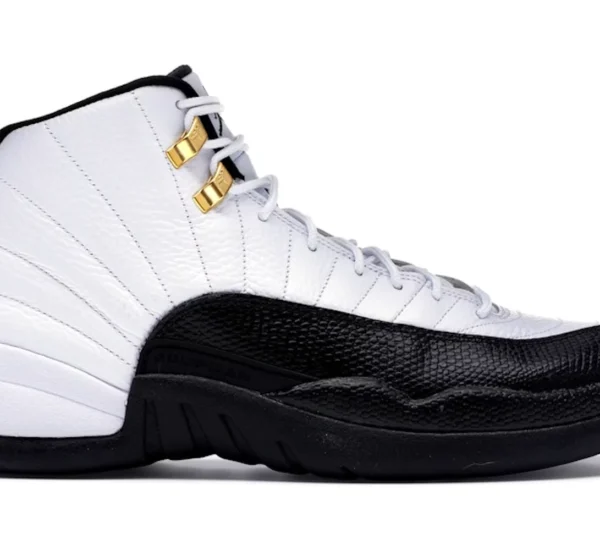
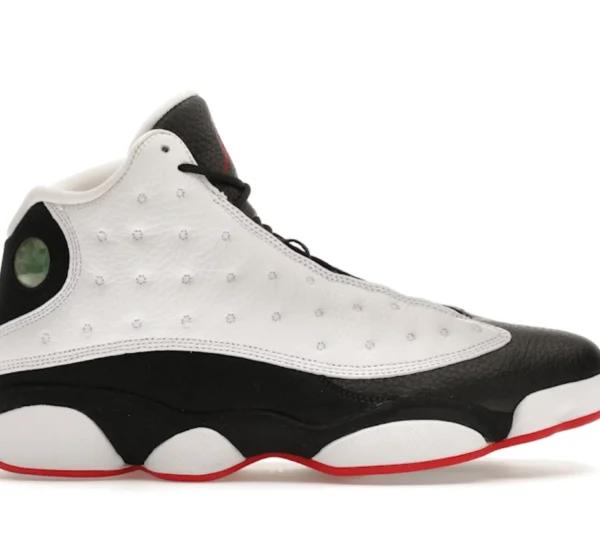
The component map includes the AJ4’s sole structure, AJ6 heel loop, AJ11 patent-leather idea, AJ12 TWO 3 detail, AJ13 panel shape, AJ15 woven rear treatment and AJ20 laser language. These describe design references, not a claim that every production part was physically taken from an older shoe.
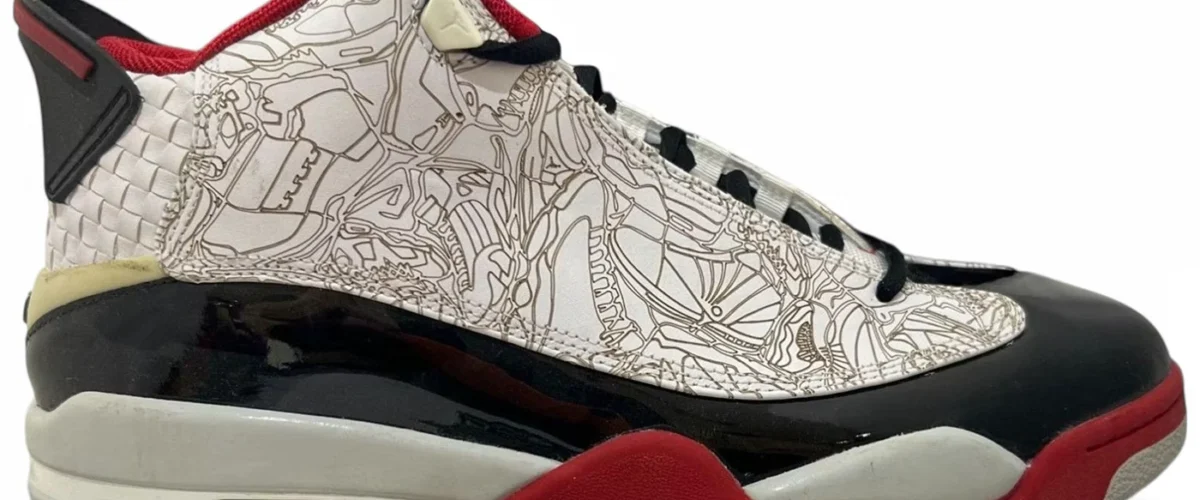
The visible effect is a negotiation between broad, glossy areas and a much busier upper surface. One catches light in large reflections; the other invites close inspection. The contrast gives the shoe its character. It can look graphic from a distance and densely illustrated when held in the hand.
The base matters as much as the artwork. It provides a stable-looking visual foundation beneath a crowded arrangement of surfaces. Without that lower structure, the upper could feel like decoration without an organizing frame. The success or failure of the hybrid as a composition depends on this relationship, not merely on how many recognizable references a viewer can name.
Laser artwork as a way of carrying history
Nike describes the Dub Zero’s etched side details as a visualization of Air Jordan history, with visible heel Air and a glossy wraparound overlay. The shoe therefore treats its surface as a place to carry the archive, rather than relying only on a familiar outline.
That approach creates two reading distances. From across a room, the contrast and silhouette do most of the work. Up close, the marks become the subject. It is closer to the experience of looking at an illustrated object than a sneaker whose identity rests on a single uninterrupted color field.
The artwork also changes how empty space feels. On a quieter shoe, a broad side panel offers visual rest. Here, it becomes the area with the most information. This reversal explains why the Dub Zero can feel unmistakable even when its colors are subdued. Its density is part of the design proposition.
The original 2005 colors
The documented first-year lineup includes White/Black-Light Photo Blue, White/White-Ceramic, Black/Black-Taupe and White/Black-Varsity Red-Neutral Grey. The white-and-navy edition belongs to 2006. Keeping that boundary preserves the difference between launch-year palettes and an early follow-up.
Photo Blue provides a cool accent against the white-and-black framework. Ceramic shifts the mood through a warmer highlight. Black/Taupe makes the silhouette more continuous and the shine more noticeable. The white, black and red scheme emphasizes a familiar Jordan color vocabulary while leaving the etched surface in place. These are different ways of balancing the same crowded composition.
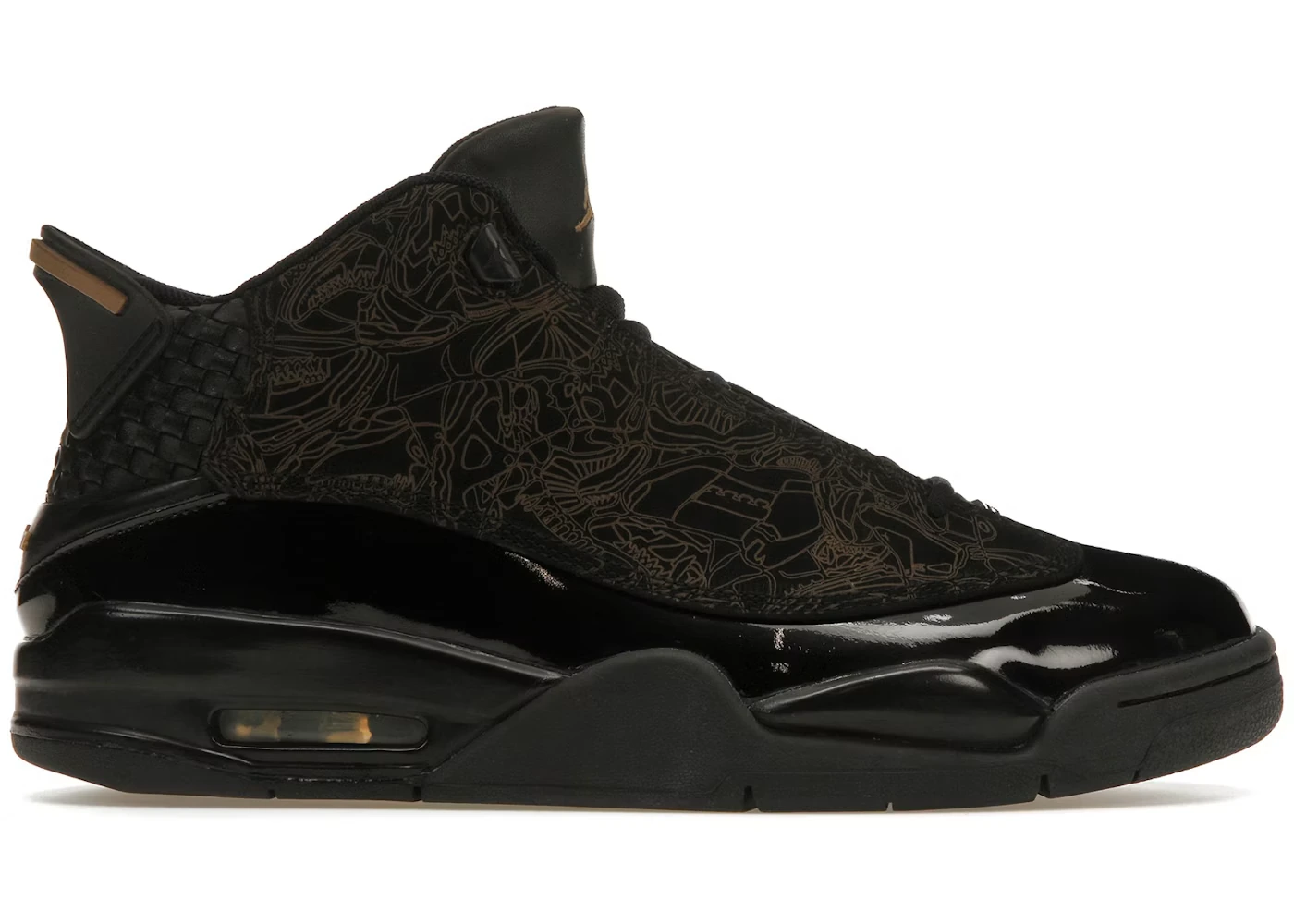
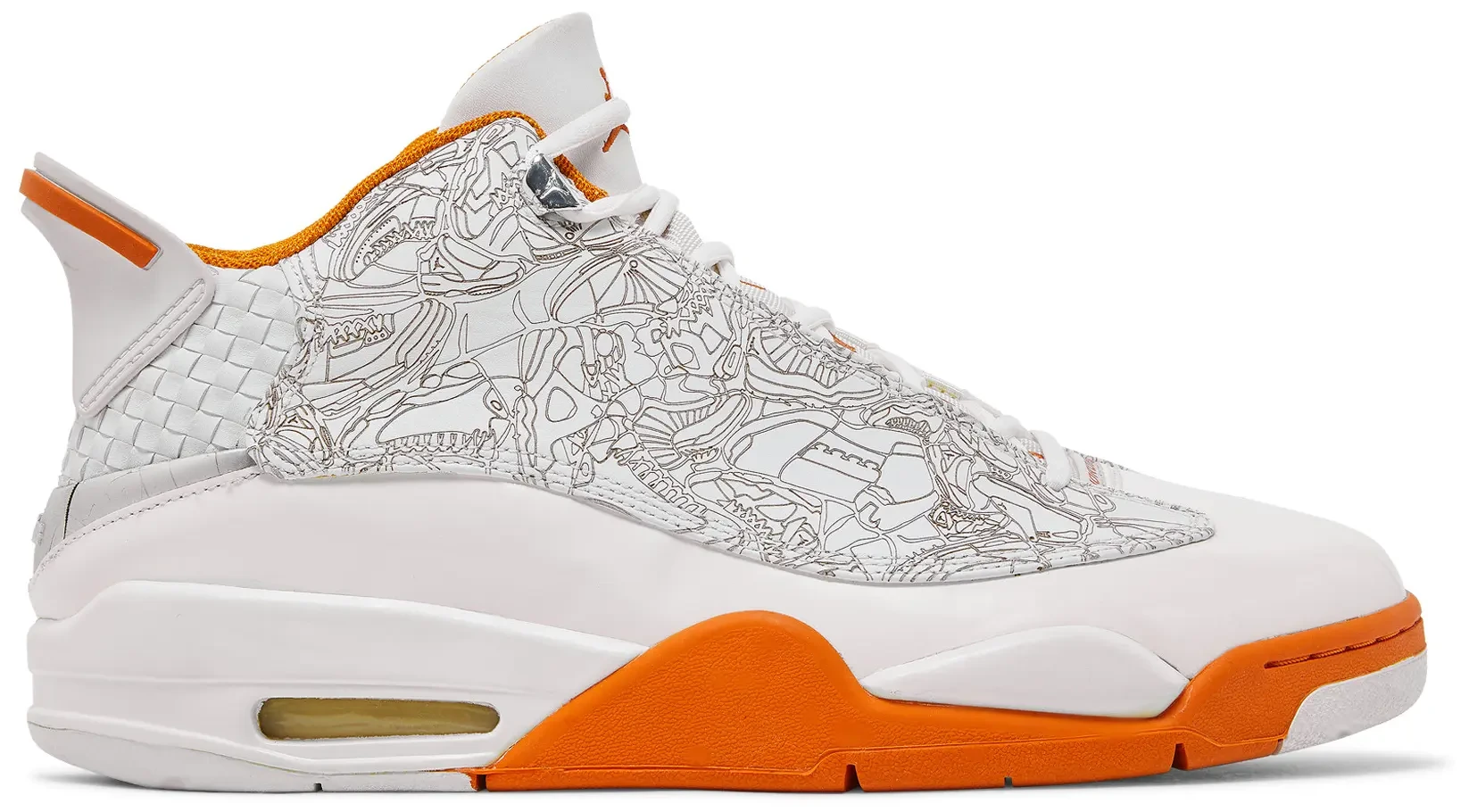
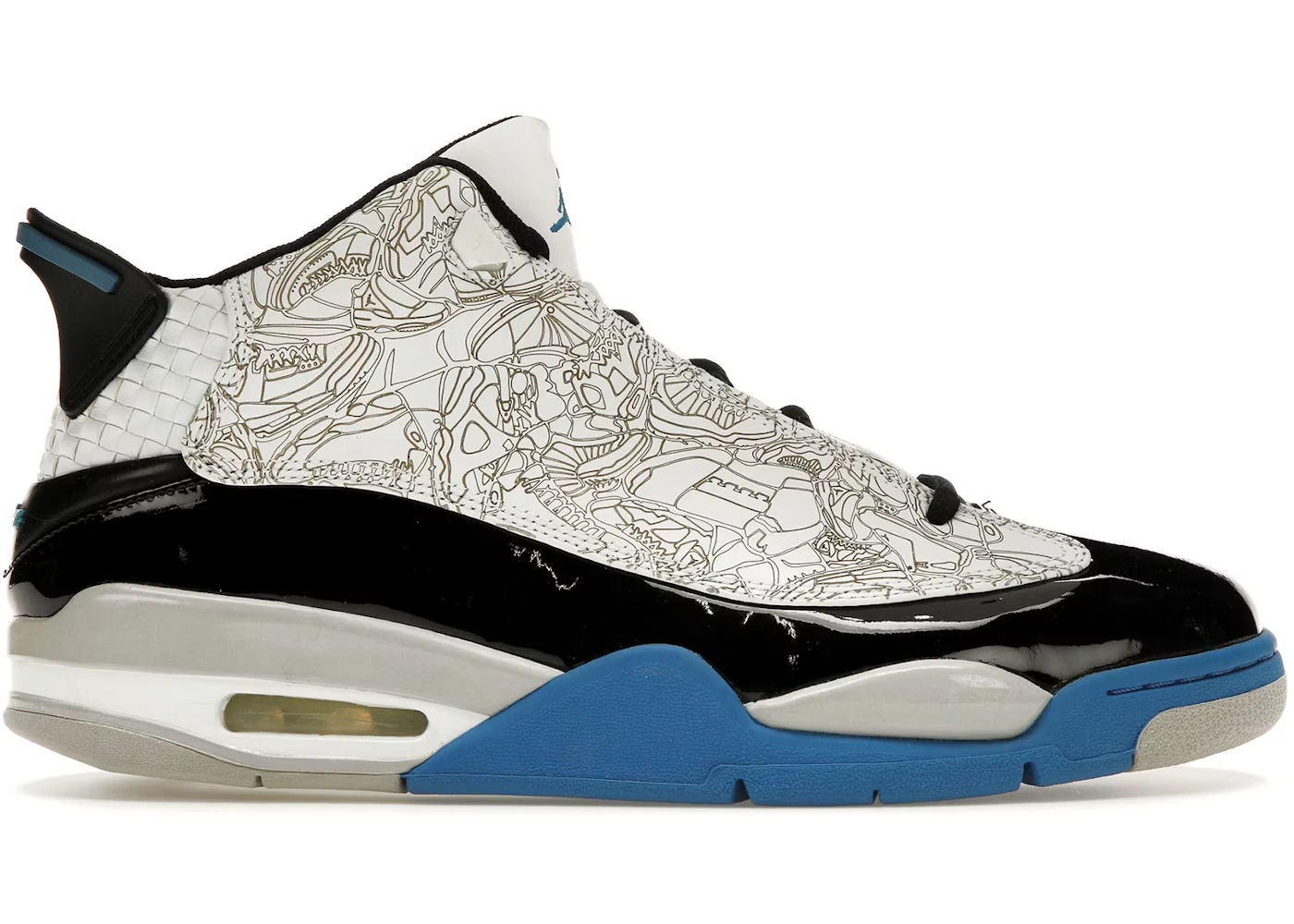
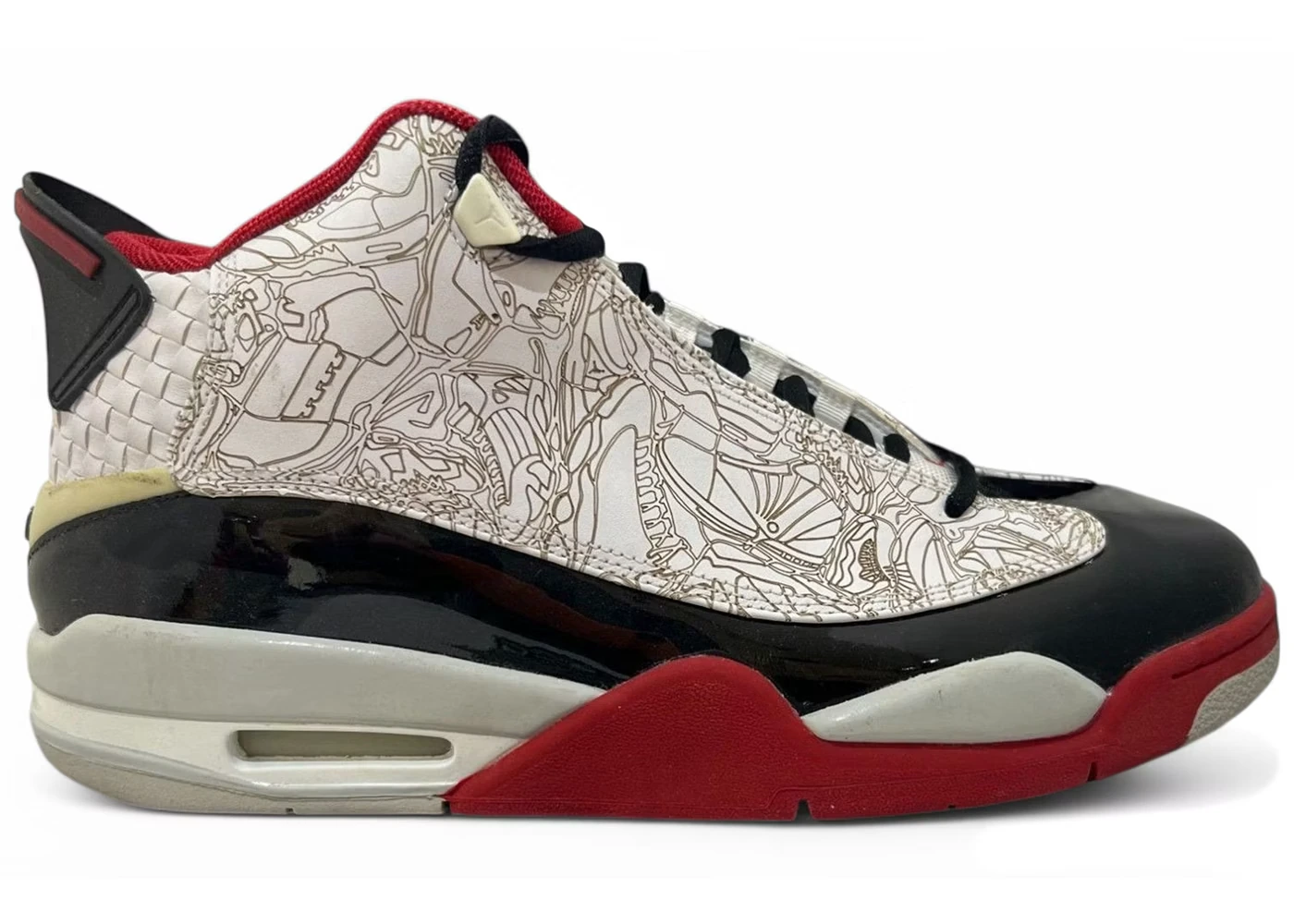
The first-year palette is especially useful because it shows the family before later reinterpretations expanded the possibilities. None of these colors turns the shoe into an AJ4 or AJ11 retro. The original status belongs to the Dub Zero release history, even when individual details have older ancestors.
Returns, revisions and the meaning of retro
The model returned in 2009, with another chapter in 2015. The 2015 Laser edition used white and metallic silver with illustrated panels, adding a distinct later interpretation. A later Dub Zero can therefore revisit the original idea without repeating every material or finish.
This is where the word retro becomes interesting. The first Dub Zero was itself a remix of the archive; a later reissue revisits that remix. There are two historical layers to consider: the older signature models referenced by the design and the specific Dub Zero edition being reproduced or reinterpreted.
The distinction gives the family a richer identity than the label “mash-up” sometimes allows. A shoe can begin by quoting other designs and later become a reference point of its own. Recognizing that progression makes room for the memories of people whose first encounter with Jordan design was the hybrid rather than one of its source models.
Designer attribution and version names
No independently verified individual lead-designer credit is established here. A tribute to Tinker Hatfield’s work is not, by itself, evidence that he designed the finished Dub Zero. The family is attributed to Jordan Brand without turning inspiration into authorship.
Similarly, a retailer calling the base shoe Mid does not establish a separate Mid launch. This history does not identify a documented independent Low debut or first Low colorway. The useful identifiers remain the full model name, year, palette and style code of the actual release.
The Dub Zero’s lasting contribution is a way of treating sneaker history as a visual material. It does not simply preserve the past behind glass. It rearranges recognizable pieces into something deliberately dense, expressive and new, allowing the archive to become a design language rather than a fixed set of objects.
Frequently asked questions
Was the Dub Zero the first hybrid Nike shoe ever?
No such claim is made. Its historical first is commonly framed within Jordan Brand’s retail hybrid category.
Are the navy pairs part of the 2005 original colors?
The documented white-and-navy release dates to 2006, following the four 2005 palettes listed here.
Did Tinker Hatfield design the Dub Zero?
The consulted evidence does not establish an individual lead-designer credit. A tribute to his earlier work is not proof of authorship.