The story of Air Jordan follows a basketball player whose shoes became part of the way people remembered the game. A shape, a color combination or a logo could bring back a dunk contest, a championship or a return to the court. As the line grew, those memories became starting points for new designs.
The partnership with Nike began in 1984. This history follows that beginning through the Air Jordan XXXIII of 2018, connecting the designers, technologies and changes of direction behind the main signature series. The 33 model summaries cover the I through XXXIII. Air Jordan continued beyond this chapter.
How Air Jordan began: the partnership and the first shoe
The first Nike agreement came in 1984, as Jordan began his professional career. Peter Moore’s Air Jordan I reached stores in 1985. That sequence placed a personal signature at the center of a growing relationship between athlete and audience: the name on the shoe belonged to the player people were watching.
The series quickly found room to move beyond its starting point. The II explored a cleaner, Italian-made approach; the III opened a long collaboration with Tinker Hatfield. Each new shoe could introduce another side of Jordan without looking exactly like the last. That freedom became one of the most interesting threads running through the collection.
The designers: a continuing conversation
The early chapters reveal how much a change of designer could reshape the line. Hatfield arrived with the III, and his collaboration with Jordan became central to the line. Elephant print, aircraft references and automotive influences offered ways to turn personality and movement into something a fan could recognize on a shelf.
The design conversation kept expanding. Wilson Smith III led the XVI and XVII, and Tate Kuerbis designed the XVIII. Mark Smith, D’Wayne Edwards and Tom Luedecke also contributed to later chapters. Looking across their work reveals the variety within the franchise: a shoe might expose its structure, conceal it under a cover or return to a familiar visual reference with different materials. The changes of authorship help explain why collecting Air Jordans can feel like following a series of ideas rather than variations on a single object.
Michael Jordan’s career and the line’s longer life
For the early models, Jordan’s playing career supplies much of the chronology: the first championship period, retirement, a return to Chicago and the Washington years. But the model number is not a count of his NBA seasons. The IX continued during his first retirement, and the XVIII accompanied his final NBA season in 2003. The signature line then kept developing for other players.
There is also a distinction between Air Jordan, the main signature series, and Jordan Brand, the broader brand established in 1997 within Nike. A shoe bearing a Jumpman is not automatically the next numbered Air Jordan. Team products and other athletes’ signature lines belong to the wider family. Separating those categories prevents a history of the flagship from turning into an unmanageable list of every Jordan product.
A technology timeline, without treating every change as a ranking
Read the technology story in stages. The early shoes developed a language of cushioning, support and distinctive uppers. Later models explored unusual coverings and materials. The XXIII made Nike’s Considered approach to materials and waste part of its identity. The 2011 and 2012 models emphasized modular choices; the XX8 introduced Flight Plate, and the XX9 made performance weaving a central feature.
By the XXXIII, FastFit changed the process of securing the shoe with a manual pull mechanism. It should not be described as motorized self-lacing. These developments answer different design questions: how a shoe fits, how the upper holds the foot, how cushioning works and how the product is manufactured. A later launch date alone cannot establish which model is best for a particular player.
Why the names change from XXIII to 2009, then XX8
After the XXIII, the main line used calendar-year names for four editions: Air Jordan 2009, Air Jordan 2010, Air Jordan 2011 and Air Jordan 2012. They occupy positions 24, 25, 26 and 27 in the sequence. Those positions help organize the history, but they should not replace the official product names in a headline or a collector’s record.
The series returned to a number-based name with Air Jordan XX8, which was announced in 2012 and sold in 2013. The mixed Roman-and-Arabic styling also appears in XX9. XXX and XXXI both arrived in 2016, another reason to avoid estimating a release year by using model numbers as a calendar. The timeline below uses model debut years; individual colorways may have different dates.
OG, retro and colorway: three different pieces of information
OG means original in sneaker usage, but its meaning depends on context. An OG pair can mean a pair manufactured in the original release period. An OG colorway means a color combination associated with that first run. An OG designation in a modern product title does not, by itself, mean the physical pair is decades old.
A retro is a later release of an earlier model. It can bring back an original palette or introduce a new one. A colorway, often abbreviated CW, describes the color arrangement. Model, colorway and release year should therefore be recorded separately. A recent retro in an original colorway is still a recent pair. Nicknames also need care: a popular nickname can appear long after the shoe first reached stores.
For research, start with the model, then check the exact color description, style code, cut and release year. A photograph of a player’s special pair does not automatically establish a public retail release. Nor does an archive’s model-year heading date every colorway shown on the page. These distinctions keep the individual histories useful for readers comparing originals, later releases and player exclusives.
Air Jordan timeline: 33 model guides from I to XXXIII
From the original I to the FastFit system of the XXXIII, each entry below introduces one chapter in the line’s evolution.
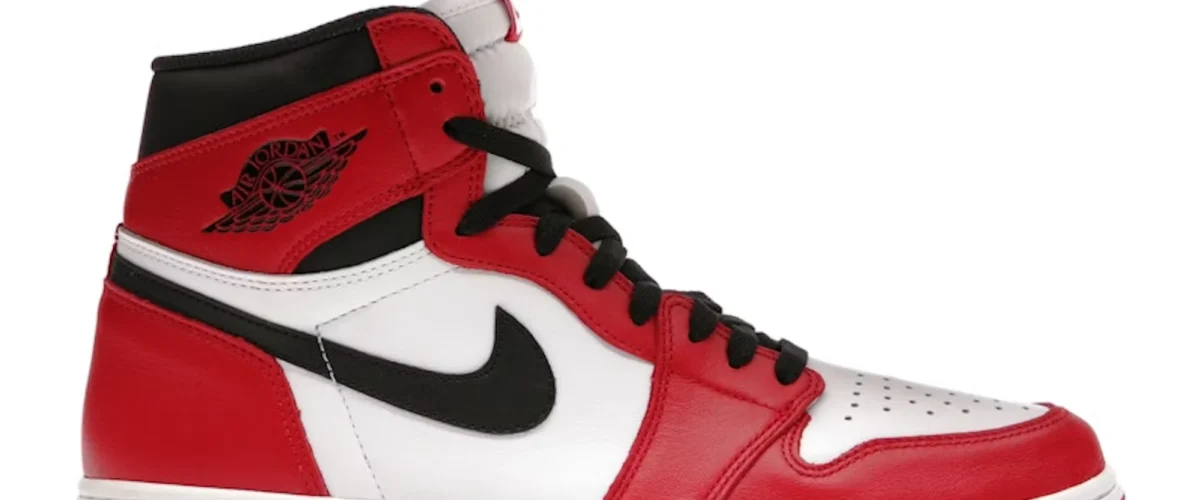
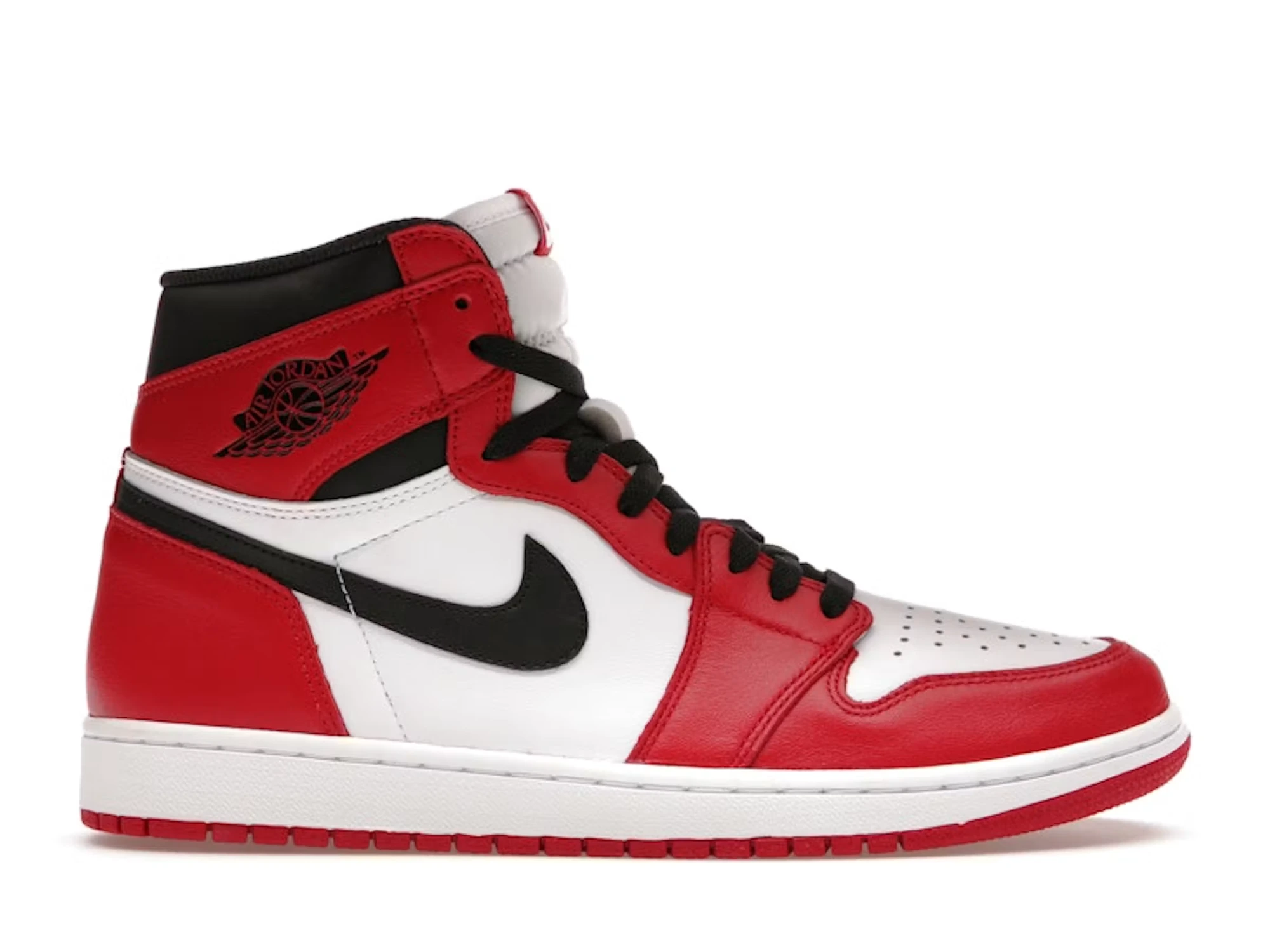
Air Jordan I (1985)
The I opens the collection with a silhouette that later generations repeatedly return to. Its long afterlife gives the original shoe and its later retro editions distinct chapters in the same story.
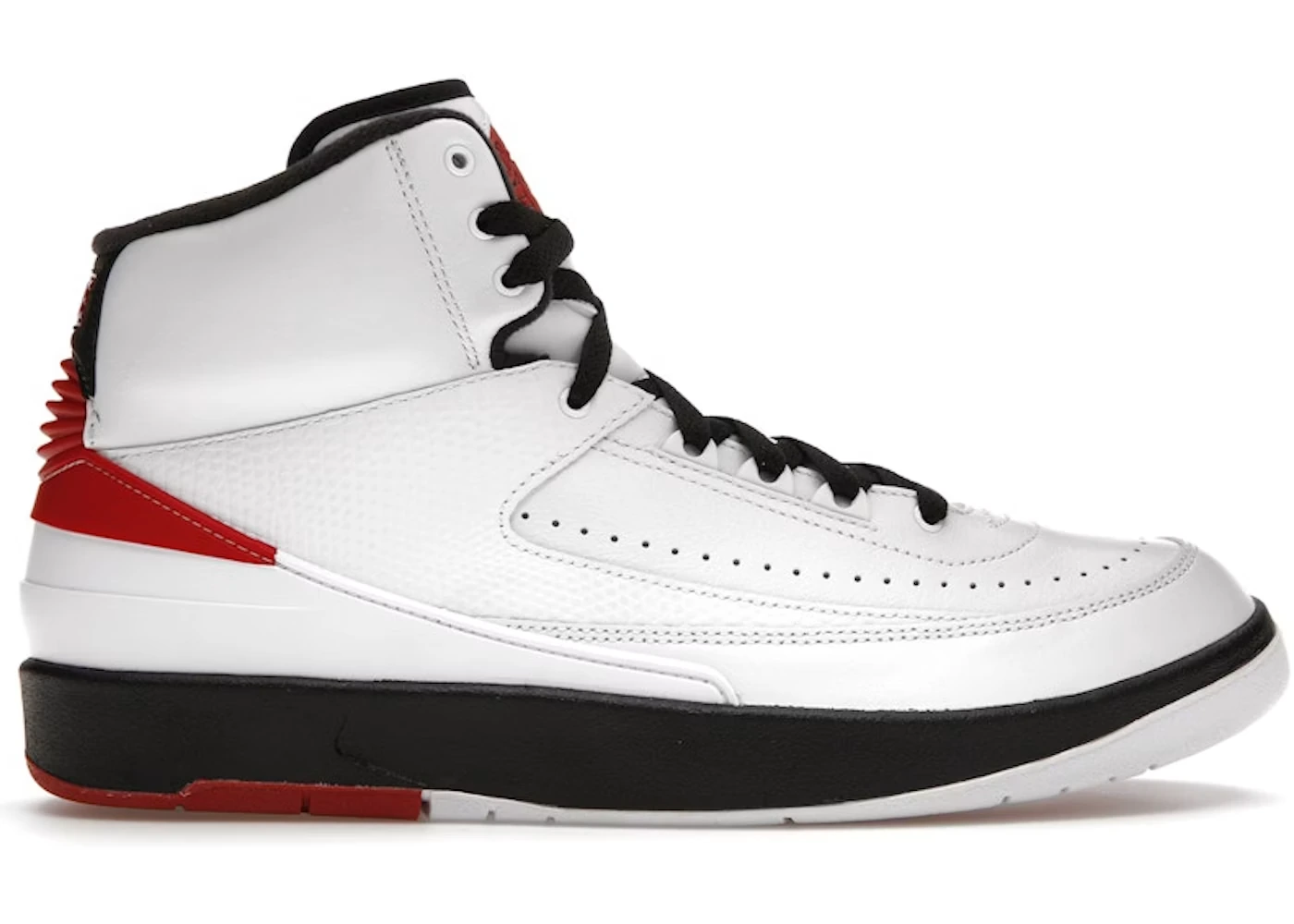
Air Jordan II (1986)
Italian production, a streamlined upper and no lateral Swoosh gave the second shoe a different visual language. Peter Moore and Bruce Kilgore established that a new Jordan could rethink the formula instead of merely changing colors.
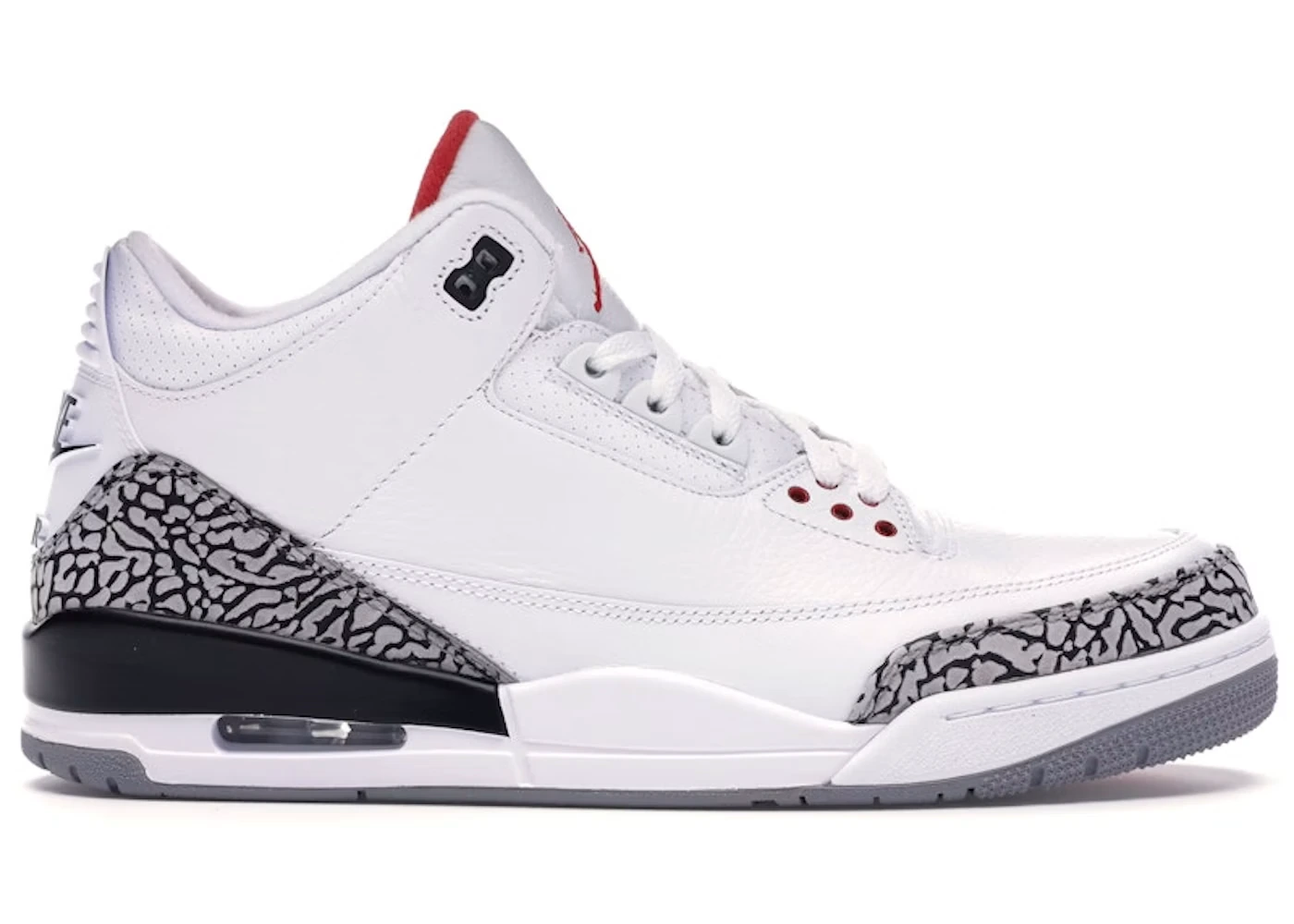
Air Jordan III (1988)
Tinker Hatfield entered the series with elephant print and a prominent Jumpman. This is a useful starting point for understanding how recognizable details could give successive shoes a shared identity without repeating their shape.
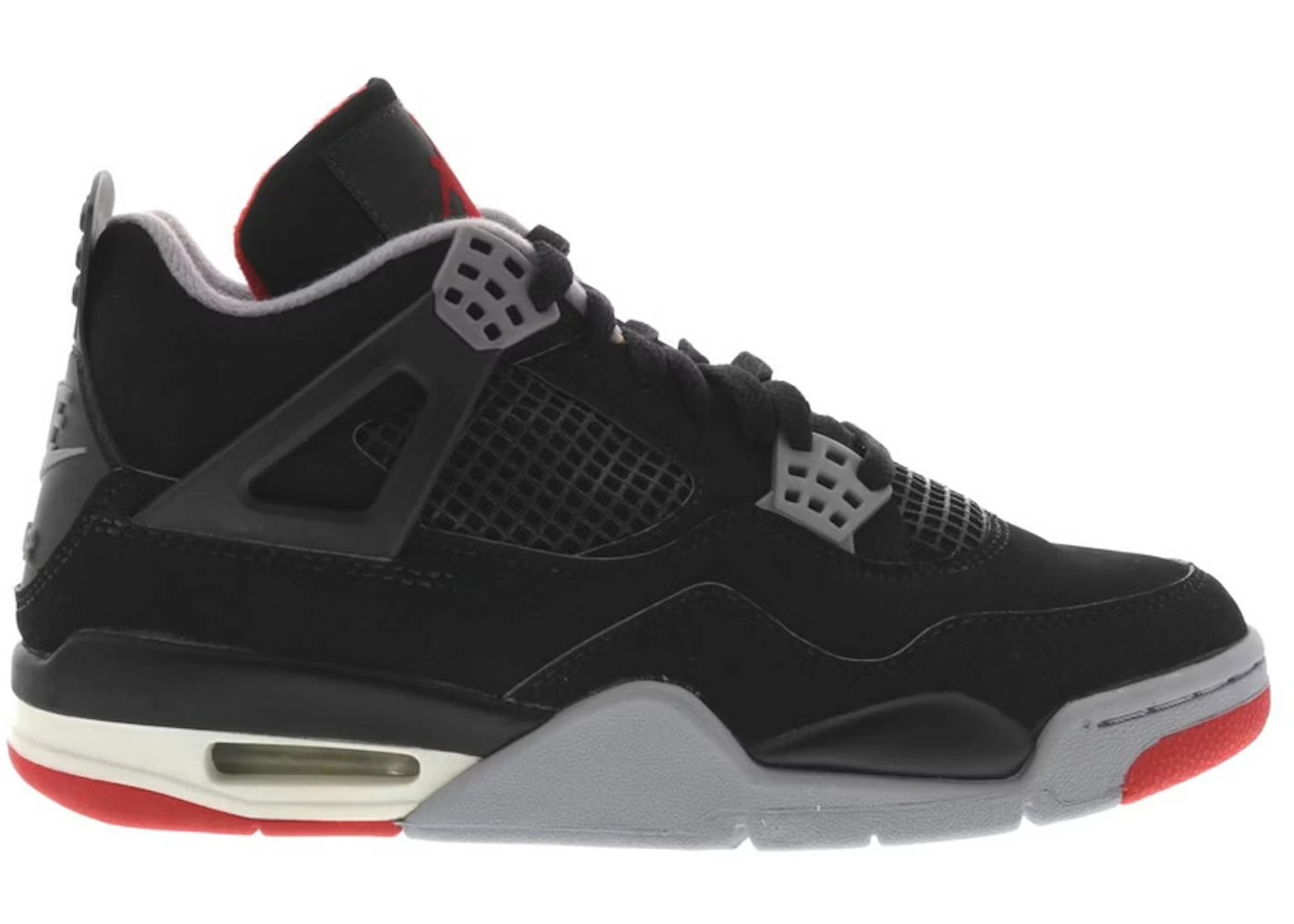
Air Jordan IV (1989)
Mesh panels and the structured lacing system made the IV immediately recognizable. Its association with The Shot and its appearance in Do the Right Thing connect basketball memory with the growing cultural life of the sneaker.
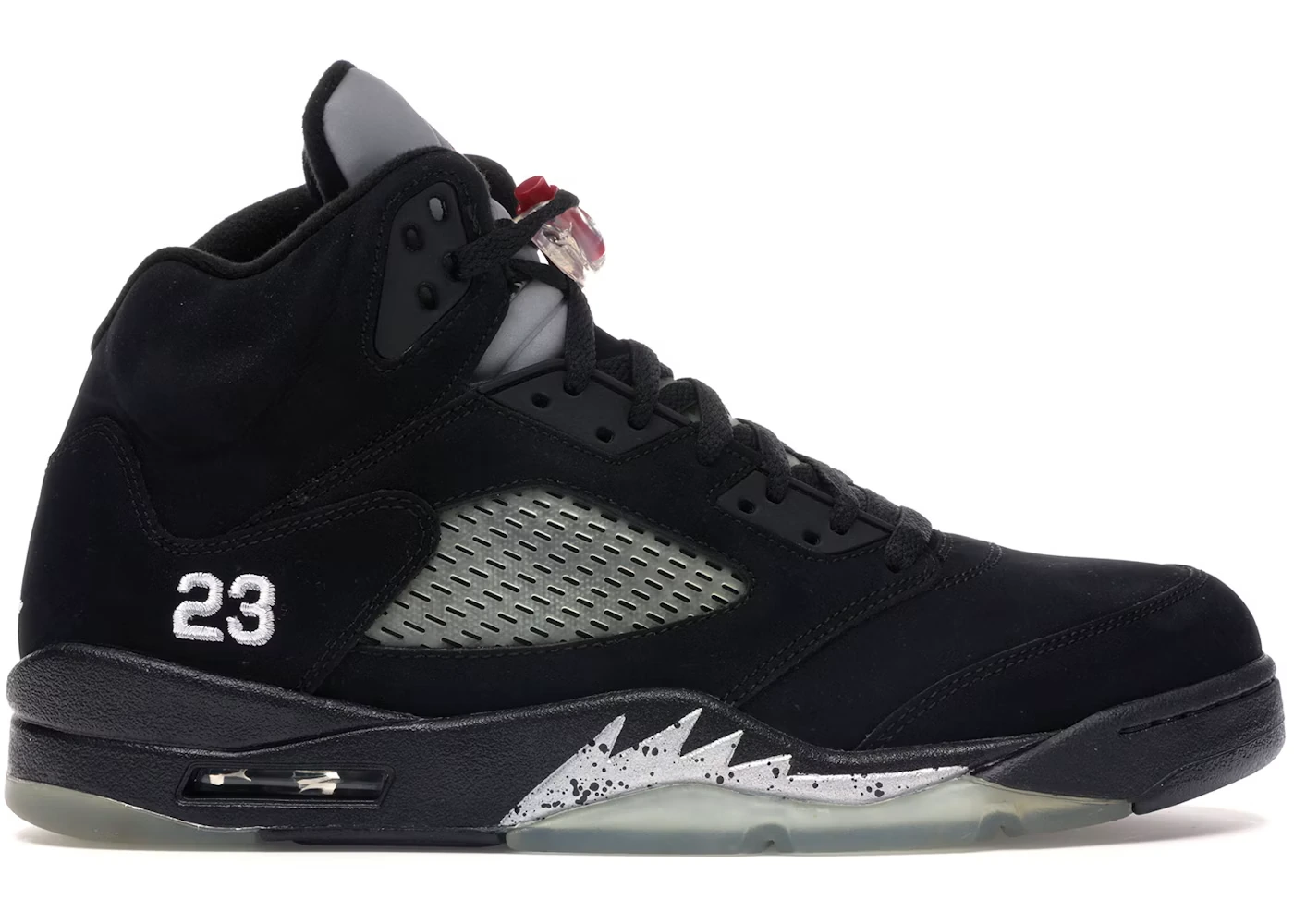
Air Jordan V (1990)
The fighter-plane influence brought an aggressive midsole graphic to the line. The V is the next stop for readers interested in how a design reference becomes a visible sneaker detail rather than a literal replica.
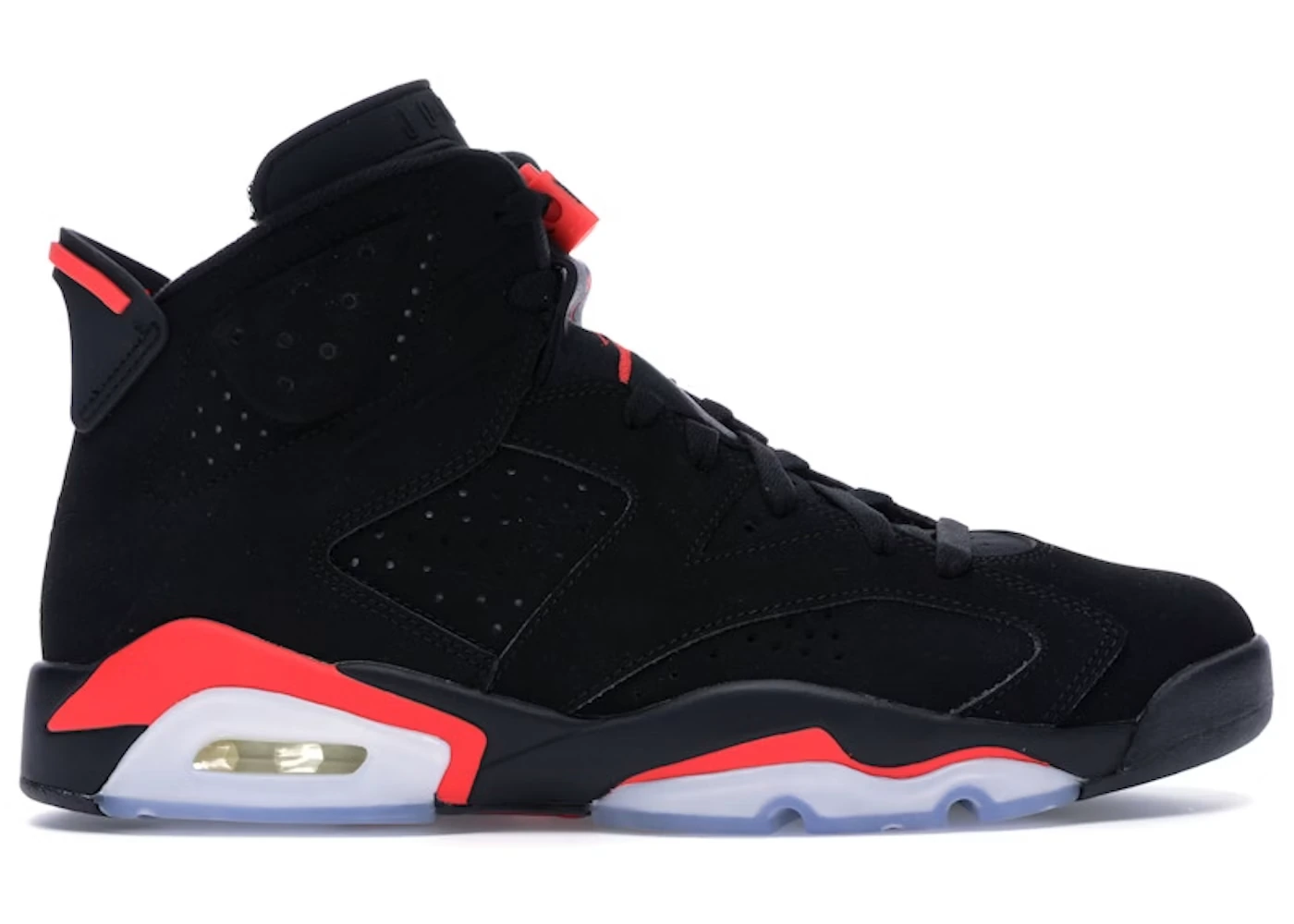
Air Jordan VI (1991)
The VI belongs to Jordan’s first NBA championship season. Its molded tongue and rear pull tab also make it a useful case study in how putting on a shoe can become part of its design identity.
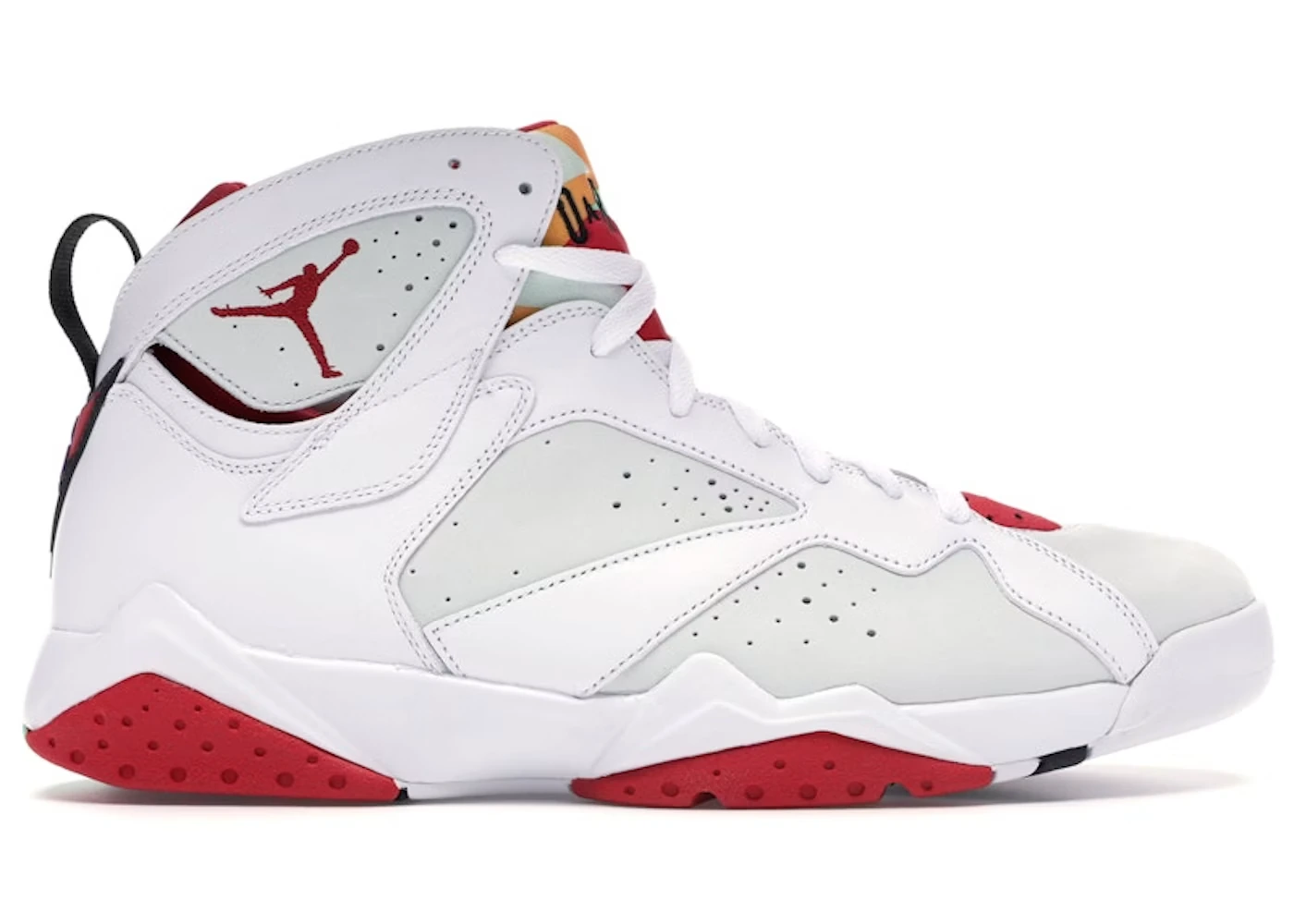
Air Jordan VII (1992)
The VII connects the Bulls era with Jordan’s Olympic summer. The Olympic edition deserves its own context: national-team colors and details are not interchangeable with the versions associated with Chicago.
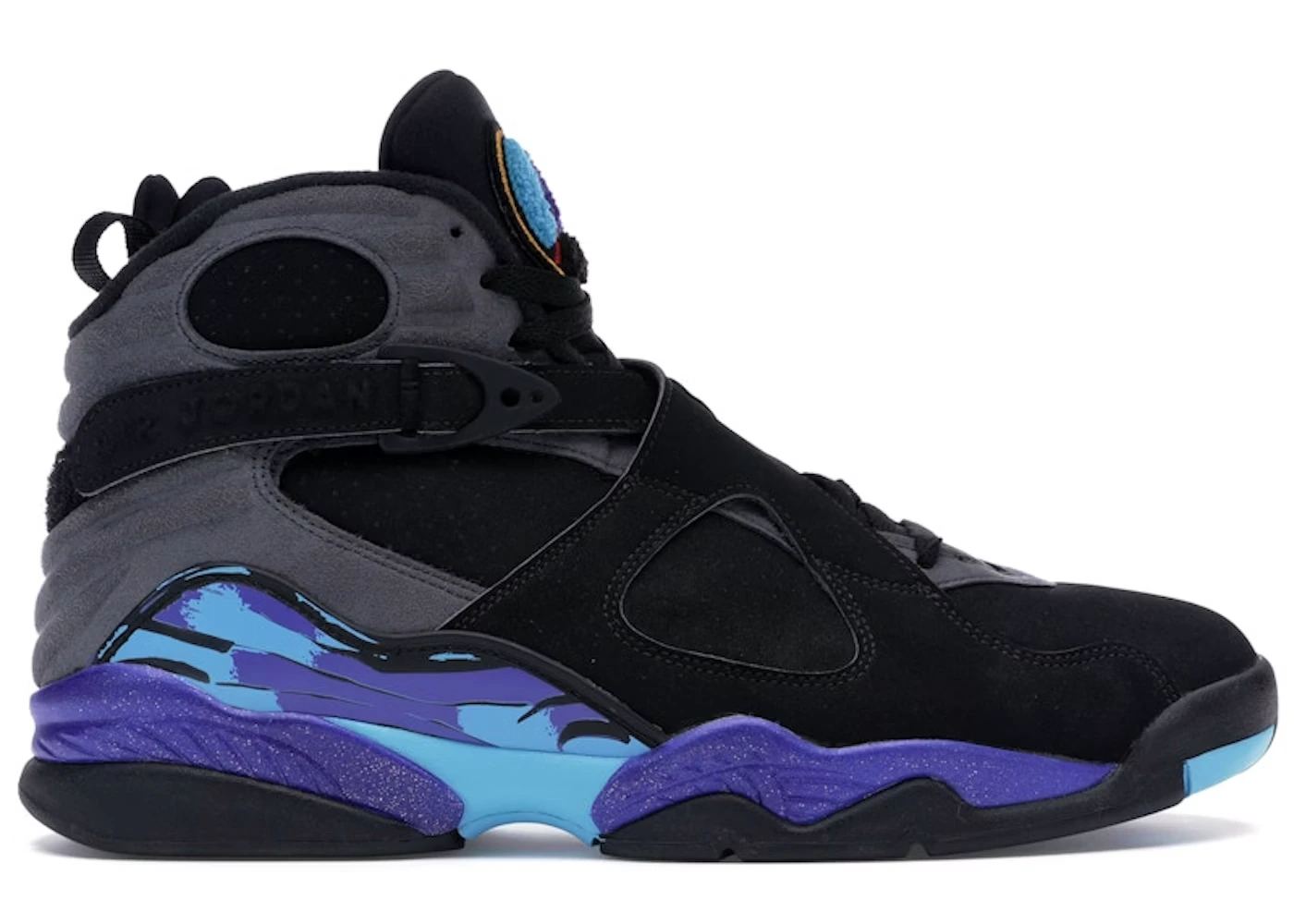
Air Jordan VIII (1993)
Crossing straps define the VIII’s silhouette. Its place at the end of Chicago’s first championship three-peat makes it a natural closing chapter for the first sustained run of title-winning Air Jordans.
Air Jordan IX (1993)
Released around Jordan’s first retirement, the IX carried the franchise forward during his move toward baseball. Its original 1993–94 cycle is a reminder that a model’s story can extend beyond a single calendar year.
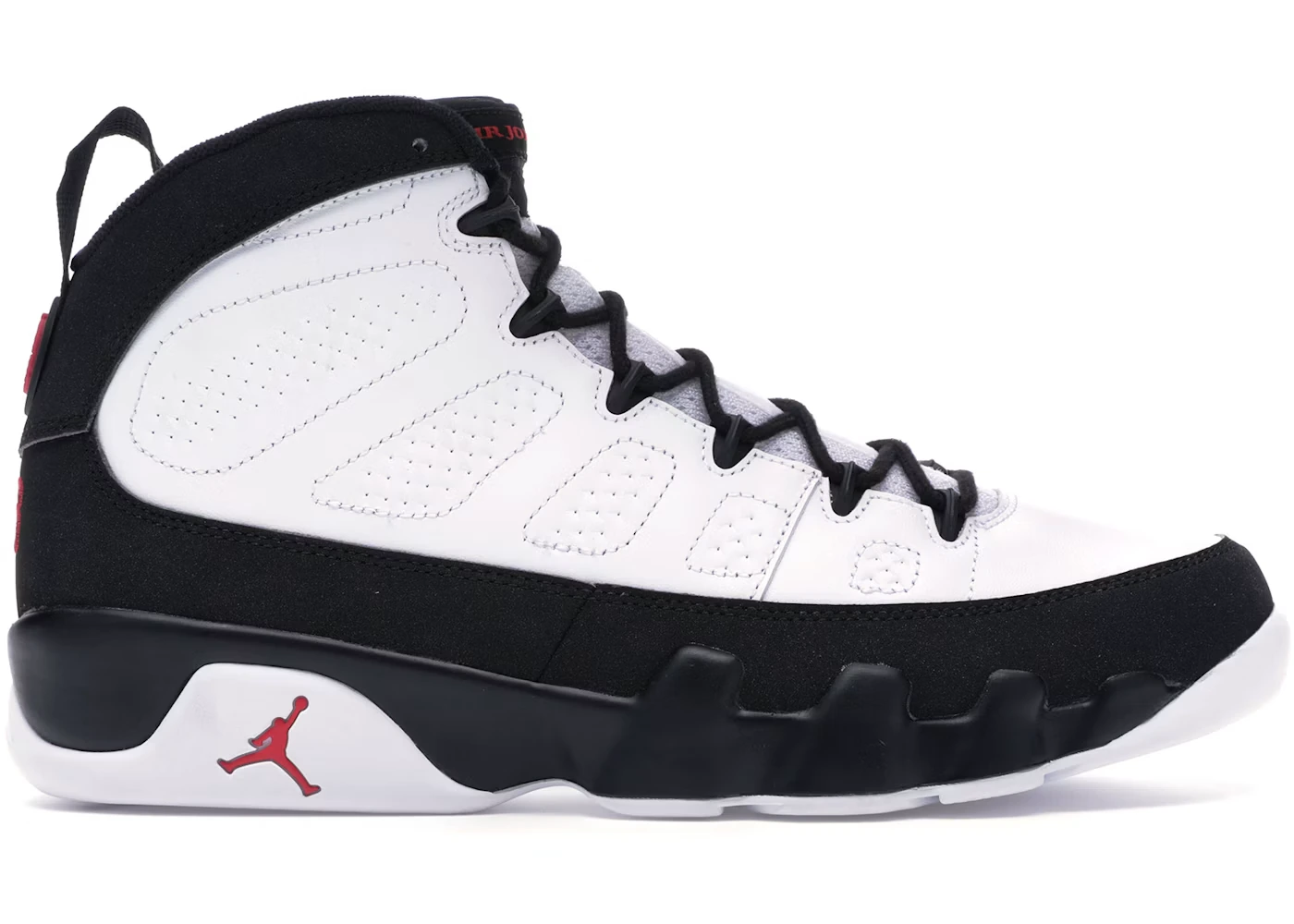
Air Jordan X (1994)
The outsole records career achievements, giving the X the character of a retrospective. Jordan’s return in 1995 then changed the context of a shoe that had been designed during his absence from NBA play.
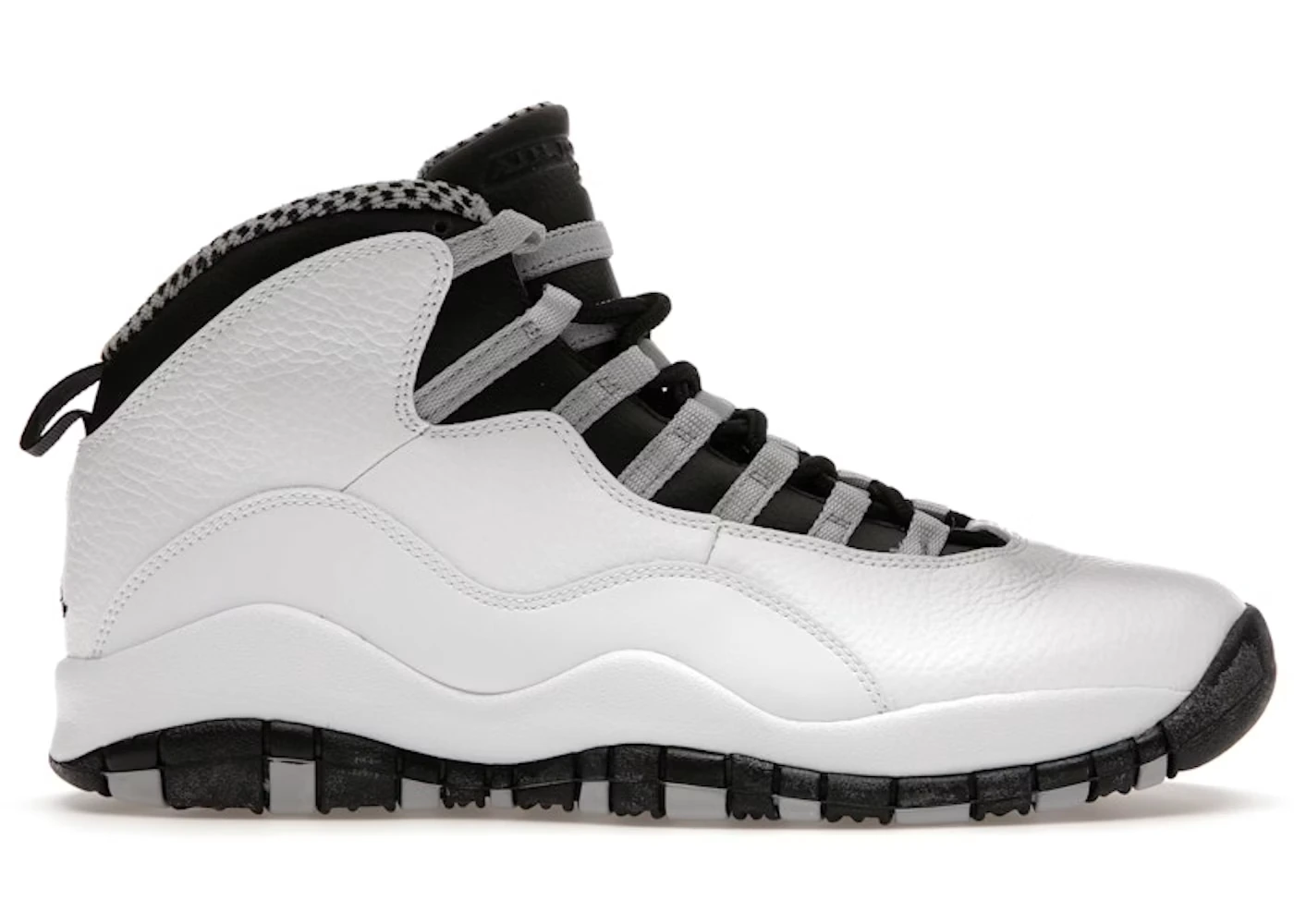
Air Jordan XI (1995)
Patent leather made the XI visually distinct within the series. Its connection with the 1995–96 Bulls adds sporting weight, while its construction makes it central to any discussion of Jordan design beyond traditional leather basketball uppers.
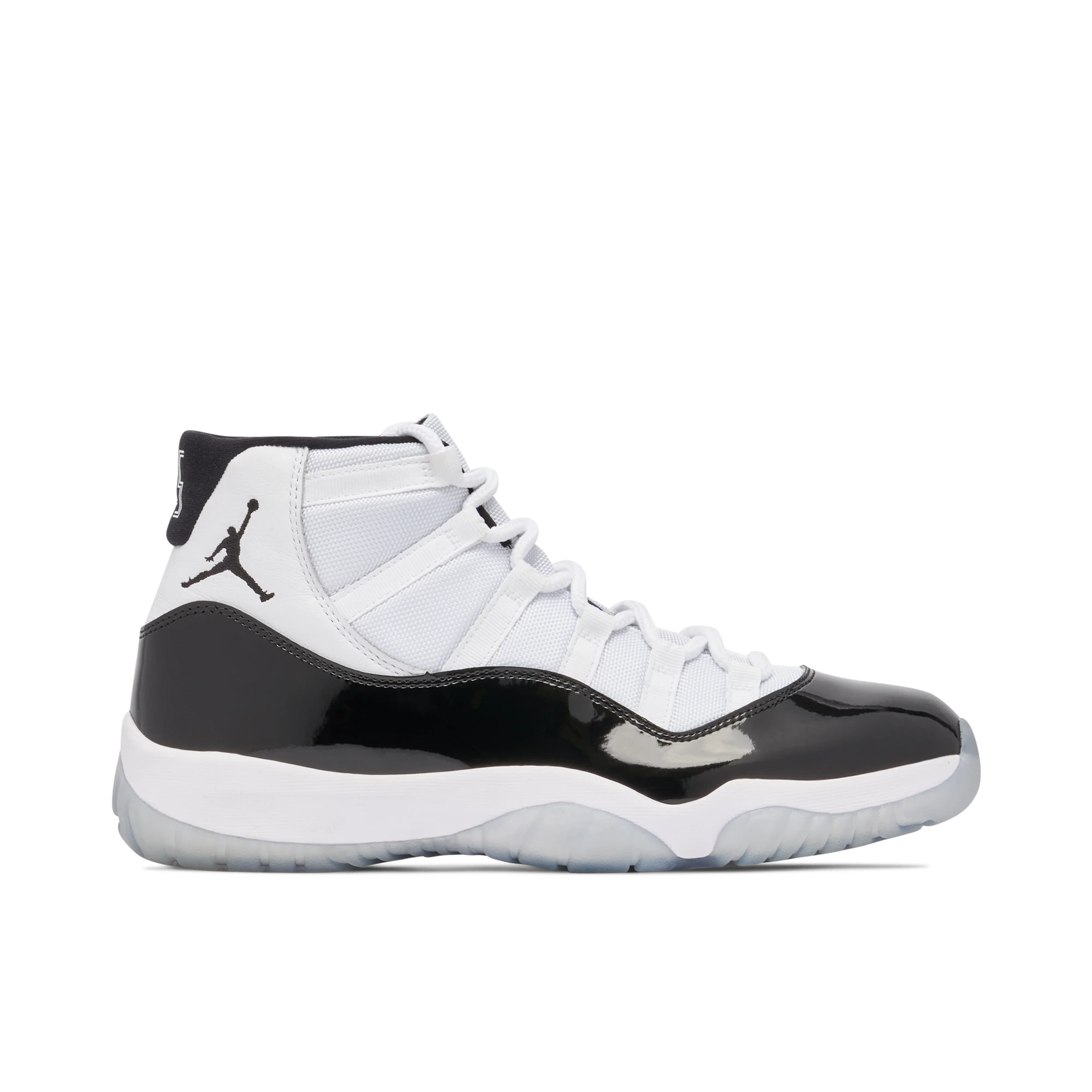
Air Jordan XII (1996)
Radiating upper panels distinguish the XII. The shoe’s 1996 debut and its famous 1997 Finals appearance belong to the same original cycle, an especially clear example of why launch year and game year must be separated.
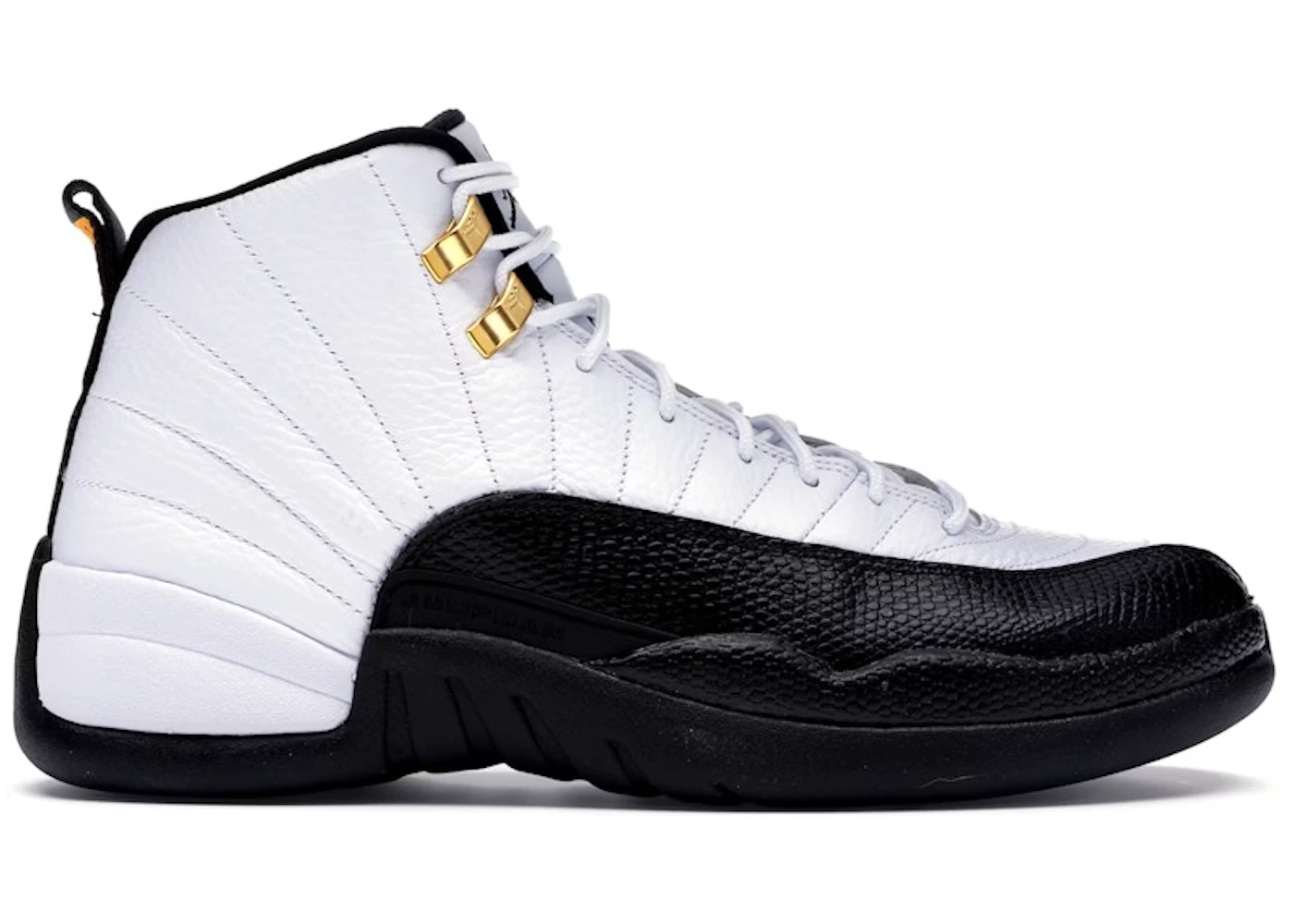
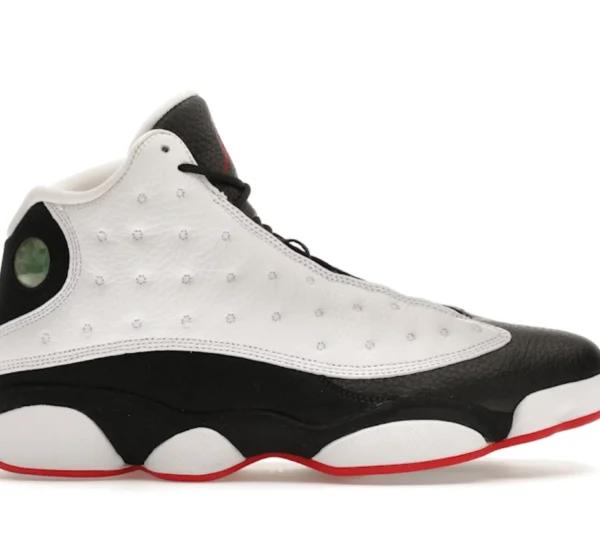
Air Jordan XIII (1997)
The black-cat concept translates Jordan’s movement into a distinctive outsole and upper. The XIII also sits at the transition into Jordan Brand, giving this chapter both a product story and a wider brand context.
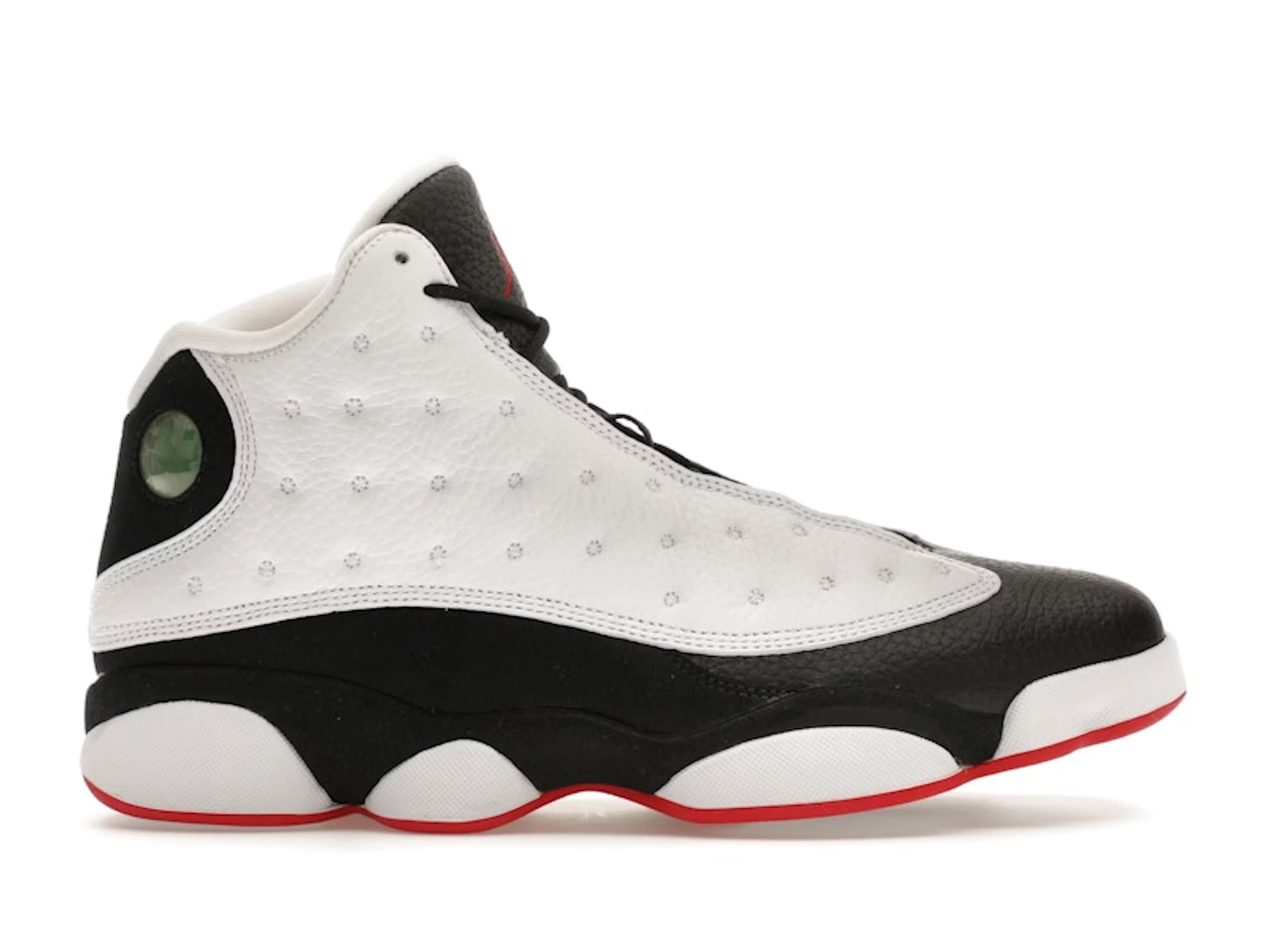
Air Jordan XIV (1998)
The XIV is linked to Jordan’s final championship with Chicago. Motorsport-inspired details offer a different reading of speed from the earlier aircraft references, while game-worn and retail dates require careful distinction.
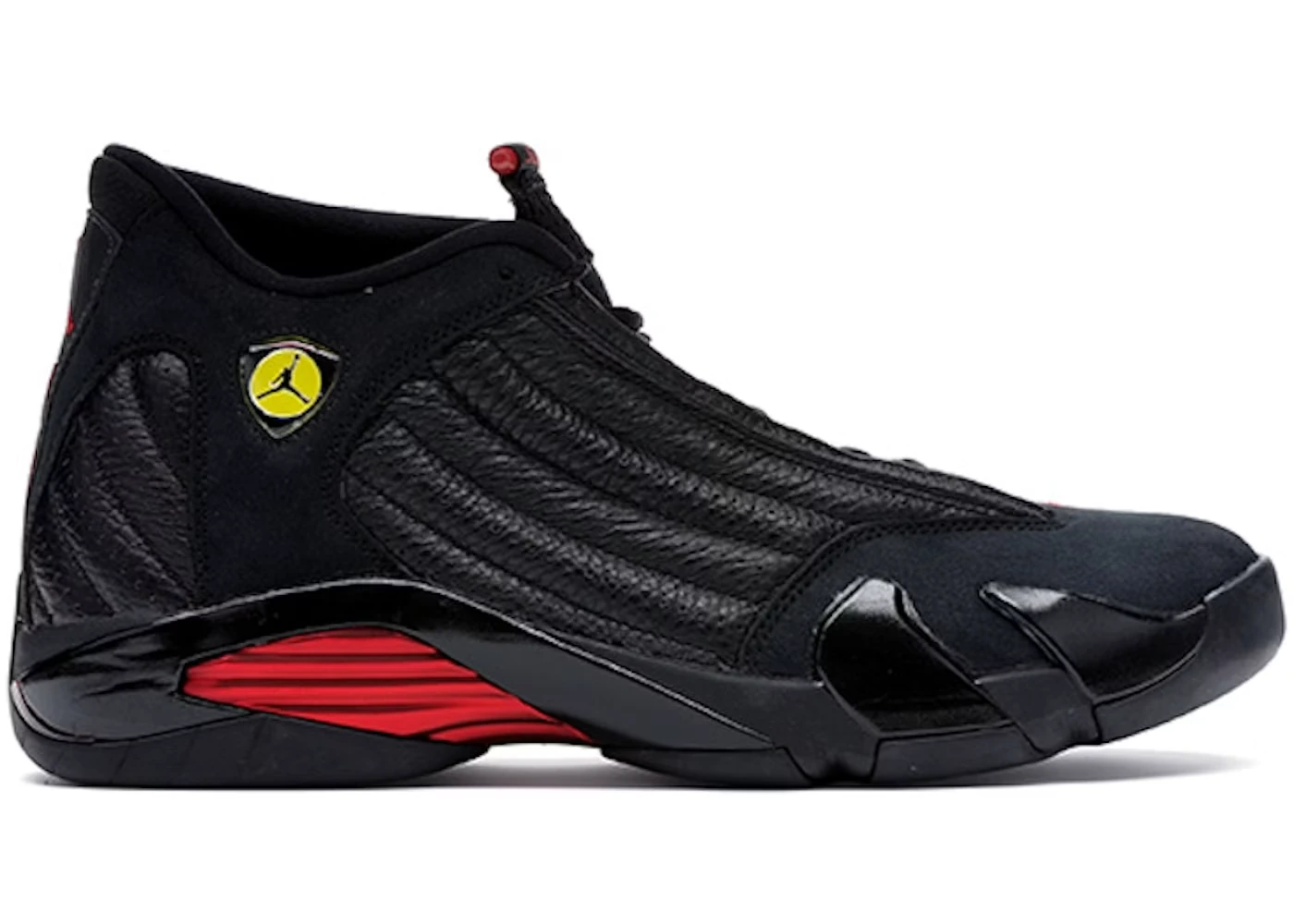
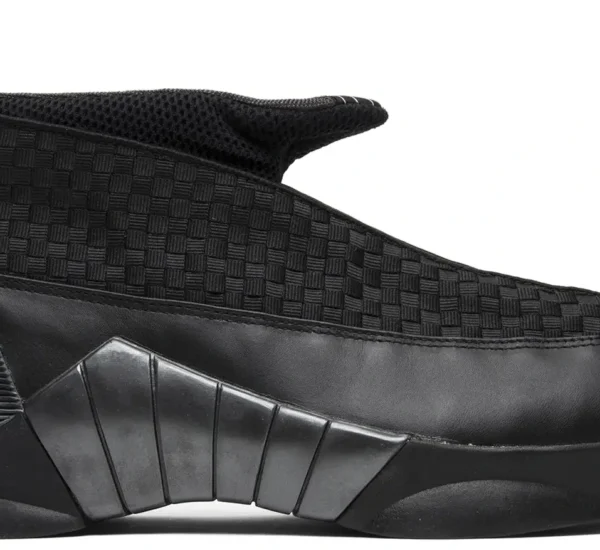
Air Jordan XV (1999)
The XV continued after Jordan’s second retirement. Its unusual woven upper and projecting tongue make it a useful counterpoint to the idea that every new signature shoe needed to follow the look of its most familiar predecessors.
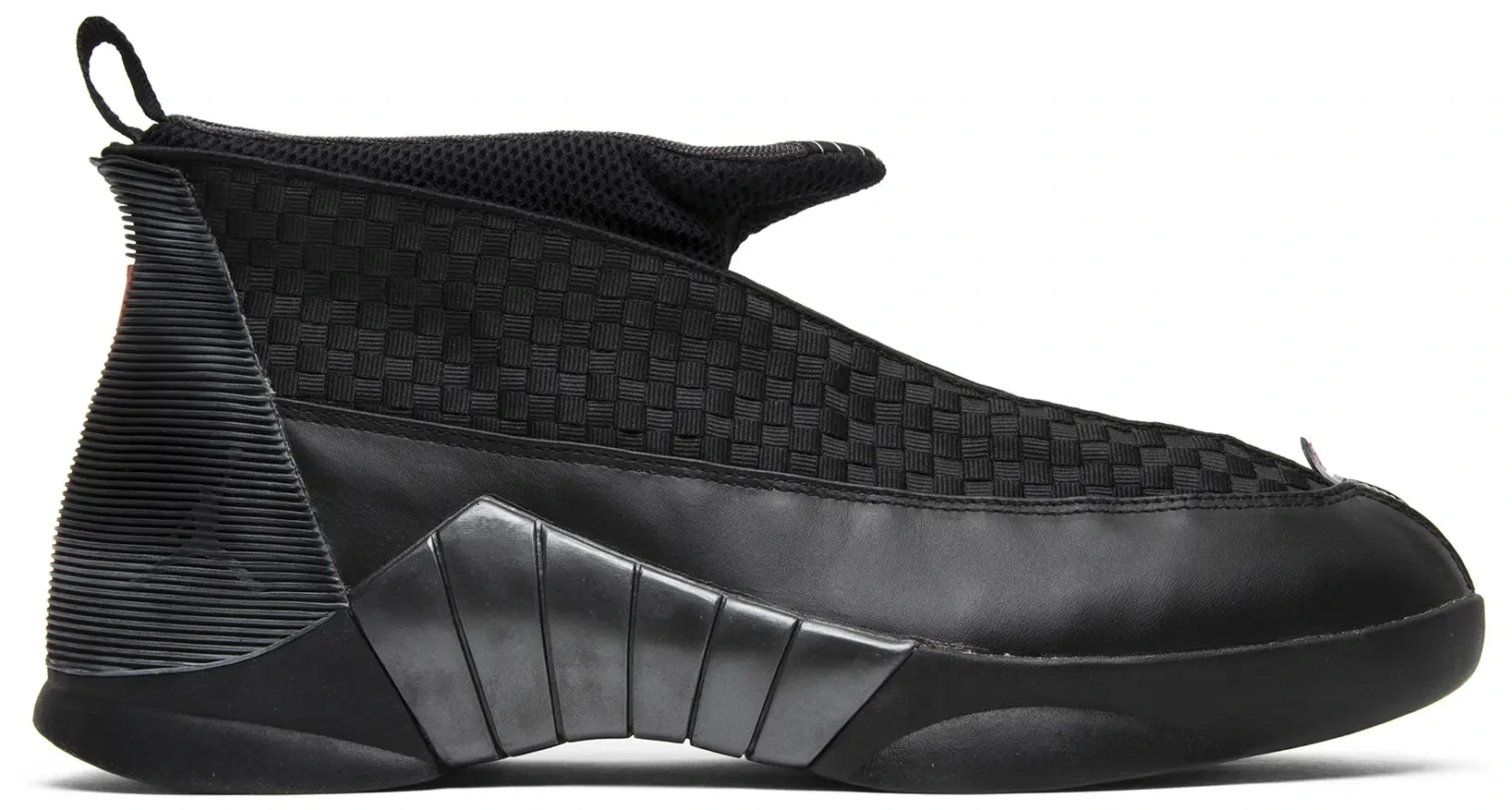
Air Jordan XVI (2001)
Wilson Smith III’s XVI introduced a removable shroud as a defining feature. Covering and uncovering the upper makes the shoe particularly useful for understanding the line’s experiments with presentation and adaptability.
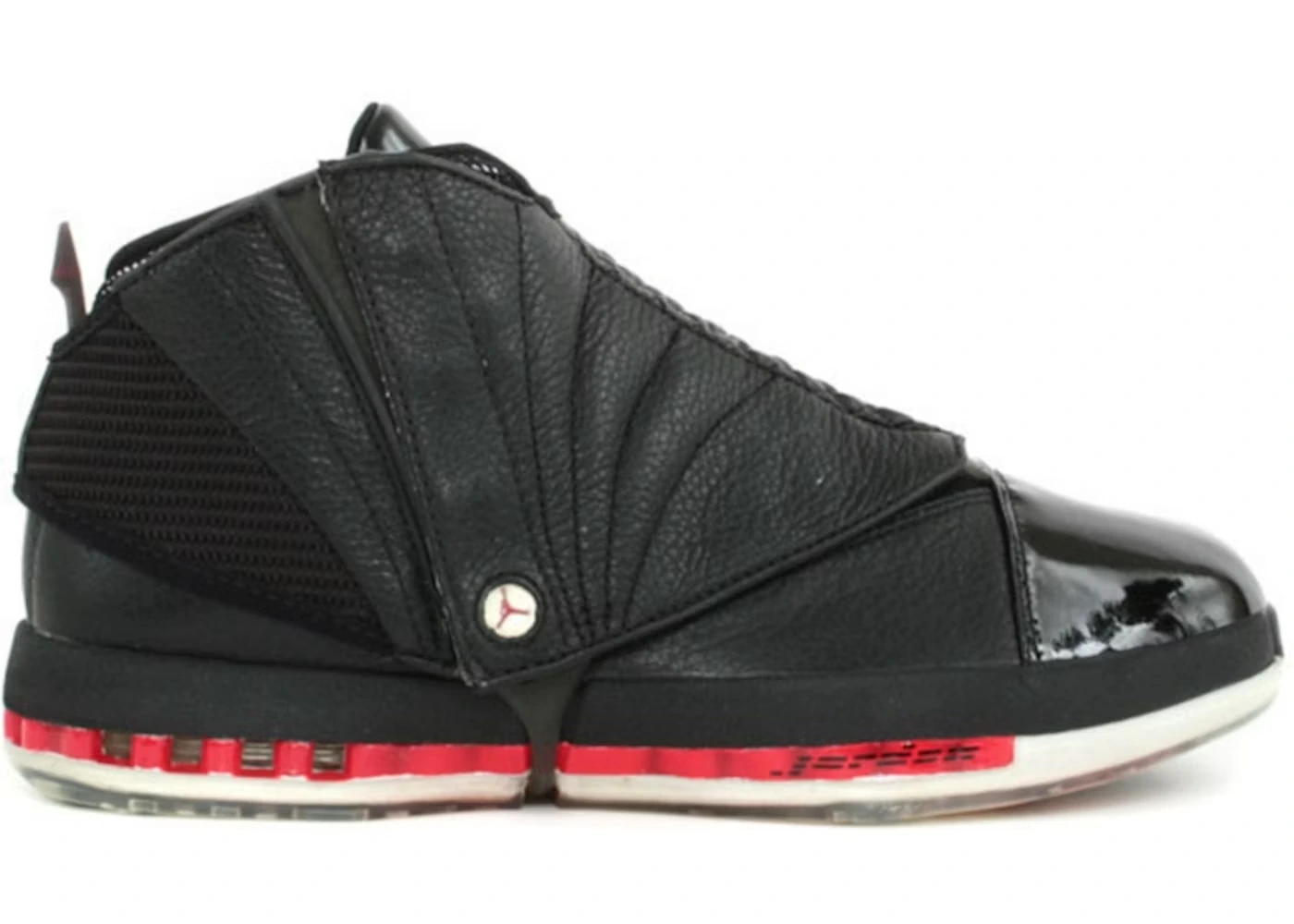
Air Jordan XVII (2002)
The XVII belongs to Jordan’s Washington period. Wilson Smith III’s design provides a bridge between the earlier Chicago-centered stories and the final chapter of Jordan’s NBA playing career.
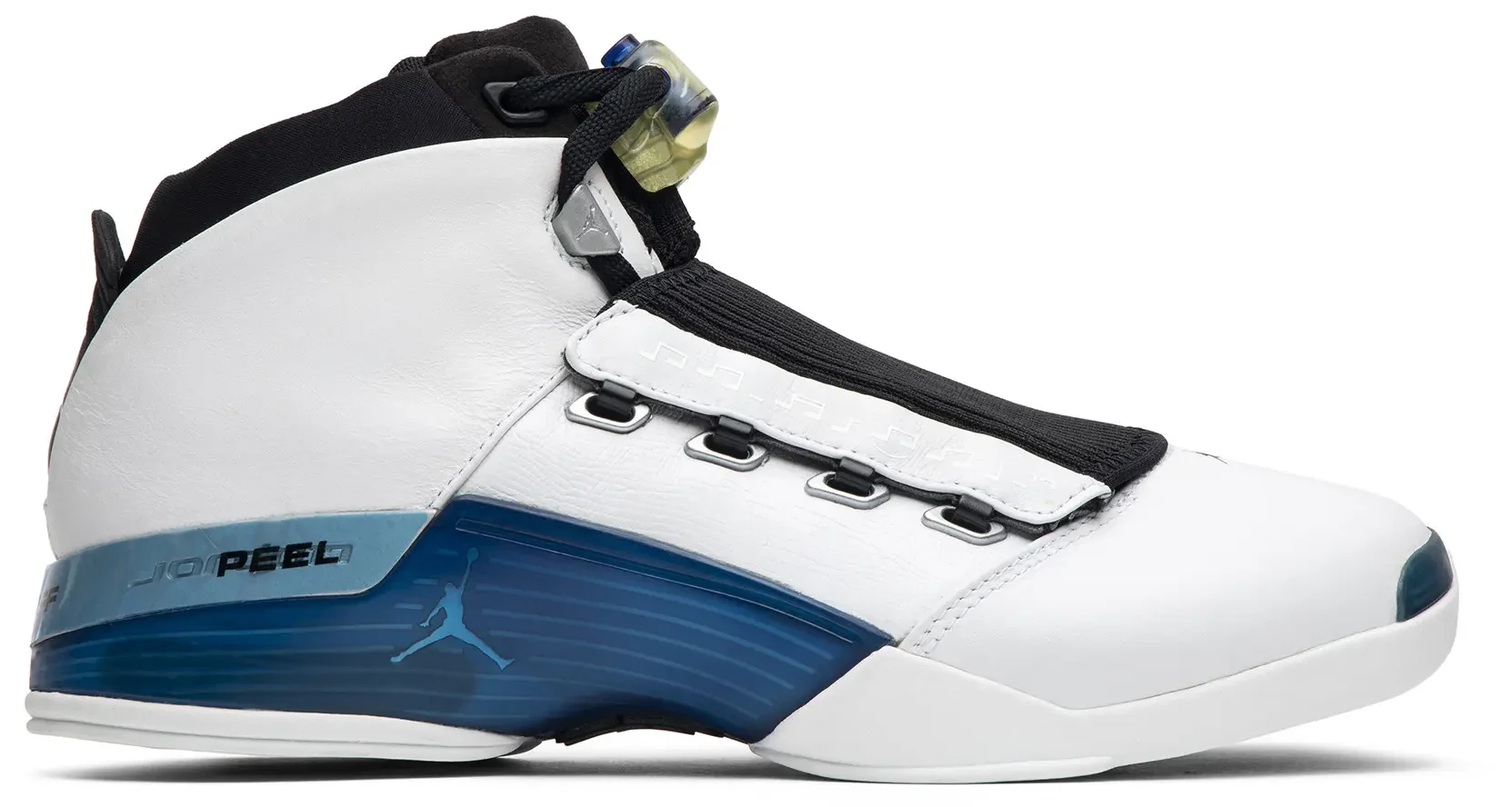
Air Jordan XVIII (2003)
Tate Kuerbis’s XVIII accompanied the last season of Jordan’s NBA career. That makes it an important boundary in this guide: subsequent numbered releases continue his signature line without being shoes from a new Michael Jordan NBA season.
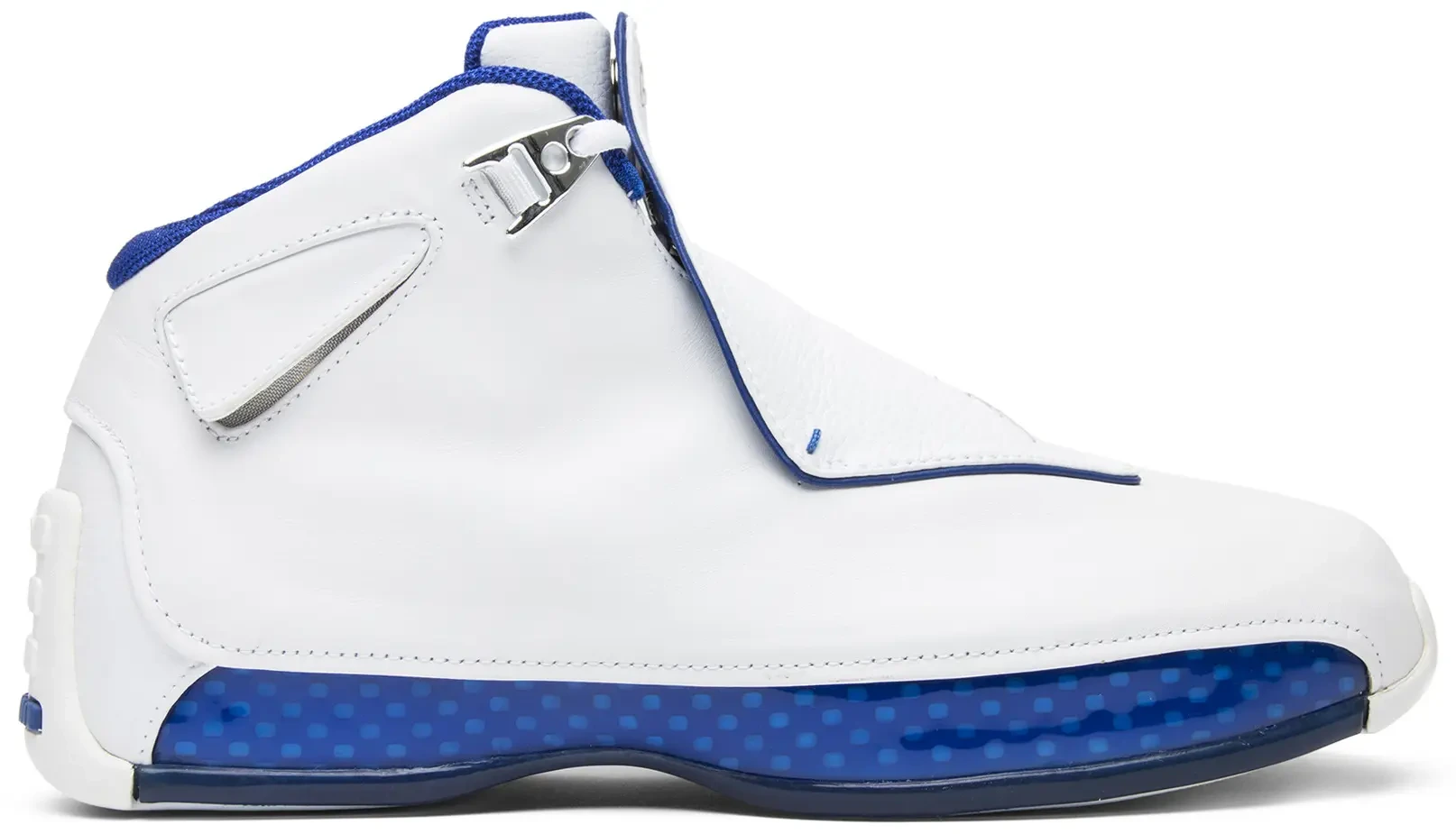
Air Jordan XIX (2004)
The XIX’s upper introduced a different material-led identity after Jordan’s retirement. This chapter shifts attention toward what a flagship basketball shoe could offer the players who would carry the line forward.
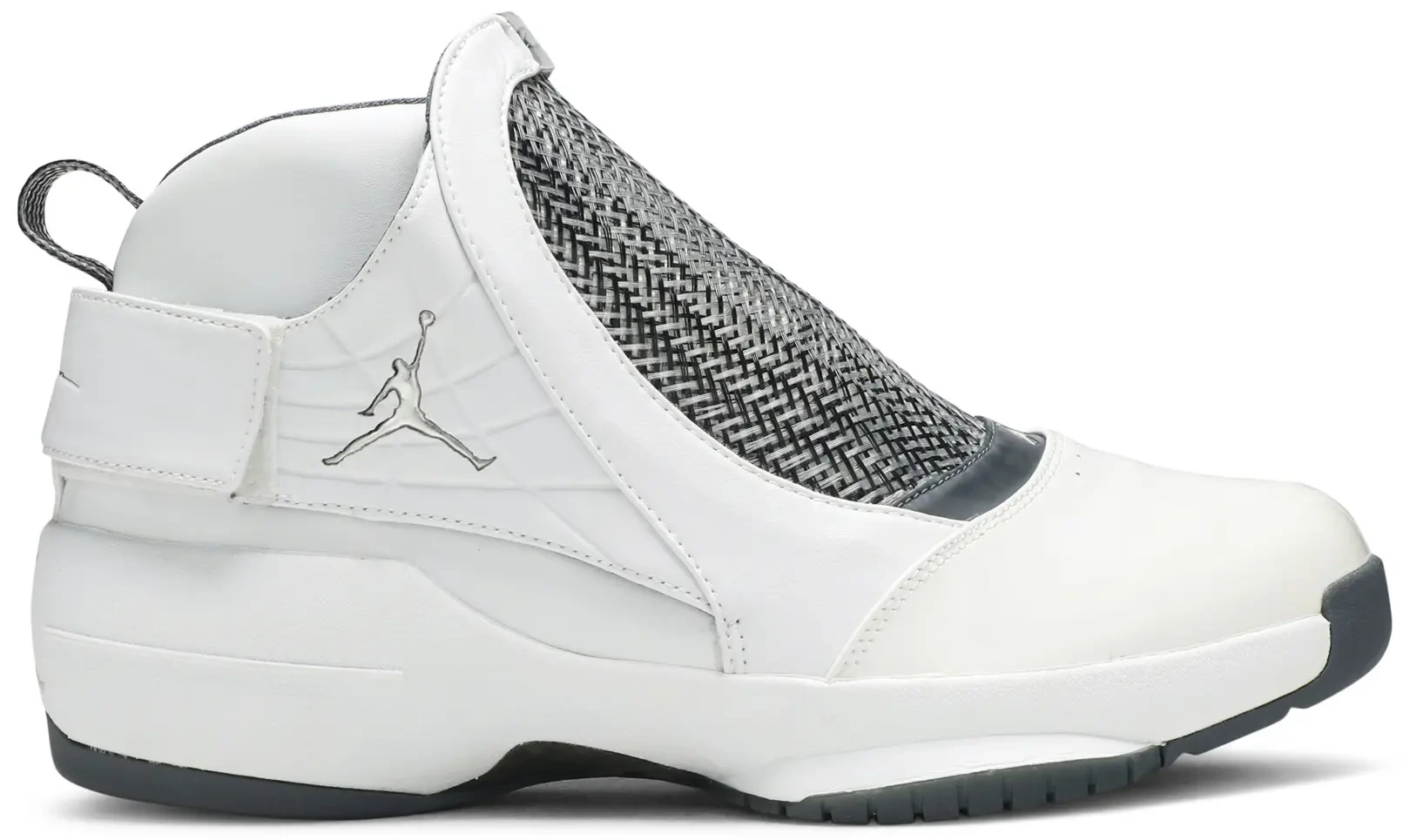
Air Jordan XX (2005)
Tinker Hatfield and Mark Smith used the twentieth model to revisit Jordan’s life through graphic storytelling. It is a helpful example of an anniversary shoe combining a backward-looking theme with a new performance design.
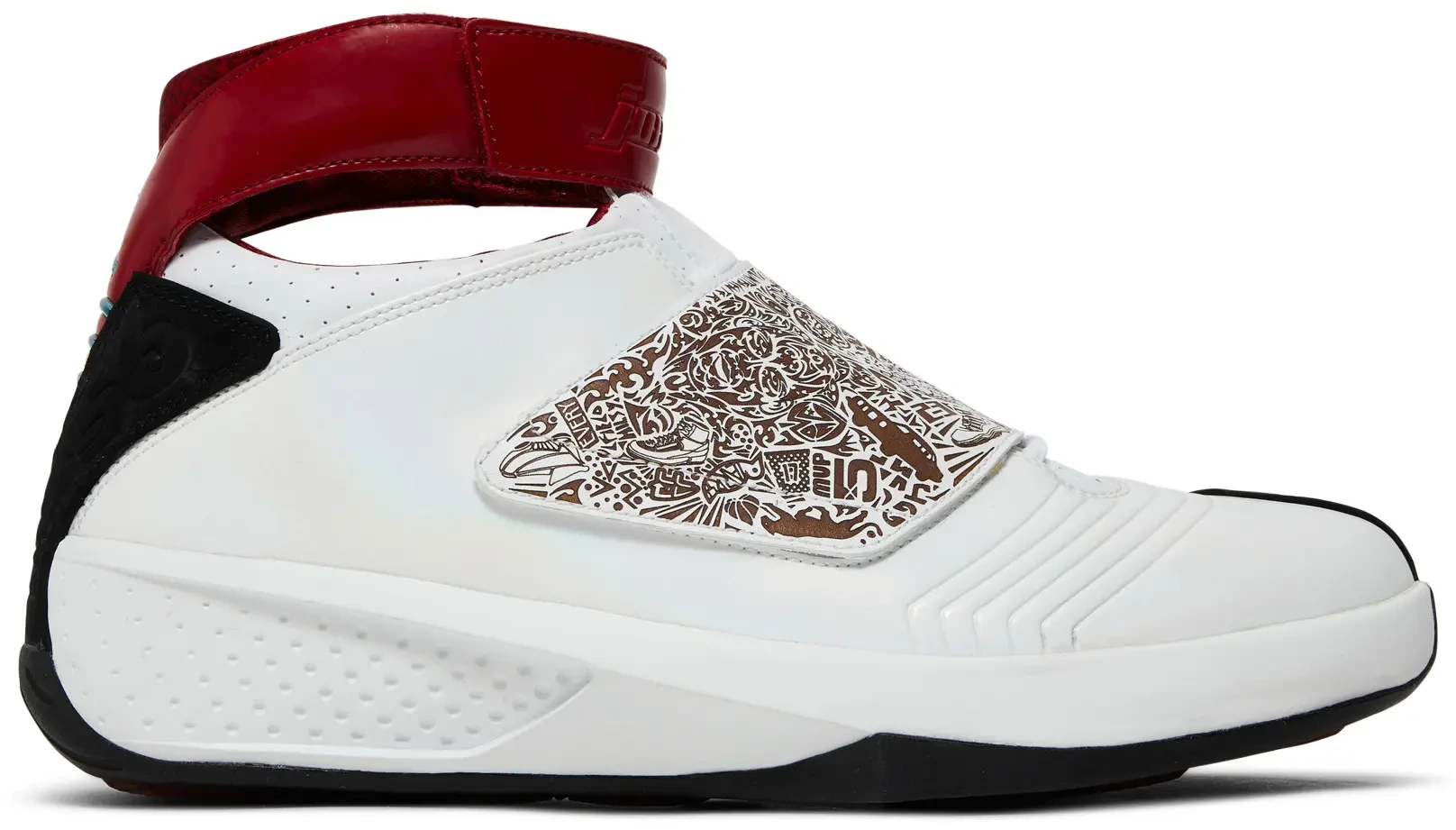
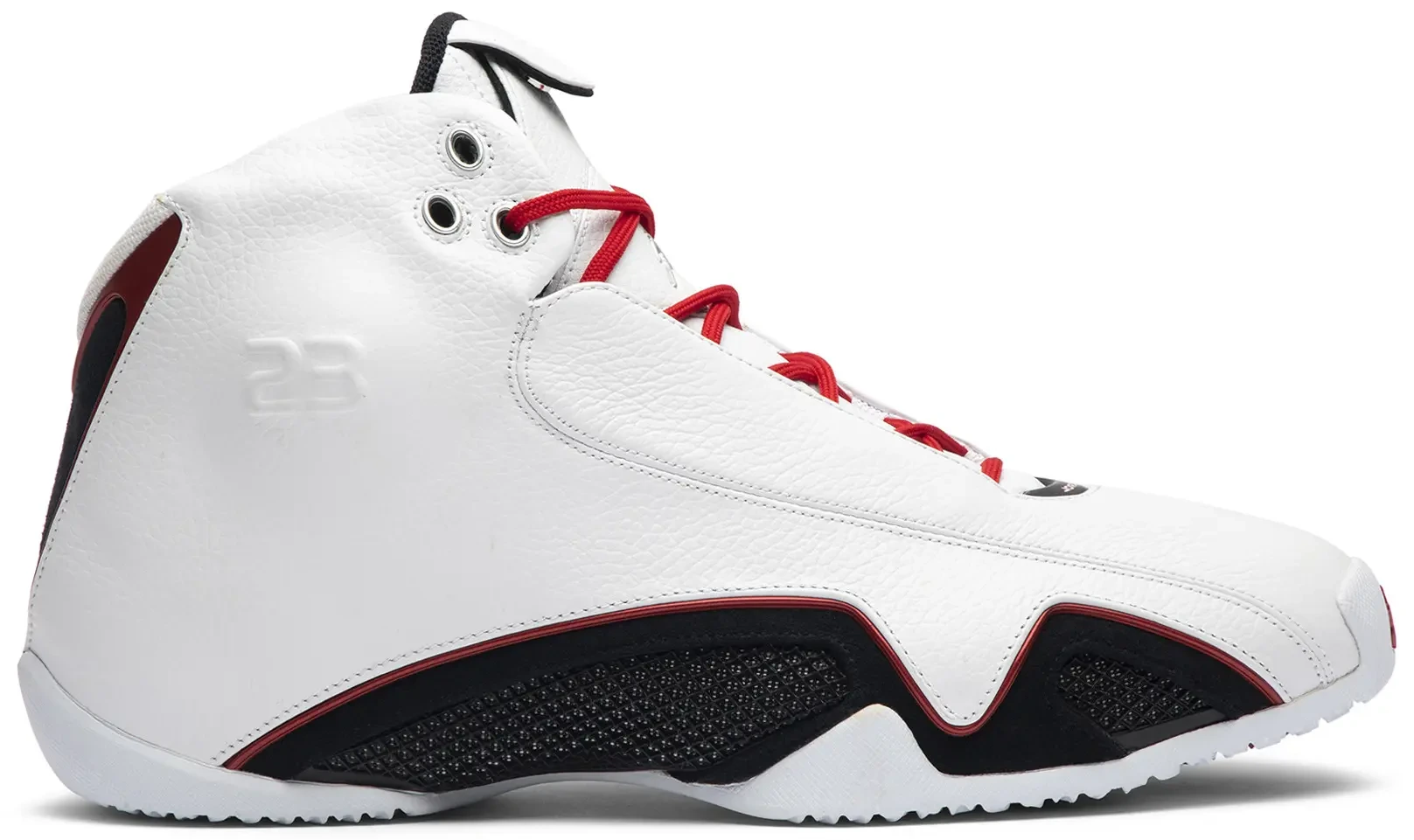
Air Jordan XXI (2006)
The XXI belongs to the post-playing-career performance era. Its luxury-car references continue a recurring Jordan theme: translating materials, movement and aspiration from another design field into a basketball shoe.
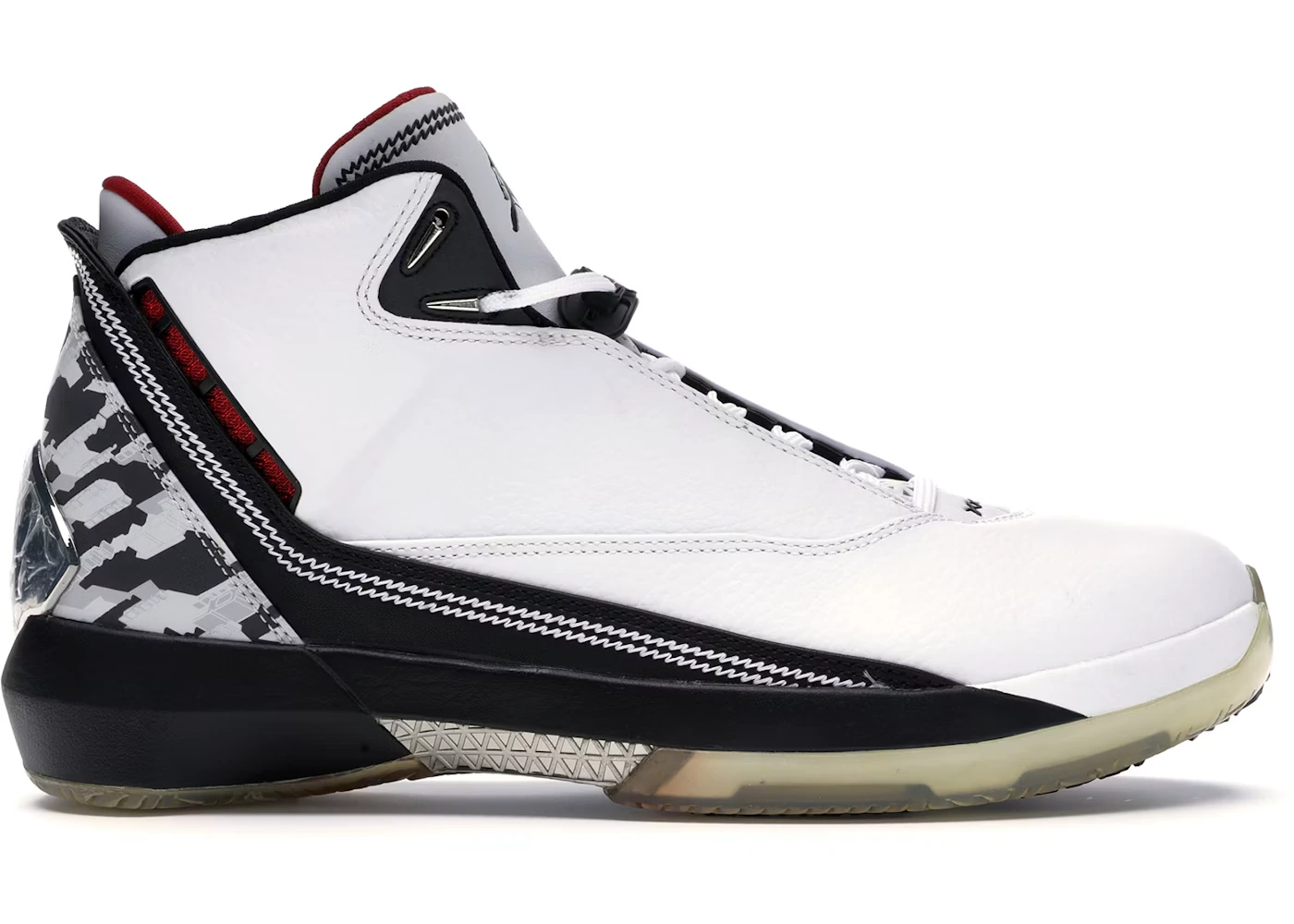
Air Jordan XXII (2007)
The XXII returned to an aviation reference. Viewed beside the V and XV, it shows how the franchise could revisit an idea while changing the shoe’s shape, materials and technical execution.
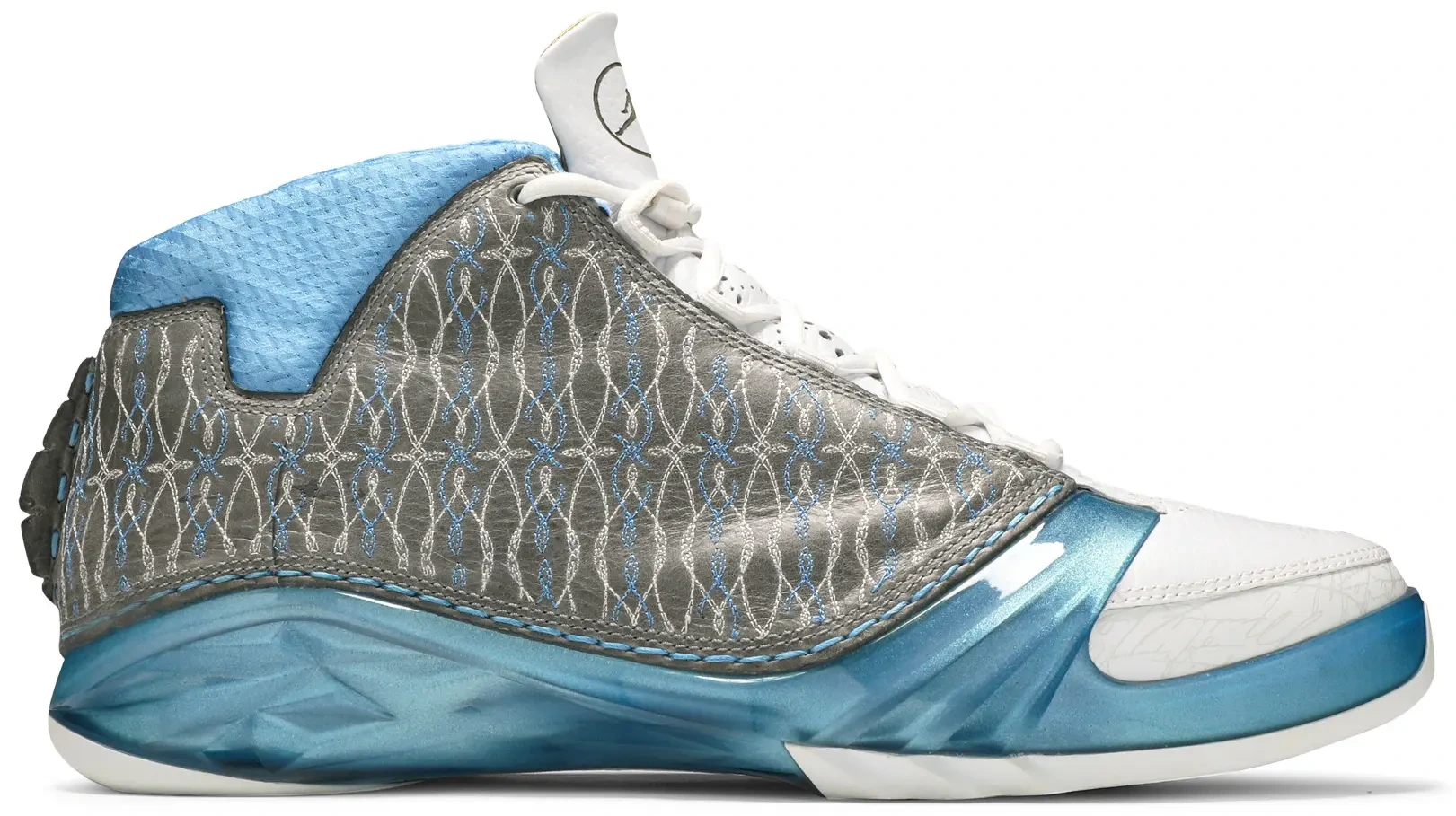
Air Jordan XXIII (2008)
The twenty-third model linked the number on Jordan’s jersey with Nike’s Considered design approach. Material use and manufacturing waste became part of the launch story alongside the shoe’s performance ambitions.
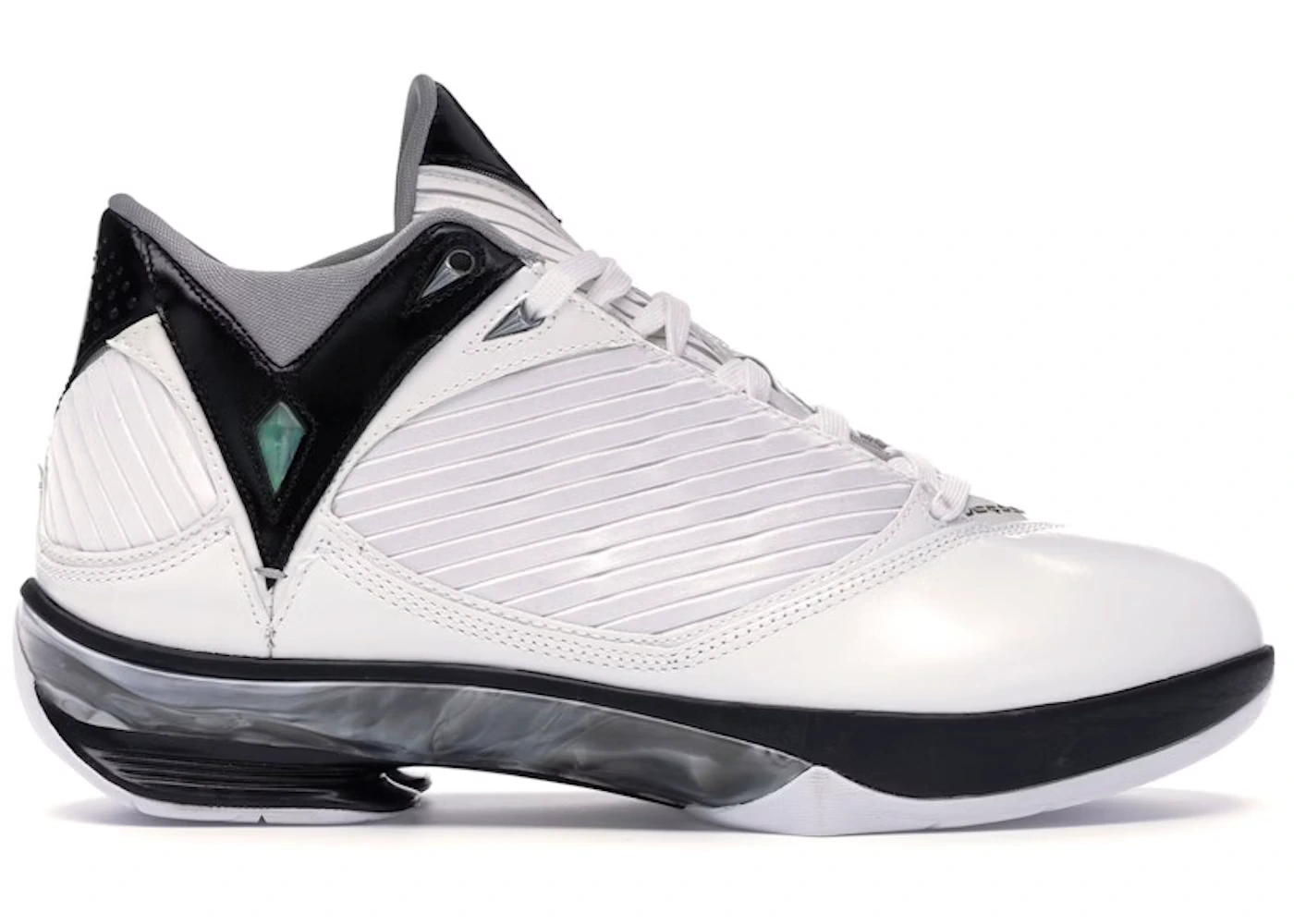
Air Jordan 2009 (2009)
Air Jordan 2009 is the official name of the twenty-fourth signature model. It begins the four-model year-naming interval; calling it simply XXIV can conceal the name readers will find in original launch material.
Air Jordan 2010 (2010)
Air Jordan 2010 continues the year-based naming system as the twenty-fifth model. Read its launch date separately from the date of its announcement, which took place during the preceding calendar year.
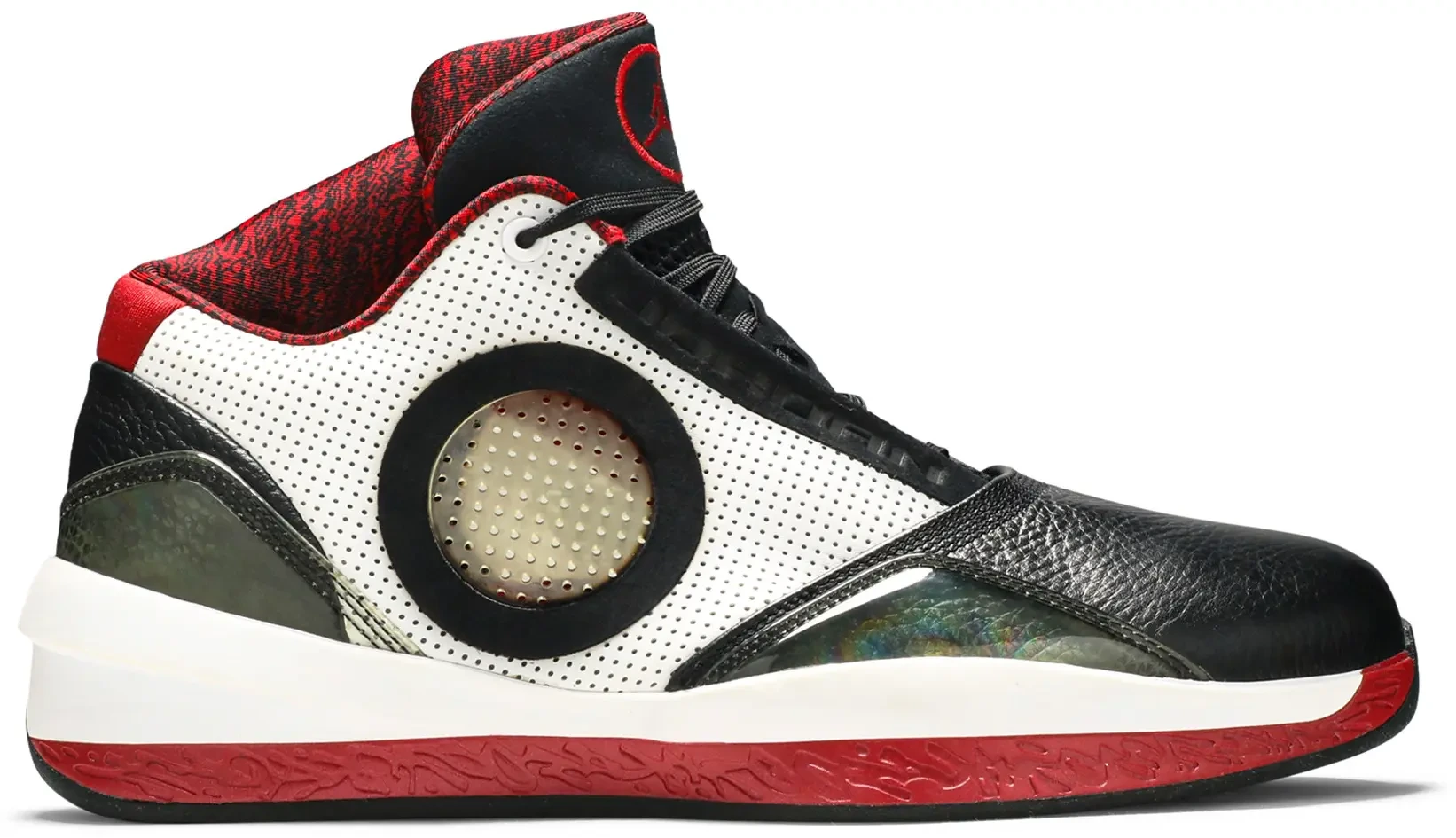
Air Jordan 2011 (2011)
Air Jordan 2011 placed modular cushioning at the center of its proposition. The interchangeable setup is a useful introduction to the period when player choice became a visible part of the flagship’s technical story.
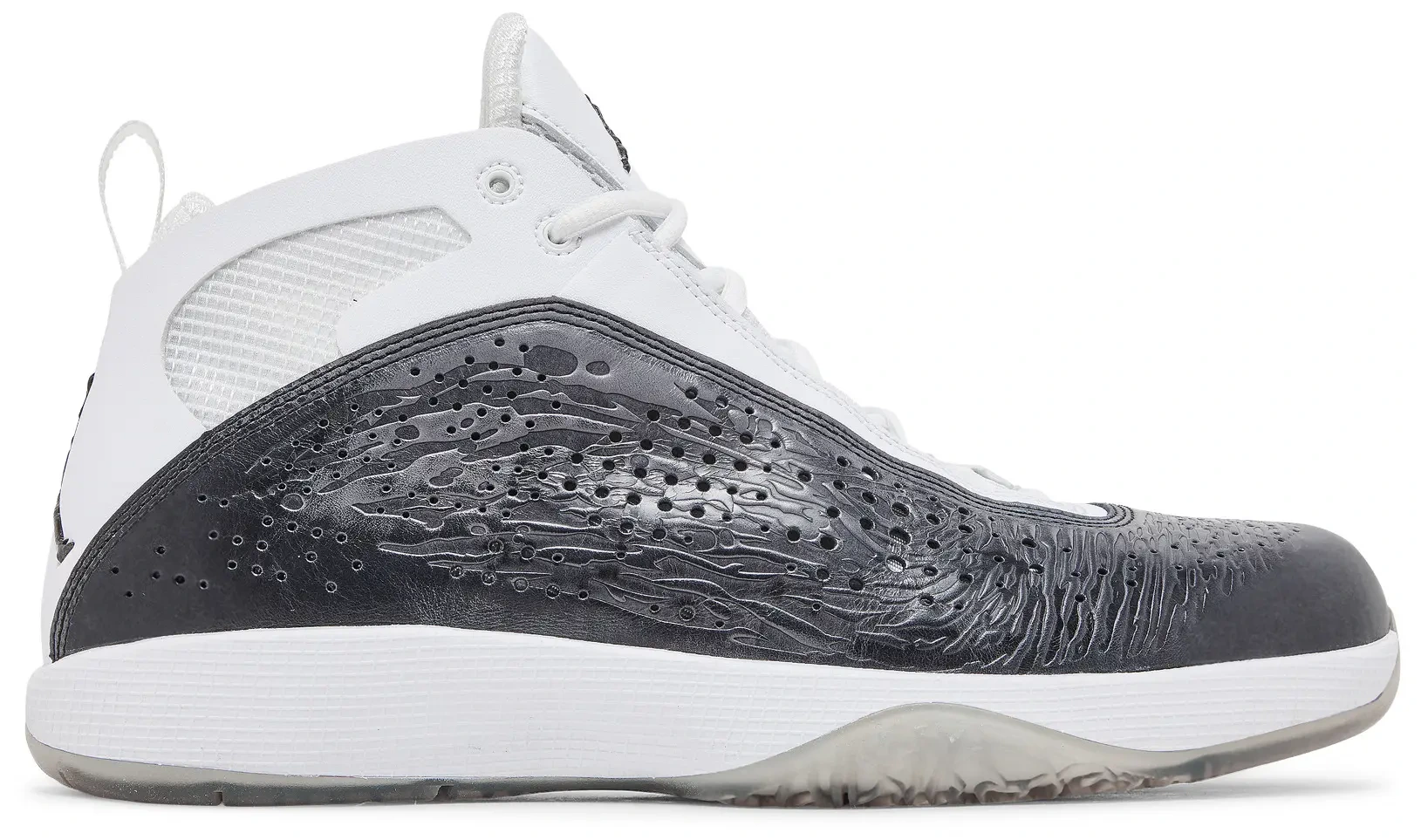
Air Jordan 2012 (2012)
Air Jordan 2012 extended the modular idea with different inner sleeves and cushioning options. It closes the year-naming interval, immediately before the return to a number-led name with the XX8.
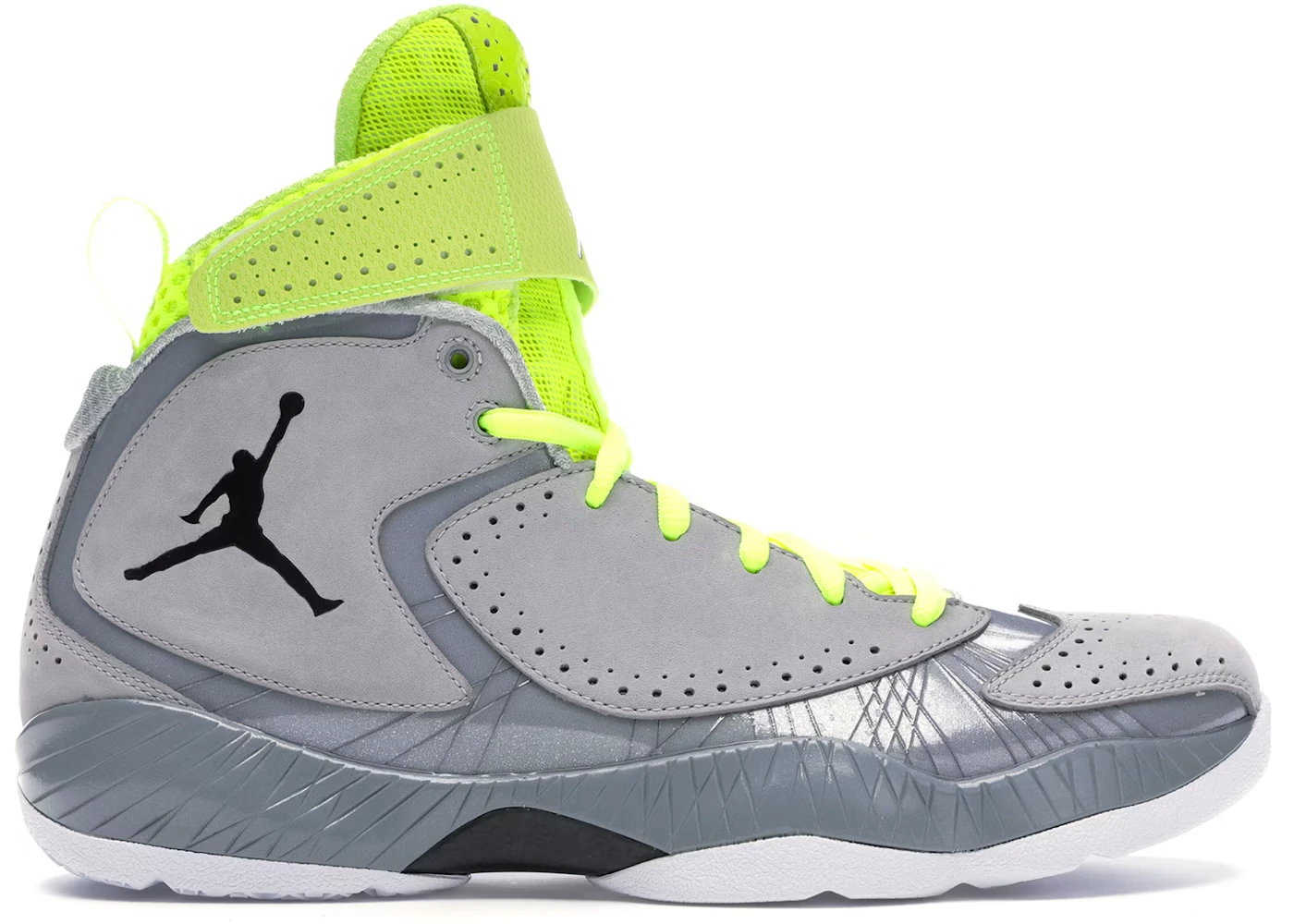
Air Jordan XX8 (2013)
The XX8’s tall zippered shroud made the return to numbering unmistakable. Flight Plate and Zoom Air were central to its engineering story; its December 2012 unveiling should not be mistaken for its 2013 retail debut.
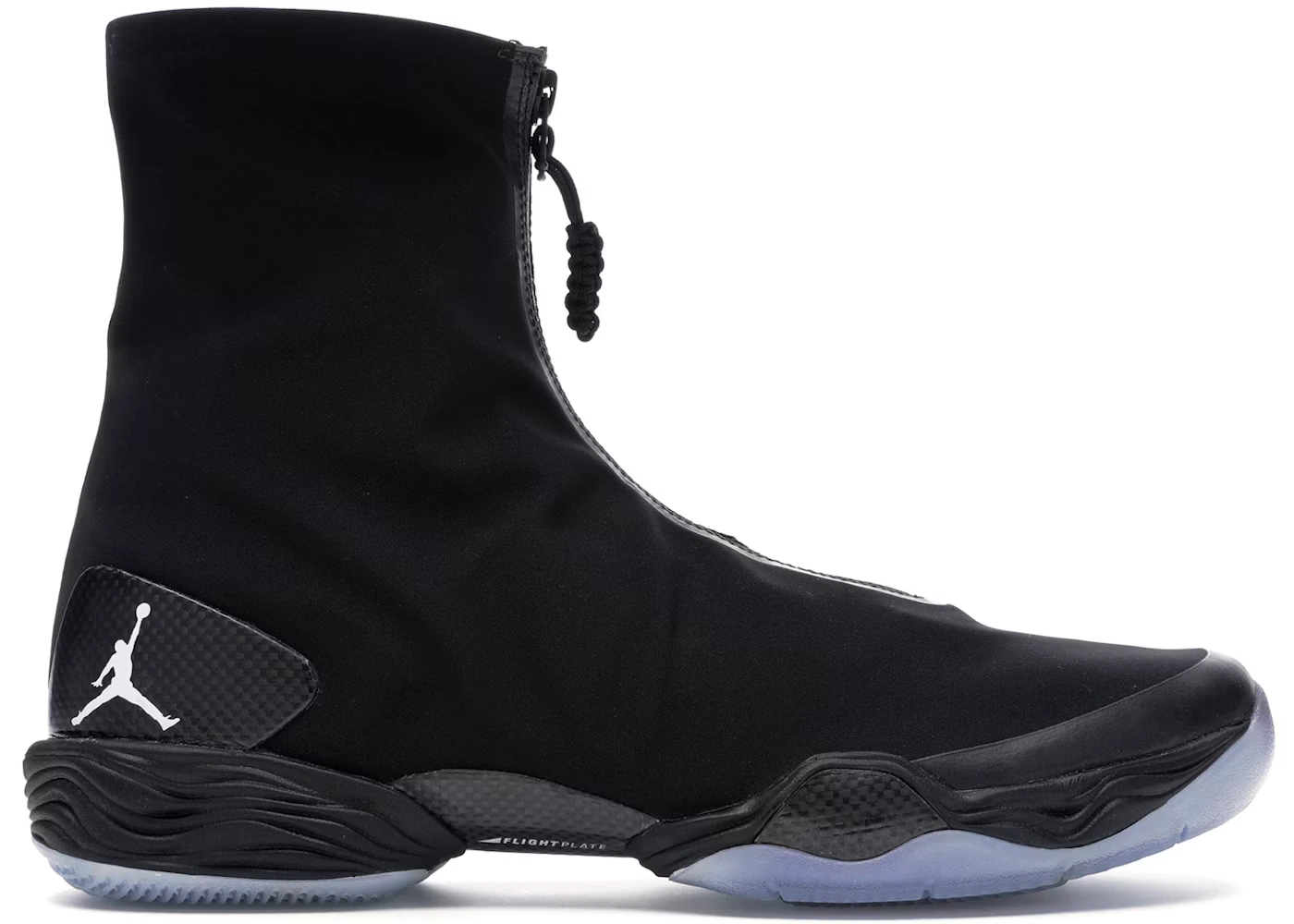
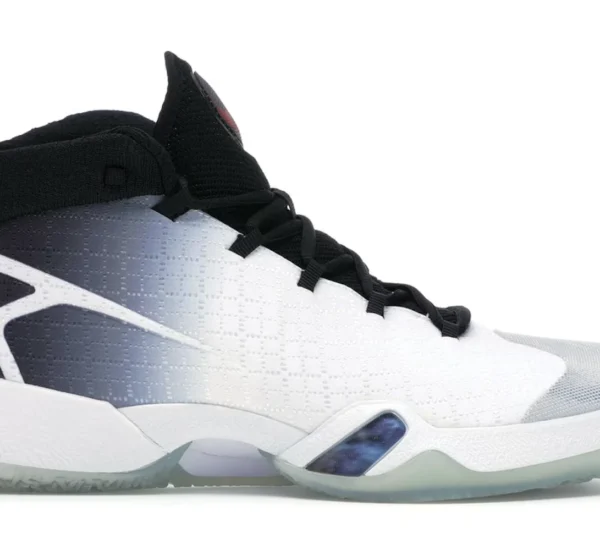
Air Jordan XX9 (2014)
The XX9 made a performance-woven upper a defining feature. This chapter is useful for comparing what weaving could do for support and graphics with the stitched-panel construction familiar from earlier Jordans.
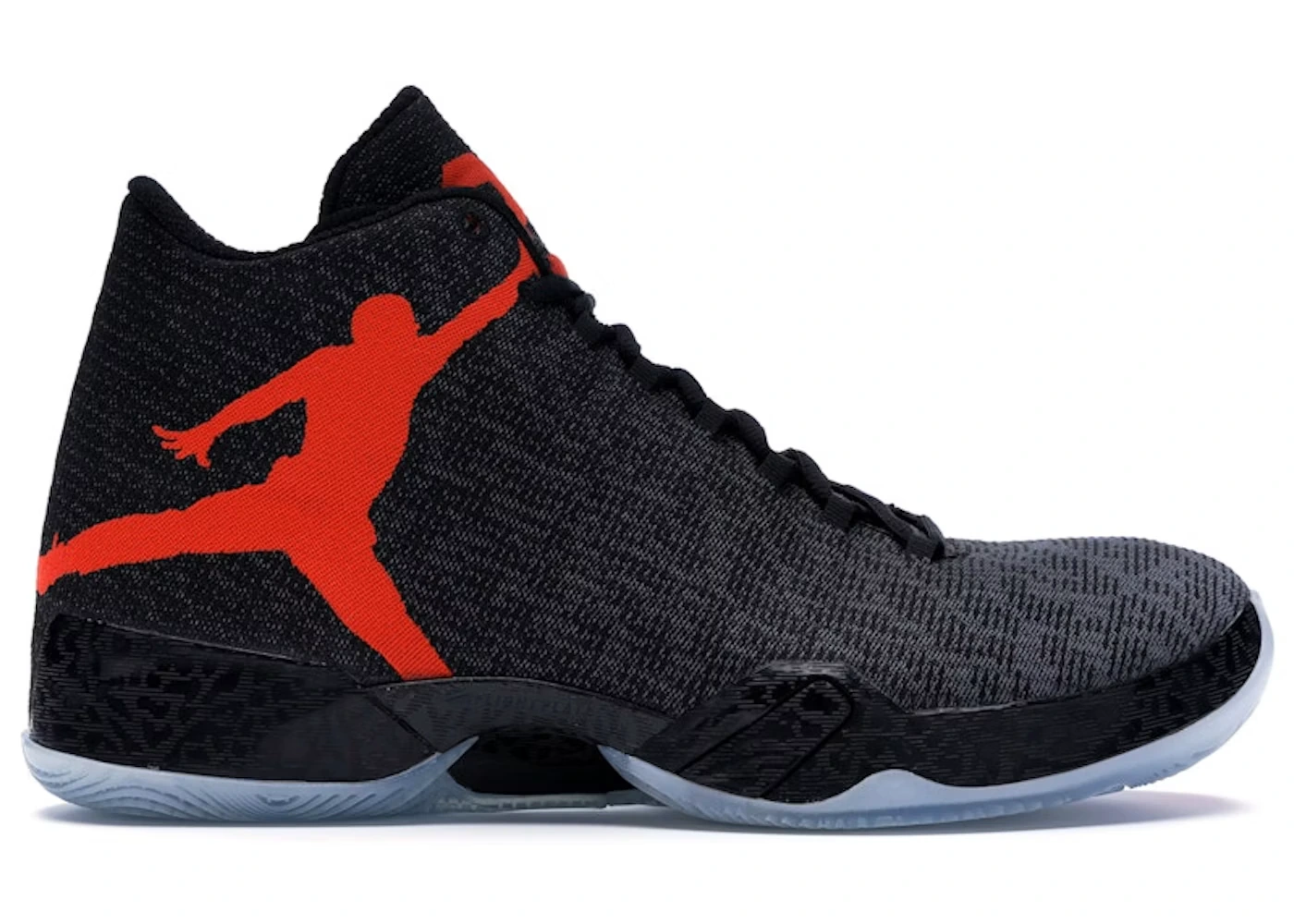
Air Jordan XXX (2016)
Tinker Hatfield and Mark Smith developed the XXX around Jordan’s own story and the requirements of contemporary basketball. Its 2016 release also shows why model numbers should not be converted mechanically into calendar years.
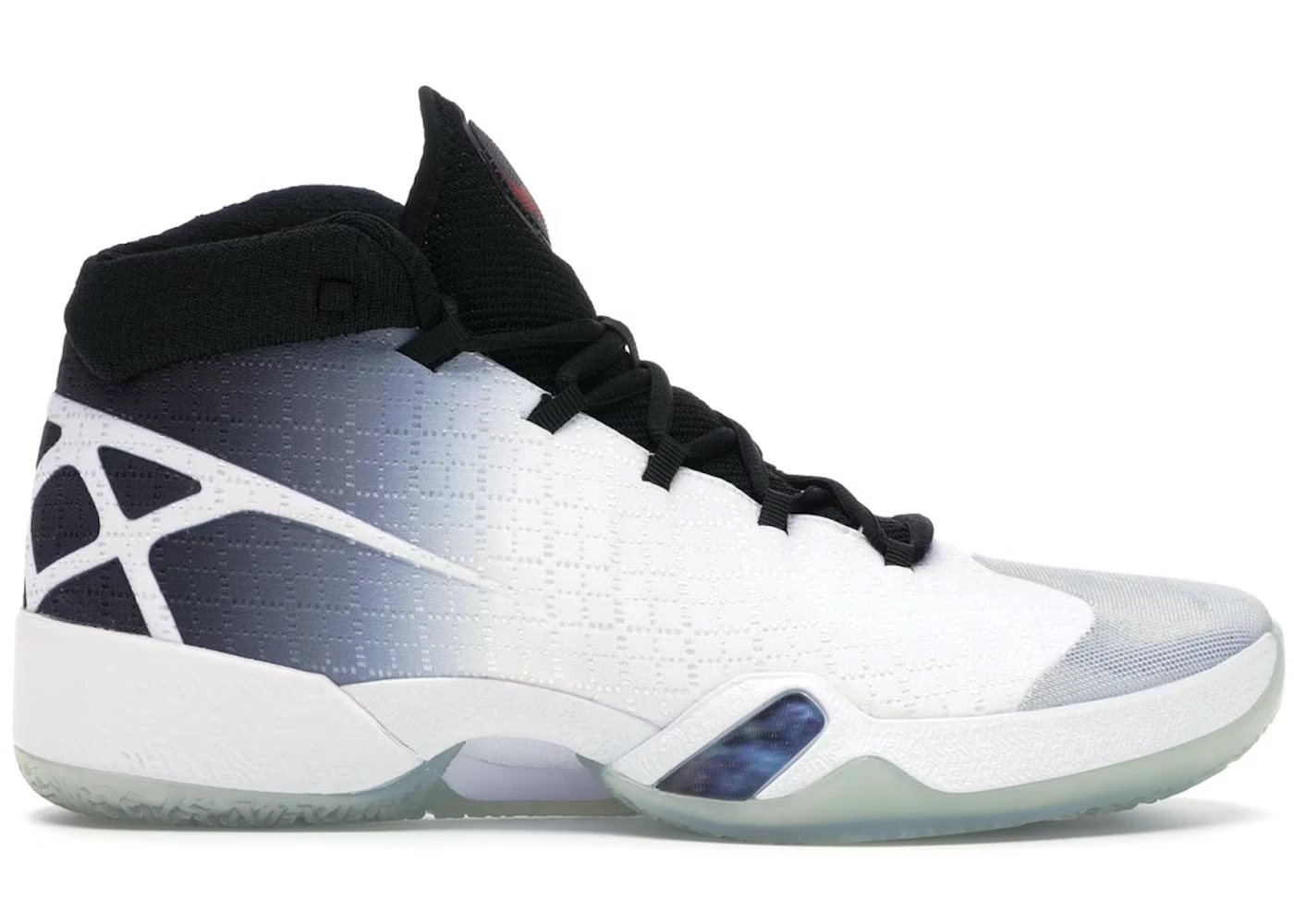
Air Jordan XXXI (2016)
The XXXI looked back to the Air Jordan I while using contemporary performance construction. Sharing a release year with the XXX, it offers a clear example of heritage being used as a design reference rather than a retro reissue.
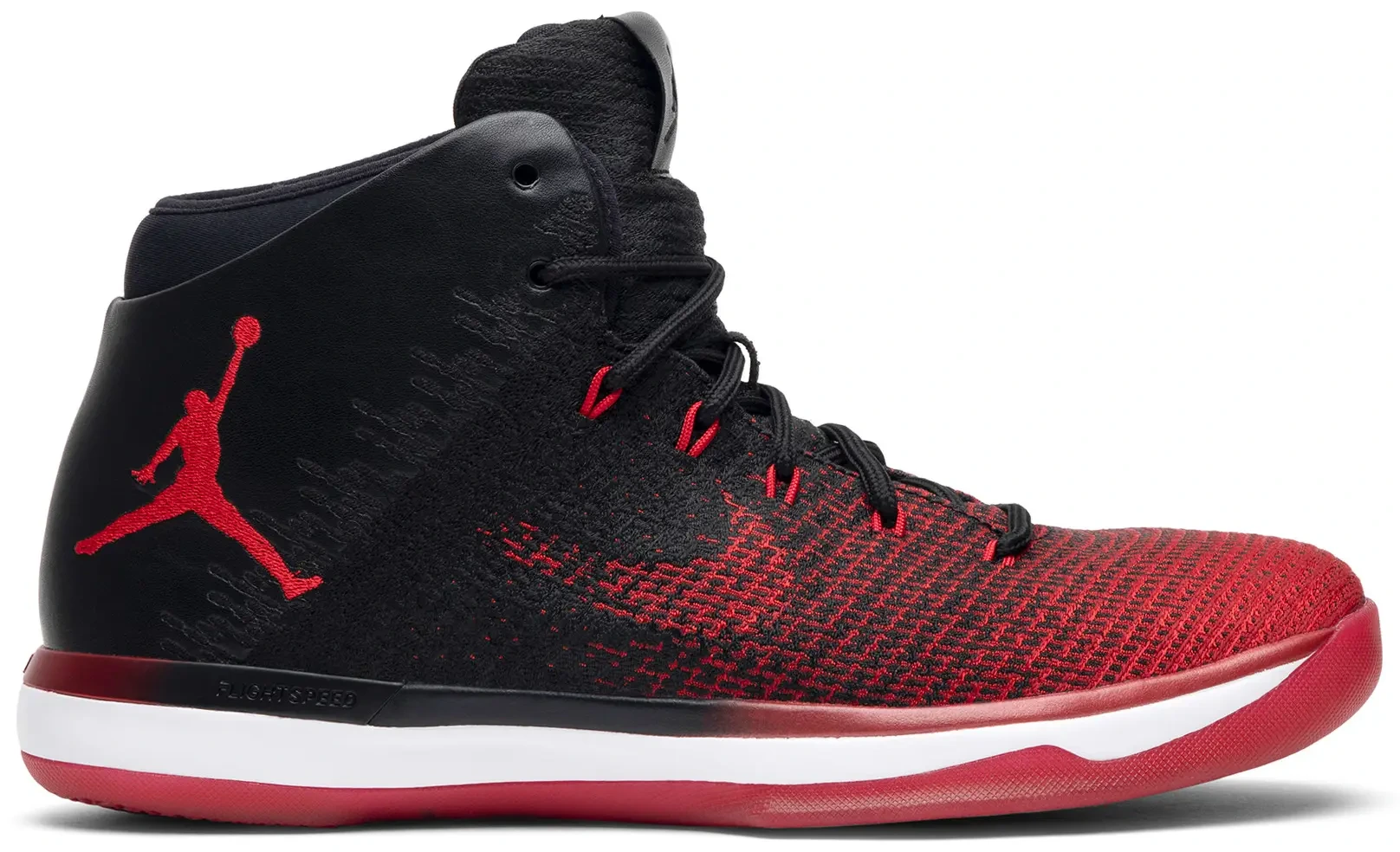
Air Jordan XXXII (2017)
The XXXII revisited the visual language of the Air Jordan II. That connection makes the pair a useful comparison: a reference to an earlier silhouette can coexist with a different upper and a new performance platform.
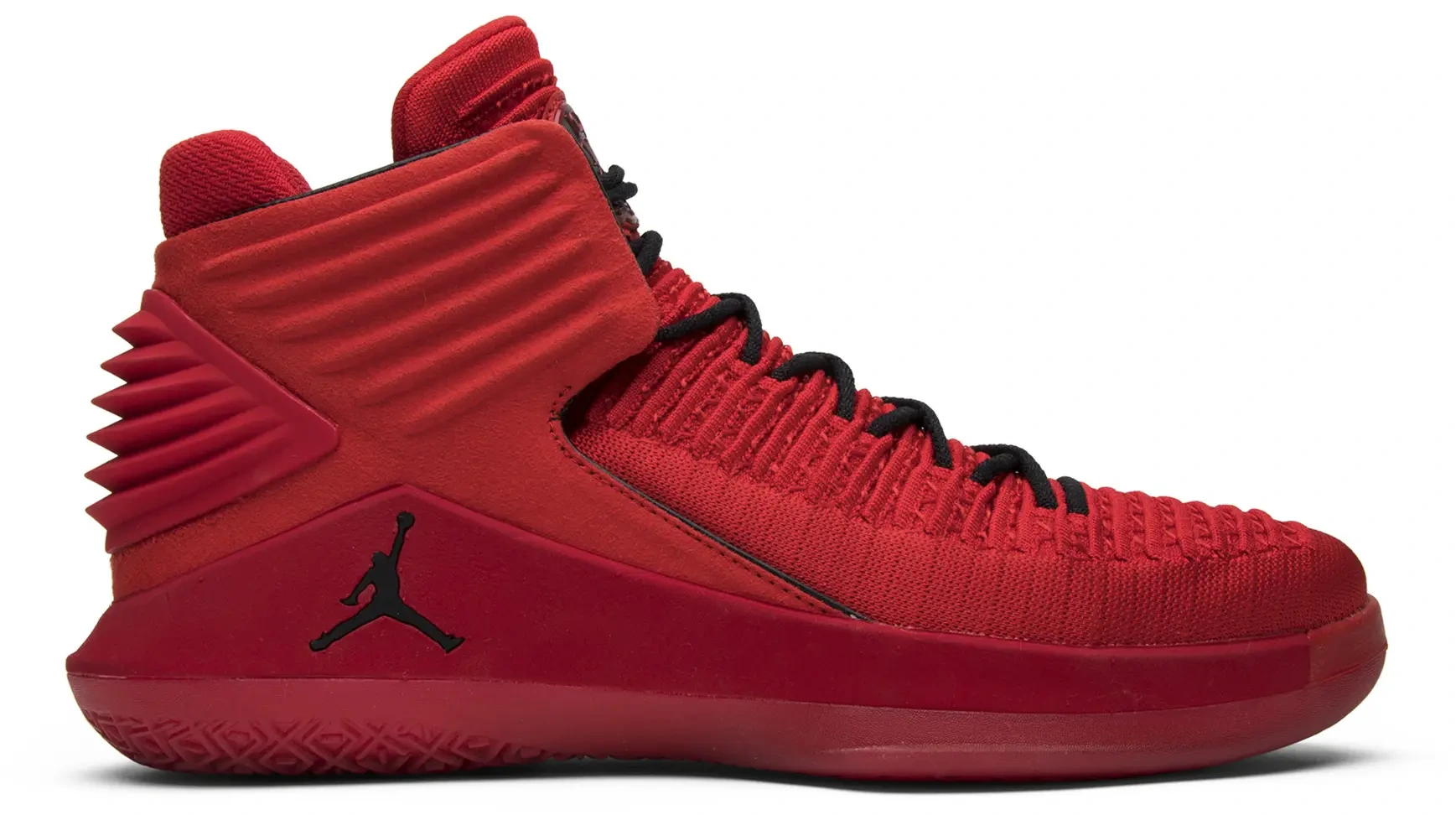
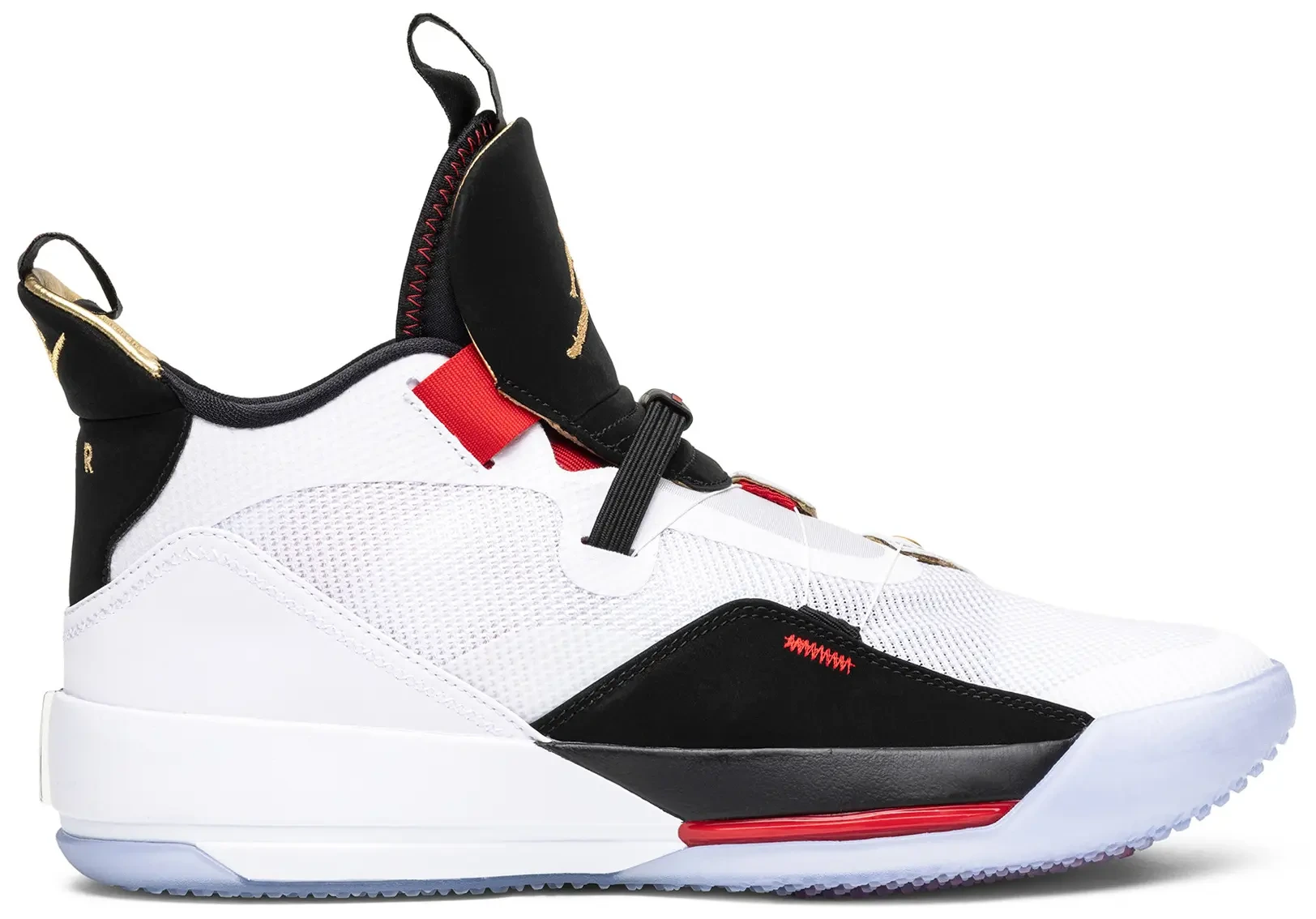
Air Jordan XXXIII (2018)
FastFit replaced conventional lace tying with a manually operated pull system. The XXXIII closes this guide’s historical window with an experiment in lockdown; it is not the last Air Jordan ever released.
Hybrids and Air Jordan 1 variations
Beyond the numbered signature line, Jordan revisits its archive through different cuts and hybrid designs. These five families have their own stories; they do not add generations to the I–XXXIII timeline.
Jordan Spizike
Spizike celebrates the connection with Spike Lee through a hybrid of recognizable Air Jordan design details.
Air Jordan 1 Mid
The Mid gives the Air Jordan 1 a mid-cut interpretation alongside its High and Low relatives.
Air Jordan 1 Low
The Low gives the Air Jordan 1 a lower-cut silhouette and a family of its own editions.
Jordan 6 Rings
Six championships become one hybrid, drawing on footwear associated with Jordan’s title-winning seasons.
Jordan Dub Zero
Dub Zero combines earlier Jordan design references, creating a hybrid with a collage-like visual identity.
How to use this history
Choose a route that matches the question you want answered. For the championship years, begin with the VI–VIII and XI–XIV. For design changes, compare II with III, XV with XVI, or XX8 with XX9. For the relationship between past and present, compare the I with XXXI and the II with XXXII. These are reading paths, not a ranking of collectibility or performance.
The useful question is often more precise than “Which Jordan is this?” Ask which model, which edition, which original season and which later release. Those distinctions connect the cultural story to the actual object and make the next model’s history easier to understand.
Frequently asked questions
Did Tinker Hatfield design every Air Jordan?
No. Wilson Smith III, Tate Kuerbis and other designers contributed to different models. Hatfield began with the III.
What happened to Air Jordan 24 through 27?
Those positions were released under the official names Air Jordan 2009, 2010, 2011 and 2012. XXIV–XXVII are sequence references, not their original retail names.
Are OG and retro the same thing?
No. OG can identify an original pair or colorway. Retro describes a later release of an earlier model, which can use an original or new colorway.
Is Air Jordan XXXIII the last model?
No. It is the 2018 endpoint of this historical guide; the signature line continued afterward.