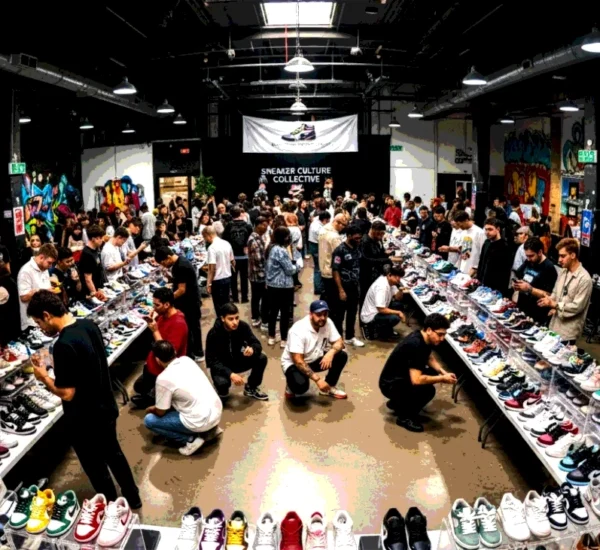
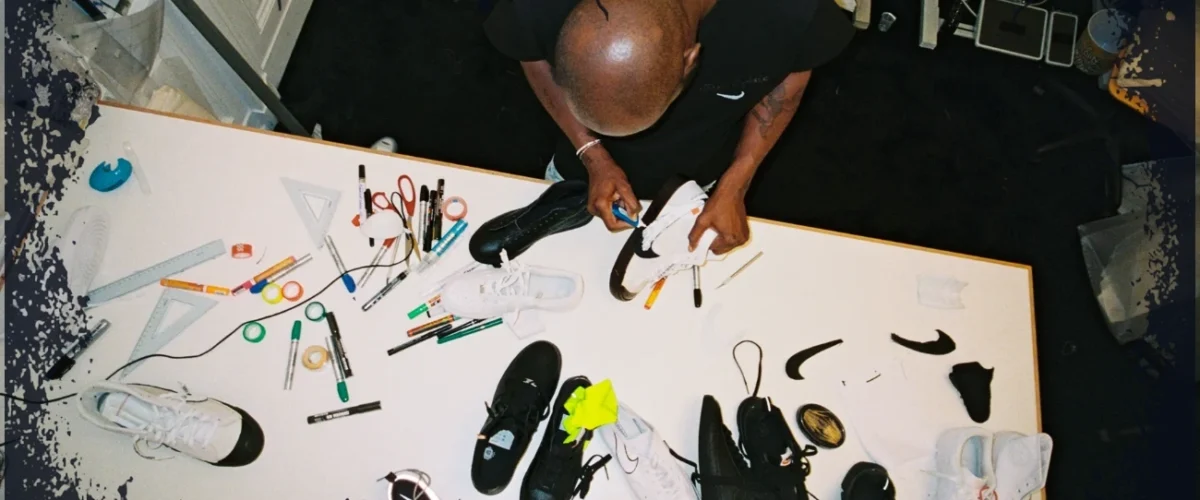
When I started collecting sneakers in 2007, I chose many pairs for their design, color combinations, and the story behind the model. Over time, I realized that what an upper is made from can matter just as much as the silhouette.
Two shoes that look similar can feel very different and demand different care. A leather Air Force 1 does not age like a suede Air Max 1, and a Flyknit upper offers a different experience from canvas or a shoe built around a GORE-TEX membrane. The material name is only the starting point: linings, coatings, reinforcements, and fit change the result.
Knowing those differences also helps prevent expensive mistakes. I have seen people soak suede, scrub knit with stiff brushes, store synthetic-leather shoes in hot spaces, and put delicate pairs in a washing machine.
This guide covers the main upper materials, their strengths and tradeoffs, how to care for them, and familiar sneakers that make each construction easier to recognize. Model names are examples of particular releases or versions, not a promise that every shoe in that family uses the same materials.
Where are these materials used in a sneaker?
A sneaker combines several materials, each doing a different job:
- Upper: the assembly that surrounds the foot.
- Lining: the surface inside the upper.
- Midsole: the layer that provides much of the cushioning and shapes the underfoot geometry.
- Outsole: the outer surface that contacts the ground.
- Structural reinforcements: components that help hold the shoe’s shape and contain the foot.
- Toe and heel areas: regions that may receive tougher materials or extra reinforcement.
- Tongue and collar: components that influence fit and the feel around the foot.
Here, the focus is on upper materials because they strongly affect appearance, ventilation, cleaning, and visible aging. For a closer look at the components beneath them, see our sneaker anatomy guide.
Sneaker materials at a glance
A material can be breathable in one shoe and heavily lined in another. The following comparison describes common tendencies, not laboratory grades or a durability ranking. Thickness, fiber or leather quality, coatings, stitching, and the rest of the shoe matter.
| Material | Airflow and feel | Water considerations | Wear and durability | Routine cleaning |
|---|---|---|---|---|
| Natural leather | Often structured; ventilation depends on finish and perforations | Finished surfaces may shed small splashes; seams and perforations can admit water | Can wear well; creases, coatings, and leather condition need attention | Finished smooth leather is often practical to spot-clean |
| Synthetic leather | Usually less open than mesh; flexibility varies | Some coatings resist surface wetting; the whole shoe may still leak | Backing and coating quality vary; peeling or cracking can occur with age | Often easy to wipe, but solvents and abrasion can damage the finish |
| Suede | Soft, textured surface; airflow varies with thickness and lining | Water can mark the nap or move dye | Can last well with suitable care; surface texture needs protection | Start with a suede brush and eraser, dry |
| Nubuck | Fine, velvety nap on the grain side of leather | Sensitive to staining and uneven wetting | Condition and finish matter more than a blanket claim that it outlasts suede | Dry-first care with nubuck-compatible tools |
| Knit | Can be flexible and airy; dense zones feel different | Open constructions admit water unless paired with a protective system | Can snag or stretch; yarns and reinforcements affect strength | Very soft brush and controlled moisture when allowed |
| Mesh | Open structure can encourage airflow | Usually admits water without additional protection | Open fabric can snag; overlays protect selected areas | Soft brush; remove cleaner from between fibers |
| Canvas | Flexible woven fabric; lining affects airflow | Absorbs moisture unless treated or protected | Can be robust but fade, stain, or abrade | Gentle cleaning and a colorfastness check |
| GORE-TEX construction | Breathable waterproof system; not the same airflow as open mesh | Protects through the intact covered construction, not the ankle opening | Membrane, upper, seams, and bonds all need care | Follow both Gore and the shoe manufacturer’s instructions |
| Neoprene or similar booties | Stretchy, close-fitting; often warmer than open mesh | A snug bootie does not automatically make the whole shoe waterproof | Compression, lining wear, and bonded parts affect service life | Gentle cleaning and thorough drying |
| Ripstop | Grid reinforcement; density and coatings affect airflow | Water resistance depends on treatment and complete construction | Designed to limit tear propagation, not make fabric tear-proof | Soft brush or cloth; avoid catching the grid |
| Patent leather | Glossy, relatively closed surface | Surface may shed droplets; the shoe is not necessarily waterproof | Finish can crease, scuff, crack, or pick up transferred color | Soft cloth; avoid abrasives and solvents |
| Corduroy | Raised fabric ribs with a soft texture | Can absorb moisture and show uneven wetting | Ribs can flatten or wear at flex points | Brush gently along the ribs |
Natural leather and synthetic leather
Reference models: leather versions of the Nike Air Force 1, adidas Superstar, and Reebok Club C 85.
Leather runs through sneaker history, from performance basketball shoes to understated casual models and luxury collaborations. Natural hide is tanned, dyed, and finished before being cut into upper panels. Depending on that processing, it can be smooth, pebbled, stiff, supple, heavily coated, or deliberately distressed.
Product descriptions use terms such as full-grain, corrected-grain, pigmented, nappa, and coated leather. These describe different aspects of the material and can overlap; they are not a simple best-to-worst scale. Synthetic leather is a separate category, commonly involving a textile backing and a PU or PVC surface rather than tanned hide.
Natural leather can soften and settle with wear. Creases, subtle color changes, and patina may become part of a pair’s character. That does not mean an undersized shoe will stretch into the right length.
In my experience, good smooth leather strikes an appealing balance between durability, cleaning, and appearance. The catch is that “leather” does not guarantee quality. Some panels are thin and heavily coated; others have more substance and a softer feel.
Classic leather Air Force 1 versions illustrate the approach well: structured panels and toe perforations work together, although the actual materials and finish still need to be checked on the chosen release.
What leather does well
Finished smooth leather can provide structure and tolerate everyday scuffs while remaining relatively easy to clean. Some leathers can be conditioned, refinished, or repainted by someone who understands the surface, but that is not a suitable treatment for every finish.
It is also versatile. A leather panel can belong just as comfortably on a retro court shoe, a minimalist sneaker, or an elaborate collaboration.
What to watch for
A closed leather upper can feel warmer than open mesh or knit. Creases are also unavoidable on many pairs, which matters if you prefer a factory-fresh look.
Heat and unsuitable storage can affect leather and its finish. Synthetic coatings have their own aging risks, including peeling, cracking, and separation between layers. Neither a natural nor a synthetic label tells the whole story.
A collector’s take
For frequent wear, smooth finished leather is one of my more practical choices. It is not necessarily the most breathable option, but it often handles ordinary city use and small spills with less fuss than a delicate fabric.
That is especially useful on white sneakers. Surface dirt is often easier to lift from a compatible finished leather than from pale fibers that have absorbed a stain.
Suede and nubuck
Reference models: selected New Balance 574, PUMA Suede, and Nike SB Dunk releases.
Suede is leather with a velvet-like nap, commonly made using split leather or the flesh side. Nubuck gets its fine nap by buffing the grain side. The distinction concerns how the surface is made; it does not establish a universal quality or durability ranking.
People often call every fuzzy leather “suede.” For cleaning, the details matter: nap length, dye stability, finish, and lining can all change how a panel reacts.
Suede-and-mesh versions of the New Balance 574 show why mixed uppers work so well visually. Suede gives the panels depth and structure while the mesh provides more open textile areas.
Why collectors love suede
Suede makes color feel richer. Gray, brown, green, burgundy, and blue can shift subtly as the nap catches the light. It also helps define the look of many retro runners, skate shoes, and training-inspired silhouettes.
The tradeoff is care
Water, oil, mud, and too much cleaning product can leave marks or change the texture. Wet suede may dry unevenly or stiffen, especially after an unsuitable cleaning or drying process. It would not be my first choice for one pair expected to face every forecast.
Start with dry dirt removal and a suitable suede brush. Use light strokes rather than forcing the bristles into the nap. A suede eraser can help with localized dry marks. Nike’s cleaning guidance also treats suede separately from routine soap-and-water cleaning.
If damp cleaning is permitted for the specific material, use a compatible product and test discreetly first. If the maker says to keep dyed suede dry because it can bleed, respect that restriction rather than treating a spot test as permission to soak it.
A collector’s take
Suede is among my favorite materials to look at, but I avoid choosing it for rain, dusty ground, or places where grease is likely to reach the shoe.
On a limited or valuable pair, I prefer careful spot cleaning or a specialist. Trying to “wash it back to new” can cause more damage than the original small mark.
Knit: Flyknit, Primeknit, evoKNIT, and related uppers
Reference models: Nike Flyknit Racer, adidas Ultraboost Primeknit versions, and PUMA evoKNIT footwear.
Knitting forms fabric through interconnected loops of yarn. For sneakers, manufacturers can engineer zones with different stretch, openness, and support instead of building the entire upper from separately cut, rigid panels.
Names you may encounter include Nike Flyknit, adidas Primeknit, PUMA evoKNIT, Reebok Ultraknit, and engineered-knit constructions from Skechers and other brands. Skechers Stretch Fit describes a fit approach used on various products, so check the actual upper specification rather than treating every label as the same textile recipe.
Nike describes Flyknit as digitally engineered knitting for lightweight, formfitting uppers, with targeted support, stretch, and breathability. adidas explains Primeknit through a similar idea: integrating much of the upper in one knitted piece with selected zones. Such construction can reduce cut pieces and assembly waste, but it does not make every knit shoe environmentally superior.
PUMA uses evoKNIT for knitted constructions with a close, flexible fit. Its exact implementation varies with the shoe.
Flyknit
The Flyknit Racer and Flyknit Trainer helped make the technology recognizable before it spread across running, basketball, soccer, and lifestyle products. More open areas can be combined with denser knit where additional structure is needed.
Primeknit
Primeknit became closely associated with Ultraboost and various Yeezy releases. Elastic collars and a flexible knit can create a socklike feel, while external cages or other reinforcements help manage fit. That feel differs by generation and version.
evoKNIT
PUMA has applied evoKNIT across different footwear categories. Some versions extend the knitted construction around the ankle; others use a lower profile. A taller knitted collar is a construction detail, not a guarantee of more support.
Strengths and limitations of knit
The appeal is often a flexible, accommodating upper with fewer bulky seams. Open constructions can feel airy, and many knit shoes are easy to pack.
Flexibility alone does not secure the foot during lateral movement. Cages, support yarns, TPU components, or bonded overlays may provide the structure that the textile lacks by itself. Knit can also snag, stretch, or absorb liquids; dirt in pale yarns can be harder to remove than a surface mark on finished leather.
Cleaning knit
Use very soft bristles and gentle strokes, following the shoe manufacturer’s guidance. Hard scrubbing can lift fibers or distort the knit. Let the shoe dry naturally rather than using a dryer, concentrated hot air, or strong direct sun.
A collector’s take
I like knit for its flexible feel, but I do not assume every knitted sneaker will be comfortable. The last, toe room, stretch, and underfoot construction still decide how the whole shoe fits.
I also watch for uppers that settle with wear. If a pair is already loose during the first try-on, more give is unlikely to improve its hold.
Mesh and engineered mesh
Reference models: mesh-equipped ASICS GEL-Nimbus versions, Nike Air Max 90 releases, and New Balance 2002R versions.
Mesh describes an open, porous fabric structure. It can be knitted or woven, so mesh and knit are not mutually exclusive technical categories. In sneaker descriptions, “knit” often highlights an engineered, socklike upper, while “mesh” emphasizes an open fabric used in panels or larger upper sections.
Mesh is common in running shoes, retro runners, and everyday sneakers because it can combine low weight with airflow. Leather, suede, or synthetic overlays often reinforce the areas exposed to more movement and abrasion.
Engineered mesh uses deliberately varied structure or density across the upper. The forefoot may be more open while other zones provide more containment. ASICS has used engineered jacquard mesh in running models; the exact fabric changes between generations.
What mesh does well
Open mesh can ventilate well and dry more readily than a thick, absorbent construction. Flexible fabric also allows the upper to bend, although the lining and reinforcements determine how freely it moves.
What to watch for
Sharp objects can snag or tear open fabric, and dust and water can enter through it. On older pale uppers, dirt or discoloration can sit between layers where a surface wipe will not reach.
A collector’s take
For hot weather, I often prefer open mesh over a fully closed upper. I still compare the actual lining and overlays, not just the material listed in the product title.
My favorite balance is often mesh with leather or suede reinforcement. It keeps some of the open-fabric feel while giving the silhouette more definition and structure.
Canvas
Reference models: canvas Converse Chuck Taylor All Star, Vans Authentic, and Superga 2750 versions.
Canvas is a sturdy woven fabric traditionally made from cotton, although modern versions may use other fibers or blends. It is closely tied to casual sneakers, skateboarding, music, and youth culture. The classic canvas Chuck Taylor and Vans Authentic are easy examples to picture.
Why canvas works
Canvas can be flexible, relatively breathable, and robust enough for everyday wear. It also takes well to prints, dyes, embroidery, and customization.
Its visual aging is part of the appeal. Fading and small wear marks can suit a skate- or music-associated silhouette rather than feel out of place.
Where it needs care
Canvas can absorb water and stains. Pale colors show dirt, while saturated dyes and prints may fade under repeated sun exposure or harsh cleaning. An ordinary canvas upper offers limited protection from rain or cold; linings and treatments can change that.
A collector’s take
I do not try to keep every canvas pair looking untouched. On some silhouettes, a little wear suits the design.
That is different from neglect. Remove dirt before it builds up, avoid aggressive bleach, and dry the pair in a ventilated place away from direct heat and strong sun.
GORE-TEX and other weather-protection systems
Reference models: Nike Air Force 1 GORE-TEX, GORE-TEX-equipped adidas Terrex models, and Salomon XT-6 GORE-TEX.
GORE-TEX is not simply the outer textile you can see. In waterproof footwear, a membrane is integrated into a construction designed to keep liquid water out while allowing water vapor to move through. The upper, lining, seams, and bonds all contribute to the finished shoe.
Gore describes its waterproof footwear systems as durably waterproof, windproof, and breathable. Invisible Fit integrates that protection with less bulk and a feel closer to conventional athletic footwear. Breathable here does not mean the same open airflow you get through unlined mesh.
Other names found on weather-focused footwear include Nike Shield, adidas RAIN.RDY, Columbia OutDry, The North Face FUTURELIGHT, TimberDry, and brand-specific trail membranes. They are not interchangeable specifications. For example, Nike describes the Pegasus 39 Shield with a water-repellent finish; that is different from establishing a waterproof membrane construction. Check the exact product’s claim and care instructions.
When a membrane makes sense
A waterproof construction can be valuable for rain, damp ground, and wet trails. It can also reduce the effect of cold wind. Those benefits depend on the protected construction remaining intact and the conditions staying within the product’s intended use.
Its limits
Water can still enter over the ankle opening. If that happens, moisture trapped inside may take time to dry. A membrane-equipped shoe can also feel warmer than an open-mesh pair, especially when the lining and outer fabric are substantial.
Wear, damage, failed seams, or deteriorating bonds can affect performance. A protective logo is not a lifetime guarantee that every part of an old shoe remains sound.
A collector’s take
GORE-TEX makes the most sense to me when there is a real weather-related need: rain, travel, or damp terrain. For a hot, dry day, I would usually choose a more open mesh or knit construction. I would compare the whole shoe’s weight and ventilation rather than assume every waterproof model has the same tradeoffs.
Neoprene and socklike booties
Reference models: the Nike Air Huarache and selected adidas Tubular and Reebok Instapump Fury constructions. Check individual product descriptions: “neoprene-like” fabric is not necessarily neoprene.
Neoprene is a synthetic rubber widely associated with wetsuits. In footwear, neoprene or similar stretch materials can appear in linings, tongues, and booties that wrap around the foot.
The original Huarache is a defining example. Nike’s history describes Tinker Hatfield’s inspiration from a waterskiing bootie and the combination of neoprene with an external support structure.
Strengths and tradeoffs
A flexible bootie can provide a soft, close fit with fewer separate seams. Whether it reduces rubbing depends on sizing and construction, rather than the material name alone.
It generally feels less airy than open mesh and can hold warmth and moisture close to the foot. Give it time to dry and air out after use instead of covering persistent odor with fragrance.
A collector’s take
I find some bootie constructions very comfortable, but the size has to be right. A snug Huarache-style interior can become pressure rather than comfort if it is too small.
I leave these pairs out of the box after wearing them and wait until the interior is dry before storing them. A few hours may be enough after light use, but there is no fixed drying time that suits every pair.
Ripstop, ballistic nylon, and technical textiles
Reference points include selected Nike ACG releases, ripstop editions of the Air Jordan 5, and technical Salomon models. These families use multiple fabrics, so identify the exact release.
Ripstop uses a reinforcing grid intended to limit the spread of a small tear. It can be made with nylon, polyester, or fiber combinations. The grid is a fabric construction, not proof that the shoe is waterproof or impossible to rip.
You will encounter it in outdoor equipment, bags, and utility-focused footwear. It is often combined with synthetic or leather overlays to add structure where needed.
Ballistic nylon refers to a different, typically robust textile construction. In sneaker culture, the Air Jordan 11 is associated with mesh combined with patent leather on many classic versions. “Mesh,” “ripstop,” and “ballistic” should not be treated as synonyms, and not every Jordan 11 uses the same upper.
Strengths and limitations
Technical fabrics can offer useful strength for their weight. Reinforcement and coatings may help with abrasion, surface wetting, or drying, but those properties must be checked for the actual fabric.
Water resistance is different from waterproofness. A ripstop grid alone does not stop water; any waterproof claim depends on the coating or membrane, seams, and complete construction. Some technical fabrics also develop persistent creases or distortions that are difficult to reverse.
A collector’s take
Ripstop suits utilitarian sneakers and ACG styling. I like how the visible grid becomes part of the design without making the shoe feel as precious as delicate suede or fine knit.
I would still avoid a stiff brush. Bristles can catch textured fabric, and repeatedly scrubbing one spot can create its own wear mark.
Patent leather
Reference models: patent-leather Air Jordan 11, BAPE STA, and selected Air Force 1 releases.
Patent leather has a glossy surface finish that reflects light and makes the panel more visually prominent. The Jordan 11 helped turn that shine into one of sneaker culture’s most recognizable design details, often contrasted with mesh above it.
Why choose it?
An intact, smooth finish can be easy to wipe clean and may shed small droplets before they soak into neighboring materials. The contrast with matte leather, mesh, or fabric is a major part of its appeal.
What can go wrong?
Creases and scuffs can be conspicuous. With age, a glossy coating may dull, discolor, or crack. Dark dyes from another surface can also transfer onto a light patent finish and become difficult to remove.
A collector’s take
I avoid storing patent pairs pressed against colored paper, printed plastic, or other shoes. I also avoid abrasive products meant to force the shine back.
For routine maintenance, a soft cloth with minimal moisture is often enough when the manufacturer permits it. Acetone and other strong solvents are not a shortcut to a better finish.
Corduroy
Reference models: Nike Air Max 1/97 Sean Wotherspoon and selected Vans and Converse releases.
Corduroy is recognizable by its parallel raised ribs, also called wales. Familiar from clothing and caps, it gives lifestyle sneakers and collaborations a distinctly textured, retro look.
The Air Max 1/97 Sean Wotherspoon is a standout example. Nike connects the design to Wotherspoon’s interest in vintage corduroy caps, along with his enthusiasm for the Air Max 1 and Air Max 97.
What makes it interesting?
Its ribs create depth, and the apparent shade can change with the direction of the fibers and the light. Layering different colors makes that texture even more prominent.
Where it wears
Dust can collect between the ribs. Repeated friction can flatten the pile, especially around flex points. Moisture may create uneven-looking areas while the fabric dries, and dyes or finishes may need special care.
A collector’s take
I treat corduroy as a delicate textile, rather than like smooth leather. A soft brush worked gently along the ribs is a better starting point than hard scrubbing across them.
TPU, rubber, and synthetic reinforcements
Reference models: Salomon XT-6, selected adidas Ultraboost versions, and Nike Air Max Plus.
TPU stands for thermoplastic polyurethane. It can appear in lace cages, heel clips, bonded films, decorative pieces, and outsole components. It is a family of materials with varied hardness and flexibility, not just one rigid plastic.
On an upper, these pieces often reinforce selected areas rather than cover the whole foot. Salomon describes the XT-6 as combining mesh and resistant TPU film. The Ultraboost’s external cage and the Air Max Plus’s wave-shaped synthetic overlays are other familiar examples of structure becoming part of a shoe’s identity; their exact materials depend on the version.
What reinforcements add
A well-placed film or molded component can help maintain shape, contain the foot, or protect an area from abrasion without adding a large leather panel. Thin bonded films can also reduce some stitched seams.
What to check
A rigid part can press against the foot if the last or volume does not suit you. With age, some synthetic components can discolor, crack, detach, or lose integrity. The behavior depends on the formulation and its environment.
A collector’s take
I pay attention to where those pieces sit, especially near a flex point. During a try-on, I check whether a cage or overlay presses on the instep or sides instead of judging fit by length alone.
Denim, velvet, faux fur, and other fashion materials
Reference points: special Nike SB Dunk releases, historical Vans Vault projects, and other collaborations. The materials vary widely from one release to another.
Sneakers borrow freely from clothing and accessories: denim, velvet, satin, tweed, faux fur, terry cloth, linen, printed fabrics, recycled fibers, and handcrafted mixtures can all become part of an upper. “Recycled” describes a material’s origin rather than one particular texture or cleaning method.
On these releases, sports performance may not be the priority. The appeal can be the concept, texture, or story that the material brings to the design.
Denim
Denim can fade and develop wear marks much like jeans; some designs embrace that aging. Its dye can also transfer to laces, socks, midsoles, or adjacent pale fabrics. Take that possibility seriously when cleaning or storing mixed-color pairs.
Velvet and satin
Velvet’s pile creates visual depth but can flatten with pressure and friction. Satin is a fabric structure known for a smooth, lustrous face; the fiber content varies. Delicate satin surfaces can snag or stain, so a familiar shine does not identify the right cleaning method by itself.
Faux fur and other pile fabrics
These materials make a strong visual statement but can collect dust, mat, or lose shape through friction and moisture. Gentle treatment of the pile matters more than producing a lot of foam.
A collector’s take
I do not automatically use one cleaning recipe on an unusual pair. First, I identify each panel.
A sneaker can combine five or six different surfaces. A product appropriate for outsole rubber may stain satin, while a smooth-leather treatment may alter velvet. On a complicated upper, the most sensitive neighboring material helps set the limit.
Which sneaker material is best?
There is no universal winner. Start with where you will wear the shoe, the weather, and how much care you want to give it.
For durability
Substantial leather, suitable technical fabrics, and well-placed reinforcements can make good everyday choices. Judge the actual construction, though. Glue, foam, and outsole components continue to age even if the upper looks sound. Our guide to hydrolysis and sneaker aging explains why a preserved-looking upper does not guarantee a wearable pair.
For hot weather
Open mesh and airy knit are useful starting points. Canvas can work too, but a thick lining, dense fabric, or extensive rubber coverage can reduce airflow. Hold the material name alongside the complete upper design.
For rain
Look for a shoe explicitly built and specified as waterproof when that is what you need. A GORE-TEX version is different from an ordinary mesh version of the same silhouette. Smooth leather may handle light splashes, but perforations, seams, and the collar still matter.
For easy cleaning
Finished smooth leather and some coated synthetics are often practical for localized cleaning. Suede, velvet, pale knit, and pile fabrics demand more care. Ease of wiping is not permission to use any chemical on a coating.
For comfort
Knit, engineered mesh, and stretch booties can offer a flexible, soft feel. The right last, size, toe room, lining, and midsole remain just as important. No upper material can rescue a shoe that presses painfully against the foot.
For collecting
Leather, suede, and textiles can age with character. Thin coatings and rubbery finishes may instead peel or become fragile, even on lightly worn pairs. Learn the difference between attractive patina and deterioration that needs intervention.
How to assess material quality
A high price does not prove superior materials. Before buying or wearing a pair, look closely at:
- Stitching: check for uneven construction or loose threads, while allowing for normal manufacturing variation.
- Panel edges: look for rough cuts or excessive adhesive, especially where parts flex.
- Leather and coatings: assess thickness, feel, and finish together; a plastic-like feel can come from a coating and does not, by itself, identify the underlying material.
- Suede nap: gently changing the fiber direction can reveal texture and uneven areas, but softness alone is not a quality certificate.
- Knit structure: look for deliberate reinforcement and any loose or damaged yarns.
- Bonded panels: inspect edges gently for lifting; do not tug or aggressively flex a delicate or vintage pair.
- Lining: feel for rough fabric, bulky seams, or pressure points.
- Left-right consistency: small differences occur, but pronounced distortion deserves attention.
For online purchases, I look for clear photographs of the actual pair where possible. Promotional images do not always show thickness, finish, or surface wear faithfully.
How to clean different materials
The main rule is simple: do not treat the entire sneaker as one surface. Follow the shoe manufacturer’s guidance and the cleaning product’s exclusions. Test a compatible product discreetly where appropriate; a test does not override an express warning against using it.
Smooth leather
Remove dust with a soft cloth or brush, then use a small amount of compatible cleaner if damp cleaning is allowed. Remove residue and let the shoe dry naturally. Use conditioner only when it suits that specific leather and finish; too much can change color or leave a greasy surface.
Suede and nubuck
Start dry with the right brush and eraser. Only move to damp cleaning if the material and product instructions permit it. Dyed suede can bleed onto neighboring panels, so restraint matters as much as the choice of cleaner.
Knit and mesh
Use soft bristles, light pressure, and controlled moisture. Do not pull loose yarns or try to scrub them away. If a snag needs repair, avoid forcing it back through the fabric unless you know the construction.
Canvas
A mild compatible solution and soft brush may be suitable. Check dyed or printed areas for colorfastness first, and avoid unnecessary soaking of the complete shoe.
GORE-TEX footwear
Remove loose mud and debris, and follow both Gore’s footwear care guidance and the shoe maker’s instructions. Gore recommends gentle cleaning, natural drying at moderate temperatures, and no bleach or washing machine. Its guidance also cautions against waterproofing waxes and greases that can affect breathability. A surface repellent does not repair a damaged membrane.
Patent leather
Use a soft cloth and a finish-compatible method. Avoid acetone, harsh solvents, and abrasive attempts to polish out a mark.
Corduroy, velvet, and pile fabrics
Lift loose dust gently in the direction of the ribs or nap. Avoid pressure that flattens fibers and unnecessary water that may alter dyes or texture.
For tools, cleaners, and step-by-step material guidance, see how to clean sneakers. Do not mix cleaning products with one another, and follow the label’s safety and ventilation instructions.
Can you wash sneakers in a machine?
I would not use machine washing as a default. Agitation, immersion, detergent, and spinning can affect coatings, shape, dyes, and adhesive bonds. Nike recommends manual cleaning and air-drying for its shoes; a shoe-cleaning kit does not override the footwear manufacturer’s restrictions.
A pair that looks intact after one wash has not demonstrated that repeated machine washing is harmless. Follow any explicit model-specific permission and limits rather than assuming a textile upper means the entire shoe is washable.
I remove laces and removable insoles when possible and clean them separately. I do not pull out an insole that is bonded in place or soak the entire shoe unnecessarily.
How to store mixed-material sneakers
My routine is to let a worn pair air out, remove small amounts of dirt, and store it only when it is dry. A few practical habits matter more than an elaborate collection-care ritual:
- Keep damp shoes out of closed boxes.
- Store away from direct sunlight and persistent heat.
- Avoid pressing light patent finishes against colored or printed materials.
- Use clean, unprinted stuffing only with gentle pressure.
- Inspect pairs that spend long periods unworn.
- Rotate pairs when useful so interiors can dry between wears.
- If you use silica gel, choose an appropriate product and maintain it according to its instructions.
Silica gel adsorbs moisture; it does not prevent every form of aging or reverse damage. Its effect depends on the amount used, the container, and the surrounding conditions. Aim for a stable, moderate environment rather than the driest possible box. Our guides to sneaker yellowing and toe box creases explain why color, shape, and structural condition require different judgments.
Frequently asked questions
Which sneaker material lasts longest?
There is no single answer across all shoes. Good leather and suitable reinforced technical fabrics can wear well in everyday use, but the upper is only one part. The sole, foam, adhesive bonds, activity, and storage conditions can determine when the pair stops being useful.
Can suede get wet?
Accidental contact with water does not mean every suede shoe is ruined, but soaking is a poor default. Blot excess moisture gently without rubbing, provide light shape support, and let the pair dry naturally. Follow the maker’s guidance before using any cleaner, especially on dyed suede.
Does knit tear easily?
Knit designed for footwear can handle its intended use, but open yarn structures can snag on sharp or rough surfaces. Yarn strength, knit density, overlays, and lining matter more than the word “knit” alone.
Does GORE-TEX make a shoe completely waterproof?
A waterproof GORE-TEX construction protects the areas covered by its intact system. Water can still enter through the collar, and damage or failing seams and bonds can compromise the shoe. It does not turn a low-top sneaker into an unlimited-depth waterproof boot.
Is synthetic leather bad?
No. Synthetic uppers can be light, consistent, and suitable for their intended use. Coating quality, backing, flexibility, and aging resistance vary. Natural leather also varies, so neither label replaces inspecting the actual pair.
What is the difference between mesh and knit?
Mesh describes an open fabric structure; knit describes how yarn loops form fabric. A mesh can itself be knitted. Sneaker brands often use “knit upper” for engineered, socklike constructions and “mesh” for open textile panels, but those retail categories are not a strict textile divide.
What material is most practical for white sneakers?
Finished smooth leather is often straightforward to spot-clean. White knit, canvas, and mesh can hold dirt within the fibers and need more careful maintenance. The coating and the other materials on the shoe still determine which cleaner is suitable.
Can you wear suede every day?
Yes, if it suits the conditions and you are willing to care for it. It is less convenient for repeated rain, mud, oil, or heavy dust than an appropriate finished or weather-protected construction.
Are all waterproof sneakers hot?
They do not all feel the same. Compared with a very open upper, a membrane and its surrounding layers can reduce airflow and feel warmer. Climate, activity, lining, and the complete design affect the difference.
Does every material need a waterproofing spray?
No. Use a repellent only when it is compatible with the material and the maker’s instructions. Some products change color, sheen, texture, or breathability. A spray does not seal every seam or make an open shoe waterproof.
Let the material guide the care
Understanding materials changes how you choose, wear, and look after a pair. Smooth leather can be practical; suede and nubuck bring texture; knit and mesh offer different ways to build flexible uppers; waterproof membranes address wet conditions. Ripstop, canvas, patent leather, corduroy, and fashion textiles each bring their own character and compromises.
After years of following releases and caring for a collection, I have learned that one routine will never suit every pair. Good care begins with identifying what is actually in front of you.
Read the manufacturer’s guidance, inspect each panel, and use the gentlest compatible approach. On a rare, expensive, or sentimental sneaker, caution is usually a better bet than aggressively attacking a small mark.
Materials also tell stories. Leather creases, suede changes shade with the nap, denim fades, and knit moves with the foot. Those changes can be part of the pleasure of wearing sneakers, provided they come from ordinary use rather than avoidable damage.
Explore more footwear construction and care guides in the Sneaker Lab.