The number returned with a different silhouette
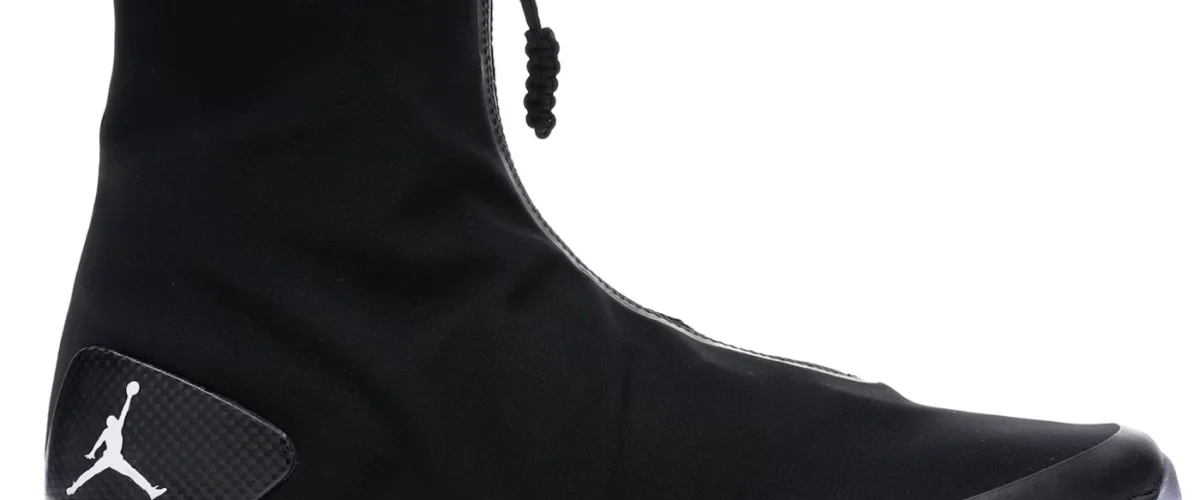
Few mainline Jordans announce their identity as clearly as the XX8. The tall zippered cover changes the outline so dramatically that it can dominate any conversation about the shoe. Yet stopping at the exterior misses its other important contribution: the relationship between a moderating plate and responsive cushioning underfoot. The model has two histories that need to be read together, one visual and one technical.
Tinker Hatfield worked with developer Josh Heard. Announced in December 2012, the XX8 reached Houston retail February 15, 2013, expanding February 16. Nike announcement.
Why the shroud mattered
The cover created a powerful silhouette while concealing much of the conventional lace-up shoe underneath. Unzipping it changed how the design was presented. That ability to move between a covered and exposed appearance made the shoe especially legible as an experiment in form. It asks the viewer to consider which parts of a basketball shoe must be visible and which can be reorganized.
Dynamic Fit connected internal support with the laces. Rob Bruce’s design interview discusses the platform’s development.
Flight Plate and the basketball story
Nike described Flight Plate as a Pebax moderator working with Zoom Air to manage compression and deflection. Its 2013 basketball presentation also connected the XX8 with Russell Westbrook and Ray Allen. That primary company document helps establish the technology’s place in Jordan’s performance strategy.
The useful way to explain the concept is as a system. A cushioning unit, the structure above it and the player’s load do not operate as isolated features. The design sought to control how those elements interacted. That does not establish a universal increase in jumping height or speed; such claims would require a different kind of evidence. It does explain why the sole deserves as much historical attention as the cover.
Westbrook wore the shoe against Brooklyn on December 4, 2012, before retail release. Contemporary photographs and reporting document the appearance. As with other performance launches, an athlete debut, public unveiling and store release are separate events. Treating all three as one date obscures the actual rollout.
Three original-run colors, with clear dates
Black/White-Electric Green (555109-010) and Electric Green/Black are documented February 16, 2013 releases. Photo Blue/White, commonly called Blue Camo (584832-401), followed March 2. The contemporary release archive records them. The third selection belongs to the original run, rather than the first retail day.
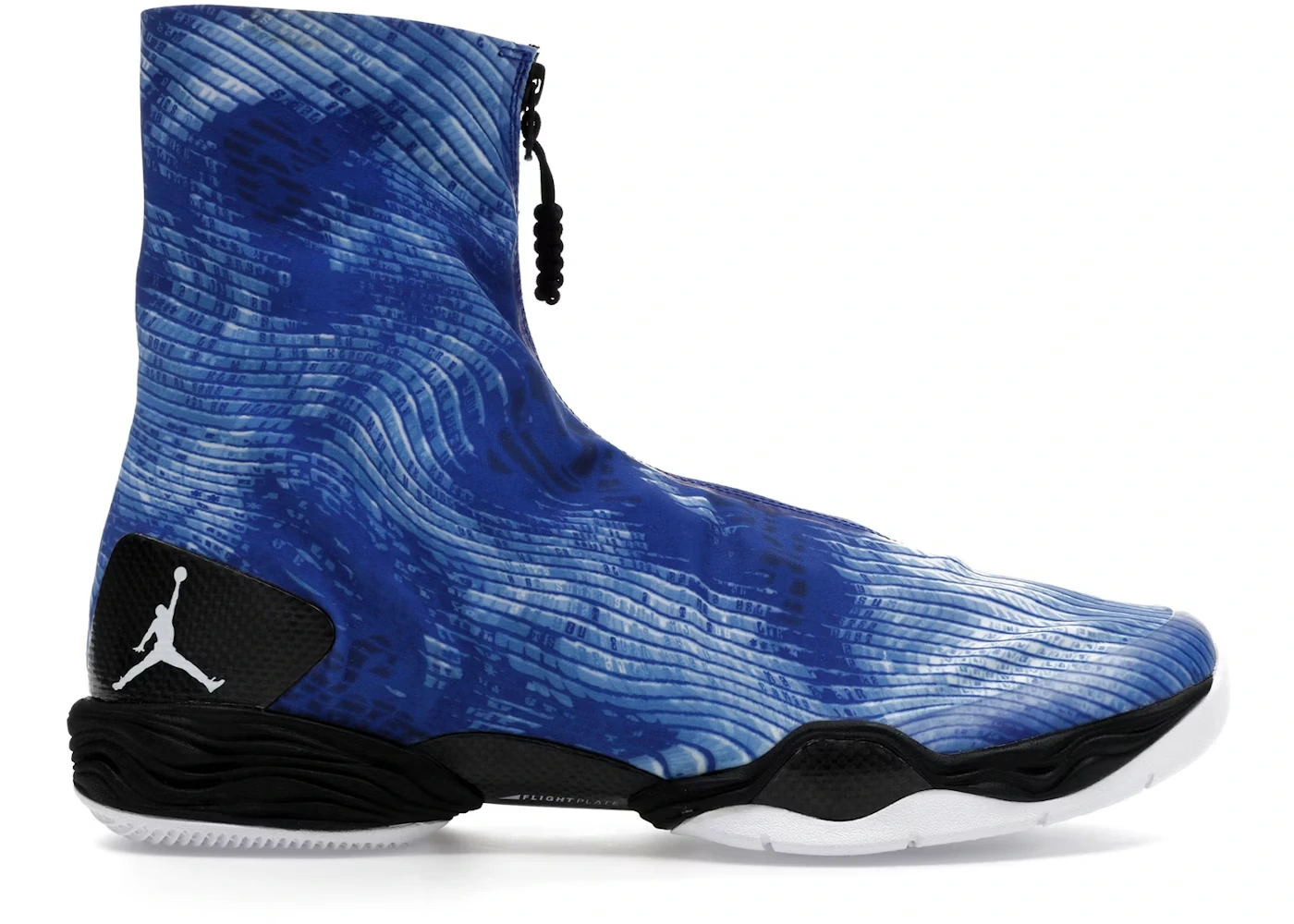
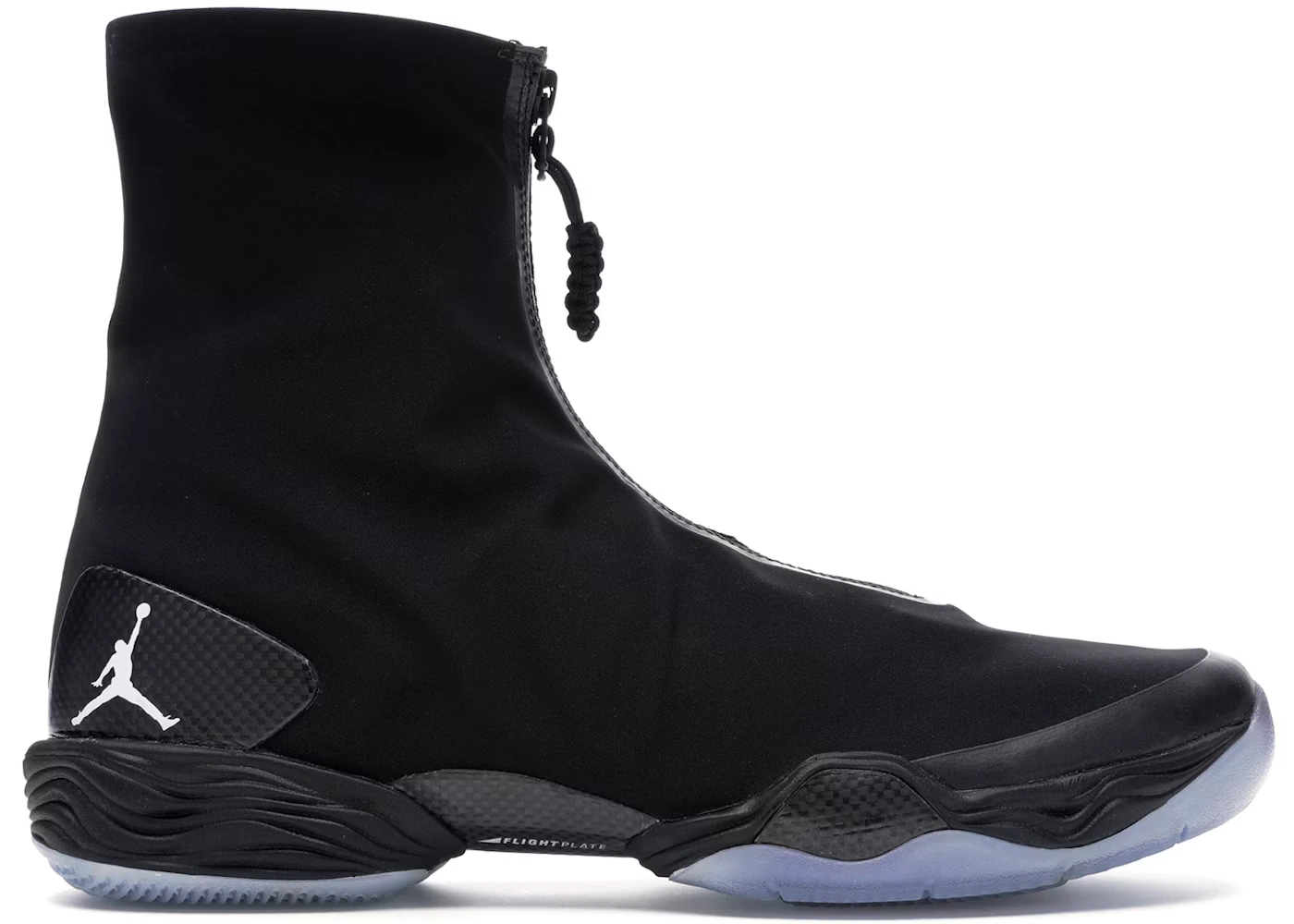
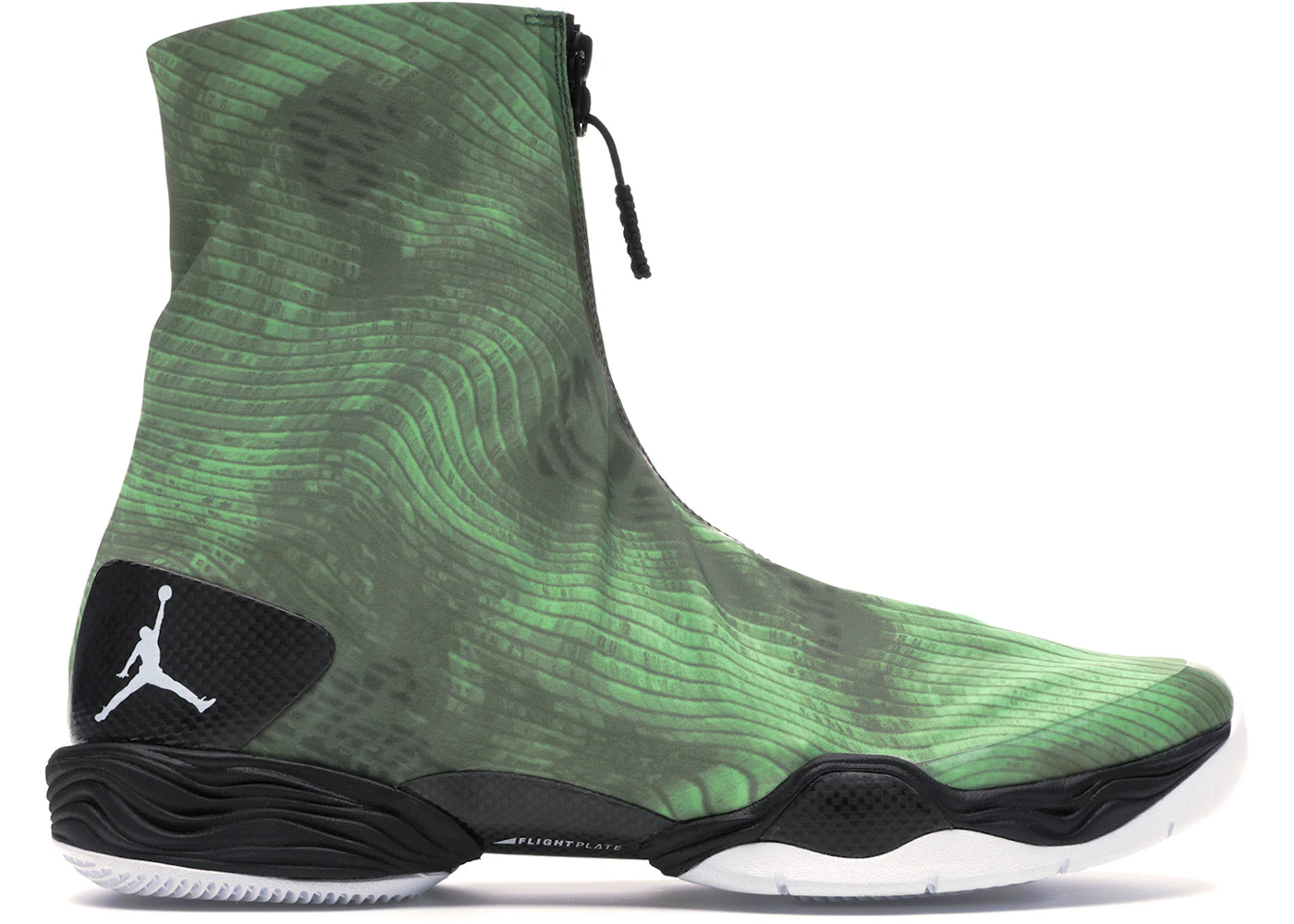
The black version makes the contrast between the exterior cover and bright interior especially easy to see. The green version changes the balance, letting the shell itself carry the visual impact. Blue Camo demonstrates how a large uninterrupted surface can become a canvas for pattern. Those differences make the trio useful for understanding the design, without pretending to measure which was most popular.
Color terminology also deserves care. Electric Green is the documented name for the first two entries here. Calling every bright Nike green “Volt” makes searching less precise and can lead to the wrong product record. An official color description and a style code are more reliable identifiers than a loosely applied nickname.
The SE and the model’s wider legacy
The shroudless variation was named XX8 SE. Its first retail color was Bel-Air, on October 5, 2013, before the later camouflage collection. The original release report records that debut. SE is the actual variant name, rather than an official “XX8 Low.”
This variation creates a revealing comparison. When the cover disappears, the conventional structure becomes easier to read, while the family resemblance remains underfoot. It shows how much a single exterior element can affect a model’s identity. It also helps separate reactions to appearance from discussion of the underlying performance concept.
The XX8 is therefore more than an unusual-looking chapter between the Air Jordan 2012 and XX9. It marks a shift away from configuring multiple removable parts and toward an integrated platform with a highly specific visual statement. Its legacy is clearest when both halves remain in view: the cover that people remember, and the underfoot idea that continued to matter after the cover was removed.
Frequently asked questions
Is Electric Green another name for Volt?
The original releases here use Electric Green. Preserve that label when identifying a pair.
Can the outer height alone explain support?
No. The visible outline and the internal fit structure need to be examined together.
Is Blue Camo a first-day colorway?
No. It is a documented later release within the original 2013 run.
What is the difference between XX8 and XX8 SE?
The original has the distinctive zippered shroud. The SE removes that cover and should be identified as a separate variation.