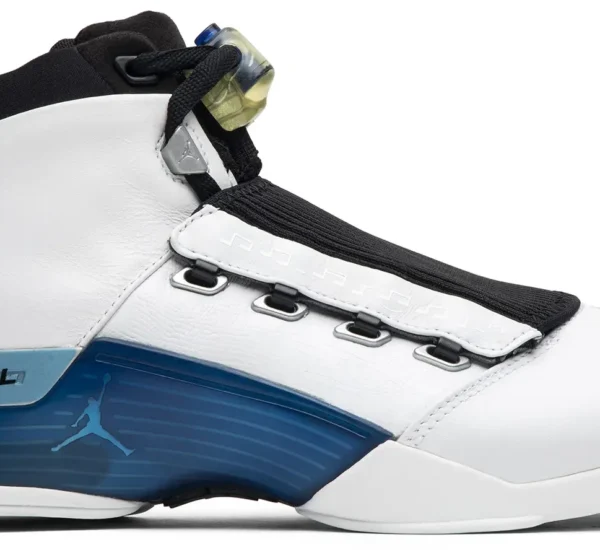
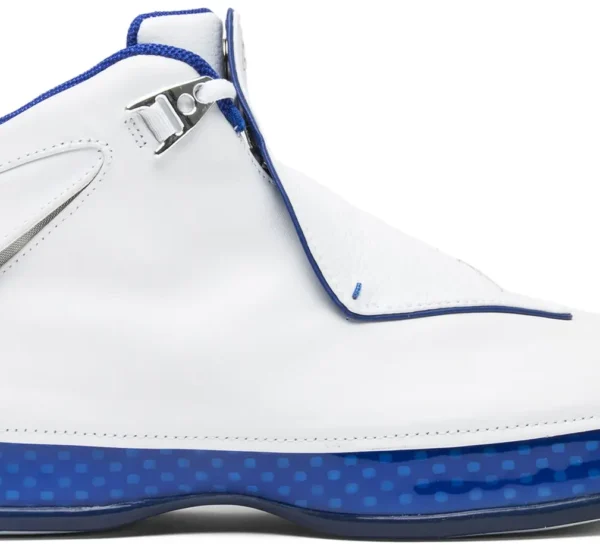
A shoe designed to be configured
The Air Jordan 2012 treated the game shoe as a set of coordinated parts. Its promise was easy to understand in principle: a player could choose more of the experience inside the shoe. Explaining the product in a store was more complicated. Sleeve height, cushioning setup and package contents all mattered, so the model’s history is inseparable from the way it was sold.
Air Jordan 2012 is model 27. Flight Carbon and Flywire supplied structural elements. Model history.
Designers, dress shoes and basketball
Tinker Hatfield and Tom Luedecke developed the model together. Its wingtip-style overlays drew on jazz-era dress and Portland’s historic Jump Town, a connection discussed at the February 2012 media event. The launch report explains how that influence entered a performance-basketball project.
The combination is worth examining without dismissing it as a dress shoe with a sports sole. Wingtip references give the upper a recognizable visual rhythm: curved panels, transitions in material and carefully placed perforations. Inside, the player encounters an adjustable system. One part communicates tradition and finish; the other asks the user to experiment.
This made the 2012 an unusual answer to the question of luxury in sportswear. Luxury could mean richer surface treatment, but here the product also offered options and an elaborate configuration experience. Whether a player valued all those choices was a personal judgment. Their presence is historically significant without requiring a claim that the system suited everyone.
How the flight systems worked
Two sleeves and three midsoles created six combinations: heel Zoom (Fly Around), forefoot Zoom/heel Air (Fly Over), full-length Air (Fly Through). Deluxe: February 8, 2012; Flight System: February 25. Launch announcement.
The arithmetic is simple, but the practical distinction deserves emphasis. Six combinations does not mean six complete pairs of shoes in one box. It describes the combinations available from the sleeve and cushioning choices. Likewise, a listing called “Flight System” should not automatically be assumed to include every component from the Deluxe package.
Three original-period colors
Wolf Grey/Black-Silver Ice-White and University Blue/White-Dark Steel Grey were February 8 Deluxe releases. The 2012 release archive records both. They provide two contrasting introductions to the model: a neutral treatment that emphasizes construction, and a blue version that makes the layered design more immediately visible.
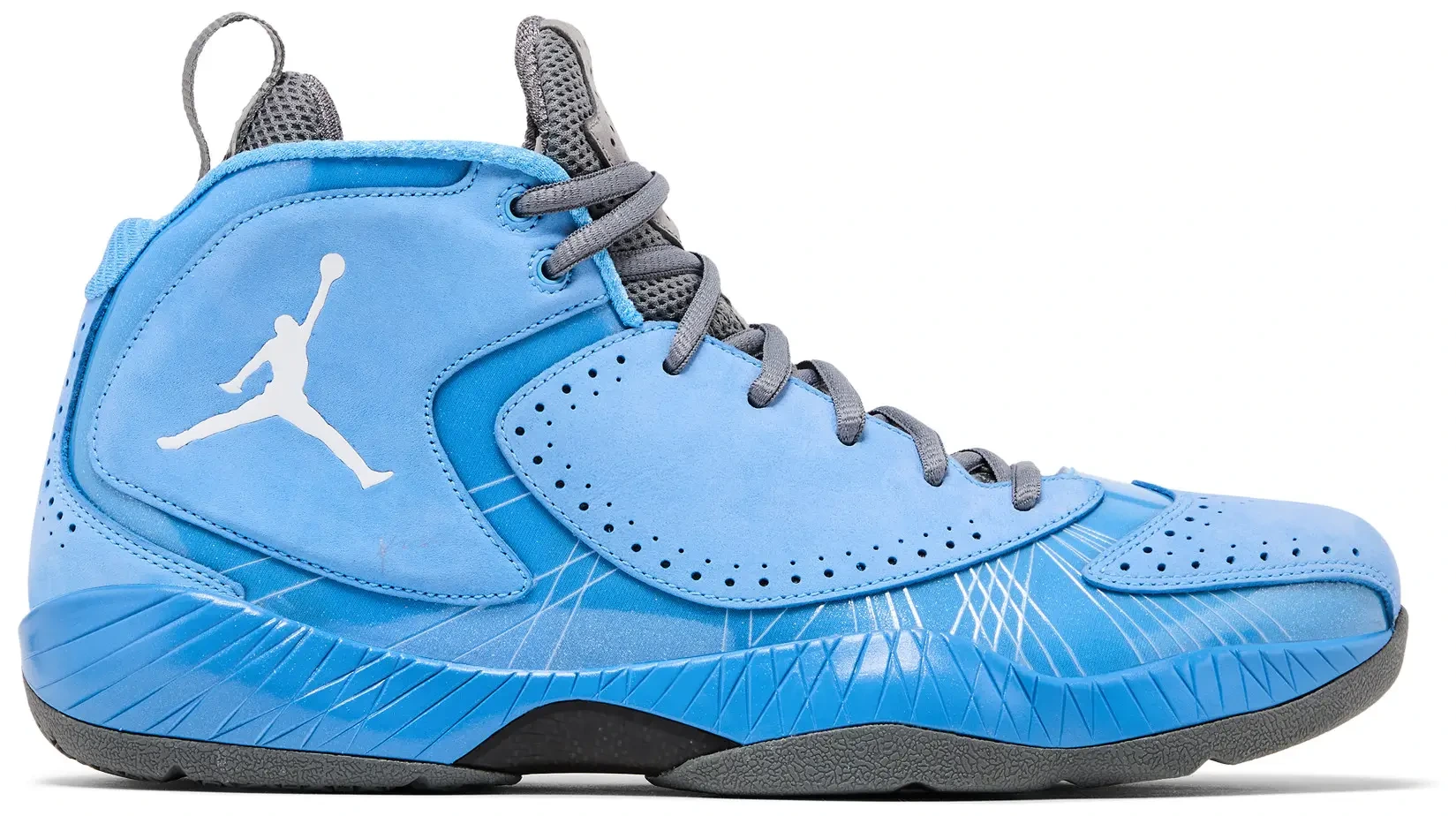
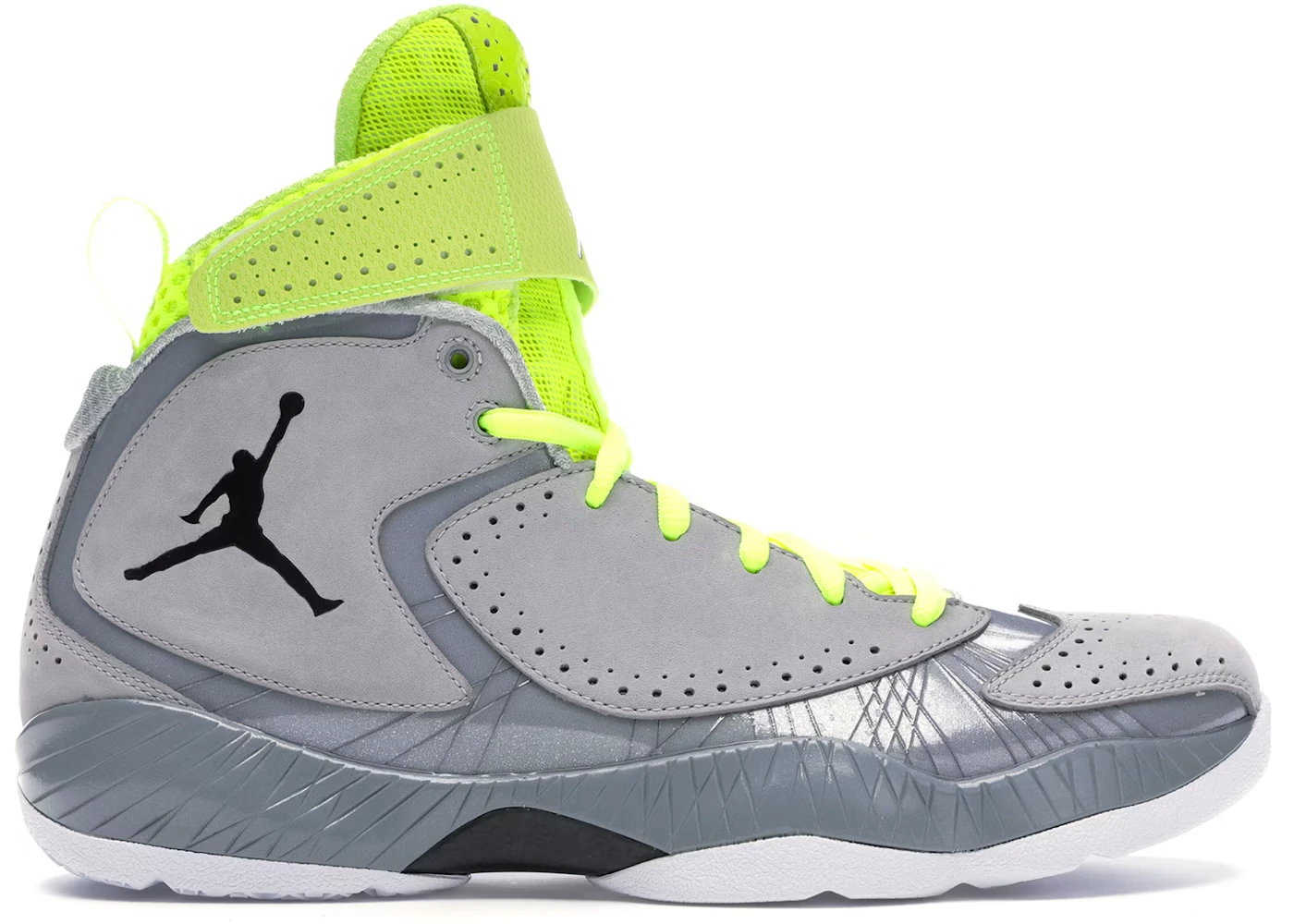
Year of the Dragon, style 484654-401 in Storm Blue/White-Tidepool Blue, followed in the original run on February 23, 2012. Its release record identifies it as Deluxe. It is an original-period thematic edition, not a later retro and not one of the two February 8 colors.
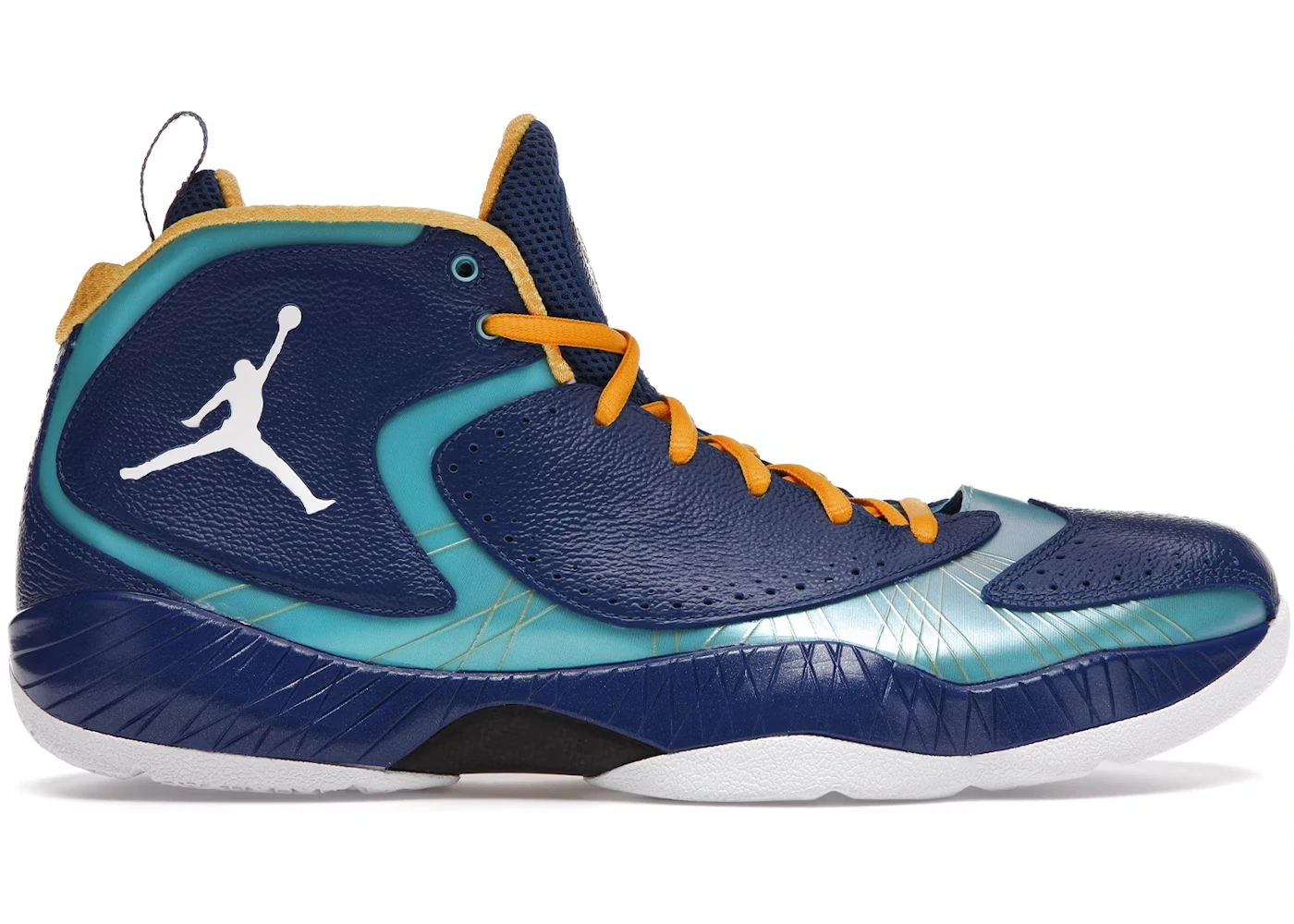
These three selections are useful because they explain different parts of the release story. “Original” identifies the production period; “launch” identifies a particular point within it. Keeping those terms separate prevents a later February release from being incorrectly described as a day-one color.
The sporting message behind the choices
The campaign connected Fly Around, Fly Over and Fly Through with Chris Paul, Dwyane Wade and Carmelo Anthony. SLAM’s report from the Flight Lab describes how visitors explored those playing-style themes. Their involvement in the presentation should be distinguished from proof that every athlete wore the retail flagship in every game.
The message translated a technical menu into basketball language. A shopper did not first have to learn material terminology; they could begin with how they imagined their own game. That was an ambitious way to explain a complicated object. It also shows why a model history needs more than a list of specifications: the retail experience and the language surrounding the shoe were part of the design.
The 2012 stands at the end of a short modular chapter that began with its immediate predecessor. Looking forward to the XX8 reveals a different emphasis: less user assembly, more attention to a distinctive external form and an integrated underfoot platform. The change does not make the 2012 a dead end. It makes it a particularly clear record of one path the franchise explored.
The mid-cut Air Jordan 2012 Lite
The later Air Jordan 2012 Lite was mid-cut, with a fixed construction instead of the flagship’s interchangeable booties. Its historical guide identifies that distinction.
The Lite’s July 5, 2012 opening group included Light Graphite/Taxi-Black, Classic Green/Black-Court Purple, Game Royal/Varsity Maize-Gym Red and Sport Red/Taxi-White. The release archive records all four on the same date.
Frequently asked questions
Is Air Jordan 2012 the official name of Jordan 27?
Yes. It is model 27 in sequence, and Air Jordan 2012 is the original retail name.
Did every box contain all six possible combinations?
No. Package contents varied.
Are all three colors here launch-day colors?
No. The two February 8 releases are separated from the later Year of the Dragon edition.
What should a collector document?
The exact colorway, package type and included sleeves and cushioning components. They help explain how that particular pair was originally sold.