A flagship built around a choice
The Air Jordan 2011 made customization something a player could feel underfoot. Its central idea was straightforward: keep the outer shoe, change the cushioning inside it. That makes this model an important stop in Air Jordan history even for readers who know the line mainly through the early retros. The most interesting part of the product was not immediately visible in a side-profile photograph.
This is the twenty-sixth mainline Air Jordan, released in 2011 under the official name Air Jordan 2011. “Jordan 26” can help someone locate it in a numbered list, but it was not the original retail name. Contemporary reporting in The FADER identifies both the sequence and the customization-led approach.
Who designed it, and what changed?
Tinker Hatfield and Tom Luedecke are the credited co-designers. The blue removable midsole used Zoom Air at the heel and forefoot; the red alternative combined a three-quarter-length Air unit with Cushlon. The upper featured hand-burnished patina leather. The January 2011 unveiling coverage documents these specifications.
The distinction between an insole and a midsole matters here. A thin replacement sockliner can change surface comfort, but the 2011 system moved a meaningful part of the cushioning package. Calling it simply “two insoles” understates the design problem: the shoe needed to accommodate different internal units while remaining coherent as a basketball product.
Luedecke discussed the project as a collaboration between design and performance engineering. His contemporary interview is valuable because it puts the finished object back into a development process. The result can be read as two layers of customization: visible finishing outside, a selectable ride inside. Neither requires the buyer to choose a completely different shoe.
The release year and the basketball context
Dwyane Wade wore the model during Miami’s Christmas Day 2010 meeting with the Lakers, before its 2011 retail rollout. NikeiD customization followed during 2011. Sneaker News’ year-end account records both developments. An on-court appearance in December therefore does not turn the Air Jordan 2011 into a 2010 retail model.
That separation is essential for this period. Michael Jordan’s name still defined the franchise, while active players demonstrated the current game shoe. The 2011 belongs to that continuing performance story. It should not be introduced as a shoe Jordan wore during a Bulls championship season, and a photograph of an athlete wearing it should not automatically be treated as proof that the pictured colorway reached shops.
The model also asks a useful question about sporting equipment: should a signature shoe express one superstar’s exact preferences, or give different players room to make their own choice? The modular system leaned toward the second answer. Its historical value lies in that decision rather than in any unverified claim that one insert made every player faster.
Three original 2011 colorways to know
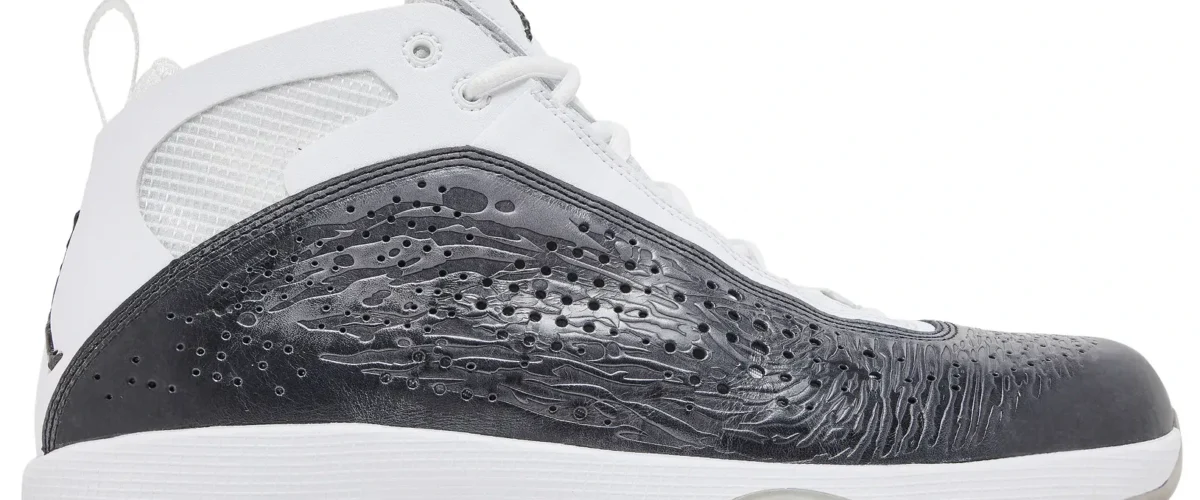
Three documented February 19, 2011 releases are White/Black-Anthracite (436771-101), White/Varsity Royal-Deep Royal (436771-103), and Team Red/Team Red-White (436771-602). The contemporary release lineup supplies the identifiers.
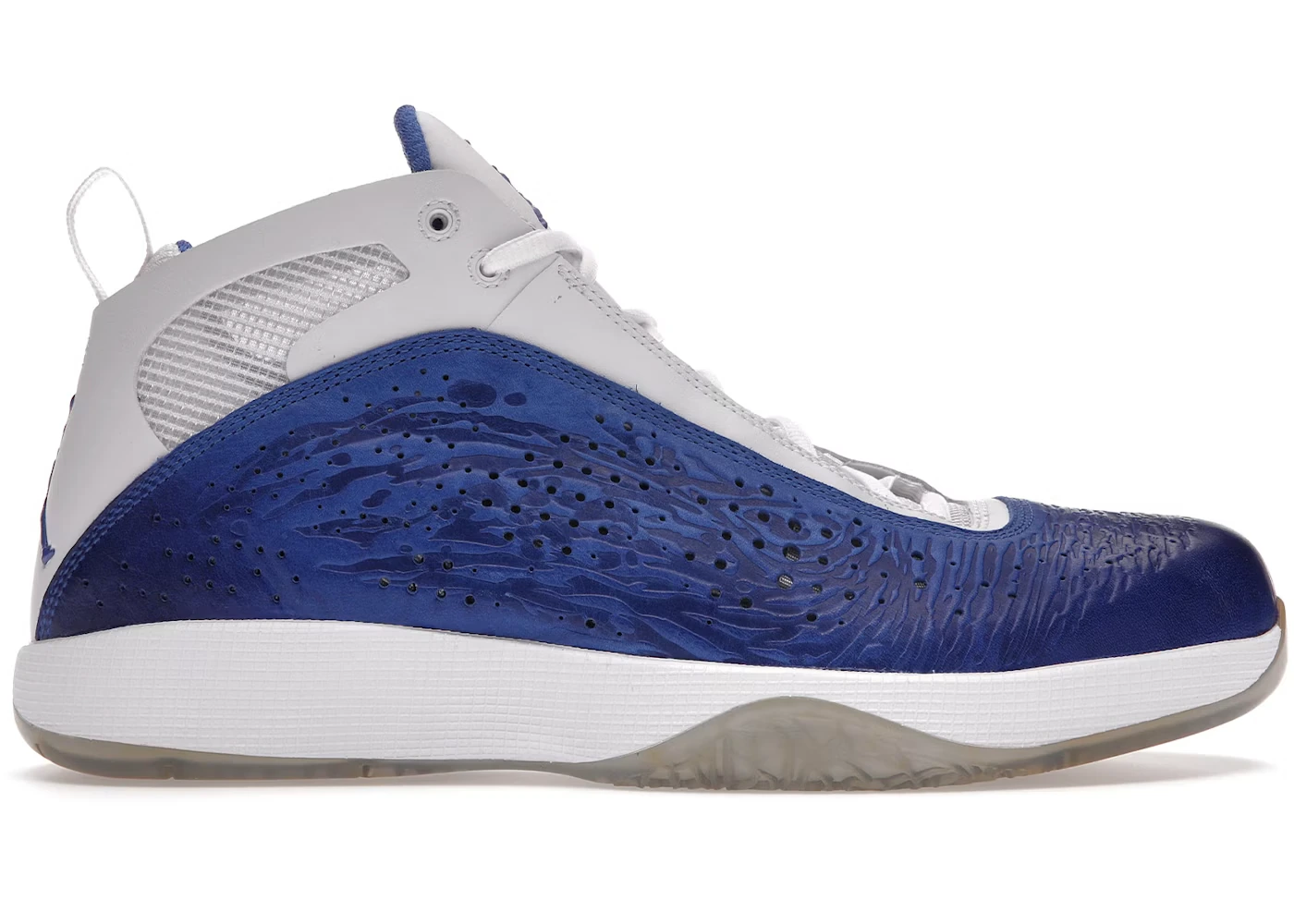
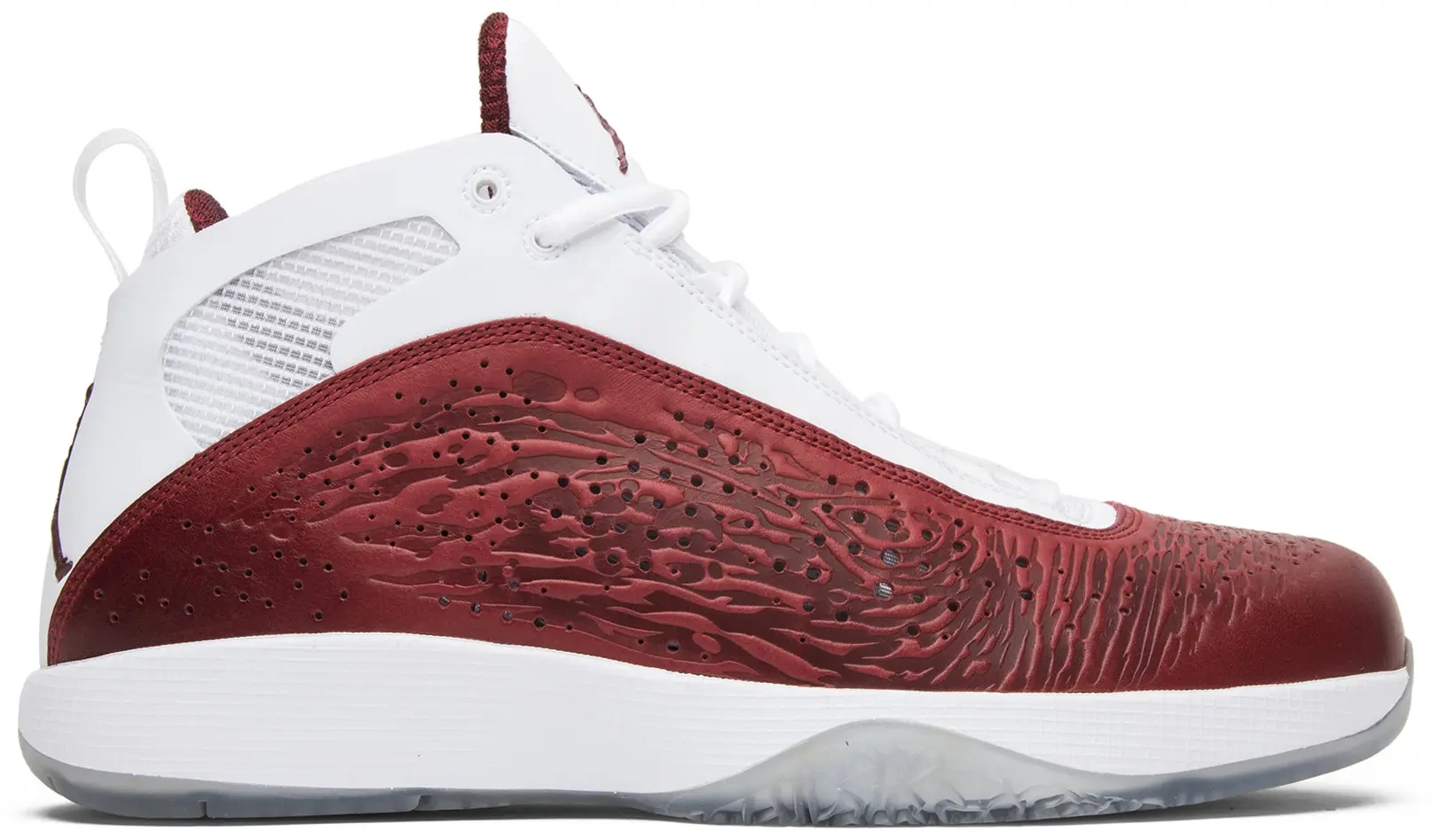
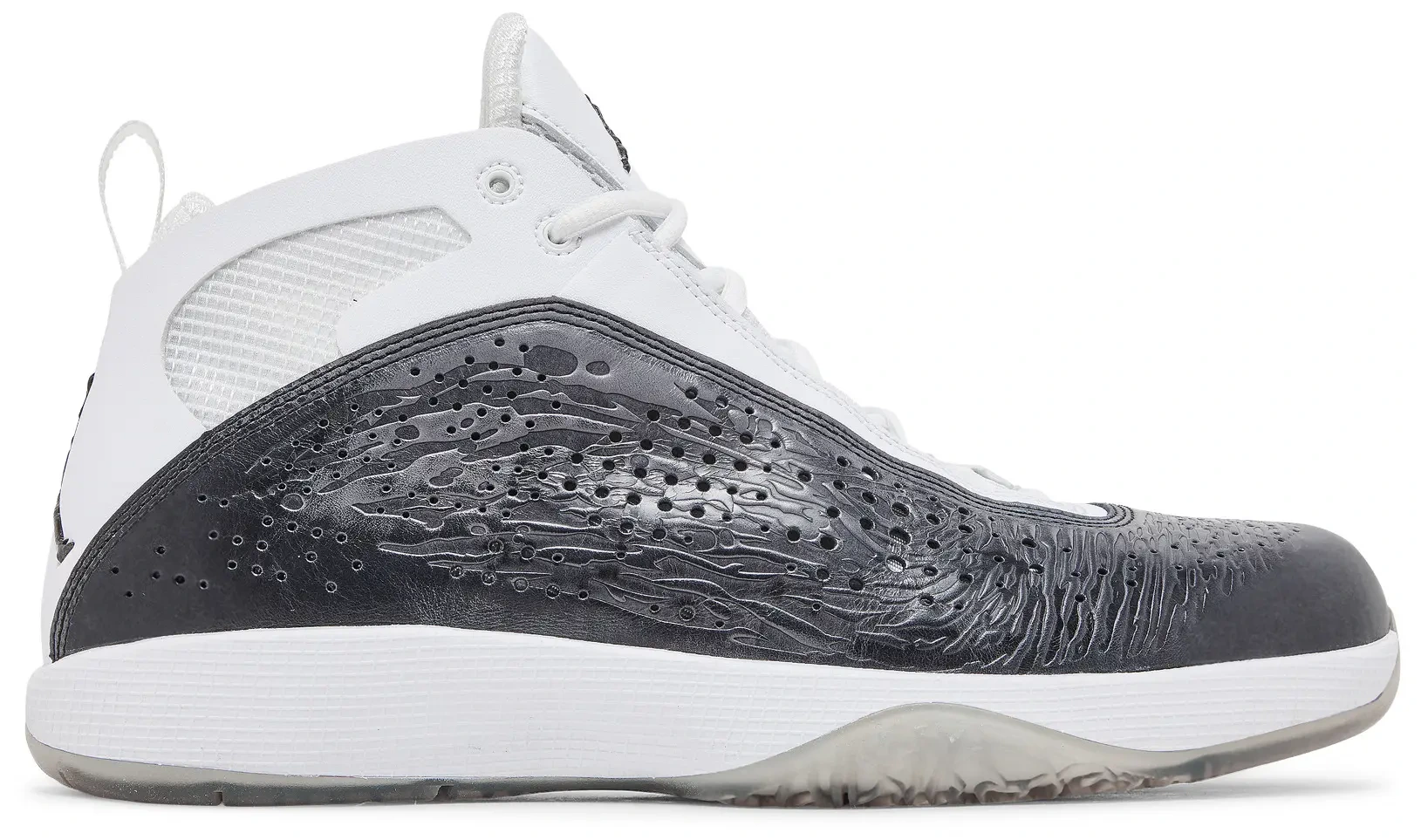
The black-and-white version makes the separation between the white upper and darker wrap easy to read. Royal blue changes that contrast without changing the underlying silhouette. The red version provides a third way to see the same design language. Together, they are a useful introduction because they show how a shared construction can produce different visual identities.
The Year of the Rabbit edition also belongs to the original 2011 story, with region-dependent early release reports. It should not be collapsed into a claim that every color first appeared on February 19. Later 2011 releases included Black/Neo Lime and Tech Grey/Orion Blue combinations. June release coverage places those in the original run, rather than in a later retro campaign.
How to read the shoe today
The 2011 rewards a closer look than a nickname-led checklist allows. Start with the relationship between the upper and the dark or colored leather wrap. Then examine the removable components. The appearance suggests a finished, carefully dressed object; the internal system invites adjustment. That tension is the character of the model.
Its place in the lineage becomes especially clear beside the Air Jordan 2012, which expanded the number of interchangeable elements. The two models form a compact chapter about user-selectable construction. Looking at them together also prevents a common mistake: treating the year-based names as an interruption in the flagship line. They are part of the same sequence.
The lower-cut Q Flight, 2011
The family’s lower-cut alternative was called Air Jordan 2011 Q Flight. It was a separate takedown construction, rather than a retail model named “Air Jordan 2011 Low.” The model history distinguishes those names, while the contemporary launch reminder describes its low-cut collar.
Q Flight launched July 7, 2011 in five colors: White/Black, Black/High Voltage, Black/Varsity Red, Black/Varsity Purple and Black/Orion Blue. The initial lineup documents a simultaneous group, not one sole first color.
Frequently asked questions
Is the Air Jordan 2011 the Jordan 26?
Yes. It occupies position 26 in the flagship sequence, but Air Jordan 2011 is its official model name.
Are the blue and red components just ordinary insoles?
They are functional cushioning units.
Does the three-color selection rank popularity?
No. It explains the initial range through documented retail releases, without assigning a sales or search ranking.
Does a 2010 court appearance change the release year?
No. The pre-release appearance and the retail introduction are different milestones; the retail model belongs to 2011.