
Tinker Hatfield is one of the most influential footwear designers in Nike history, best known for turning architectural thinking into sneakers such as the Air Max 1 and for reshaping the Air Jordan line beginning with the Air Jordan 3. His career connects performance design, visual storytelling, athlete relationships, and some of Nike’s most recognizable products.
His legacy is sometimes simplified into myths—“he invented Nike Air,” “he created the Jumpman,” or “he single-handedly saved Nike.” The documented story is more interesting because it involves Frank Rudy, engineers, athletes, marketers, other designers, and long-running collaboration inside Nike.
Athlete at Oregon and Training in Architecture
Hatfield studied architecture at the University of Oregon and competed in track and field under Bill Bowerman, Nike’s future co-founder. That combination exposed him to both design thinking and the athlete-centered problem solving that would later define much of his footwear work. He understood sport from inside competition while learning to treat structure as something that had to serve people.
Architecture taught Hatfield to think about materials, proportion, movement, and the relationship between form and function. Those ideas became especially important when he began treating footwear as a designed environment around the foot rather than simply a surface for graphics. The result was a career in which exposed structure, reduced branding, and unusual material choices often became part of the product story.
Joining Nike: Architecture First, Footwear Later
Hatfield joined Nike in 1981. His first work was not sneaker design: Nike says he designed offices, showrooms, and retail spaces, applying the architecture degree directly inside the company at a time when Nike itself was still expanding quickly.
A few years later he moved into footwear. That transition placed an architect inside a company already experimenting with cushioning, athlete feedback, and new manufacturing ideas—and it gave Nike a designer willing to question what a performance shoe should look like, how much technology it should reveal, and how a product could communicate its purpose before anyone explained it.

1987: Air Max 1 and the Decision to Show the Technology
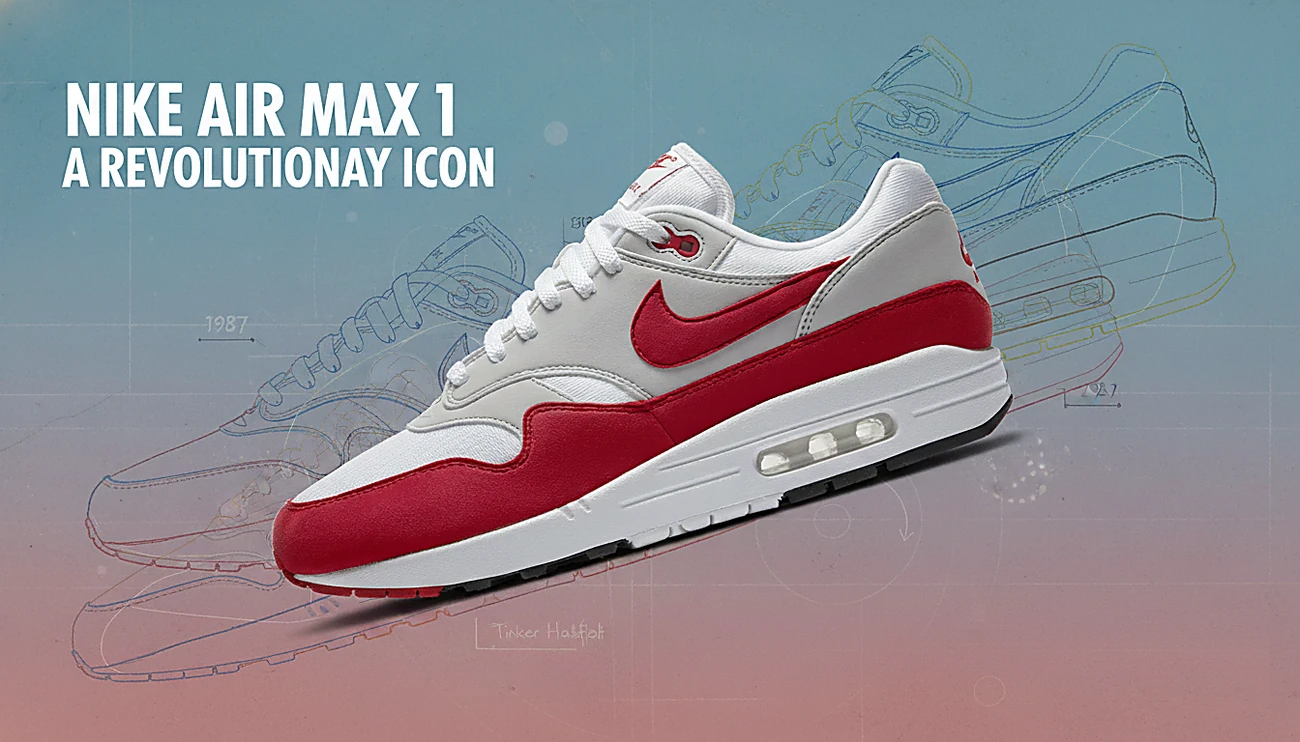
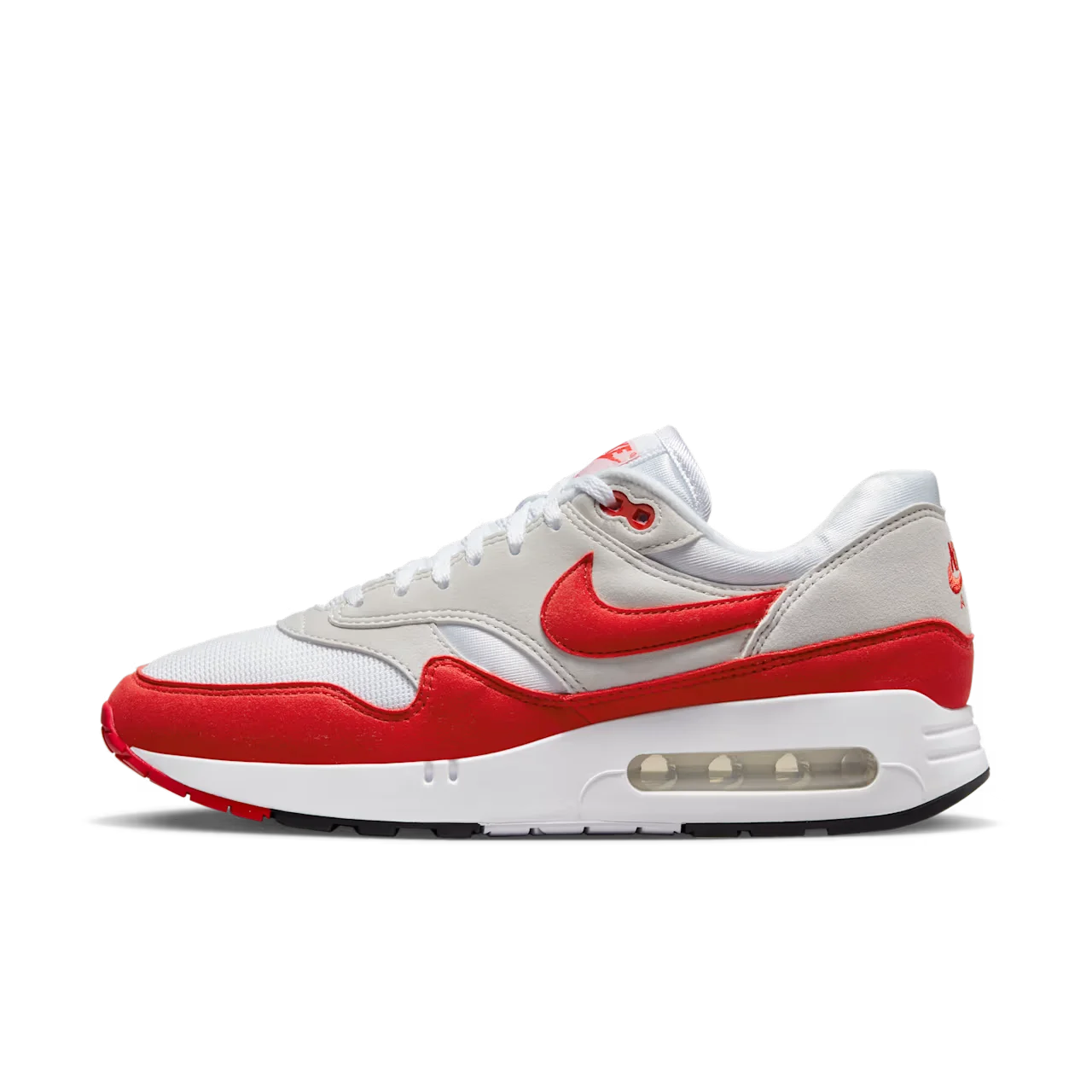
The Air Max 1 became Hatfield’s breakthrough because he made a hidden performance technology visible. Nike Air had existed since the Tailwind in 1978, and engineers had already explored visible-Air concepts, so Hatfield did not invent the cushioning system itself. His contribution was to make the technology part of the design language rather than leaving it buried inside the midsole.
Inspired by Paris’ Centre Pompidou, he cut away part of the midsole so consumers could see the Air unit. The shoe launched in 1987 and established a visual idea Nike continues to revisit: technology can be both functional and expressive. The project also showed how Hatfield’s architectural background could change the way an athletic shoe communicated with the consumer.
Air Trainer 1: Designing for More Than One Activity
Hatfield also developed the Air Trainer 1 around the idea that athletes were often training across multiple activities instead of using one highly specialized shoe for every part of a workout. Its cross-training concept helped establish a new category and showed how he could start from athlete behavior rather than from an existing footwear template. The mid-cut support, forefoot strap, and versatile tooling made the shoe recognizable while serving a practical multi-sport brief.
1988: Air Jordan 3 and the Relationship With Michael Jordan
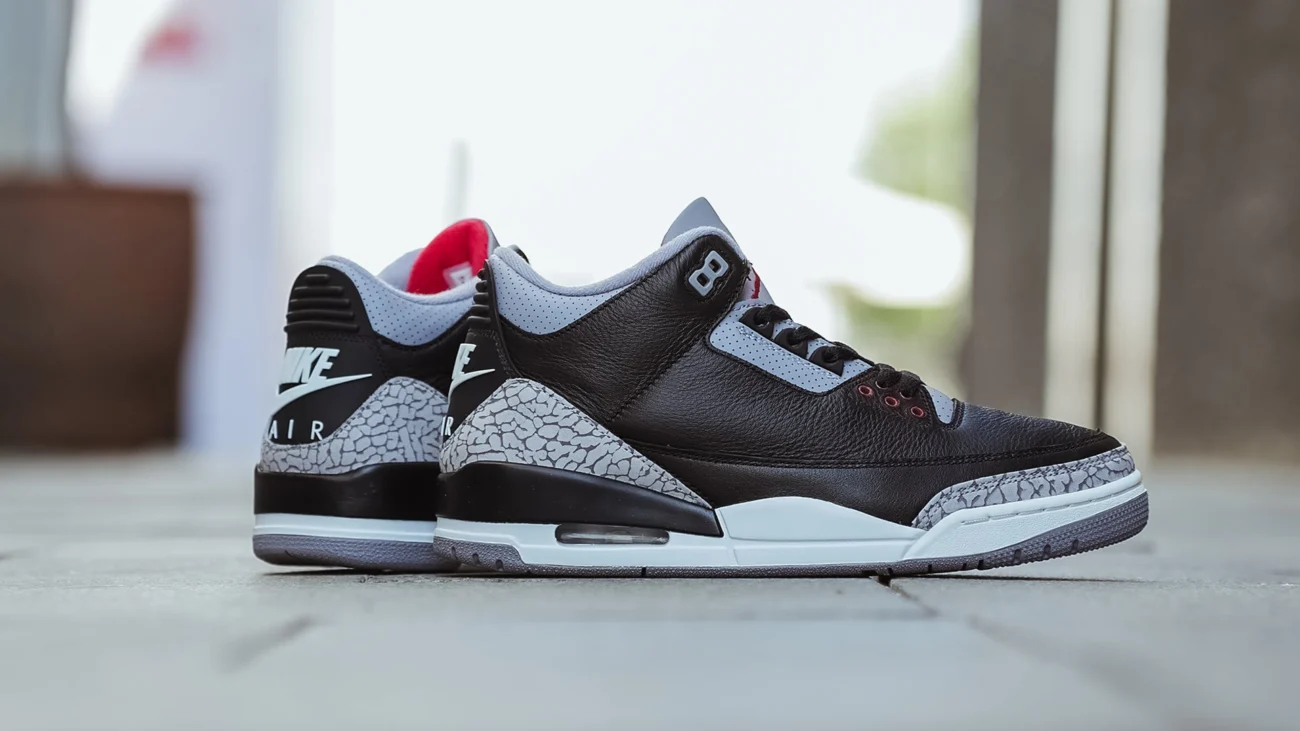
The Air Jordan 3 was Hatfield’s first design for Michael Jordan’s signature line. Nike’s archive dates the original release to 1988 and identifies Hatfield as the designer. The assignment came at a pivotal moment, with Jordan’s future relationship with Nike under intense discussion.
The model introduced visible Air into the Jordan line, used the now-famous elephant-print treatment, and moved away from the large side Swoosh seen on the first two Air Jordans. It also became closely associated with Jordan’s performance, his 1988 Slam Dunk Contest win, and a growing public identity that extended well beyond basketball.
The AJ3 mattered beyond one silhouette because it helped establish a direct designer-athlete relationship. Hatfield listened to Jordan’s preferences and treated the signature line as an evolving conversation rather than a fixed formula. That way of working would shape many later Jordan models and helped define how Nike approached signature footwear.
Jumpman, Elephant Print, and Mars Blackmon
Hatfield helped build the product language around the Air Jordan 3, including elephant print and the decision to use Jumpman branding prominently on the shoe. But he did not create the original Jumpman image: the silhouette derives from Michael Jordan imagery that predated the AJ3 and was adapted into the logo.
The marketing story also involved Spike Lee’s Mars Blackmon character, linking performance basketball, film, advertising, and personality. Hatfield’s footwear design was one part of a larger cultural system rather than a solo act, which is exactly why the AJ3 became more than a successful technical product.
From the AJ4 to the AJ6: Continuity and Evolution
Hatfield continued with the Air Jordan 4, 5, and 6, changing mesh, support structures, tongues, tooling, and visual references while maintaining continuity with Jordan’s evolving on-court needs. The AJ4 expanded visible support and mesh, the AJ5 used fighter-plane-inspired details, and the AJ6 refined fit around Jordan’s push toward his first NBA championship.
The sequence demonstrates one of Hatfield’s strengths: he rarely treated a successful model as a reason to repeat it exactly. Each generation had to remain recognizably Jordan while solving a new performance or identity problem. That balance between continuity and disruption became one of the strongest patterns in his work.
Air Huarache: Neoprene, Less Swoosh, and a New Fit Logic
The Air Huarache, released in 1991, pushed reduction in another direction. Inspired by the close fit of neoprene water-ski boots, Hatfield built a stretchy inner sleeve and stripped away much of the conventional external branding. The shoe relied on shape, cage structure, and fit rather than a giant Swoosh to announce itself.
The famous “Have you hugged your foot today?” idea captured the shoe’s fit-first logic. The Huarache showed that Nike identity could remain strong even when the Swoosh was minimized, which was a bold choice for a rapidly growing global brand. Its influence can still be seen in footwear that uses bootie construction and internal fit systems.
Air Jordan 11: Patent Leather, Carbon Fiber, and a Shoe Jordan Wore Early
The Air Jordan 11 is another key Hatfield design because it combined performance engineering with materials that looked unusually formal for basketball. Patent leather became the visual signature, while a carbon-fiber spring plate contributed to the structure underfoot. Hatfield has often described the shoe in terms of making something Jordan could plausibly wear with a suit while still performing on court.
Michael Jordan famously wore the AJ11 before its planned retail debut during his 1995 playoff return. That premature on-court appearance only strengthened the model’s mythology and demonstrated how closely product development and athlete behavior could interact. The Concord and later colorways became some of the most recognizable products in Jordan history.
Air Jordan 13 and 14
Hatfield remained central to the Jordan line through models such as the Air Jordan 13 and Air Jordan 14, continuing to combine performance requirements with narrative references—from the panther-like language of the AJ13 to the Ferrari-inspired cues associated with the AJ14. By then, the signature line had become a design institution in its own right.
Nike Mag: Fiction, Prototype, and Product
Hatfield designed the futuristic self-lacing footwear concept seen in Back to the Future Part II, turning a movie prop into one of Nike’s most famous imagined products. The exaggerated ankle, glowing details, and automatic-lacing fantasy gave the shoe a life far beyond the film itself.
Years later, Nike developed real Mag releases and adaptive-lacing projects inspired by that fiction. Hatfield did not personally engineer every electronic system, but his original design helped create a target that Nike teams could eventually pursue with real technology. The story is a rare example of science fiction influencing a major sportswear company’s product roadmap.
Mark Parker, Eric Avar, and a Culture of Collective Design
Hatfield’s story overlaps with other major Nike creators, including Mark Parker and Eric Avar. The company’s best-known footwear rarely comes from one isolated genius; designers, developers, engineers, athletes, marketers, and material teams continuously influence the final product.
Hatfield’s long collaboration with Parker also appeared in HTM, the project created with Hiroshi Fujiwara. That work is another reminder that his career includes collective experimentation, not only signature authorship. For more on that project, see what Nike HTM means.
Did Tinker “Save Nike”?
The phrase appears often in retellings of the Air Jordan 3 story because Michael Jordan was reportedly considering leaving Nike during a tense contract period. Hatfield’s design and his ability to build trust with Jordan were clearly important to keeping the relationship strong.
But “Tinker single-handedly saved Nike” is too dramatic to treat as literal corporate history. Nike was already a large company, and retaining Jordan involved product, relationships, executives, marketing, contracts, athlete performance, and business decisions beyond one designer. The more accurate story gives Hatfield major credit without erasing everyone else.
Tinker Hatfield’s Legacy in 2026
Hatfield’s influence remains visible whenever Nike exposes technology, reduces branding, uses architecture-like structures, or builds a signature shoe around direct athlete dialogue. Air Max, Jordan, Huarache, Trainer, Mag, and later innovation projects all carry parts of that design philosophy, even when other designers take those ideas in new directions.
His legacy is also a useful lesson in sneaker history: the strongest stories become more impressive—not less—when myths are separated from documented collaboration. For the model that made visible Air famous, read our Air Max 1 history.
Tinker Hatfield FAQ
Did Tinker Hatfield Invent Nike Air?
No. Frank Rudy developed the Air cushioning concept, and Nike introduced Air in the Tailwind in 1978. Hatfield later helped make the technology visible through the Air Max 1.
Did Tinker Hatfield Create the Air Jordan 1?
No. The original Air Jordan 1 was designed by Peter Moore. Hatfield entered the Jordan line with the Air Jordan 3.
Did Tinker Hatfield Create the Jumpman?
Not by himself. The Jumpman silhouette derives from Michael Jordan imagery created before the AJ3. Hatfield helped integrate Jumpman branding prominently into the Air Jordan 3 design.
Did Tinker Hatfield Create the Nike Mag?
Hatfield designed the futuristic shoe concept for Back to the Future Part II. Later real Nike Mag and adaptive-lacing products required broader engineering and development teams.
Did Tinker Hatfield Save Nike?
His Air Jordan 3 work was important to the Jordan relationship, but saying one designer literally saved the entire company oversimplifies a much larger business and creative story.