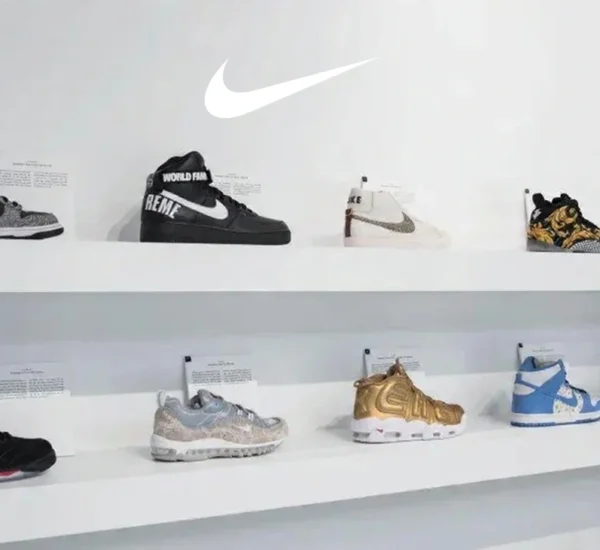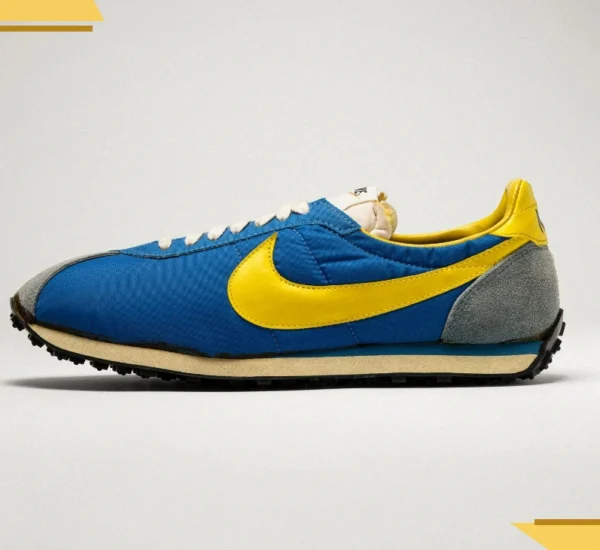
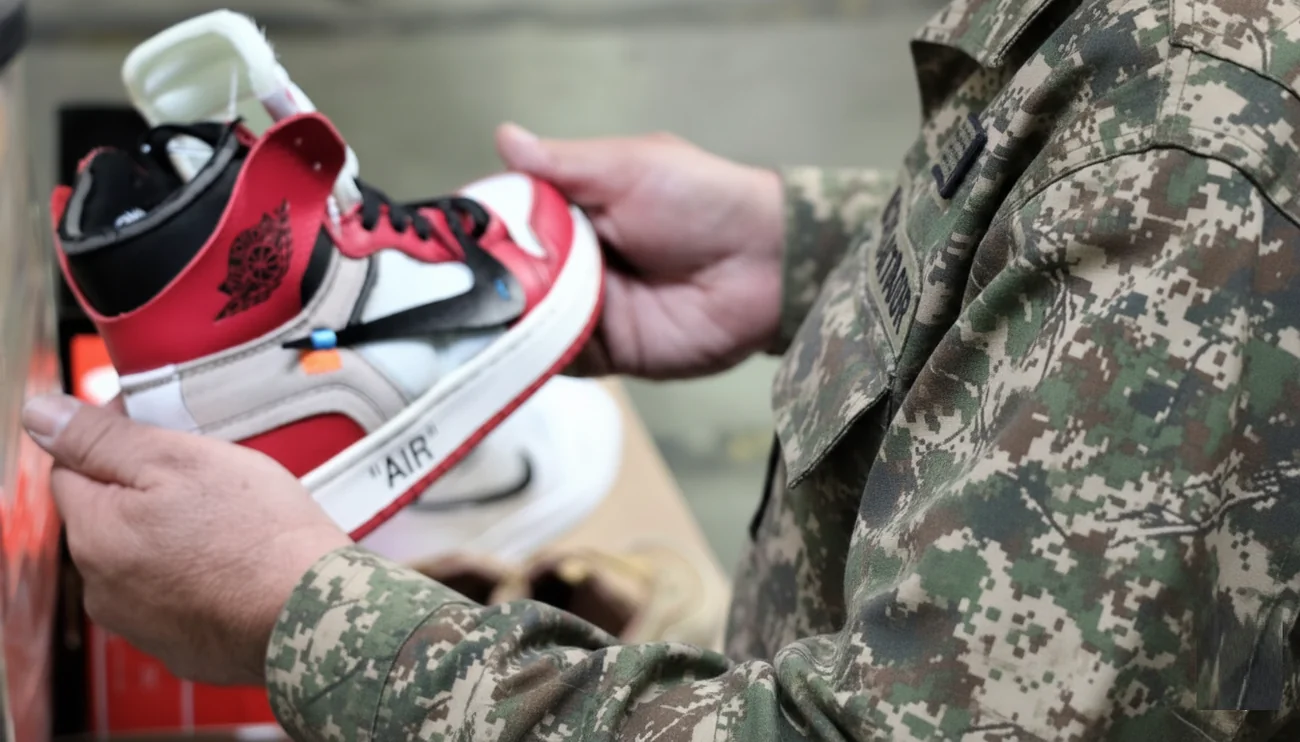
In sneaker culture, fake is the informal term for a counterfeit sneaker: an unauthorized imitation that uses a brand’s identity or presents itself as a genuine release. Reselling a genuine pair outside an authorized retail channel does not make it counterfeit. Nor should fake be confused with a factory defect, a B-Grade pair, a custom sneaker, or simply an inexpensive shoe.
That distinction matters. Authenticity, quality, and condition are three different questions. A genuine sneaker can have visible glue or a small asymmetry, while a counterfeit can look surprisingly convincing. Authenticating sneakers is therefore not about finding one magical “dead giveaway.” It is about combining evidence that makes sense for the exact release you are evaluating.
If you also see terms such as DS, NIB, B-Grade, Legit Check, UA, or 1:1 in listings, the 90Sneakers Sneakerhead Dictionary can help separate terms that are often mixed together.
What Does “Fake” Mean in Sneakers?
In everyday sneaker slang, fake generally means counterfeit. It usually describes a product that is made, branded, or presented to imitate a genuine release without being authorized as part of that release.
In more formal U.S. language, you will also see terms such as counterfeit goods, counterfeit sneakers, and trademark counterfeiting. The legal classification depends on the specific facts, including how trademarks are used, how the product is marketed, and whether someone knowingly traffics in goods bearing a counterfeit mark.
That also means not every product that merely looks similar to another shoe is automatically counterfeit. Inspired designs, customs, independent products, trademark infringement, and counterfeiting can involve different facts and legal questions.
Are Fake, Replica, UA, and 1:1 Sneakers the Same Thing?
These labels often appear together in online sneaker listings, but there is no official brand-recognized ranking system that divides counterfeit sneakers into universal quality tiers.
Replica
In informal sneaker commerce, “replica” is commonly used for an imitation of a branded product. When a seller advertises a “replica Air Jordan” that reproduces the branding and presentation of an official Jordan release without authorization, the seller is generally describing the type of item sneaker communities call fake or counterfeit.
Outside that context, however, the word “replica” should not be treated as a universal legal category by itself.
“Premium Replica”
“Premium” is sales language, not a certification. Nike, Jordan Brand, adidas, New Balance, and other sneaker brands do not maintain an official counterfeit grading system called “premium replica.”
The phrase may mean the seller believes the copy is better finished or closer to the genuine product. It does not prove authorized origin, approved materials, or authenticity.
UA / Unauthorized Authentic
UA is often expanded in listings as Unauthorized or Unauthorized Authentic. Sellers may pair the term with claims such as “same factory,” “same materials,” “factory leftovers,” or “made after the official production run.”
The acronym does not prove any of those claims. Without verifiable documentation from the brand or its authorized supply chain, “UA” remains a seller claim.
StockX’s current Counterfeit & Fraudulent Content Policy specifically prohibits fake, replica, knock-off, or unauthorized products and explicitly lists coded terms such as “UA,” “1:1,” “mirror,” and “dupe” among language that may be used to describe or imply counterfeit goods.
1:1, Mirror, and “Super Fake”
These terms suggest different levels of similarity, but they are not universal technical authentication standards.
“1:1” does not mean an independent authority measured every dimension and proved perfect equivalence. “Mirror” is not a certification. “Super fake” still describes a counterfeit product; it simply claims that the counterfeit is harder to distinguish from the genuine release.
Are B-Grade Sneakers Fake?
No. A genuine B-Grade sneaker can still be authentic while having a minor manufacturing imperfection or being marked outside the normal retail standard.
StockX’s UK guidance, for example, describes B-Grade sneakers as pairs with minor manufacturing imperfections and says that the designation is typically stamped on the box or inside tag. That is a documented use, not a universal rule for every brand or market.
A genuine shoe may have visible glue, slight asymmetry, uneven finishing, or another small variation. None of those details automatically turns the pair into a fake.
The reverse is just as important: a seller simply writing “B-Grade” does not prove that a questionable sneaker is genuine. The term can be misused to explain inconsistencies without providing real provenance.
Can Authentic Sneakers Have Factory Defects?
Yes. Large-scale manufacturing involves tolerances and variation.
That does not mean every flaw should be ignored. It means statements such as “real sneakers never have visible glue” or “crooked stitching always means fake” are unreliable shortcuts.
Authentic does not mean flawless.
The opposite is also true: fake does not necessarily mean visually sloppy. Some counterfeit sneakers are convincing enough that one low-resolution photo is not sufficient to identify them.
Is a Custom Sneaker Fake?
Not automatically.
An artist can take a genuine Air Force 1, for example, and change its paint, materials, panels, or details. The base sneaker may still be authentic even though it has been customized after leaving the brand’s original production process.
There is an important distinction, though: an authentic custom is not the same as an official release. If Nike never released that colorway or collaboration, customizing a genuine base pair does not turn it into an official Nike edition.
Intellectual-property questions involving the commercial sale of customized products can be complex and fact-specific. There is no reason to classify every custom sneaker as counterfeit automatically.
Are Authenticity and Quality the Same Thing?
No. They answer two separate questions:
- Is this physical product genuinely part of the authorized release it claims to represent?
- Does this particular pair have good materials, construction, and finishing?
A genuine sneaker can have a defect. A counterfeit sneaker can have clean finishing.
That is why “it feels premium” does not authenticate a sneaker, while “I found one flaw” does not automatically condemn it.
Are Condition and Authenticity the Same Thing?
No.
A sneaker can be:
- authentic and used;
- authentic and missing its original box;
- authentic and B-Grade;
- counterfeit and brand new;
- counterfeit and unworn;
- counterfeit with a box, tags, and copied accessories.
Terms such as DS, NIB, NWT, and VNDS describe alleged condition or presentation. They do not establish provenance. An unworn fake is still a fake.
What Does Not Prove a Sneaker Is Authentic?
Many details can help with authentication. The mistake is turning any one of them into a standalone certificate.
The Shoebox
A box can be genuine, counterfeit, replaced, reused, or matched to the wrong pair. A convincing box can still mislead you.
Box Label
The box label helps identify the model, size, colorway, and style code the packaging claims to contain. But labels can also be copied or attached to the wrong box.
Style Code or SKU
A style code is extremely useful for confirming which release you are supposed to be looking at. But a counterfeiter can copy a legitimate code.
A correct SKU helps identify the release. It is not a biometric passport for the physical shoe.
QR Code and Barcode
Codes can be copied. A QR code that resolves to a real webpage does not prove that the physical item carrying that code came through the authorized supply chain.
Inside Label and Tags
They are useful parts of the evidence, but they can also be reproduced. Their fonts, spacing, date codes, placement, and construction only become meaningful when compared with reliable references for the exact release.
Receipt or Proof of Purchase
A receipt can strengthen provenance when the seller, retailer, date, SKU, and transaction history make sense together. It should still be considered alongside the physical product and the rest of the transaction history.
Price
A price far below the normal market range is a good reason to ask more questions, not a final verdict.
A genuine sneaker can be discounted, used, unpopular, sold at an outlet, or priced low by a seller who wants a quick sale. A fake can also be sold at a high price.
Country of Manufacture
“Made in China,” “Made in Vietnam,” or “Made in Indonesia” does not automatically mean a sneaker is fake.
Major footwear companies rely on global supply chains. Nike’s public manufacturing map provides information about suppliers and facilities. A country name alone cannot authenticate a specific pair.
The useful question is not “Does this country make fakes?” It is: “Does this country, factory context, label configuration, and production information make sense for this exact release?”
Can Glue, Stitching, and Materials Reveal Fake Sneakers?
They can provide clues, but they should not be treated as automatic verdicts.
An authentication review may examine:
- materials that do not match reliable references;
- unexpected texture or density;
- stitching in unusual positions;
- inconsistent logos or branding;
- finishing that differs significantly from known examples;
- construction details that do not match the release being evaluated.
All of those details need to be compared with trustworthy references from the same release, ideally in a similar size and production context.
Does a Different Shape Mean the Sneaker Is Fake?
Not automatically.
Shape can vary across sizes, youth versus adult grading, production runs, years, and retro editions. Storage and wear can also physically deform a sneaker. Camera lenses and shooting angles can exaggerate apparent differences.
That is why comparing an Air Jordan retro from one year with another edition produced many years later can create false alarms if you assume the two pairs must have identical materials, molds, boxes, and labels.
Why Sneaker Authentication Must Be Release-Specific
Because brands change products over time.
Before examining a pair, identify:
- brand;
- model;
- colorway;
- release year or edition;
- style code;
- size and size category, such as men’s, women’s, or GS;
- market or region when it matters for that release.
Only then does it make sense to compare shape, labels, packaging, materials, branding, and construction.
This approach reduces false positives because legitimate differences between releases are less likely to be mistaken for proof of fraud.
How to Reduce the Risk of Buying Fake Sneakers
There is no single trick that eliminates risk, but a disciplined process makes a purchase much more informed:
- Identify the exact release being sold.
- Confirm the model, colorway, release year, and style code using reliable references.
- Ask for photos of the actual pair when buying directly from another person.
- Review seller history, feedback, and provenance.
- Compare the product with known examples of the same release and, when possible, a similar size or size category.
- Evaluate the box and accessories separately instead of treating them as certificates.
- Look for a pattern of inconsistencies rather than one supposed “instant tell.”
- Be skeptical of unsupported stories such as “UA authentic 1:1 from the same factory.”
- Keep the transaction and payment inside a marketplace when doing so preserves buyer protection.
- Use a release-specific Legit Check when the uncertainty justifies it.
For a remote purchase, clear photos of the lateral side, medial side, toe box, heel, tongue, inside size label, outsole, insole, box label, and accessories can provide useful context. Photos still do not guarantee authenticity by themselves.
When Is a Legit Check Worth It?
A Legit Check is useful when there are meaningful questions about provenance or inconsistencies you cannot explain after comparing the correct release.
Legit Check is not a magic phrase or one universal checklist. It is the process of combining evidence to judge whether a product is consistent with a genuine example of that specific release.
For the full process, see our guide to what a sneaker Legit Check is and how authenticity checks work.
How Do StockX and GOAT Handle Authenticity in 2026?
Major resale marketplaces use their own systems to reduce risk, but it is important to understand the actual transaction flow instead of assuming every order follows one identical authentication path.
StockX
StockX uses several marketplace models. In the Verified Marketplace, an order is inspected by StockX or shipped directly by an approved StockX Verified Seller. In the U.S. Listings Marketplace, eligible items can be sent for optional verification purchased at checkout; without it, the seller ships directly. StockX says Live orders do not go through its verification process. Check the current rules for each route.
StockX’s current counterfeit policy prohibits fake, replica, knock-off, unauthorized, UA, 1:1, mirror, dupe, and similar counterfeit representations. If a buyer believes a counterfeit item was received, StockX directs the buyer to submit a Buyer Promise support request within the applicable reporting window.
StockX also states that “Verified by StockX” is its own marketplace designation and is not an endorsement by the brands sold on the platform.
GOAT
GOAT also uses multiple verification methods depending on the product and fulfillment flow. Its current Assurance of Authenticity documentation says resale products and trusted partners may be verified or vetted through methods such as digital authentication, in-hand verification, and machine-learning technology.
For Ship-to-Verify products, GOAT says its authentication specialists inspect details including labels, stitching, texture, and color. Products shipped directly from selected sellers or partners follow a different support flow if an authenticity problem is reported.
The practical conclusion is not “a famous marketplace makes risk impossible.” It is: understand which verification and buyer-protection process applies to the exact listing you are buying.
For a broader platform comparison, see StockX vs. GOAT.
A Collector’s Perspective on Fake Sneakers
Speaking personally, I am completely against fake sneakers.
That does not mean treating someone who was deceived the same way as someone who knowingly tries to deceive other people.
One situation is buying a fake sneaker without knowing it. Someone who is new to sneakers can trust a misleading listing, believe a false provenance story, or simply not yet have enough references to recognize inconsistencies.
A very different situation, in my view, is knowingly presenting a counterfeit product to other people as if it were genuine.
The criticism here is not about anyone’s budget. It is about intentionally presenting a counterfeit as something it is not.
A Simple Authentic Pair or a Fake “Grail”? My View
For me, a simple authentic sneaker is much more worthwhile than a counterfeit version of an extremely rare or hyped colorway.
That is a personal preference tied to provenance and an interest in the product that the brand actually released. It does not mean every authentic sneaker is a better financial investment, more valuable, or perfectly constructed.
There are also legitimate alternatives when a highly sought-after model is too expensive: General Releases, more accessible retros, outlet pairs, discounts, genuine used sneakers, and other models or brands can all deliver great design without pretending a counterfeit is the original release.
Where Can You Buy Authentic Sneakers With Less Uncertainty?
Buying directly from the brand or from an established authorized retailer reduces uncertainty about origin because the supply chain between manufacturer and consumer is shorter and easier to understand.
The secondary market is different. Seller history, provenance, condition, marketplace rules, and verification systems become much more important.
No retailer or resale marketplace removes every risk. Before buying, check the authenticity policy, return rules, buyer protection, and fulfillment model for the item you want. With a counterfeit sold as genuine, you may be paying for misrepresented provenance and materials, and the item may be ineligible for legitimate resale channels.
What Should You Do If You Bought Fake Sneakers Thinking They Were Real?
If you were deceived, preserve the evidence and move quickly.
Keep:
- the original listing;
- the product description;
- seller photos;
- messages with the seller;
- payment records;
- the shipping box and sneaker packaging;
- any receipts or documents received;
- order and seller information.
If you bought through a marketplace, report the concern promptly and use its dispute or buyer-protection process before the deadline. Keep the pair and packaging intact; avoid cleaning or altering them, and follow the case instructions before returning anything. Keep the conversation and payment within the platform when that preserves its protection.
The U.S. Federal Trade Commission advises online-marketplace buyers to keep records and watch deadlines for refunds or site assistance. If the seller or marketplace does not resolve the problem and you paid by credit or debit card, the FTC also recommends contacting the card issuer to dispute the charge when appropriate.
You can report a dishonest business to the FTC at ReportFraud.ftc.gov and contact your state attorney general or consumer-protection office. A report can help enforcement, but it does not itself obtain your refund. Remedies depend on the transaction and applicable law; this is general information, not individual legal advice.
Is It Illegal to Sell Fake Sneakers in the United States?
Knowingly trafficking in counterfeit trademark goods can be a federal crime in the United States.
The U.S. Department of Justice identifies 18 U.S.C. § 2320 as the federal trademark-counterfeiting statute. It addresses intentional trafficking or attempted trafficking in goods or services with knowing use of a counterfeit mark, among other conduct.
Intent, knowledge, and the statutory meaning of a counterfeit mark matter. A seller’s use of “replica” or “UA” does not decide the legal result by itself.
Buying, selling, manufacturing, importing, and personal use are different activities. Do not assume that an explanation of one criminal statute resolves every question about them.
Importing can raise separate customs and trademark questions. Check the rules for the actual shipment and goods; do not assume that a personal-use purchase is automatically exempt.
Counterfeiting can also raise civil trademark claims. Trademark owners’ remedies and a buyer’s claim for a misleading sale are separate matters, and the specific legal outcome depends on the facts.
What Is the Impact of Fake Sneakers on Sneaker Culture?
Authenticity matters in many parts of sneaker culture because collecting, buying, selling, trading, and documenting history all depend on knowing what physical object is actually being discussed.
When a counterfeit is knowingly presented as authentic, the problem is not only aesthetic. The information attached to the object is false, and that can distort price, provenance, collection history, and later transactions.
At the same time, authenticity concerns do not justify gatekeeping. There is no need to say that “anyone who wears a fake is not a sneakerhead.” People who were deceived should not be mocked, and sneaker communities are not culturally uniform.
The sneakerhead community can be useful for sharing references and knowledge, as long as community opinion is not confused with automatic certification.
What to remember before buying
Identify the exact release first, compare several kinds of evidence, and understand the seller’s protections before paying. A convincing photo, a correct code, or a high price cannot do that work on its own.
If a purchase was misrepresented, preserve the evidence and act within the applicable deadlines. You do not need to solve every authentication question alone before asking the marketplace how to report a concern.
Being careful about authenticity is compatible with enjoying affordable pairs, used shoes, and less-hyped designs. The point is knowing what you are buying.
For me, that means choosing a genuine sneaker I like over a counterfeit version of a rare release. It is a personal collecting preference, not a judgment on someone who was deceived.
To go deeper into authentication, read the 90Sneakers Legit Check guide. For other terms used in sneaker listings, collecting, and resale, continue with the Sneakerhead Dictionary.