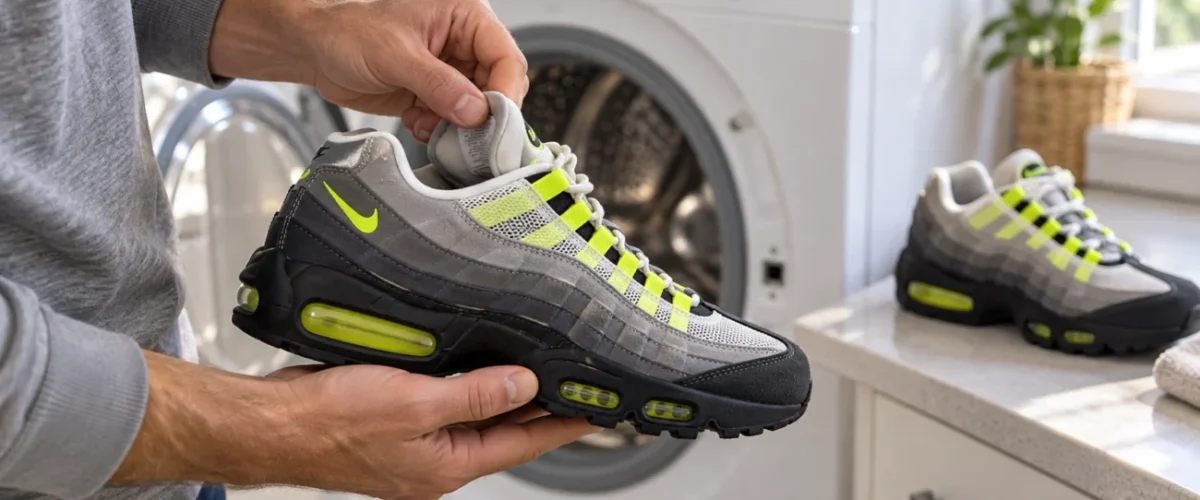
You can machine-wash sneakers when the footwear manufacturer explicitly allows it for that model and the pair is in suitable condition. If the instructions prohibit it, specify hand cleaning, or leave the question unresolved, use the appropriate manual-care method. A canvas, mesh, or knit upper does not establish that the complete shoe is machine washable.
The mixed advice online partly reflects genuine differences between shoes. A manufacturer may allow one design in a washer while giving different instructions for another. Before choosing a cycle or buying a laundry bag, identify which rule applies to the pair in front of you.
Make these checks before getting the shoes wet
- Identify the exact style. Find the product code on the inside label, box, or order record. Check the version and materials, too.
- Find the care instructions. Check the packaging, official product page, and manufacturer support. The size label may have no washing information.
- Look for explicit permission. Machine washable means something specific. A textile upper, easy-clean finish, or water-resistant description does not establish it.
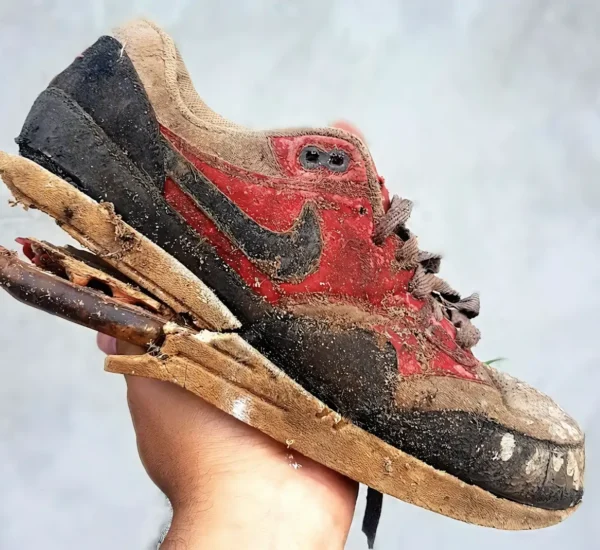
- Inspect the condition. Separating soles, crumbling foam, peeling finishes, and electronic components need attention before a wash.
- Read the drying instructions separately. Washer permission is not dryer permission.
If two instructions seem to conflict, contact support with the style code: “Is this exact model machine washable, and what preparation, cycle, and drying method do you recommend?” Advice about a similar-looking shoe leaves the original question open. Until it is resolved, do not use a wash as a durability test.
Manufacturer guidance: the important exceptions
These documented examples explain why a universal recipe falls short. Instructions for your specific version remain the reference.
- Nike: its washer guidance recommends hand cleaning and air drying rather than machine washing.
- New Balance: its care FAQ discourages both washers and dryers and gives separate guidance for leather and suede.
- Converse: the official cleaning guide prohibits machine washing and drying for canvas and leather. An all-canvas appearance does not settle the question.
- adidas 4DFWD: its August 2021 guide allows a cold, delicate wash, with laces and insoles removed and each shoe bagged separately. It requires air drying. Do not extend that permission to Samba, Gazelle, or Yeezy shoes.
- Skechers: check the product page or original packaging for the Machine Washable icon. The official method applies to identified styles and prohibits machine drying.
- GORE-TEX footwear: the footwear-care instructions say not to machine-wash. Instructions for washing and heat-treating a waterproof jacket are a different protocol.
A washer manual can describe how the appliance handles suitable shoes. It cannot establish that every finish, adhesive, or foam in your pair tolerates the process. A cleaning company’s laundry kit cannot override the shoe manufacturer’s restrictions, either.
Why the upper material is only part of the answer
A sneaker also contains lining, reinforcements, a midsole, an outsole, and the connections between them. A mostly fabric shoe may include suede trim, painted details, an attached insole, or an earlier repair. Our guide to sneaker anatomy helps identify those parts before you work on them.
This inspection is not a way to certify washability at home. It helps you spot what a generic fabric-shoe tutorial might overlook. It also explains why a video showing an apparently successful wash is weak evidence for your own pair: the materials, age, condition, and previous repairs may differ.
Custom or restored sneakers introduce another question. Ask whoever applied the paint, coating, or adhesive about care. Instructions for the original shoe may not cover the alteration.
Stop before a deep clean in these situations
The midsole is crumbling or the sole is separating
Investigate the structural problem first. In its explanation of polyurethane midsole deterioration, HANWAG distinguishes material failure from a bond that can simply be re-glued. That does not diagnose every sneaker or establish repairability. Our hydrolysis and aging guide explains why cleaning and structural recovery are separate jobs.
You suspect mold or contamination
An ordinary wash is not a validated disinfection process. The Canadian Conservation Institute notes that pale deposits can resemble mold and surface cleaning can leave biological material. Keep the pair separate from clean belongings and seek appropriate assessment. Its guidance concerns artifact conservation, not a home protocol that certifies shoes for wear.
A finish is failing or the shoe’s history is unclear
Peeling coatings, open seams, or color already coming off during light wiping are reasons to pause. Photograph the condition before doing more. With a collectible pair, removing one mark can cost an original detail that cannot be replaced. Leaving some wear visible can be a reasonable conservation choice.
Preparing a pair that is confirmed machine washable
Write down the manufacturer’s procedure: removable components, compatible cleaning product, water setting, cycle, and drying method. Then compare it with your appliance manual. If the washer cannot provide the specified conditions, choose manual cleaning instead of guessing at the closest program.
- Remove loose ordinary dirt with the method suitable for the material before washing.
- Take out only components designed to be removable. Do not tear out an attached insole to follow generic advice.
- Use bags, detergent amounts, and cycle settings as instructed. Do not add a long presoak or extra chemicals on impulse.
- Do not convert “cold” into a universal temperature or “gentle” into an invented spin-speed limit.
- Have an air-drying space ready. If you need the shoes the same day, postponing a full wash may be the more useful choice.
Aftermarket insoles need their own check. Superfeet specifies manual cleaning and no machine washing or drying for its insoles. Permission for a shoe does not automatically cover the accessory you placed inside it.
Can the sneakers go in the dryer?
Treat that as a separate decision, even after an approved machine wash. The washing exceptions above still call for air drying. A no-heat setting is not automatic permission, because the drum, movement, or rack can also matter. Respect an instruction to avoid the dryer.
Nike’s cleaning guide recommends air drying at room temperature. To organize that stage, open the shoes up, allow airflow, and keep removable components separate until dry. Plain white paper towels can help absorb moisture when suitable; replace damp paper rather than leaving it packed inside. Avoid printed newspaper that could transfer ink.
There is no universal drying deadline. Check the toe area, lining, and underside of removable insoles before wearing or storing the pair. A dry-looking upper does not establish that the inside is ready. Ovens, radiators, hot hair dryers, and strong direct sun are poor shortcuts for meeting a schedule.
Four real-world decisions
- Canvas Converse with everyday dirt: follow the manufacturer’s manual-cleaning instructions. Canvas does not cancel the restriction.
- Machine-washable Skechers with a cracked midsole: the label does not resolve the damage. Assess the condition first.
- An adidas pair with no confirmed care instructions: a 4DFWD tutorial is not permission for a different design.
- An approved washable pair needed early tomorrow: consider the time for complete drying before starting. Urgency does not make a dryer compatible.
Questions worth asking before the next wash
Does a laundry bag prevent all damage?
No. A bag may be part of an approved process. It does not change material compatibility or repair existing deterioration.
Can I keep doing it because the first wash went well?
One wash without visible damage does not replace manufacturer guidance. The pair’s condition also changes with use. Inspect it again and avoid increasing the frequency or intensity simply because a previous attempt looked successful.
Should I wash the whole pair for one small stain?
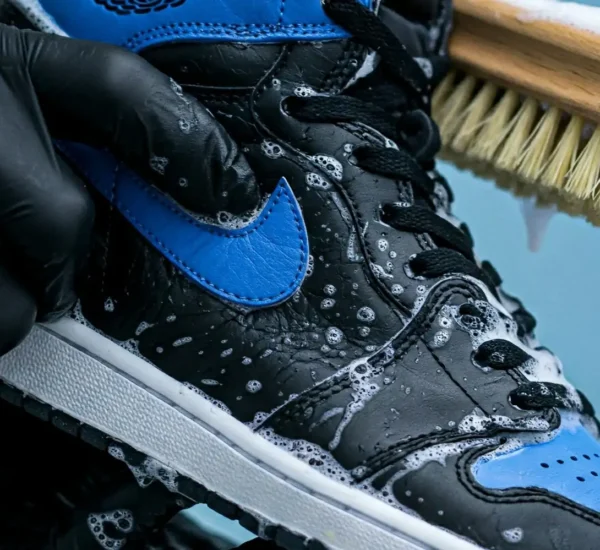
There may be no reason to involve the entire shoe. Choose the recommended localized treatment for that material. Our sneaker-cleaning products and materials guide covers the cleaning methods in detail.
For easier maintenance, save the care instructions with the style code, address local dirt before it accumulates, and store shoes only once completely dry. Explore the Sneaker Lab for more on materials, construction, and care.