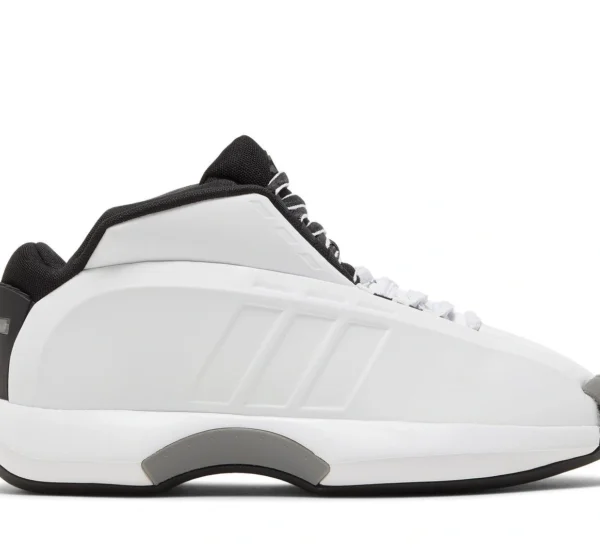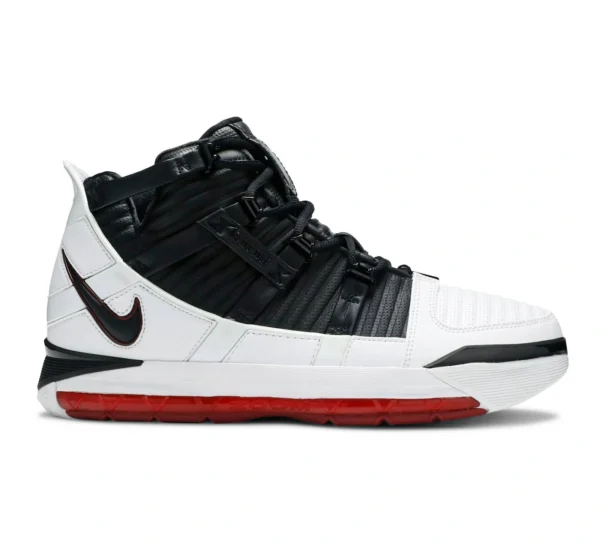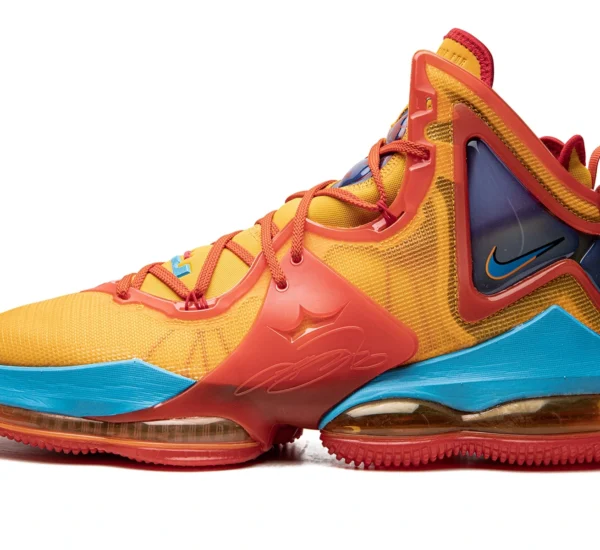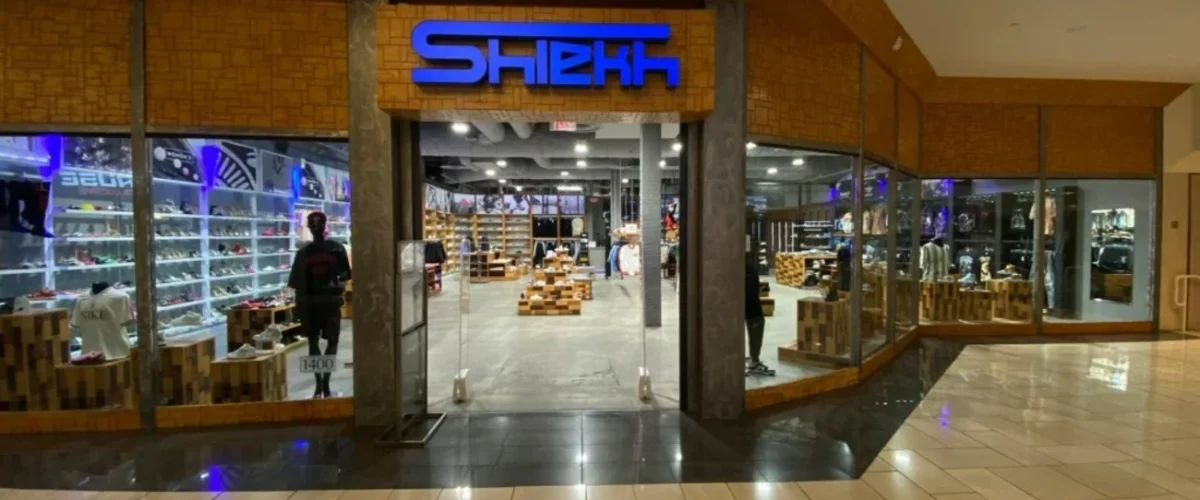
Shiekh turned basketball history into interior design. Its December 2013 San Francisco announcement described shoe walls matching Michael Jordan’s six-foot-six height and wooden floor panels angled at twenty-three degrees, a reference to his jersey number.
That episode provides an unusually concrete starting point for Shiekh’s story. Sneaker retail operates through more than shelves: dimensions, materials and the arrangement of a room can ask shoppers to recognize a shared reference. Here, knowing the number twenty-three became part of knowing how to read a store.
The California mall connection
Shiekh’s company history places the beginning of its expansion in 1991 and identifies California malls as an important setting for growth. It also describes buying decisions as a conversation among product buyers, marketing and store management. The account centers a retail network rather than a single designer’s collection.
Its company-controlled profile situates the assortment among hip-hop, fashion, entertainment and sport, while also identifying a private women’s footwear line. This broader range matters: the company’s identity includes athletic shoes, but does not end at the boundaries of basketball or collectible sneakers.
A mall retailer occupies a particular place in fashion history. It can place an emerging look in the path of someone who arrived for another reason. That possibility differs from the deliberate trip to a specialist boutique. In Shiekh’s case, the documented combination of mall expansion and varied footwear makes that everyday encounter a useful lens.
Retail selection has several scales. The combination of shoes and apparel suggests a complete outfit, while a focused display invites close attention to an individual object. Reading those choices can be as revealing as identifying the brands: they show how a shop imagines a customer moving through its assortment.
An online acquisition and a difficult reset
In March 2016, Shiekh announced its acquisition of Karmaloop. The contemporary announcement, reproduced by WearTesters, presented the transaction as a connection between Shiekh’s physical retail experience and an established online streetwear business. It added a different kind of storefront to the company’s story.
The distinction is culturally useful as well as commercial. A website and a mall organize discovery differently: one can lead a shopper through links and categories, while the other puts products into a shared physical route. Bringing both under one company does not erase those differences; it makes managing them part of the retailer’s work.
Expansion was followed by financial strain. An ICSC legal-conference review records Shiekh’s Chapter 11 filing after Thanksgiving 2017 and a reorganization plan confirmed in June 2018, following negotiations and lease changes. That historical episode belongs in the account alongside more celebratory launches.
The sequence prevents a misleadingly smooth origin-to-success narrative. Building an identity and sustaining the business that carries it are related tasks, but they are not interchangeable. A memorable store concept can coexist with hard decisions about leases, financing and the scale at which a retail network can operate.
Access, repair and the present-day store
Shiekh’s current raffle FAQ describes an app-based system for high-demand shoes, including in-store entries through a participating location’s QR code. It says winners are chosen randomly and that a purchase history is not required. These are published allocation rules, rather than a guarantee of availability for any particular release.
Raffles change the relationship between attention and access. A customer may follow a shoe closely without being able to buy it immediately. For the retailer, explaining the process becomes part of presenting the product. The interface and its rules belong to the history of the store just as the display wall does.
Another public record points toward a different use of the flagship. The GreenHouse SF Kick-Off listing proposed repair and mending stations, a climate discussion and a community art activity at Shiekh on Market Street. As an event program, it documents an intended gathering rather than proving environmental outcomes.
The official directory continues to list the flagship at 929 Market Street in San Francisco. Meanwhile, the current website separates athletic footwear, women’s fashion, children’s products and releases, preserving a broad shopping frame around the sneaker offering.
Read together, these episodes show Shiekh moving among mall commerce, basketball symbolism and digital distribution. Its history is strongest when those different activities remain visible, including the restructuring between them. The culturally interesting object is both the shoe and the changing retail system through which people encounter it.
Related store histories
Shoe Palace
SNIPES
For the wider context, explore Sneaker History and Culture: From Rubber Soles to a Global Movement.