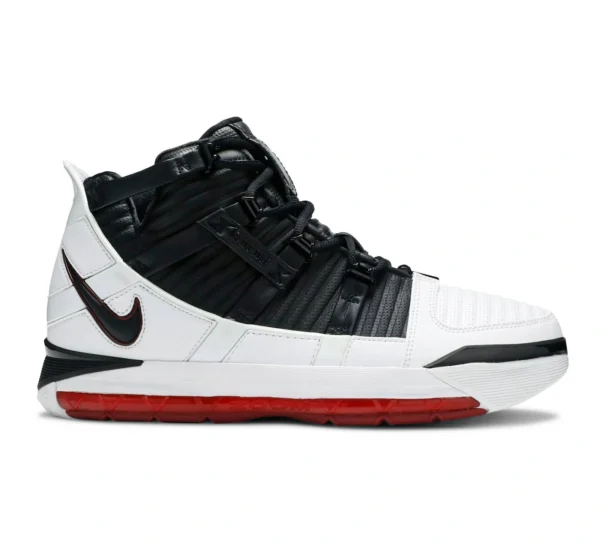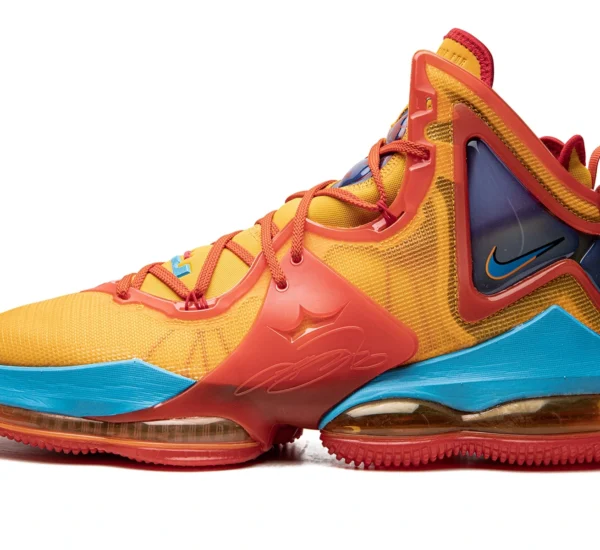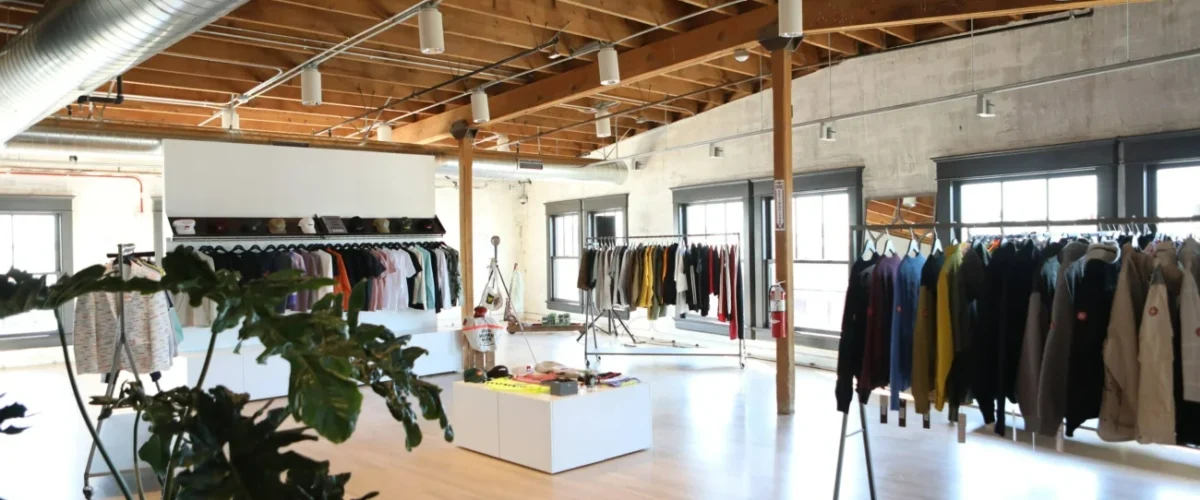
Finding the entrance was already part of the story. Bodega became known for concealing a boutique behind the appearance of an everyday convenience shop, turning a visit into a discovery. The contrast between an ordinary frontage and what lay beyond gave the retailer an identity that did not depend on explaining everything immediately.
That device could have remained an architectural joke. In Bodega’s trajectory, however, it connects with the founders’ creative backgrounds, art projects and a way of placing fashion and sneakers within a wider field of references.
Boston, 2006
Jay Gordon, Dan Natola and Oliver Mak opened Bodega in Boston in 2006. The company’s account connects their meeting with the city’s creative activity, including art, events and hip-hop. The shop grew from that combination of experience rather than simply a decision to assemble recognizable brands.
In an interview with Old Pal Provisions, Mak described the original idea as a conceptual space that could host a show and then become a shop again. That ability to switch functions is a useful key to understanding Bodega.
For sneaker enthusiasts, it means a pair of shoes need not be the only reason to pay attention. The setting can bring photography, design, clothing and music together, offering different routes into the same conversation.
The pleasure of finding something
The hidden entrance supplied a clear narrative: there is more here than the frontage reveals. Instead of relying entirely on an explanatory window display, the space asked for curiosity.
That should not be mistaken for a test of who belongs. Knowing an entrance or recognizing a reference does not make someone a better enthusiast. The cultural interest lies in surprise and in sharing a discovery, rather than turning information into a barrier between insiders and visitors.
The tension between mystery and welcome makes Bodega a distinctive retail example. Its concept offers something a standalone product photograph cannot fully reproduce: a spatial sequence of expectation, passage and revelation.
Collaborations extend the idea
Sneaker Freaker’s retrospective identifies the 2008 Saucony Courageous TR partnership as the beginning of Bodega’s footwear collaborations. That places collaborative design close to the shop’s origins, rather than treating it as a much later addition.
A collaboration allows selection to become more than choosing among finished products. The retailer participates in interpreting a model. Reading that work carefully means distinguishing the manufacturer’s silhouette history from the particular story proposed by the boutique.
Bodega’s own institutional presentation also includes projects such as the Boston Art Book Fair and Pirate Radio. They show that shoe boxes are only one part of its stated creative world, even when footwear remains its most immediately recognizable entry point.
Los Angeles and the continuing concept
Bodega opened in Los Angeles in 2018. In the Old Pal interview, Mak connected that choice with an affinity for the city’s unusual, cinematic character. The new location extended its physical presence without replacing its Boston origins.
When checked in October 2026, Boston was listed as temporarily closed while Los Angeles retained listed trading hours. A branch’s historical importance and its present operating status are separate questions; knowing one does not establish the other.
The enduring interest in Bodega’s story is its attention to discovery. Space, references and independent projects became ways to make encountering sneakers an exercise in curiosity, rather than only a search for the next release.
Sources and further reading
Behind Bodega: Oliver Mak interview
Related store histories
Concepts
BAIT
For the wider context, explore Sneaker History and Culture: From Rubber Soles to a Global Movement.