The history of Nike KD is a history of changing solutions around a recognizable kind of player. The shoes move between straps and cages, leather and knit, visible Air and less visible changes inside the sole. That variety makes the line more interesting than a simple countdown of nineteen designs. Each generation answers a slightly different question about how a signature shoe should look, feel and tell its athlete’s story.
This guide follows the main numbered line from the first retail KD in 2009 through the KD19, already released by October 16, 2026. It separates a model’s original product cycle from later retros, special editions and player exclusives. “Original-era” here means the period when that model was current, so a color released the following calendar year can still belong to its original run. Three selected colors in each individual history illustrate the model; they are not presented as an exhaustive catalog.
The beginning: a signature with personal detail
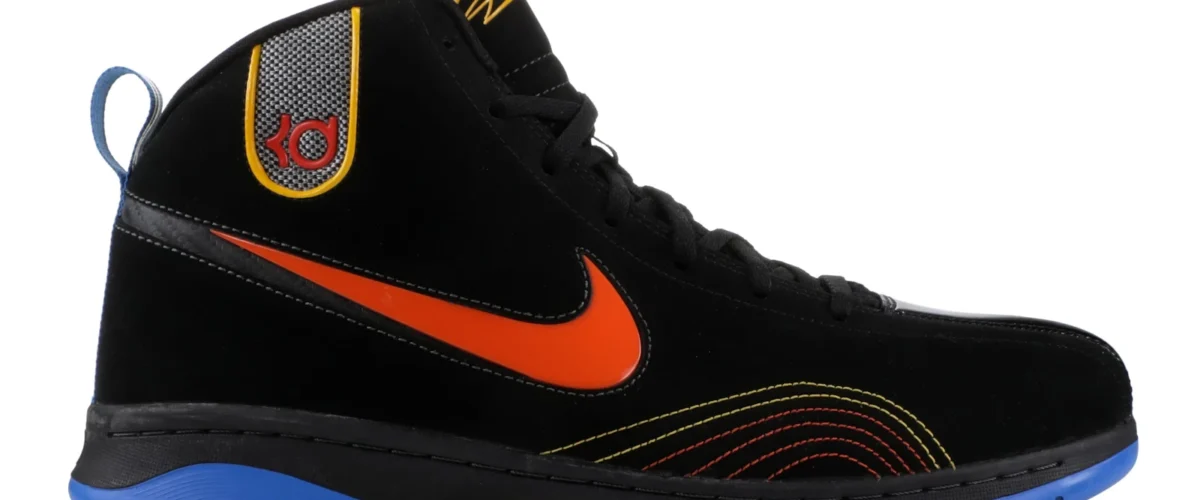
The first KD established a restrained starting point. Nike’s own 2009 announcement describes an $88 shoe with forefoot Zoom Air and a Phylon midsole, with personal references worked into its tongues and outsole. Its historical importance lies partly in that balance: a product intended for basketball could also carry the athlete’s family and geography. The personal details did not have to dominate the entire upper.
That approach developed quickly. The KD2 gave the line a recognizable strap, and the KD3 replaced that visible statement with cable-based support. The KD4 then made a strap and a low profile central to an especially expressive platform for colors. These early changes establish an enduring pattern: the line preserves themes while repeatedly changing the physical device used to express them. A strap can disappear for several generations and later return without making the new shoe a retro.
The technical story in three chapters
Visible Air, changing heights and Elite experiments
The middle of the early run is especially easy to oversimplify. The standard KD5 and KD6 combine forefoot Zoom with heel Max Air, but the KD7’s visible heel unit is Zoom. A visible window does not identify the Air technology by itself. The Elite versions also need separate treatment: the KD5 Elite lowers the profile, while the KD6 Elite changes the cushioning configuration rather than merely repainting the standard shoe.
The KD8’s Flyweave upper and its unusually tall Elite extension push the conversation in another direction. That contrast explains why collar height cannot be used as a complete classification of the line. A standard low shoe and a radically different Elite can belong to the same numbered family. The right comparison considers the upper, support, cushioning and release identity together. It also keeps the original standard model at the center, so an eye-catching postseason edition does not replace it in the history.
Knit becomes a major design language
The KD9, KD10 and KD11 form a useful group because Flyknit connects them, yet they are not interchangeable. The nine establishes the material direction, the ten makes its broad lacing structure especially visible, and the eleven emphasizes a softer-looking body inside a raised rubber perimeter. The KD11 also brings React foam together with full-length Zoom Air. Looking only at the word Flyknit would miss these differences.
Zoom Strobel, split systems and a return
The KD12 changes the relationship between the upper and the cushioning by putting full-length Zoom Air into the Strobel construction. The KD13 revises the arrangement by moving the additional Zoom unit to the forefoot. The KD14 and KD15 pair the full-length platform with different upper solutions: a strap and then a molded cage. Ben Nethongkome is identified in Boardroom’s development interview as taking over the series with the KD14, an important correction to catalogs that attribute every generation to Leo Chang.
The KD16, KD17 and KD18 use a different arrangement, pairing forefoot Zoom with rear Nike Air cushioning. The KD19 returns to full-length Zoom Strobel inside a strongly molded exterior. This is why the technical history is not one uninterrupted ladder of additions. Technologies can be relocated, exchanged or revisited. A new number may represent a new arrangement rather than simply more of the previous component.
Colorways tell a parallel history
Team colors, schools, family tributes, childhood interests, music and collaborators all appear in the original KD catalog. Their significance comes from the relationship between the story and the actual shoe, not simply from rarity. A Scoring Title edition translates an achievement into details; Aunt Pearl carries a recurring family tribute across different silhouettes; a producer collaboration creates another cultural connection.
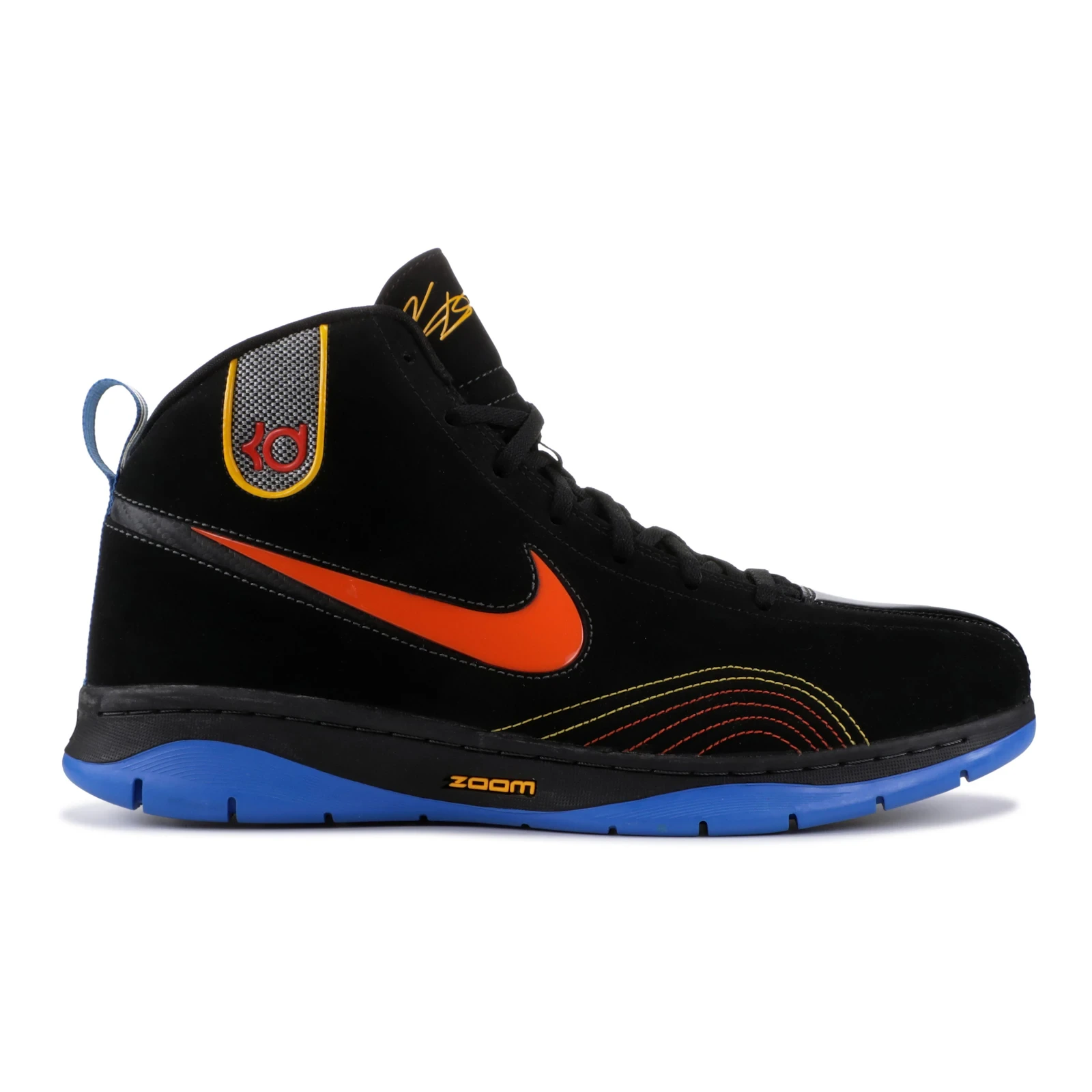
A repeated name is not proof of a repeated product. Aunt Pearl on a new numbered KD is a new edition within that model’s cycle. A later return of an older Aunt Pearl shoe belongs to the retro timeline. The KD18 also supplies a smaller catalog lesson: New Timeline and Liquid Lime identify the same launch SKU, so they should not be counted as two distinct original colors. Names, style codes and dates need to be read together.
What belongs in the main line?
The main sequence consists of KD1 through KD19 at this research cutoff. Elite constructions are documented within their numbered families because they can change more than color. EXT and NSW executions belong to the wider lifestyle history of those models, but their materials and intended context must remain explicit. KD Trey 5 is a separate family and should not be inserted between the numbered signatures.
Low, Mid and High should be used when Nike actually names a distinct version that way. A low-cut standard shoe does not automatically have a separate Low release date. Likewise, PE describes a player-specific context; it does not establish that a pair was sold publicly. Keeping these distinctions preserves both the breadth of the collection and the accuracy of its chronology.
For the distinction between retail releases and player exclusives, see what Nike PE means.
The complete numbered timeline
The years below refer to original retail generations, not the dates of later reissues. They are deliberately year-level where an exact first day varies by channel or territory.
Nike KD 1 — 2009
The first model establishes the personal vocabulary of the series in a conventional panel-built shoe. Its restrained shape makes a useful starting point: later changes in height, fastening and cushioning are easier to understand beside this original balance of function and biography.
Nike KD 2 — 2010
A prominent strap gives the second generation an immediately legible identity. Creamsicle and Scoring Title show how the same construction can speak through playful color or an athletic achievement. Its late-2009 court appearance and 2010 retail dates explain the two years often attached to it.
Nike KD 3 — 2010
Flywire changes the visual emphasis from a broad strap to a network of support. The third shoe therefore reads as an incremental refinement rather than a complete reset. Its original Christmas and Scoring Title editions belong to the 2010–11 cycle, separate from much later retro stories.
Nike KD 4 — 2011
The combination of a low profile and Adaptive Fit creates a compact canvas for unusually memorable colors. Nerf, Weatherman and Aunt Pearl demonstrate three storytelling directions within one standard model. Their distinct identities do not require treating each as a separate technical version.
Nike KD 5 — 2012
The taller standard shoe and the lower Elite make this generation a clear lesson in product families. Both share a number, but the postseason reconstruction deserves its own technical description. The change also interrupts any simple assumption that each successive KD became lower than the last.
Nike KD 6 — 2013
An unusually low, thin-looking upper reorganizes the silhouette around precision and asymmetry. Seat Pleasant connects that design to a formative place, while the Elite and casual branches show how far one numbered family can spread. Customization, a limited launch and a global rollout have distinct dates.
Nike KD 7 — 2014
A flexible-looking front and molded rear divide the seventh shoe into two strong visual zones. The returning strap joins them across the middle. Weather-related storytelling suits this contrast, but the most important catalog distinction is technical: the visible heel cushioning is Zoom.
Nike KD 8 — 2015
Flyweave shifts attention toward an engineered textile surface rather than the previous molded shell. The Elite then radically changes the outline with an integrated sleeve. Reading both together shows why the standard silhouette and its postseason counterpart should remain visible as two related constructions.
Nike KD 9 — 2016
Flyknit arrives as the shoe crosses a major career transition. The KD9 belongs to Durant’s final Oklahoma City playoff run as well as the next phase, so describing the KD8 as his final Thunder model erases part of this generation’s original history.
Nike KD 10 — 2017
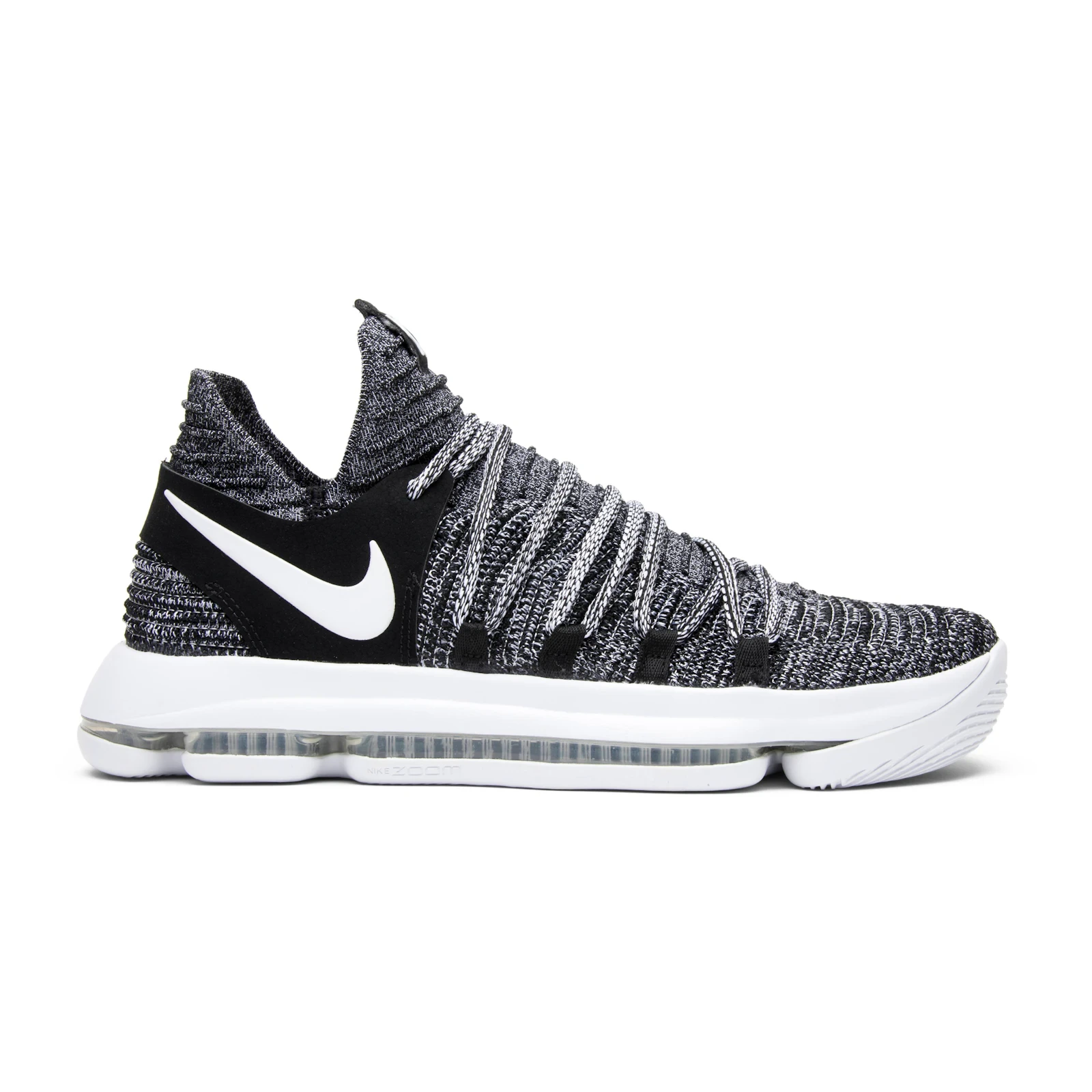
Oversized lacing makes the relationship between foot, knit and sole especially visible. Anniversary marks the tenth signature, while Still KD and Oreo show how quieter palettes can emphasize the construction. The shoe’s identity depends as much on that lacing architecture as on its material name.
Nike KD 11 — 2018
A soft-looking knit body sits within a more pronounced perimeter, changing the balance of the silhouette. React and Zoom belong to the same cushioning story here. The result is another distinct interpretation of knitted basketball footwear rather than a simple repetition of the previous two models.
Nike KD 12 — 2019
The most consequential change sits beneath the foot: Zoom becomes part of the Strobel construction. That makes the twelve a reminder that a generational shift need not be visible from across the room. Its color stories can be read separately from the underlying structural change.
Nike KD 13 — 2020
The thirteen revises the cushioning arrangement while keeping the full-length concept central. Its layered visual treatment gives it a different presence from the preceding shoe. The extra forefoot Zoom unit is a more precise historical marker than a general claim that every component simply became bigger.
Nike KD 14 — 2021
The strap returns as part of a new design chapter, bringing an immediately recognizable fastening device back into the line. The fourteen demonstrates continuity without copying a predecessor. Its importance also includes a documented change in design leadership, rather than an automatic continuation of earlier individual credits.
Nike KD 15 — 2022
Molded wings replace the strap as the most obvious support signature. That swap changes how the upper is read even while full-length Zoom Strobel remains central below it. Artist and family-tribute editions show how graphics can work around a strong structural frame.
Nike KD 16 — 2023
The sixteen reorganizes cushioning into forefoot and rear sections rather than carrying forward the same full-length arrangement. Its sculpted appearance creates a different visual weight. Pathway to Royalty and Emotional Pathways use color to connect this technical reset with the signature’s personal storytelling tradition.
Nike KD 17 — 2024
The seventeen borrows a visual vocabulary associated with another Nike family while retaining its own basketball construction. That relationship is best understood as design reference. Sunrise, Penny and The Alchemist make the model’s original cycle a meeting point for vivid color, basketball memory and music.
Nike KD 18 — 2025
A layered, trail-influenced appearance gives the eighteen a distinct position within the late-numbered models. Black Label precedes the wider launch, while New Timeline and Chain Reaction illustrate the regular original cycle. Alternate naming matters here because Liquid Lime is another name for New Timeline.
Nike KD 19 — 2026
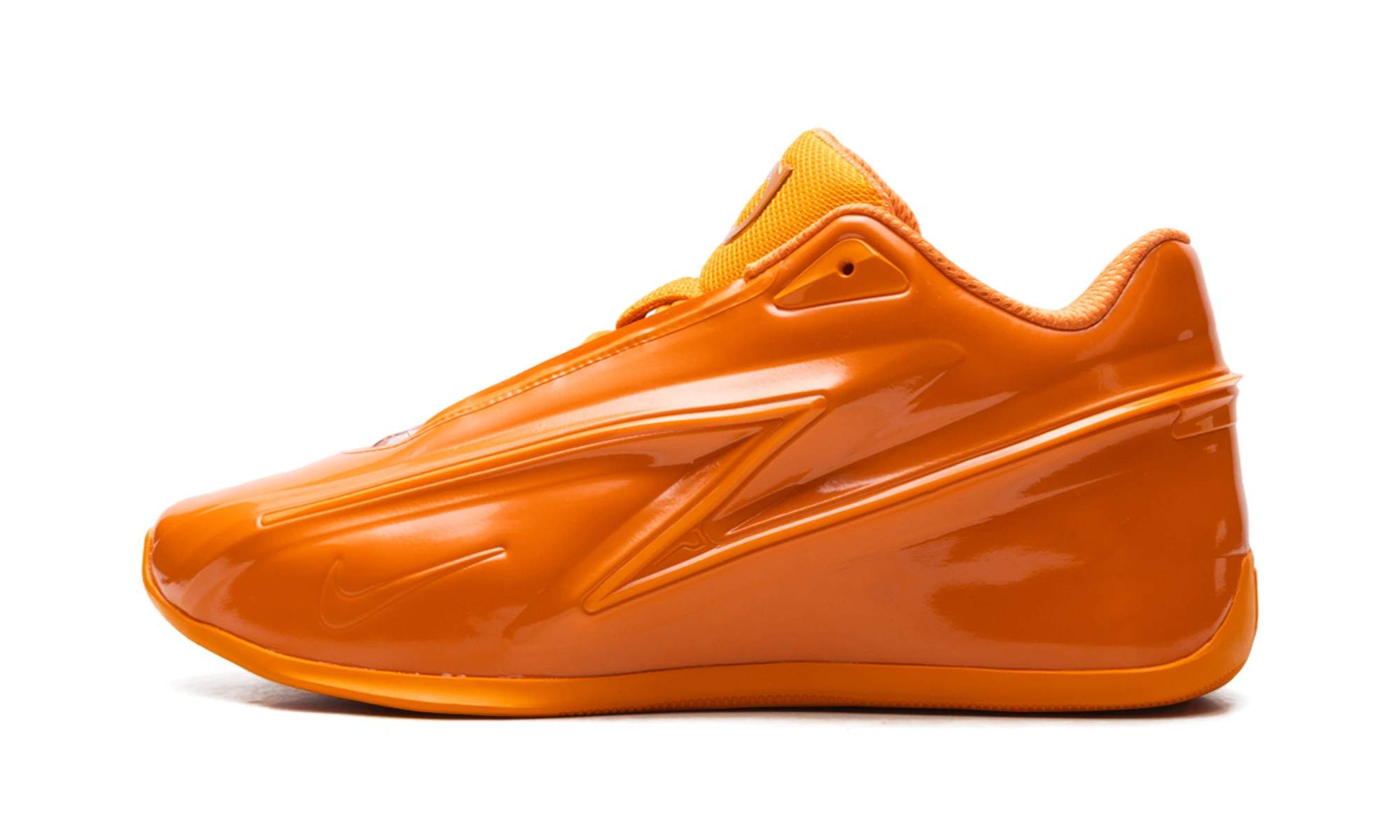
The nineteen closes this research window with the return of full-length Zoom Strobel and a strongly molded exterior. Its June 2026 launch is already part of the released catalog. Orange Crush, Purple Stuff and Bubble Gum Bounce are documented original-cycle colors, not forecasts.
Frequently asked questions
How many main numbered Nike KD models are covered?
Nineteen, from KD 1 through KD19, using October 16, 2026 as the research cutoff. Elite and lifestyle versions remain within their respective families.
Did the first KD release in 2008 or 2009?
The first retail generation is 2009. Earlier previews should not be substituted for retail availability; the exact first selling day remains disputed in surviving accounts.
Did Leo Chang design every numbered KD?
No. Chang shaped the early series, while Ben Nethongkome is documented as taking over with the KD14. Individual authorship for later models should follow model-specific evidence.
Is every low-cut KD a separate Low version?
No. Collar height describes a shape; a separately named version requires its own product evidence. Elite, EXT and NSW also identify different kinds of releases rather than interchangeable labels.
What is the difference between an original color and a retro?
An original-era color belongs to the model’s first active product cycle. A retro is a later return of an older model; it can revive an old color or introduce a new story.
Sources and further reading
- Nike: Nike Unveils the KD1 the First Signature Shoe for Basketball Star Kevin Durant
- Nike KD15 development interview
- Nike KD12 technical archive
- Nike KD11 design archive
- Nike introduces KD18
- Nike Basketball introduces KD19
Editorial research checked on October 16, 2026.